
Trailers For Sale Near Ranger, Georgia
Have trailer to sell? List it here to reach thousands of buyers.
Trailers Near Ranger, Georgia
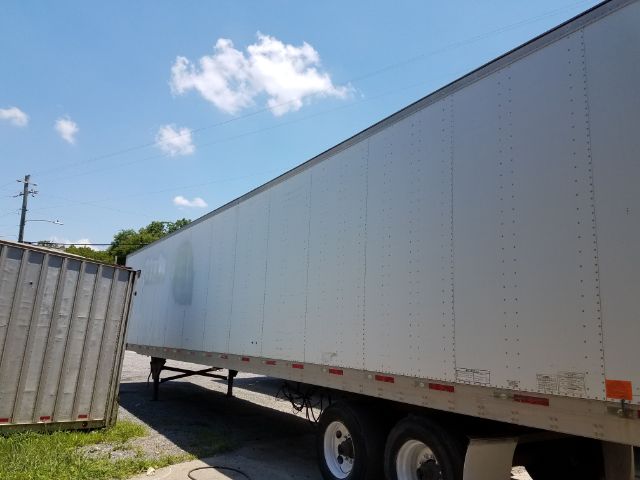
For enclosed freight trailers, interior build matters as much as the badge on the nose. Buyers should pay close attention to post spacing, floor type, lining material, and cargo control options. A 16-inch post layout is common for general dry freight, while 10-inch or 8-inch centers are often preferred for heavier paper loads or more demanding forklift traffic. Hardwood floors, plywood or composite linings, scuff bands, E-track, and logistic posts all affect how well a trailer handles repeated loading cycles and mixed cargo. Swing doors are standard on many van trailers, but roll-up doors can make sense for certain dock operations or route delivery work.
Suspension and running gear have a direct impact on maintenance cost and cargo protection. Air ride is often favored for more sensitive freight and better ride quality, while spring ride can still be a practical choice for fleets focused on simplicity and lower upfront cost. Hendrickson and similar suspension systems are common, and buyers should review brake percentage, drum condition, tire condition, wheel type, and whether the trailer has LED lighting and automatic slack adjusters. On used trailers, kingpin setting, crossmember spacing, roof material, and signs of floor repair or structural damage deserve a close inspection because those details influence both service life and resale value.
Georgia buyers should also think about freight mix, climate, and lane profile before choosing a trailer. Food-grade van trailers, sheet-and-post construction, translucent roofs, and different interior wall packages each fit a specific operation. A trailer used for warehouse-to-warehouse freight may need very different specs than one handling palletized beverages, paper rolls, or high-cycle retail freight. Clear title status, current inspections, and legal road readiness are just as important as length and price, especially for buyers adding equipment quickly or putting trailers straight into fleet service.
Frequently Asked Questions about Trailers Near Ranger, Georgia
What should I look for first when buying a used trailer?
Start with the trailer’s intended application, then inspect the structural and running gear components that affect uptime. Length, axle configuration, suspension type, kingpin setting, floor condition, roof condition, brakes, tires, and signs of past structural repair all matter. For enclosed trailers, the interior specification is critical because post spacing, floor construction, and cargo control systems determine how well the trailer will hold up under your freight mix.
What is the difference between air ride and spring ride on a trailer?
Air ride suspension generally provides better ride quality and helps reduce shock transferred to sensitive cargo. It is often preferred for higher-value freight, food products, and lanes where cargo protection matters most. Spring ride is simpler and can be less expensive to maintain upfront, but it usually delivers a harsher ride. The right choice depends on cargo type, lane conditions, and maintenance priorities.
Why does post spacing matter on a dry van trailer?
Post spacing affects sidewall strength, durability, and how the trailer performs under repeated forklift loading and heavier freight. Wider spacing such as 16-inch centers is common for standard dry freight, while tighter spacing such as 10-inch or 8-inch centers is often preferred for paper loads or more demanding applications. Tighter centers usually add durability, but they can also affect weight and cost.
Are cargo control features important on enclosed trailers?
Yes. Cargo control features such as E-track, logistic posts, scuff liners, and interior lining can make a major difference in load securement flexibility and trailer longevity. Fleets hauling mixed freight often benefit from more securement options because they can adapt the trailer to different customers and commodities. These features also help reduce wall damage and shifting cargo claims over time.
What trailer specs affect legal loading and scaling?
Axle placement, sliding tandem setup, kingpin setting, overall length, and trailer weight all influence legal loading. A sliding tandem helps operators adjust axle weights to meet bridge law and state requirements. Kingpin setting can also affect how well the trailer matches with a tractor and how easily weight can be distributed across the steer, drive, and trailer axles. Buyers running multi-state lanes should verify these specs before purchase.