
Trailers For Sale in Quebec
Browse trailers for sale in Quebec, including dry vans, reefers, and pup trailers with specs that matter for freight, compliance, and uptime.
Selling a trailer? List your trailer for sale and reach thousands of commercial buyers.
Trailers in Quebec
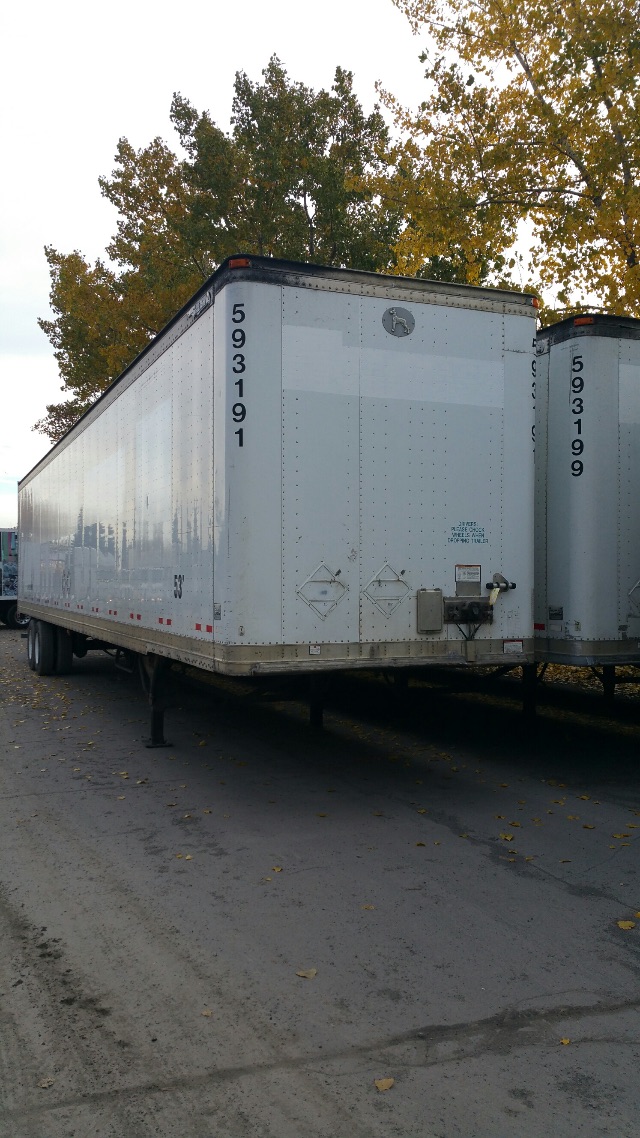
For many fleets, the key spec decisions come down to interior cube, tare weight, and how the trailer is equipped to handle loading abuse over time. Common van specs include 102-inch width, aluminum or composite construction, wood floors, plywood lining, scuff liners or scuff plates, threshold plates, E-track, and roll-up rear doors. Suspension is typically air ride or spring ride, with sliding tandems used to manage bridge laws and dock positioning. Buyers also pay attention to roof material, rear frame condition, floor crossmember integrity, kingpin area wear, and whether the trailer has tire inflation systems, side skirts, or low-profile 22.5 tires for fuel economy and operating efficiency.
In Quebec, seasonal conditions make structural condition and corrosion control more important than they might be in milder regions. Snow, road salt, freeze-thaw cycles, and rough yard surfaces can accelerate wear on landing gear, brake components, wiring, door hardware, and rear impact guards. Reefer buyers should look closely at insulation integrity, floor condition, door seals, and the refrigeration unit's hours and service history. Van buyers should still inspect roof bows, sidewalls, rivet lines, and swing or roll-up door operation, especially on trailers that have spent years in high-cycle regional freight. A clean spec sheet matters, but actual condition under the trailer often tells the real story.
The best trailer choice depends on freight profile, lane length, loading method, and maintenance strategy. A fleet focused on long-haul dry freight may prioritize lightweight 53-foot air ride vans with sliding tandems and aerodynamic skirts. A regional grocery or foodservice operation may lean toward reefers with durable floors, dependable unit performance, and strong insulation values. Urban and LTL work often favors pup trailers that are easier to position in tight areas. Across all trailer types, buyers should compare GVWR, axle configuration, floor rating, brake setup, tire size, wheel type, and dock compatibility to make sure the trailer fits both the freight and the operating environment.
Frequently Asked Questions about Trailers in Quebec
What types of trailers are most common for sale in Quebec?
The most common trailer types in Quebec are dry van trailers, refrigerated trailers, and pup trailers. Dry vans are the standard for general freight and retail distribution, while reefers are used for temperature-sensitive cargo such as food and pharmaceuticals. Pup trailers are shorter units often used in urban delivery, LTL service, and operations where maneuverability matters more than maximum cube.
What should I inspect first on a used trailer?
Start with the frame, crossmembers, floor, roof, suspension, brakes, and rear door area. On van and reefer trailers, buyers should pay close attention to the kingpin plate, tandem slider rails, landing gear, rear impact guard, and signs of corrosion around wiring, air lines, and structural connection points. In Quebec, salt exposure makes undercarriage condition especially important, so a solid underbody inspection can be more valuable than a clean exterior.
Is air ride or spring ride better on a trailer?
Air ride is generally preferred for higher-value or damage-sensitive freight because it provides a smoother ride and better cargo protection. Spring ride is simpler and can be less expensive to maintain, but it typically transfers more road shock into the trailer and cargo. The better choice depends on your freight, lane conditions, and maintenance priorities rather than price alone.
What features matter most on a dry van trailer?
The most important dry van features usually include length, width, interior height, floor condition, lining, scuff protection, door style, tandem slider setup, and suspension type. Buyers also look for practical options such as E-track, tire inflation systems, side skirts, and low-profile tires. For fleet use, door seal condition, floor repairs, and rear frame wear often matter more than cosmetic appearance.
What is the advantage of a refrigerated trailer compared with a dry van?
A refrigerated trailer allows controlled transport of perishable or temperature-sensitive products and adds insulation that helps maintain a stable cargo environment. That makes it essential for grocery, produce, frozen goods, dairy, and many pharmaceutical applications. The tradeoff is higher purchase price, more maintenance, and the need to evaluate both the trailer body and the refrigeration unit as separate systems.