
Used Pup Trailers For Sale
Browse used pup trailers for sale, including 28-foot dry van pups with single-axle setups, pintle hitches, roll doors, and dock-ready specs.
No exact matches found for your search
Showing Trailers instead.
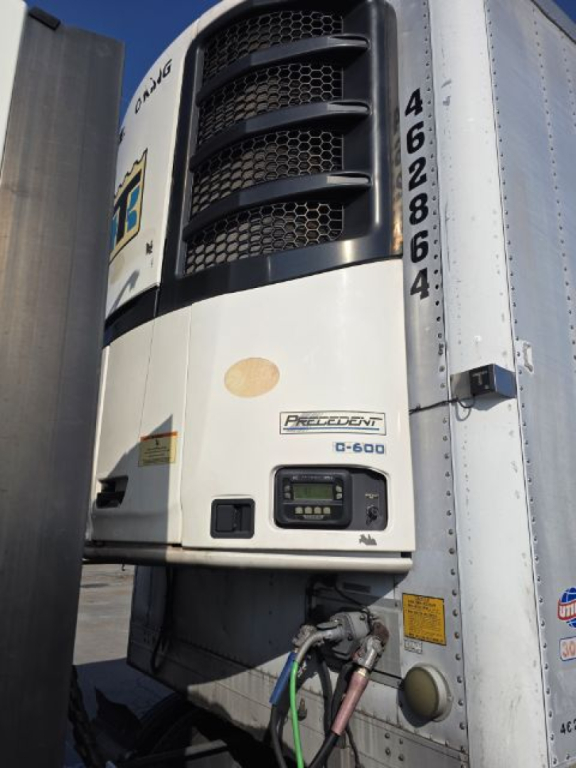
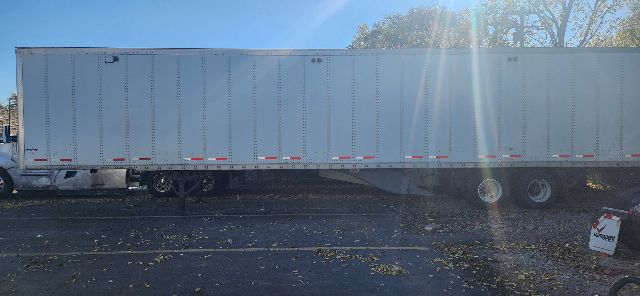
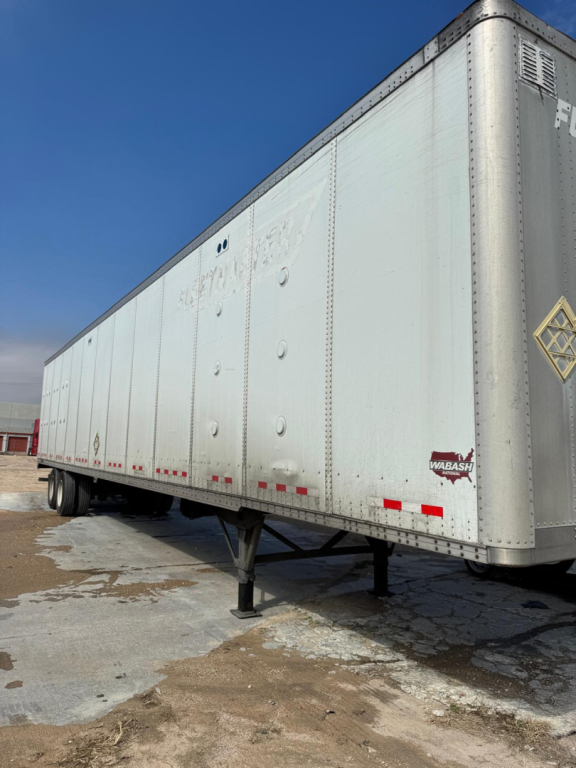
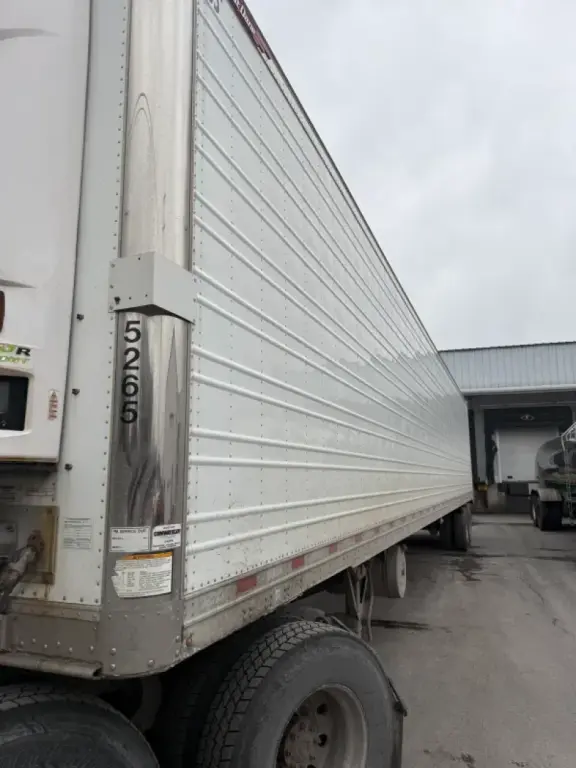
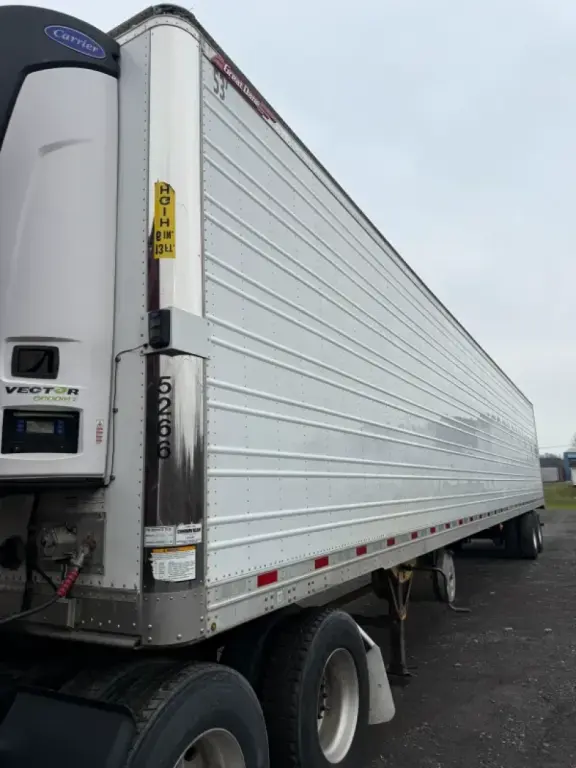
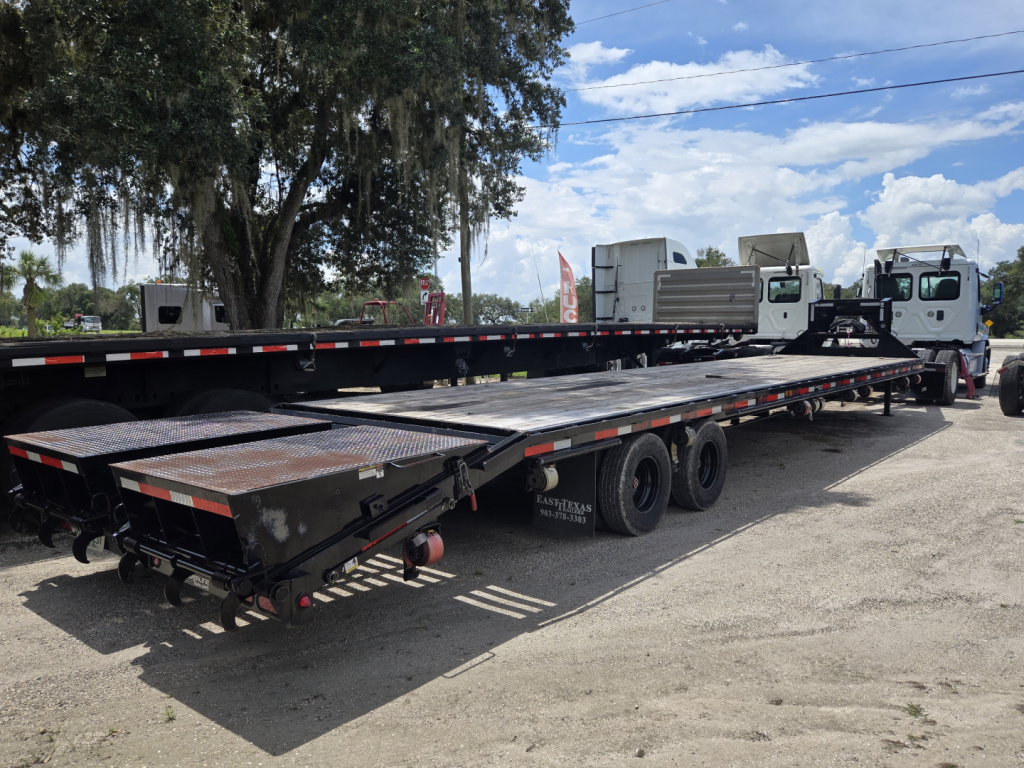
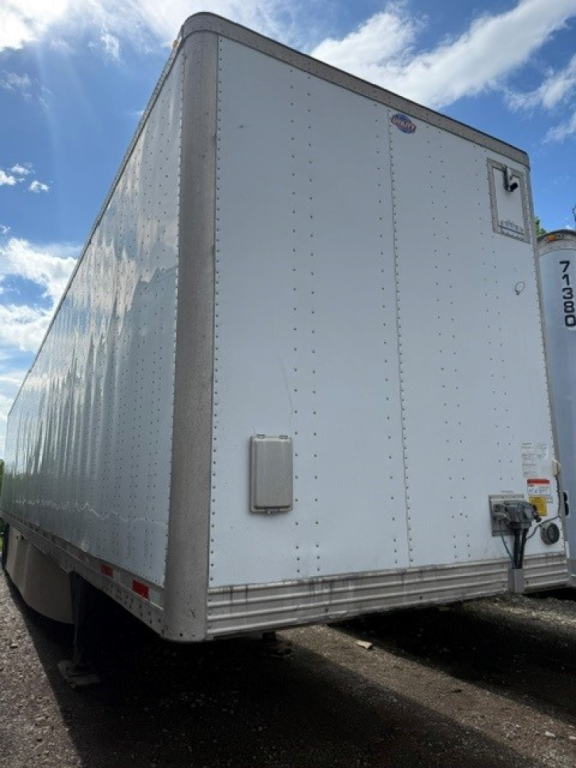
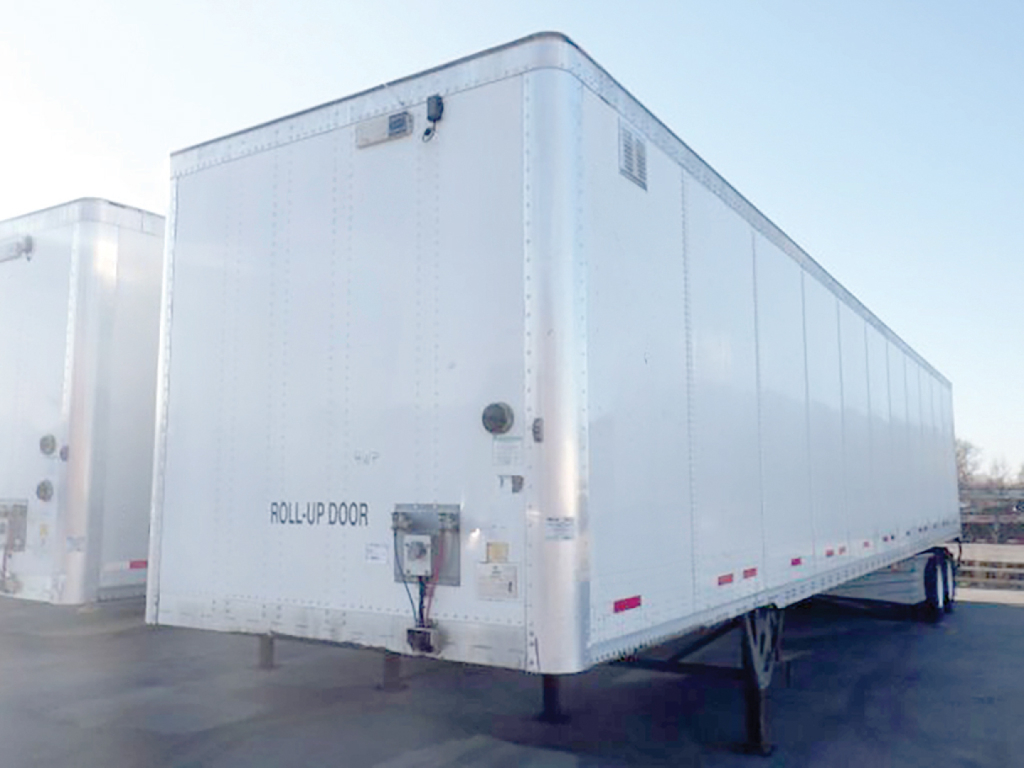
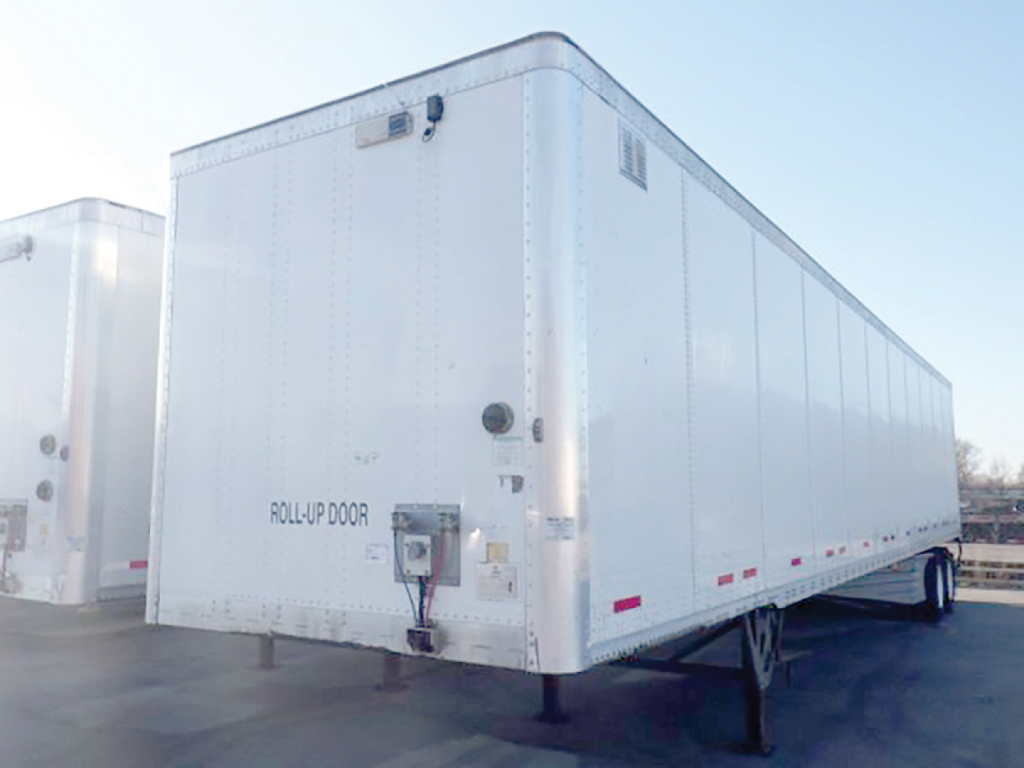
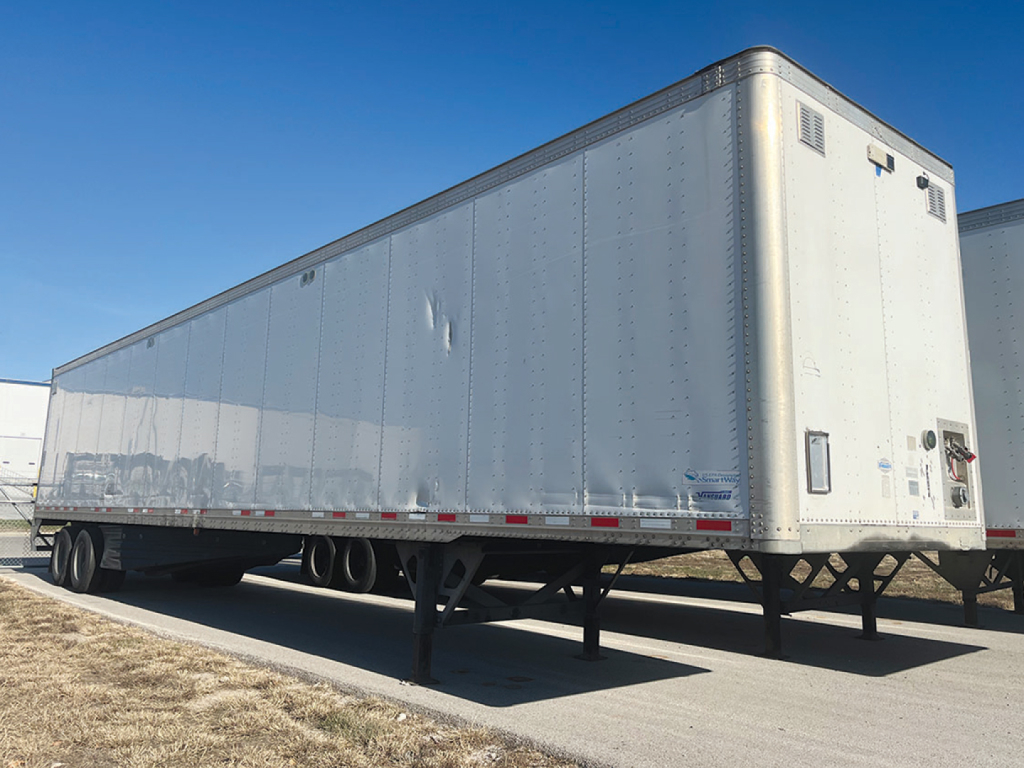
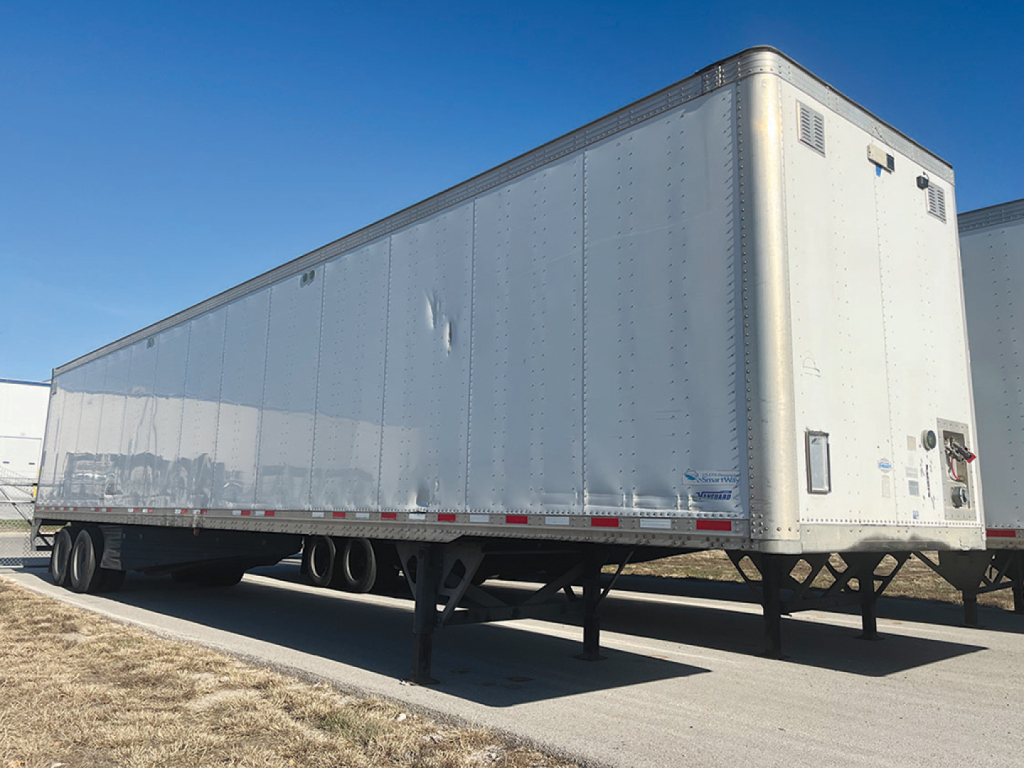
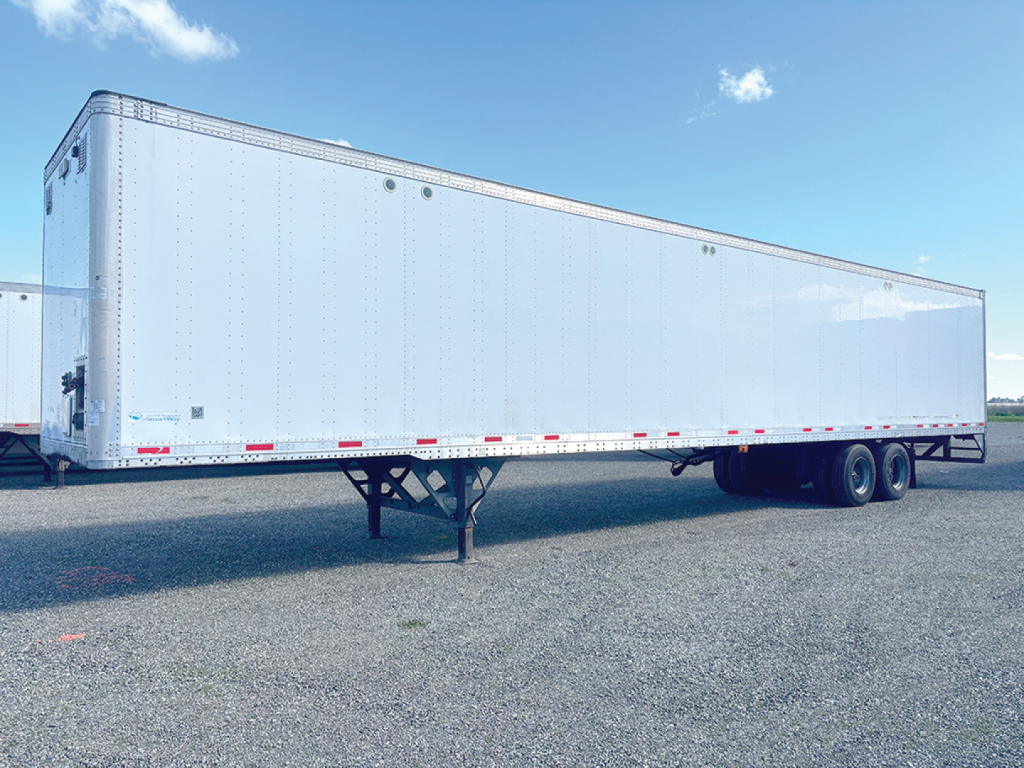
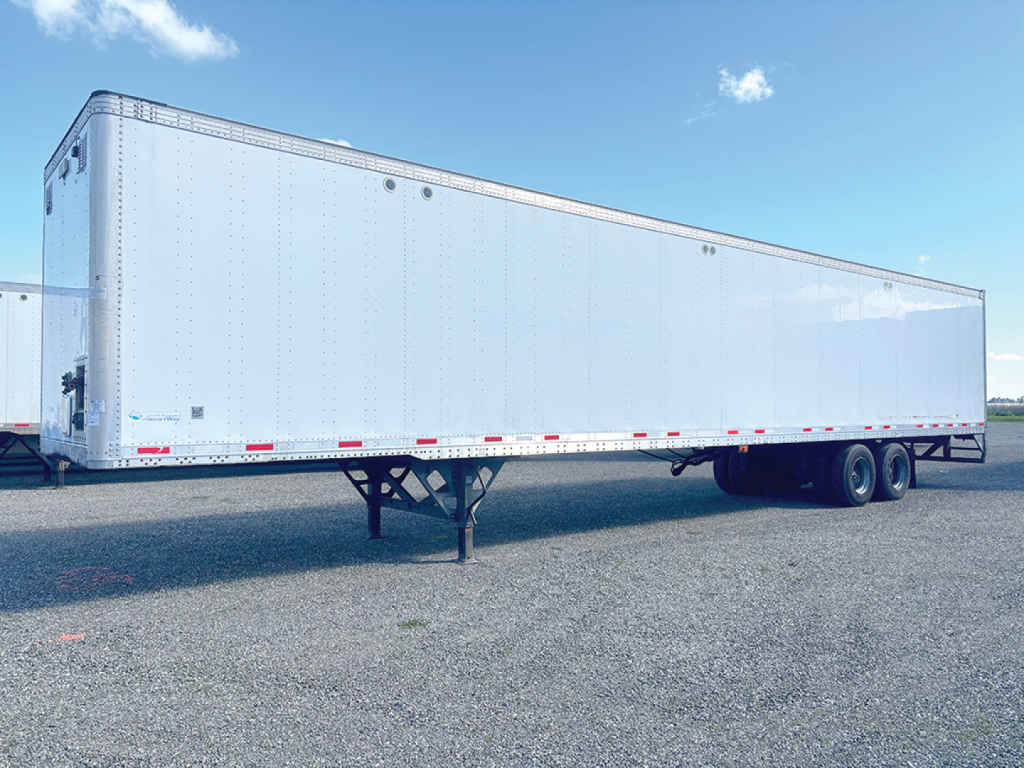
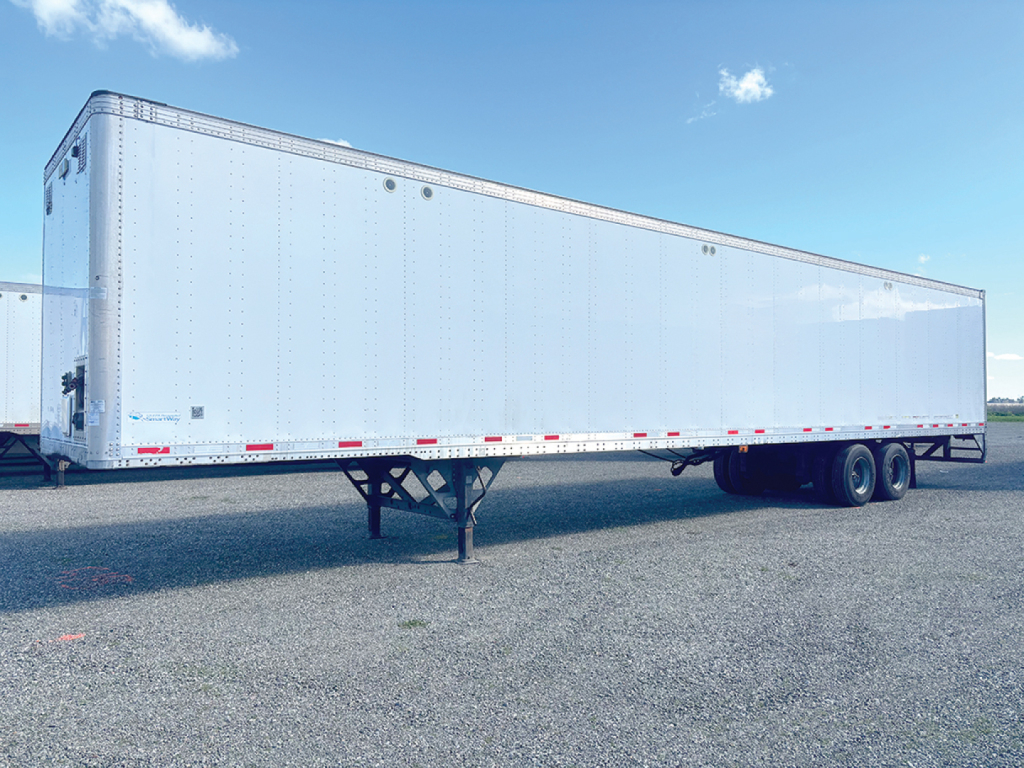
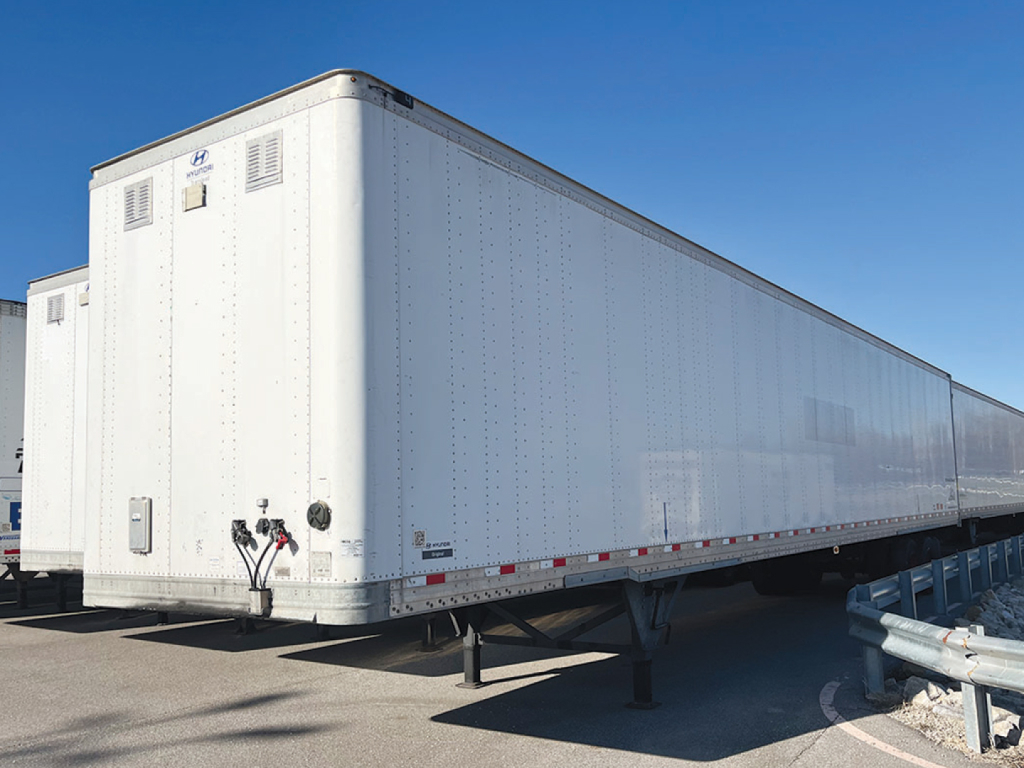
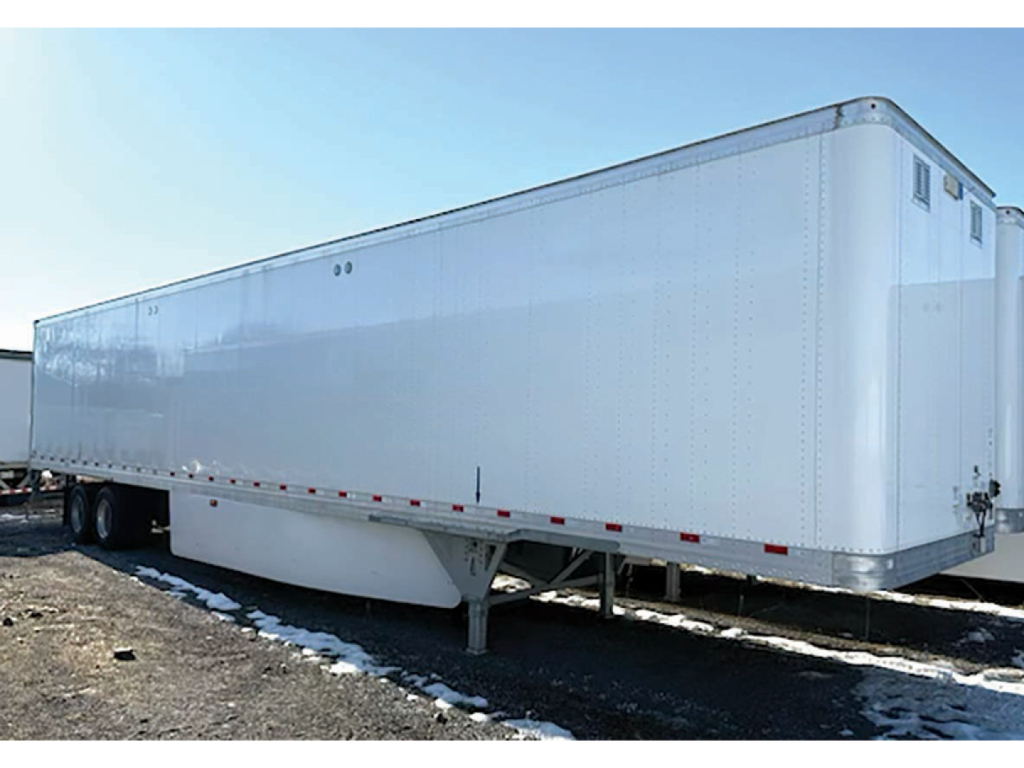
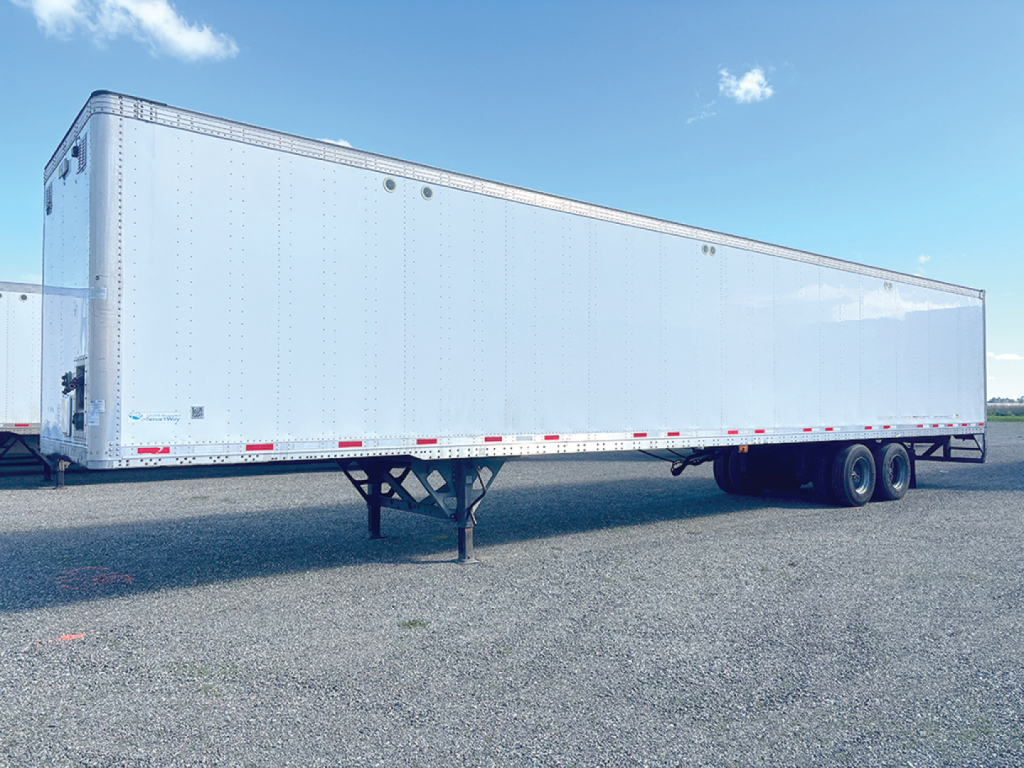
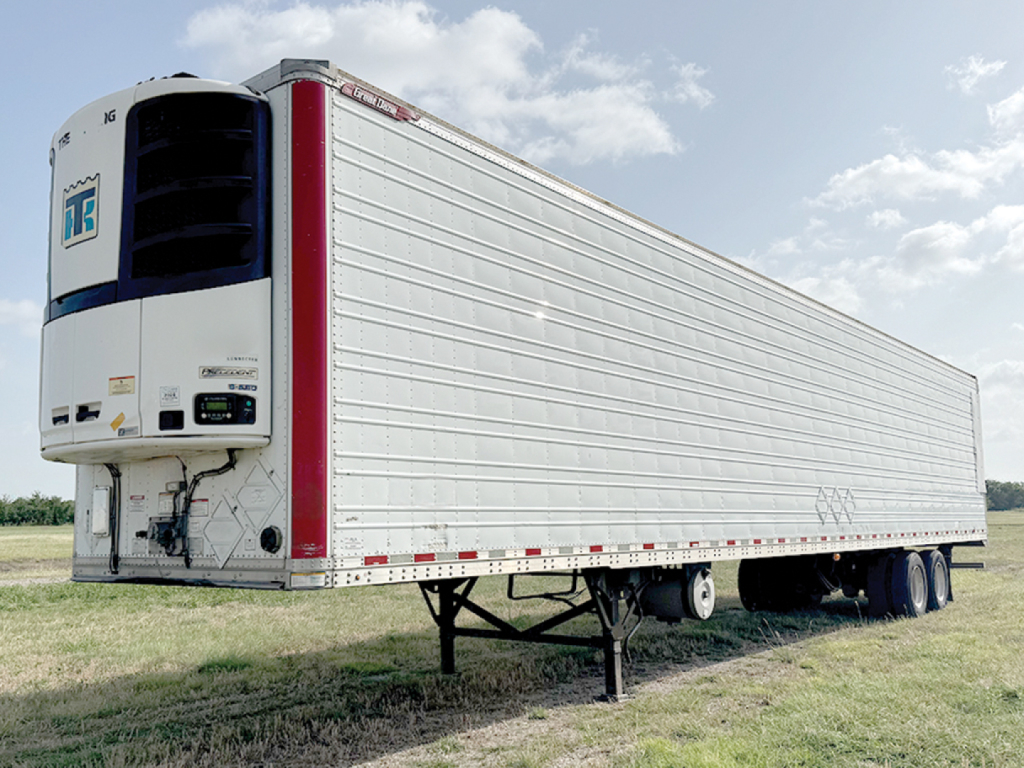
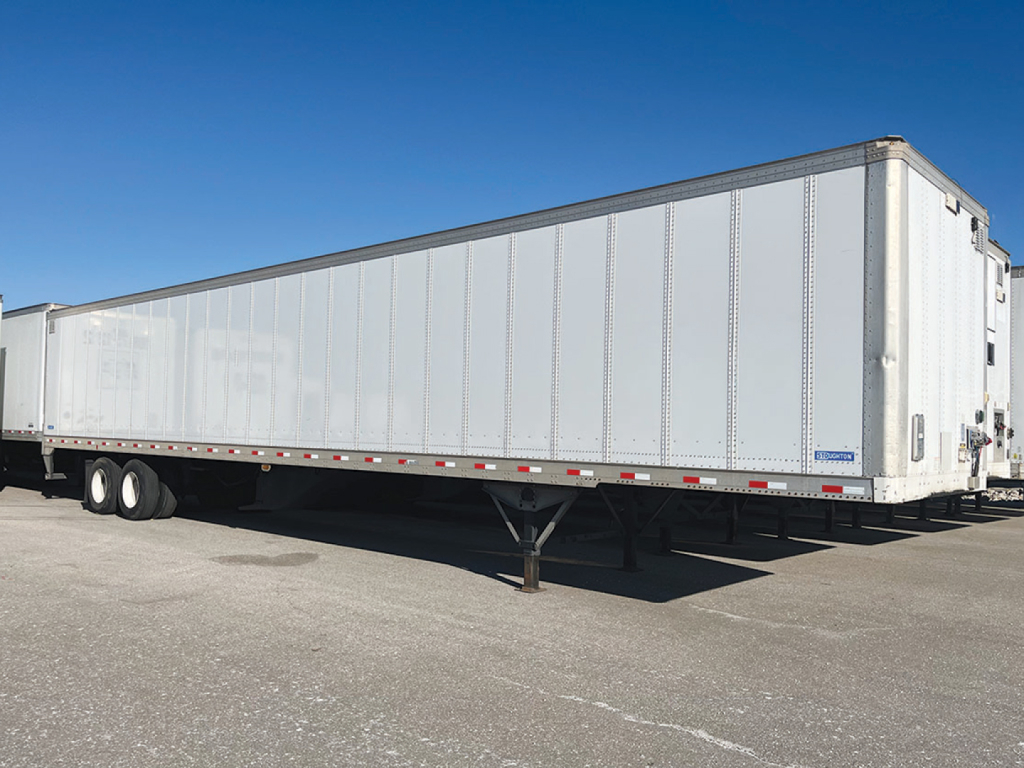
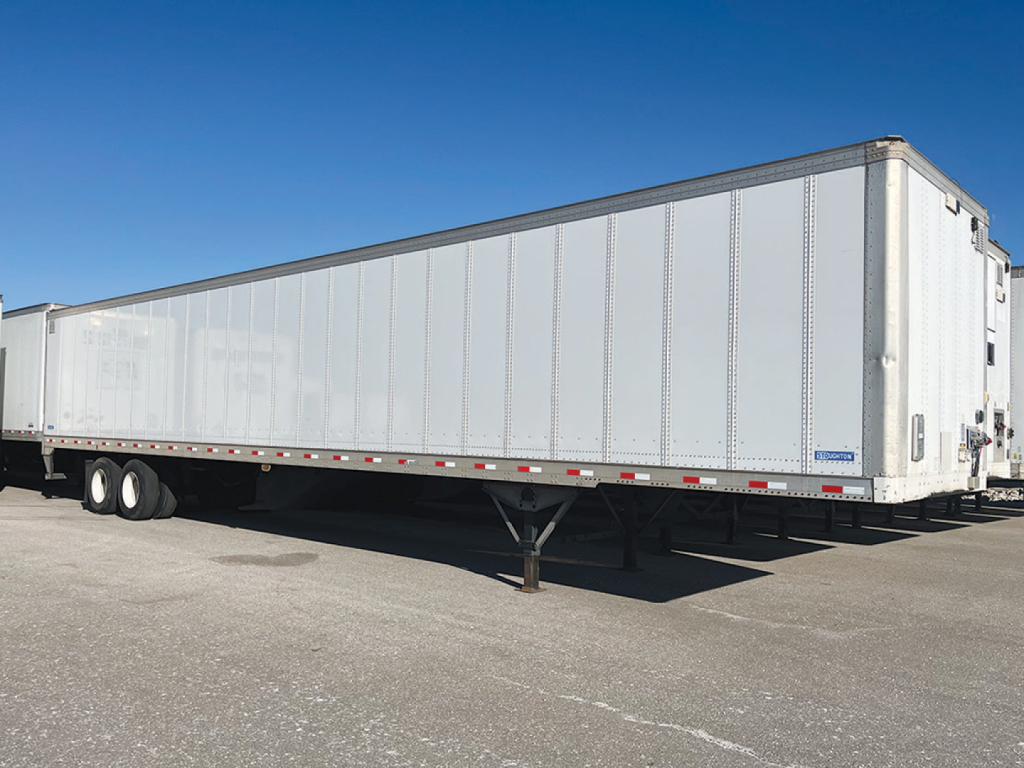
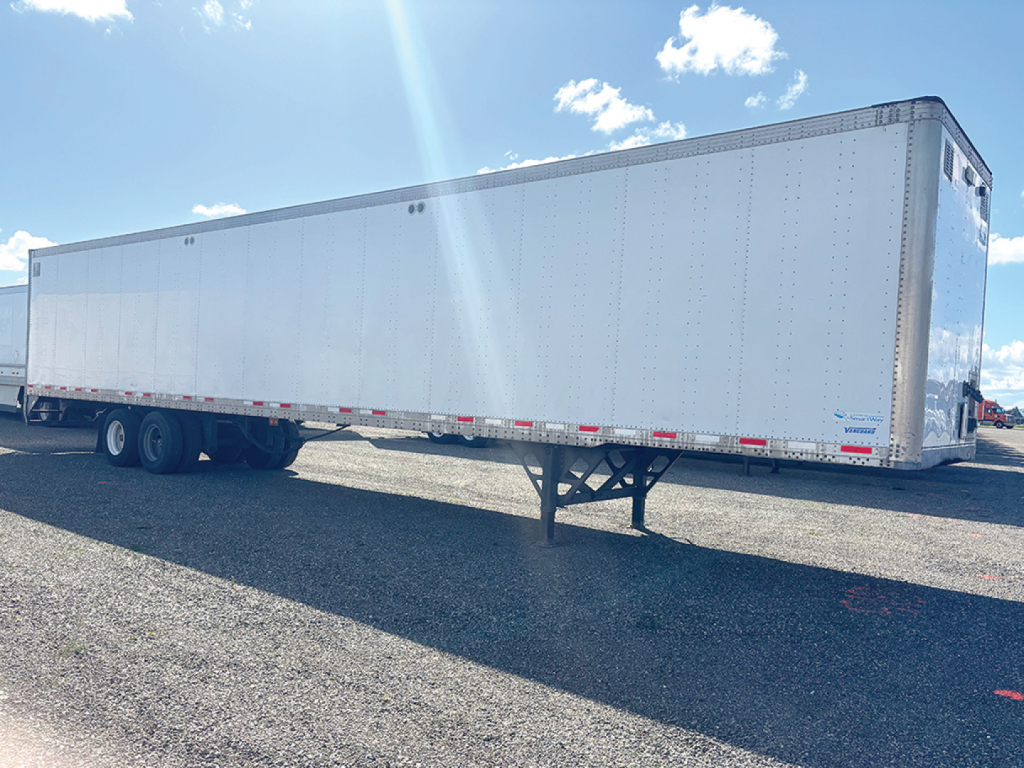
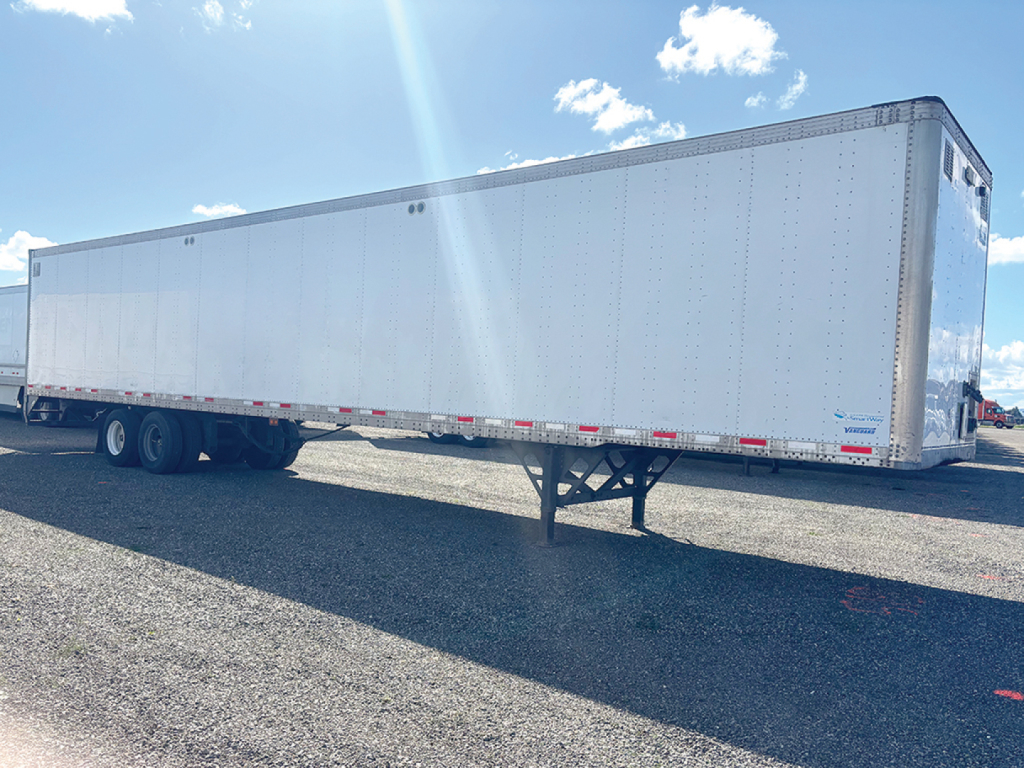
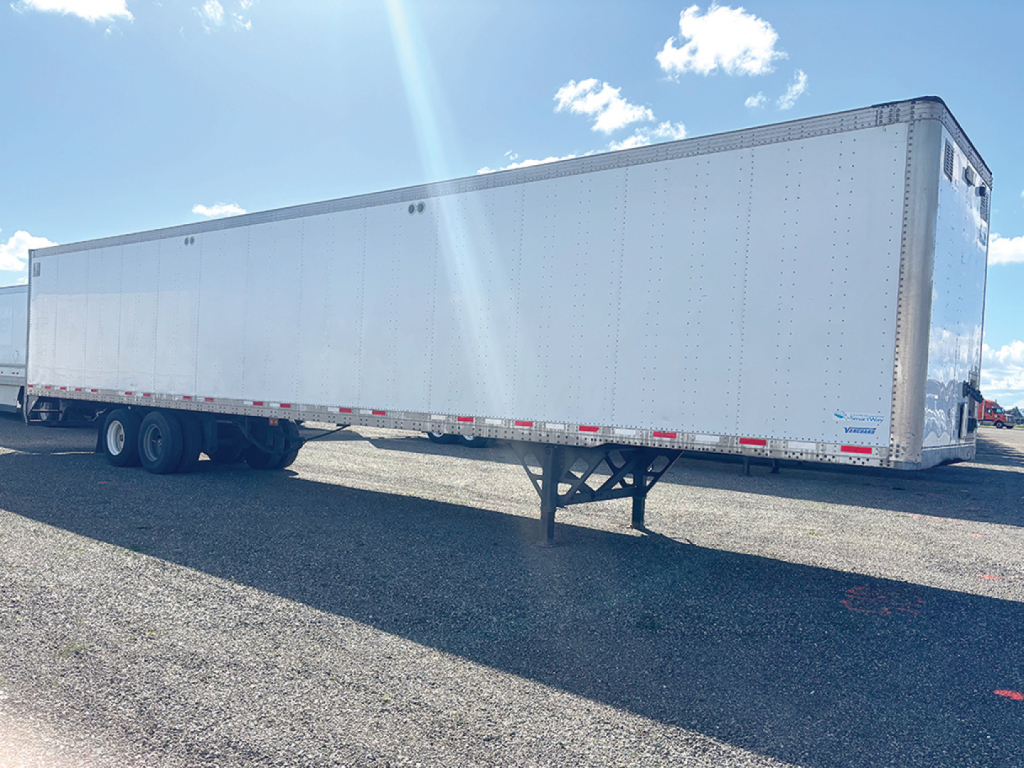
Showing 1 to 28 of 1,943 results
Selling a used pup trailer? List your used pup trailer for sale and reach thousands of commercial buyers.
Used Pup Trailers
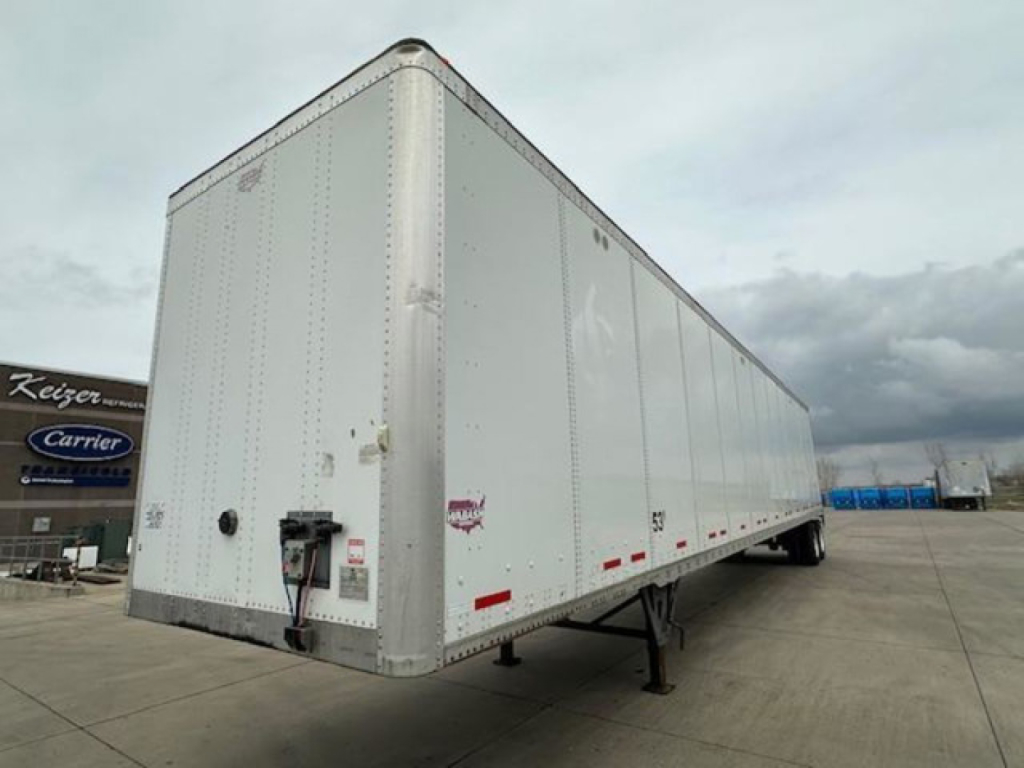
Dry van pup trailers are especially common in LTL, terminal-to-terminal, and route delivery fleets. Key construction details include plate or sheet-and-post sidewalls, logistic posts, wood floors, wearbands, aluminum roofs, and roll-up rear doors. If the trailer will see repeated forklift traffic, floor condition and crossmember integrity deserve close attention. Dock operations also make rear frame condition, door opening square, and threshold wear important inspection points. A pintle hitch setup is typical on pups used in doubles combinations, so buyers should confirm drawbar condition, eye size, and compatibility with the rest of the combination.
Spec decisions on a used pup trailer should match freight density and lane profile. Low-profile 22.5 rubber is common on city and regional van pups because it helps maintain dock-friendly deck height. Spring ride suspensions are straightforward and durable, but suspension condition, bushing wear, and axle alignment matter as much as the design itself on a used trailer. Tire inflation systems are a valuable feature on high-mileage fleets because they help control irregular wear and roadside downtime. Wheel type, brake condition, roof bows, sidewall repairs, and evidence of prior body damage all affect remaining service life and maintenance cost.
A good used pup trailer should fit the freight network, not just the budget. For LTL and P&D work, buyers typically compare interior cube, tare weight, turning radius, and how easily the trailer backs into older docks and congested customers. Dry van pups also need enough interior structure for load securement and enough exterior durability to handle repeated terminal handling. When comparing listings, pay close attention to trailer length, axle count, door style, floor type, suspension, and coupling hardware, because small spec differences can change how well a pup performs in doubles service or local route work.
Frequently Asked Questions about Used Pup Trailers
What is a pup trailer used for?
A pup trailer is a short trailer, often 28 feet in length, used primarily in LTL, pickup and delivery, and doubles operations. Its shorter wheelbase makes it easier to maneuver in city streets, terminal yards, and older dock locations where a full-length van trailer can be harder to place. Pup trailers are commonly used for regional freight, terminal transfers, and route-based delivery work where frequent stops and tight turns are part of the job.
How long is a typical dry van pup trailer?
A typical dry van pup trailer is about 28 feet long and 102 inches wide, although exact dimensions can vary by manufacturer and application. That size is popular because it balances cargo space with maneuverability and works well in doubles combinations. Buyers should still verify overall length, kingpin or drawbar setup, and interior dimensions because small differences can affect route compatibility, dock fit, and freight capacity.
Is a single-axle or tandem-axle pup trailer better?
The right choice depends on payload and operating conditions. A single-axle pup trailer is lighter, simpler, and often well-suited for lighter freight and urban route work where turning ability is important. A tandem-axle pup trailer can provide better weight distribution and may be the better fit for heavier or denser freight. The tradeoff is usually higher tare weight and potentially more maintenance points.
What should I inspect on a used pup trailer before buying?
The most important inspection areas are the floor, crossmembers, suspension, axle alignment, brakes, tires, rear frame, and coupling components. On dry van pups, buyers should also check sidewall condition, roof integrity, roll door operation, threshold wear, and signs of repeated forklift damage. If the trailer is used in doubles service, the pintle hitch, drawbar, and related hardware should be inspected closely for wear, deformation, and proper compatibility.
Are tire inflation systems worth having on a used pup trailer?
Tire inflation systems can be a strong value on a used pup trailer, especially in regional or high-mileage fleet service. These systems help maintain proper tire pressure, which can reduce irregular wear, improve casing life, and lower the risk of roadside failures. On a used trailer, buyers should confirm the system is complete and functioning properly, because a damaged or neglected inflation system will not deliver the expected maintenance benefits.