
Trailers For Sale Near Pueblo, Colorado
Have trailer to sell? List it here to reach thousands of buyers.
Trailers Near Pueblo, Colorado
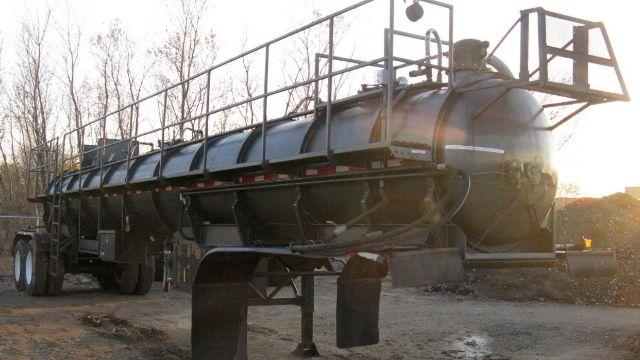
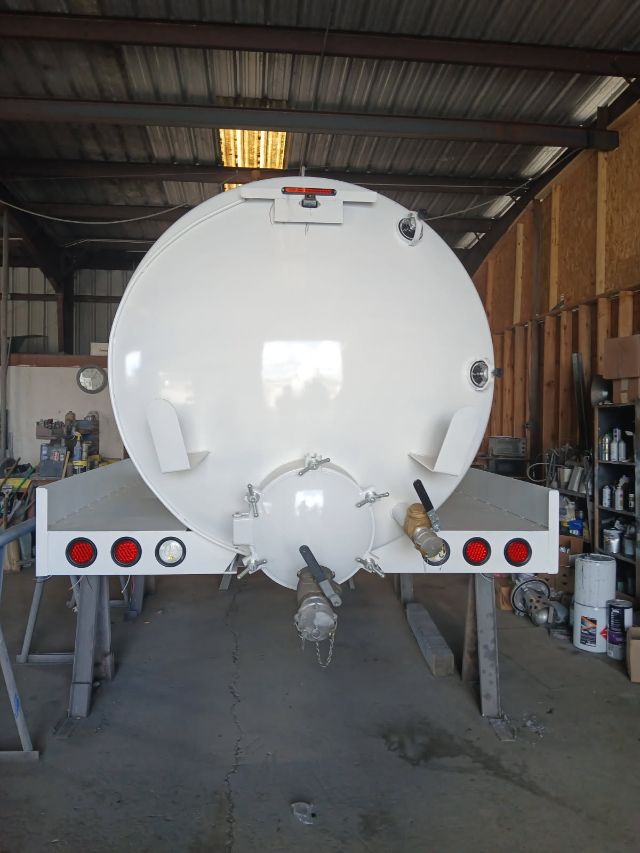
A good trailer purchase starts with matching the trailer to the freight, not just the price. Deck length, trailer height, GVWR, axle spread, kingpin setting, and overall tare weight directly affect payload and route flexibility. Flatbeds and step decks need close attention to crossmember spacing, deck material, rub rails, winch tracks, and stake pockets. Dry vans and reefers should be checked for roof and wall condition, door seal integrity, floor wear, and rear frame damage from dock impact. Tank trailers and vacuum trailers require an even more technical review, including shell condition, piping, pump or blower specifications, pressure rating, hose storage, and compliance details tied to the product being hauled.
In Pueblo, many buyers are balancing regional construction, agriculture, oilfield support, and general freight needs, so durability matters as much as spec. Suspension can be spring ride or air ride depending on cargo sensitivity and road conditions. Brake systems, ABS function, wheel-end condition, and lighting reliability are basic checkpoints on any used trailer. On heavier vocational units, look closely at landing gear, frame rail repairs, subframe condition, and signs of cracking around suspension hangers or kingpin areas. Corrosion, previous weld repairs, and uneven tire wear can reveal how the trailer was loaded and maintained over time.
The best trailer for one operation may be the wrong fit for another, even when dimensions look similar on paper. Buyers should compare payload capacity, empty weight, loading style, securement requirements, and maintenance complexity before choosing between general freight and specialty equipment. A trailer with the right axle layout, brake package, structural condition, and application-specific equipment will usually create more value than a lower-cost unit that is poorly matched to the work.
Frequently Asked Questions about Trailers Near Pueblo, Colorado
What types of trailers are commonly found for sale in Pueblo, Colorado?
Buyers in Pueblo commonly search for flatbed trailers, step decks, dry vans, reefers, dump trailers, lowboys, equipment trailers, tank trailers, and vacuum trailers. The mix reflects the region’s combination of general freight, construction, agriculture, and vocational hauling. Availability can vary by season and local demand, so buyers should focus on application, legal weight needs, and trailer condition before narrowing by price alone.
What should I inspect first on a used trailer?
Start with the structural components. Check the frame rails, crossmembers, suspension hangers, kingpin area, landing gear mounts, and rear impact structure for cracks, corrosion, or poor-quality weld repairs. After that, inspect brake components, tires, wheel ends, lights, floors, doors, and any application-specific equipment such as tarping systems, lift axles, blowers, pumps, or refrigeration units. Structural damage and neglected running gear usually cost more to correct than cosmetic defects.
How do I choose the right trailer axle setup?
Axle configuration should match the weight of the freight, the way the load is distributed, and the roads the trailer will run. Tandem axles are common for general freight, while spread axles, tri-axles, or lift axle setups may be used to improve weight distribution or support heavier vocational work. The right setup depends on payload targets, bridge law considerations, turning radius needs, tire scrub tolerance, and how often the trailer operates on tight jobsites versus open highway.
Are specialty trailers like tankers and vacuum trailers harder to evaluate?
Yes. Specialty trailers require more than a standard walk-around because the equipment package is part of the trailer’s value. On tankers and vacuum trailers, buyers should verify tank capacity, pressure or vacuum ratings, shell condition, piping layout, couplers, pump or blower make and model, hose storage, and any product or temperature limitations. Maintenance records and compliance details are especially important because repairs on specialty systems can be expensive and downtime can be significant.
Why does tare weight matter when buying a trailer?
Tare weight is the empty weight of the trailer, and it directly affects how much legal payload the combination can carry. A heavier trailer may offer more durability or specialized equipment, but it can also reduce revenue-generating payload on every trip. Buyers should compare tare weight against frame strength, axle rating, suspension type, and intended cargo to make sure the trailer supports the job without sacrificing too much usable capacity.