
Unknown Pneumatic - Dry Bulk Trailers For Sale
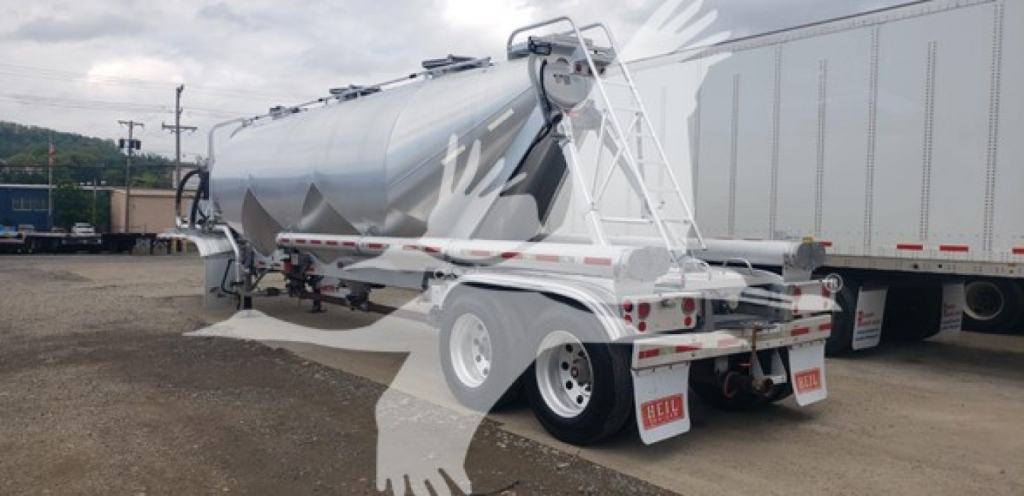
Have unknown pneumatic - dry bulk trailer to sell? List it here to reach thousands of buyers.
Unknown Pneumatic - Dry Bulk Trailers
Capacity and construction matter more in this category than a simple length comparison. Aluminum barrels are common because they keep tare weight down and help maximize payload, while steel piping, tees, and reinforced discharge plumbing are often preferred where abrasion is a concern. Three-hopper and multiple-cone configurations are common on sand and bulk powder trailers because they improve material flow to the discharge system. Buyers should pay close attention to total cubic capacity, number of manholes or air lids, barrel condition, and whether the trailer uses flow cones or another aeration setup to keep product moving efficiently.
The discharge system is where a pneumatic trailer earns its keep. Rear discharge plumbing, butterfly valves, top air controls, hose tube storage, and gauge placement all affect unloading speed and day-to-day usability. Some operations pair the trailer with a tractor-mounted blower, while others need to verify compatibility with customer-supplied air. If the trailer will haul abrasive material like sand, inspect the piping, elbows, valves, and hopper interiors carefully for wear. Suspension type, axle count, tire size, wheel material, and brake condition also matter because these trailers often run heavy and operate in jobsite, plant, and oilfield environments where durability is critical.
A good pneumatic dry bulk trailer should match the commodity, unloading method, and route profile. Buyers comparing listings should look beyond year and price and focus on barrel material, cubic capacity, hopper count, discharge layout, suspension spec, and signs of prior product wear. Details like catwalks, ladders, full fenders, lighting, and hose storage add practical value, but the core buying decision is still about payload efficiency, reliable aeration, and a discharge system that fits the material being hauled.
Frequently Asked Questions about Unknown Pneumatic - Dry Bulk Trailers
What is a pneumatic dry bulk trailer used for?
A pneumatic dry bulk trailer is used to haul dry materials that can be unloaded with compressed air through a sealed piping system. Typical commodities include cement, lime, fly ash, frac sand, plastic pellets, flour, and similar dry bulk products. These trailers are designed for operations that need cleaner handling, controlled unloading, and delivery into silos, bins, or pressurized receiving systems.
What should I look at first when buying a used dry bulk trailer?
Start with the commodity history, barrel material, cubic capacity, hopper design, and discharge system layout. Product history is important because abrasive materials like sand can wear out piping, elbows, valves, and hopper interiors faster than lighter products. After that, inspect suspension, axle configuration, brakes, wheels, tires, landing gear, and overall structural condition, including the subframe, end frames, and weld areas.
How do sand tanks differ from other pneumatic dry bulk trailers?
Sand tanks are a type of pneumatic dry bulk trailer built specifically for hauling sand, including frac sand in many applications. They often feature heavy-duty discharge plumbing, multiple hoppers, and layouts designed to handle dense, abrasive material. Compared with general-purpose powder tanks, sand tanks may show more reinforcement in high-wear areas and are typically judged heavily on pipe condition, valve wear, and how well the aeration system moves heavier product.
Is aluminum or steel better for a pneumatic bulk trailer?
Aluminum is common for the barrel because it reduces empty weight and can improve payload. Steel is often used in piping and wear components because it stands up better to abrasion, especially in sand service. The better choice depends on what the trailer hauls. Buyers moving abrasive products usually pay close attention to where steel has been used in the discharge system, while buyers focused on maximizing legal payload often favor aluminum barrel construction.
Do pneumatic dry bulk trailers need a blower to unload?
Yes, pneumatic unloading depends on an air source to move product out of the hoppers and through the discharge piping. In many operations that air comes from a tractor-mounted blower, but some facilities provide their own air supply. Before buying, confirm the trailer's plumbing, valves, and connections match the unloading setup used in your operation, because compatibility affects unload time, product flow, and overall efficiency.