
Used Heil Pneumatic - Dry Bulk Trailers For Sale in Kentucky
Shop used Heil pneumatic dry bulk trailers, including common specs, applications, tank sizes, blower needs, and inspection points for bulk haulers.
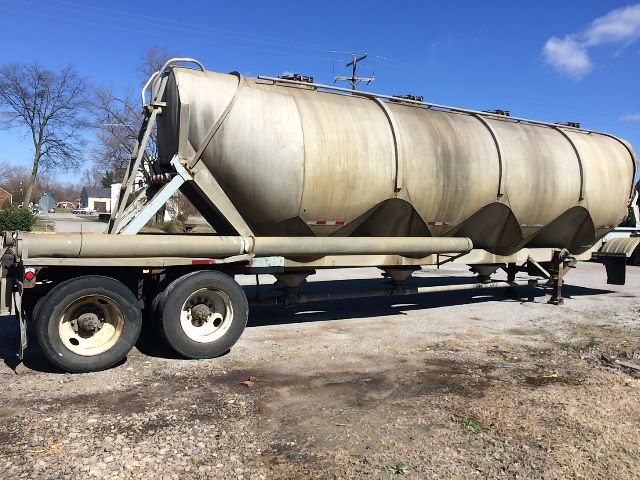
Have used heil pneumatic - dry bulk trailer to sell? List it here to reach thousands of buyers.
Used Heil Pneumatic - Dry Bulk Trailers in Kentucky
On a used pneumatic trailer, the tank itself matters as much as the running gear. Buyers should pay close attention to barrel condition, weld history, internal cleanliness, hopper layout, cone condition, aeration system, piping, and valves. Discharge speed and complete cleanout depend heavily on the condition of the product lines, manifolds, hoses, relief valves, and pressure gauges. If the trailer has been hauling abrasive materials, inspect the piping and hopper areas closely for thinning and wear. If it has been hauling food-grade or plastic products, residue control and prior commodity history become more important. Tank capacity on older Heil units often falls into ranges such as 1,000 to 1,500 cubic feet, but the right size depends on what you haul and how often you load and unload in a day.
Kentucky buyers often need a trailer that can handle a mix of short regional turns and interstate bulk work across the Ohio Valley and Southeast. That puts extra focus on suspension condition, brake life, tire match, frame integrity, and overall ease of service. Many dry bulk operators also evaluate whether the trailer is set up for their current blower package and hose arrangement, since blower compatibility, discharge pressure requirements, and line size all affect unload times at the customer site. A trailer that looks acceptable on the outside can still create costly delays if gauges are inaccurate, valves leak, or the aeration system is weak.
A good used Heil pneumatic dry bulk trailer is usually judged on three things: structural condition, discharge efficiency, and service records. Look for evidence of regular brake work, bushing and suspension maintenance, drum and tire replacement, and any documented repairs to the tank or plumbing. It also helps to confirm prior commodity use, current pressure system function, and whether the trailer has the capacity and axle setup that match your target freight. Buyers comparing multiple listings should focus less on age alone and more on maintenance history, pressure integrity, and how well the trailer fits the density and unload requirements of the product they plan to move.
Frequently Asked Questions about Used Heil Pneumatic - Dry Bulk Trailers in Kentucky
What commodities are commonly hauled in a Heil pneumatic dry bulk trailer?
Heil pneumatic dry bulk trailers are commonly used for cement, fly ash, lime, sand, plastic resin, soda ash, flour, and similar dry bulk products. The exact commodity matters because product density, abrasiveness, and cleanliness requirements directly affect the trailer specification you need. Abrasive products increase wear in cones, elbows, and discharge piping, while food-grade and resin applications place more emphasis on contamination control and tank cleanliness.
What should I inspect first on a used pneumatic dry bulk trailer?
Start with the tank, discharge system, and maintenance history. Inspect the barrel, hoppers, welds, valves, pressure relief components, aeration system, hoses, gauges, and product lines for leaks, wear, or poor repairs. Then review brakes, tires, suspension, frame condition, and axle setup. A used dry bulk trailer can have acceptable cosmetics but still perform poorly if the pressure system is weak or the plumbing is worn from abrasive material.
How do I choose the right cubic-foot capacity for a dry bulk trailer?
Choose capacity based on the commodity's density and the legal weights in your operating area. Lower-density products may require more cubic capacity to maximize each trip, while heavier commodities can gross out before the tank is full. That is why buyers should look at both cubic-foot rating and axle configuration, not capacity alone. The right trailer is the one that balances legal payload, unload efficiency, and the freight mix you expect to haul most often.
Does blower compatibility matter when buying a used pneumatic trailer?
Yes. The trailer, blower, plumbing, and customer unload requirements all need to work together. Line size, pressure needs, hose layout, and valve configuration affect unload speed and product flow. If the trailer is not well matched to your tractor blower setup or your customers' discharge expectations, unload times can increase and product handling can become inconsistent. Confirm the trailer's pressure system components and intended discharge setup before purchase.
Are older Heil pneumatic trailers still a practical buy?
They can be, provided the tank structure, running gear, and discharge system have been maintained properly. Many older Heil trailers remain in service because dry bulk tanks can deliver long useful life when repairs are done correctly and wear items are replaced on schedule. Age by itself is less important than pressure integrity, prior commodity use, documented maintenance, and the condition of the valves, piping, suspension, brakes, and tires.