
Used Heil Pneumatic - Dry Bulk Trailers For Sale
Browse used Heil pneumatic dry bulk trailers. Compare cube capacity, hopper layout, discharge setup, suspension, and condition details.
Selling a used heil pneumatic - dry bulk trailer? List your used heil pneumatic - dry bulk trailer for sale and reach thousands of commercial buyers.
Used Heil Pneumatic - Dry Bulk Trailers
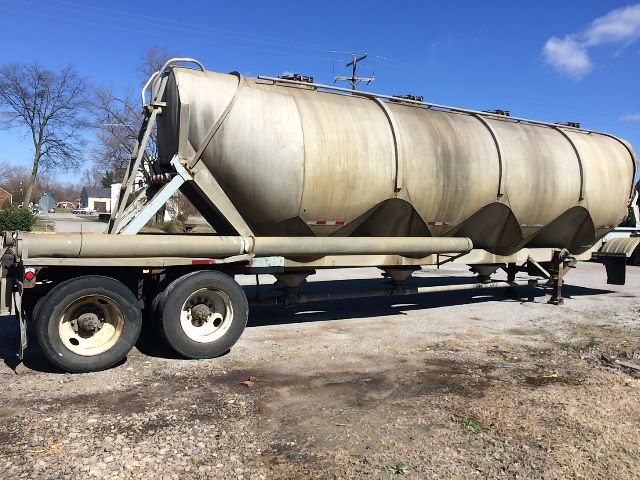
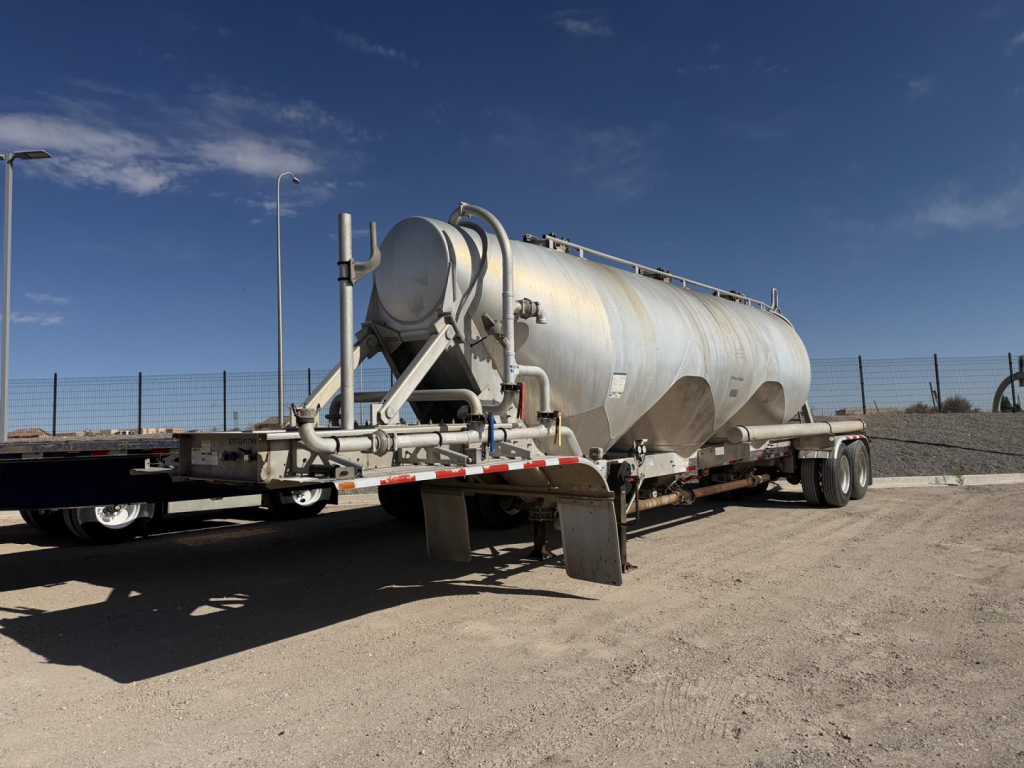
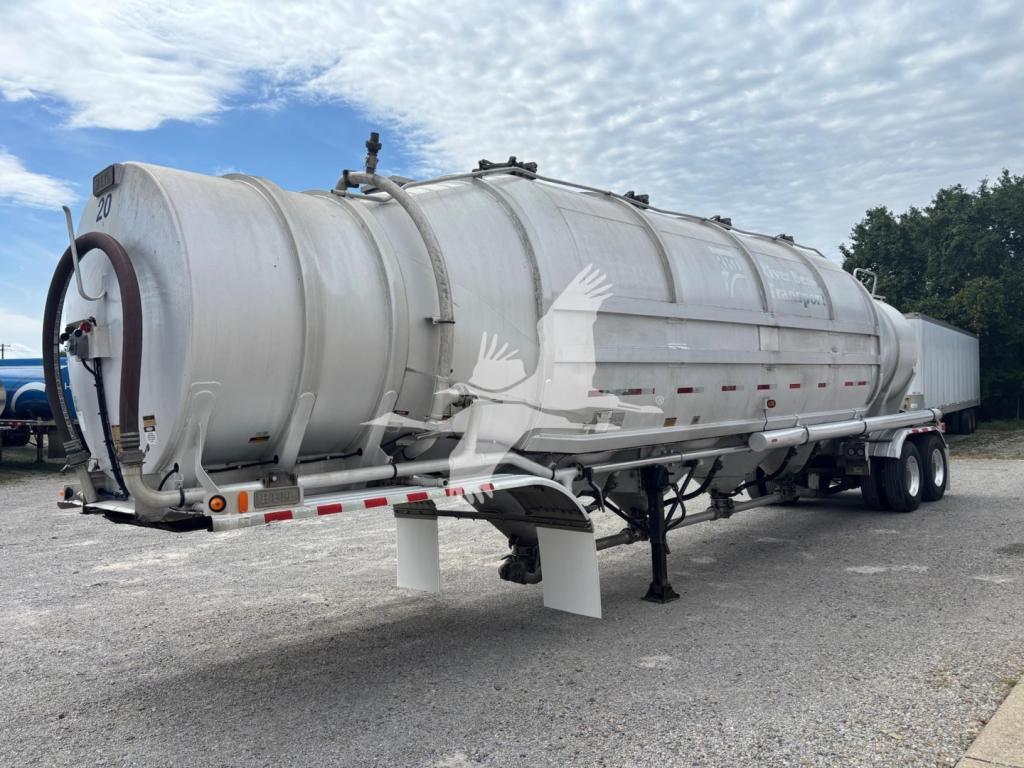
The key spec decisions are tank volume, number of hoppers, discharge configuration, and overall trailer length. Many used Heil pneumatics fall in the 1,000 to 1,500 cubic foot range, with tandem axle layouts and either center or rear discharge depending on the commodity and plant setup. Hopper count matters because it affects cleanout, flow characteristics, and how evenly product moves during unloading. Rear discharge units are common in bulk pneumatic work, but the trailer still needs to match your blower setup, plumbing, valves, and target pressures. Dome lid count, line condition, tank and line pressure gauges, and the condition of aeration pads all matter because unloading performance is where these trailers earn their keep.
On a used trailer, condition is more important than age alone. Buyers should inspect the tank shell, subframe, crossmembers, hopper cones, piping, elbows, and valves for wear, patches, corrosion, and product abrasion. Dry bulk service can be hard on interior surfaces and discharge plumbing, especially with abrasive commodities. Suspension type, axle spacing, brake life, drum or rotor condition, wheel-end history, and tire size also affect operating cost and lane flexibility. Air ride suspension is common because it helps protect the tank and improves handling. It is also smart to confirm outlet sizes, manhole condition, gasket sealing, and any evidence of moisture intrusion, since dry product contamination can create expensive problems fast.
A used Heil pneumatic trailer can be a strong fit for regional bulk work, dedicated plant lanes, or private fleet applications where the commodity profile is consistent and the unloading system is known. The best trailer is not just the one with the most cube. It is the one matched to product density, blower requirements, customer connections, and weight laws in the states you run. Maintenance records, prior commodity history, and signs of regular care can tell you more than paint or model year. For buyers comparing multiple listings, focus on cube capacity, tare weight, discharge layout, hopper design, and the real condition of the pressure and delivery system.
Frequently Asked Questions about Used Heil Pneumatic - Dry Bulk Trailers
What should I check first on a used Heil pneumatic dry bulk trailer?
Start with cubic foot capacity, tare weight, and prior commodity history. Those three items tell you whether the trailer fits your freight and legal payload targets. After that, inspect the tank, hopper cones, discharge plumbing, valves, aeration system, pressure gauges, brakes, suspension, tires, and wheel ends. On pneumatic trailers, unloading condition is critical, so a trailer with sound structure but worn valves, leaking lines, or weak aeration can create immediate downtime.
How do I choose the right cubic foot capacity for a dry bulk trailer?
Match capacity to the density of the commodity you haul most often. Lighter products such as flour or some plastic materials need more cube, while heavier materials such as cement, lime, or sand can gross out before the tank is full. A larger trailer is not always better if it leaves payload on the table or creates bridge-law issues. The right size is the one that balances legal weight, route restrictions, and efficient unloading for your product mix.
Are rear discharge Heil pneumatic trailers better than other discharge layouts?
Rear discharge is common because many plants and pneumatic systems are set up for it, and it can simplify hose routing during unloading. It is not automatically better for every operation. The best discharge layout depends on your customer connections, commodity flow characteristics, and how your blower and plumbing system are configured. Buyers should verify outlet size, valve arrangement, and overall piping condition before assuming a trailer will integrate easily into an existing operation.
What maintenance items matter most on a used pneumatic dry bulk trailer?
Pay close attention to discharge valves, butterfly valves, aeration pads, pressure relief components, gauges, plumbing elbows, hoses, and manhole gaskets. These parts directly affect unloading speed, pressure control, and product cleanliness. Also inspect the tank shell and hopper areas for cracks, weld repairs, or abrasion from previous commodities. Standard running gear items like brakes, suspension, bushings, shocks, tires, and wheel seals still matter, but pneumatic-specific components are usually the quickest source of expensive surprises.
What commodities are commonly hauled in Heil pneumatic dry bulk trailers?
These trailers are commonly used for cement, fly ash, lime, sand, soda ash, flour, and plastic resin, along with other dry powdered or granular materials that can be pressure unloaded. The exact commodity matters because it affects tank size, wear patterns, cleanout needs, and contamination risk. Buyers should always confirm what the trailer hauled previously, especially if they plan to switch to food-grade, resin, or other contamination-sensitive service.