
Trailers For Sale Near Peoria, Illinois
Have trailer to sell? List it here to reach thousands of buyers.
Trailers Near Peoria, Illinois
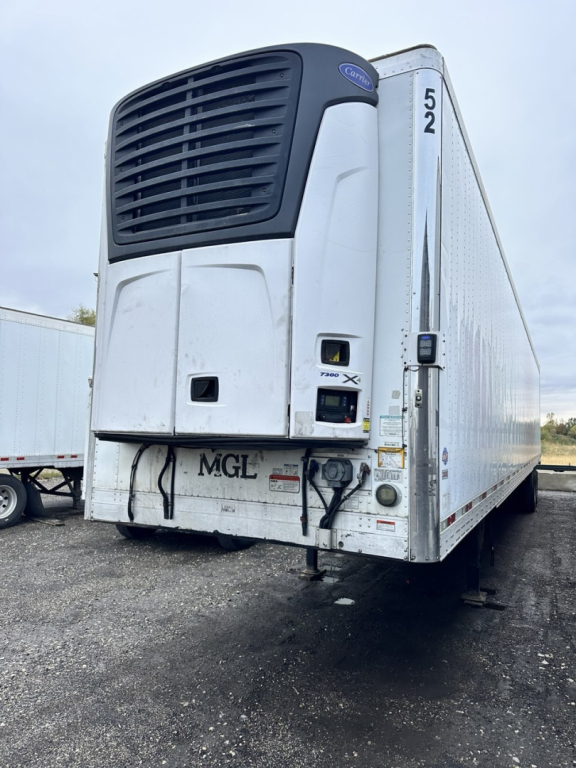
Dry vans are usually evaluated on body condition, floor life, logistics setup, and suspension. Common specs include 13-foot 6-inch overall height, wood or composite flooring, plywood liner packages, scuff plates, E-track or full logistics posts, swing or roll-up rear doors, and sliding tandems. Reefer trailers add another layer of inspection because the refrigeration unit matters as much as the trailer body. Buyers should look closely at unit hours, service history, duct or flat floor design, insulation integrity, door seal condition, evaporator performance, and fuel tank setup. Features like stainless front radius panels, stainless rear frames, cold chutes, rear vents, side skirts, and tire inflation systems can improve durability, cargo protection, and operating efficiency.
For open-deck freight, drop decks are often chosen for machinery, steel, building products, crated freight, and taller loads that need more clearance than a flatbed can provide. A typical 53-foot drop deck may have a top deck around 10 feet and a main deck around 43 feet, with tie-downs, sliding winch tracks, coil packages, and tool boxes depending on the work. Suspension, axle spread, and deck material all affect usability. Air ride is common when cargo protection matters, while aluminum and steel composite construction can help balance empty weight, strength, and long-term repair considerations. On any trailer, tire size, wheel type, brake condition, kingpin area wear, crossmember condition, and signs of previous impact or corrosion deserve close attention before purchase.
Buyers comparing trailers in the Peoria market should think beyond purchase price and consider freight lane fit, dock compatibility, maintenance support, and resale. A dry van with a sound floor and strong logistics package may be the better choice for versatile contract freight, while a late-model reefer with a documented service record can justify a premium if temperature-sensitive loads are the goal. A drop deck earns its value when legal deck height and securement options open up higher-paying specialized work. The best trailer is the one that matches your freight mix, axle requirements, loading style, and operating costs over the next several years, not just the one with the lowest upfront number.
Frequently Asked Questions about Trailers Near Peoria, Illinois
What is the difference between a dry van, reefer, and drop deck trailer?
A dry van is an enclosed trailer for general freight that does not require temperature control. A reefer is also enclosed but includes a refrigeration unit and insulated body for temperature-sensitive cargo. A drop deck trailer is an open trailer with an upper deck and lower main deck, allowing taller freight to move legally without exceeding height limits that would be a problem on a standard flatbed.
What should I inspect first when buying a used reefer trailer?
Start with the refrigeration unit hours, maintenance records, and operating performance under load. Then inspect the trailer body for insulation issues, floor condition, air leaks, door seals, damage around the front wall and evaporator area, and corrosion at the rear frame and threshold. A reefer can look clean and still have expensive deferred maintenance, so unit history and cooling performance should carry more weight than appearance alone.
Why do many buyers prefer 53-foot by 102-inch trailers?
A 53-foot by 102-inch trailer is the most common configuration for over-the-road freight because it maximizes cargo space while fitting standard commercial shipping patterns. That size works well for dry van and reefer operations, supports strong resale demand, and gives carriers flexibility across contract, spot, and brokerage freight. It is often the easiest length to keep utilized if your operation handles mainstream palletized freight.
Are air ride suspension and sliding tandems important on a trailer?
Air ride suspension helps protect cargo and can reduce shock transfer compared with spring ride, which matters for food products, retail freight, electronics, and other damage-sensitive loads. Sliding tandems are important because they let you adjust axle position for bridge law compliance, loading balance, and dock approach needs. On many van and reefer applications, both features are considered highly desirable because they improve freight flexibility and day-to-day usability.
When does a drop deck make more sense than a flatbed?
A drop deck makes more sense when freight height is the limiting factor. The lower main deck lets you haul taller equipment, crated machinery, and certain building materials that would ride too high on a standard flatbed. It can also improve loading angles for some cargo. If your freight regularly pushes legal height limits, a drop deck expands the range of loads you can haul without stepping up to more specialized trailer types.