
Trailers For Sale Near Paterson, New Jersey
Have trailer to sell? List it here to reach thousands of buyers.
Trailers Near Paterson, New Jersey
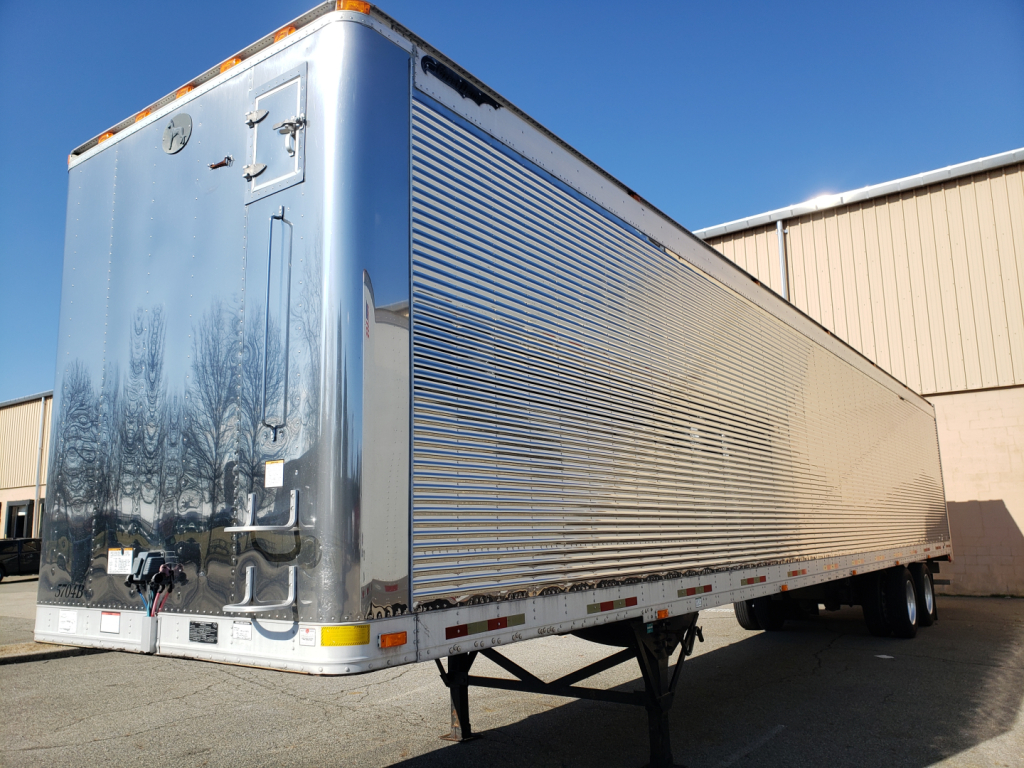
Dry vans remain one of the most common trailer types and are also known simply as van trailers. Typical specs include 53-foot length, 102-inch width, swing or roll-up rear doors, logistics posts or E-track, scuff liners, hardwood or laminated floors, and either spring or air-ride suspension. Buyers should inspect roof condition, floor wear, crossmembers, rear frame, ICC bumper, door seals, and slider operation. Features such as side doors, translucent roofs, interior lighting, tire inflation systems, and aluminum wheels can add value depending on the operation. For freight that needs temperature control, reefer trailers introduce another layer of inspection around the refrigeration unit hours, air chute, insulation, floor condition, and unit service history.
Flatbeds, step decks, RGNs, and lowboys are driven by deck length, deck height, concentrated load rating, and securement options. Trailer buyers in construction, machinery, steel, and building products often look at winch tracks, stake pockets, chain tie-down points, apitong flooring, and axle spacing. Dump and live-bottom trailers bring different priorities, including body material, liner condition, hoist integrity, gate configuration, and whether the trailer is built for asphalt, aggregate, scrap, or demolition debris. Tank trailers are more specialized and require careful attention to barrel material, baffling, pump or compressor equipment, DOT specification, and prior product history.
A good trailer purchase comes down to structure, compliance, and serviceability. Check VIN plate data, federal inspection status, tire size and age, brake lining percentage, drum or rotor condition, wheel-end service records, and signs of frame repair or corrosion. Suspension brand, slider rails, kingpin wear, landing gear operation, and ABS function all matter because they affect uptime just as much as the initial price. Buyers comparing trailers for sale should weigh tare weight against durability, especially if payload is critical. The best value is usually a trailer with the right spec for the freight, a sound frame, and components that can stay productive without immediate shop time.
Frequently Asked Questions about Trailers Near Paterson, New Jersey
What types of trailers are most common on the used market?
The most common used trailer categories are dry vans, flatbeds, refrigerated trailers, step decks, lowboys, dump trailers, and tank trailers. Dry vans are widely used for general freight, flatbeds and step decks handle building materials and machinery, reefers are built for temperature-sensitive cargo, and dump or tank trailers serve more specialized industries. The right category depends on freight dimensions, loading method, route restrictions, and how much payload capacity matters in the operation.
What should I inspect first when buying a used trailer?
Start with the structural items because they are the most expensive to correct. Look closely at the frame, crossmembers, floor, suspension mounts, kingpin area, slider assembly, landing gear, rear frame, and roof or upper rail condition depending on trailer type. After that, inspect brakes, tires, wheel ends, lights, ABS, and any cargo-control equipment such as E-track, winches, or tie-down points. A trailer with solid structure and average wear items is usually a better buy than one with fresh tires but hidden frame or floor issues.
How do axle configuration and suspension affect trailer performance?
Axle setup affects bridge compliance, tire wear, turning radius, and how the trailer balances payload. Sliding tandems are common on van trailers because they help adjust weight distribution and meet state bridge requirements. Spread axles can improve stability and weight distribution for some applications but may be less maneuverable in tight areas. Suspension choice also matters. Air-ride suspension generally protects cargo better and can improve ride quality, while spring suspension can be simpler and less expensive to maintain in certain operations.
What specs matter most on a dry van trailer?
On a dry van, buyers usually focus on trailer length, inside height, door style, roof condition, floor type, and cargo-control layout. A 53-foot by 102-inch van is the standard spec for many over-the-road applications, but side doors, extra rows of E-track, scuff liners, translucent roofs, and air-ride suspension can make a major difference depending on the freight. The condition of the floor, rear frame, swing doors, seals, and tandem slider is especially important because those are high-wear areas that directly affect daily usability.
How important is tare weight when comparing trailers for sale?
Tare weight matters any time payload drives revenue. A lighter trailer can legally haul more freight, which is important in dense commodities, beverage freight, paper, and some building products. The tradeoff is that lighter specifications may not hold up as well in severe-duty applications if the trailer was not built for that work. Buyers should compare tare weight alongside frame design, floor rating, suspension spec, and repair history to make sure the trailer fits both the commodity and the operating environment.