
Trailers For Sale Near Paragould, Arkansas
Have trailer to sell? List it here to reach thousands of buyers.
Trailers Near Paragould, Arkansas
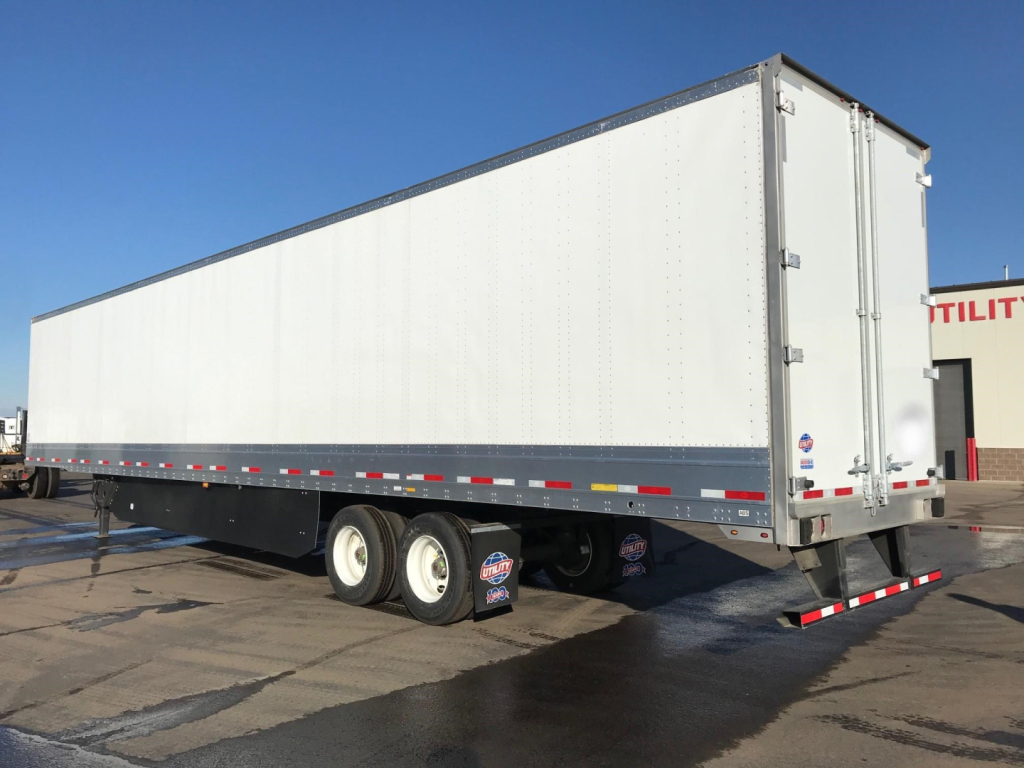
Construction details matter more than many first-time buyers expect. On enclosed trailers, common checkpoints include floor type, wall construction, roof material, rear frame design, and door configuration. Buyers often compare wood floors versus composite floor systems, plate or sheet-and-post sidewalls, aluminum roofs, aluminum or steel scuff liners, and swing doors versus roll-up doors. Dry van trailers frequently include logistic posts on 24-inch centers, threshold plates, dock bumpers, anti-dock-walk systems, and interior lining choices that affect durability in high-cycle freight. Suspension and running gear also deserve close attention. Air ride is common for freight protection, and features like sliding tandem axles, tire inflation systems, low-profile 22.5 tires, and all-steel or aluminum wheel packages can change maintenance cost, tare weight, and how the trailer performs across mixed routes.
The right trailer spec depends on what you haul and how often you load. Freight with repeated forklift contact benefits from heavier scuff protection, reinforced bottom rails, and durable floor fastening patterns. Operations with tight delivery windows may prioritize aerodynamic side skirts, LED lighting, and components that reduce roadside downtime. Buyers hauling dense freight should verify floor ratings, crossmember spacing, and legal payload expectations, while lighter cube-focused operations may care more about trailer weight and interior cubic capacity. In Arkansas and surrounding lanes, road conditions, humidity, and regional shipper requirements can also make corrosion resistance, sealed lighting, and dependable suspension components more important over the long term.
A good trailer purchase is usually a balance of structural condition, maintenance simplicity, and resale appeal. Check suspension wear, brake components, tire condition, wheel-end service history, roof integrity, rear frame alignment, door seal condition, and signs of floor damage near the nose, threshold, and forklift travel path. If the trailer has a slider, confirm pin function and rail condition. If it has side skirts or a tire inflation system, inspect them closely because those options can improve operating efficiency but also add repair points. Buyers comparing trailers for sale should focus less on cosmetic appearance and more on whether the specification matches the freight, lane, and loading environment the trailer will face every day.
Frequently Asked Questions about Trailers Near Paragould, Arkansas
What is the most common trailer size for general freight?
The most common trailer size for general freight is a 53-foot by 102-inch trailer, especially in dry van applications. That size gives carriers strong cargo capacity, broad shipper acceptance, and good compatibility with standard dock operations. Tandem axles are the most common setup, and many over-the-road buyers prefer a sliding tandem because it offers flexibility for bridge laws, weight distribution, and loading adjustments.
What should I look for when buying a used trailer?
Focus on structural condition and serviceability before cosmetic appearance. Inspect the floor for forklift damage, soft spots, and excessive fastener wear. Check the roof for patches or leaks, examine rear frame alignment, test door operation and seals, and look at suspension components, brakes, tires, wheel ends, and lighting. On enclosed trailers, review scuff liners, wall condition, threshold plate wear, and any evidence of repeated dock impact. A trailer that matches your freight and has solid running gear usually matters more than fresh paint.
Is air ride suspension worth it on a freight trailer?
Air ride suspension is worth serious consideration for many freight applications because it helps protect cargo, improves ride quality, and is widely accepted in over-the-road and dedicated contract freight. It is especially useful for palletized goods, consumer products, and other loads that benefit from a smoother ride. Buyers should still evaluate bushing condition, air bag age, shock wear, and alignment history, because air ride performance depends on maintenance as much as original specification.
What is the advantage of a sliding tandem trailer?
A sliding tandem trailer gives the operator more flexibility to adjust axle position for bridge compliance, weight distribution, and loading dock fit. That can be important when hauling variable freight weights or operating across multiple states with different enforcement patterns. The system should be inspected carefully for rail wear, pin engagement, and air pin function, because slider condition directly affects ease of operation and long-term reliability.
Which trailer features help reduce operating costs?
Features that commonly reduce operating costs include aerodynamic side skirts, LED lighting, tire inflation systems, low-rolling-resistance tires, and durable interior components that hold up to repeated loading cycles. Tire inflation systems can improve tire life and fuel efficiency when maintained properly. LED lighting reduces bulb replacement frequency, and side skirts can improve fuel economy on highway lanes. The best cost-saving spec is still one that fits the actual freight, route length, and maintenance discipline of the operation.