
Trailers For Sale Near Palmdale, Florida
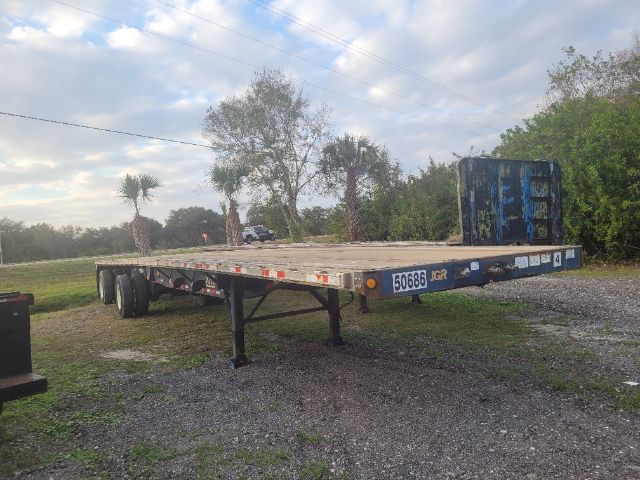
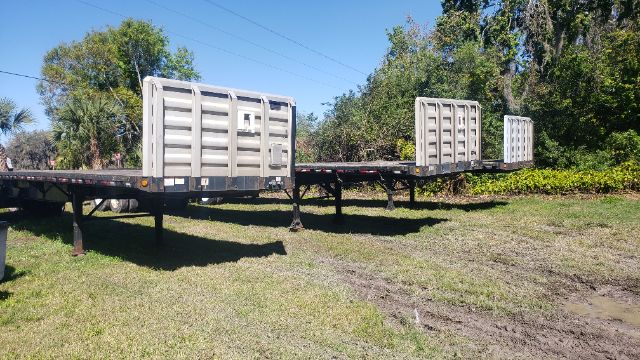

Have trailer to sell? List it here to reach thousands of buyers.
Trailers Near Palmdale, Florida
For flatbeds, buyers usually focus first on length, width, floor construction, suspension, and securement compatibility. Common sizes include 48-foot and 53-foot decks with the standard 102-inch width. Aluminum combo construction reduces tare weight and helps maximize payload, while steel flooring and steel components can offer durability in harder-use environments. Air ride suspension is a common preference for protecting freight and improving ride quality. Crossmember spacing, winch track setup, rub rails, stake pockets, and the overall condition of the deck and frame matter just as much as the basic dimensions. A buyer hauling lumber, pipe, palletized freight, or equipment should also pay attention to deck height, tire condition, brake condition, and signs of frame repairs or corrosion.
Lowboy trailers are a different decision entirely because capacity and load geometry drive the purchase. A beam-style or detachable gooseneck lowboy is typically chosen for construction equipment, agricultural machines, and other heavy loads that exceed standard deck trailer limitations. Key factors include number of axles, axle spacing, deck length, loaded deck height, neck style, and the condition of the suspension and braking system. Older lowboys can still be productive assets, but buyers should inspect for structural fatigue, cracked welds, worn bushings, neck wear points, and evidence of prior overloading. If the trailer will be used for permit loads, bridge law compliance, turnaround radius, and compatibility with the intended tractor are all part of the buying decision.
In a Florida market, corrosion exposure, tire aging, brake performance, and lighting reliability deserve extra attention, especially on used trailers that may have seen years of heat, humidity, and heavy service. Matching the trailer to the freight matters more than chasing a low purchase price. A 48-foot aluminum combo flatbed may fit a general freight operation better than a heavier steel-deck trailer, while a multi-axle lowboy can be the right tool for moving iron where deck height and weight distribution are non-negotiable. The best trailer purchase is the one that lines up with load profile, route requirements, maintenance budget, and the tractor that will be pulling it.
Frequently Asked Questions about Trailers Near Palmdale, Florida
What is the difference between a flatbed trailer and a lowboy trailer?
A flatbed trailer has a full-height open deck and is used for freight that can be loaded from the sides, rear, or top, including lumber, steel, machinery, and palletized materials. A lowboy trailer has a much lower deck height and is built for taller and heavier equipment such as dozers, excavators, and other construction machines that would sit too high on a standard flatbed. The choice usually comes down to cargo height, cargo weight, and how the load must be secured and routed legally.
Is a 48-foot or 53-foot flatbed better for most hauling applications?
A 48-foot flatbed is still a practical size for many regional and specialized freight applications, especially where maneuverability matters or the freight profile does not require a longer deck. A 53-foot flatbed offers more deck space and can improve flexibility for longer freight or multi-piece loads, but it can also affect turning room, axle weight distribution, and route planning. Buyers should match deck length to the freight they move most often, not just the biggest load they might occasionally haul.
What should I inspect first on a used trailer?
Start with the frame, suspension, brakes, tires, wheels, lights, and the condition of the deck or load surface. On flatbeds, inspect crossmembers, rub rails, stake pockets, winch track areas, and any signs of deck damage or major repairs. On lowboys, pay close attention to neck components, axle group condition, hydraulic or mechanical detachable systems if equipped, and any cracks, weld repairs, or structural distortion. A used trailer can look acceptable at a glance but still need significant brake, tire, or structural work.
Why does trailer floor type matter on a flatbed?
Floor type affects weight, durability, maintenance cost, and how the trailer performs in daily service. Aluminum combo flatbeds are popular because they reduce trailer weight and increase available payload, which can matter on weight-sensitive freight. Steel floors and steel-heavy builds may hold up well in tougher loading environments, but they usually add tare weight. The right floor setup depends on the cargo, loading method, and how much priority the operation places on payload versus ruggedness.
How important is axle count on a lowboy trailer?
Axle count is one of the most important lowboy specs because it directly affects weight distribution, legal capacity, permitting, and the types of loads the trailer can carry. A four-axle lowboy will handle different applications than a tandem or tri-axle configuration, and axle spacing can be just as important as the number of axles. Buyers should look at the actual machine weights they plan to haul, the states they operate in, and whether they will need to meet specific bridge formula or permit requirements.