
Trailers For Sale Near Oxford, Maine
Browse trailers for sale in Oxford, Maine, including flatbed, enclosed, dump, and specialty trailers with specs that fit hauling needs.
Have trailer to sell? List it here to reach thousands of buyers.
Trailers Near Oxford, Maine
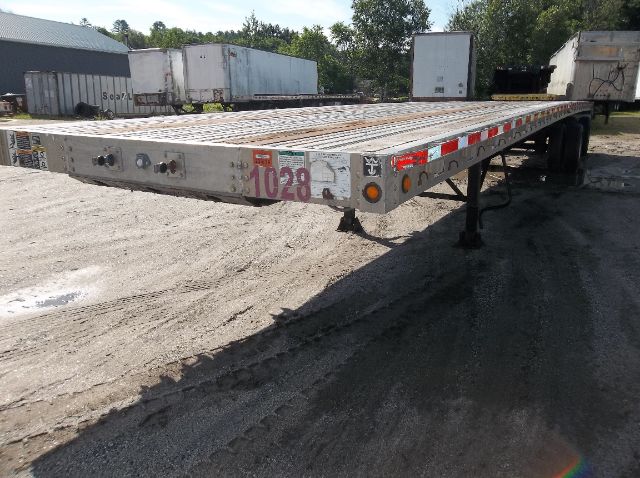
In this market, common trailer types include flatbed trailers, drop decks, enclosed vans, dump trailers, equipment trailers, and utility trailers. Flatbeds are often found in 48-foot by 102-inch configurations, with tandem or spread axle layouts, aluminum or combo construction, and air ride suspension. A spread axle setup can improve weight distribution and stability, but it also affects turning radius and tire scrub in tight yards. Construction matters too. Aluminum trailers typically reduce tare weight and improve payload, while steel designs may appeal to buyers who prioritize lower initial purchase cost or certain severe-duty applications. On flatbeds, details like apitong or aluminum floors, coil package options, sliding winches, rub rails, stake pockets, and the condition of the kingpin area and fifth wheel plate are worth close inspection.
For buyers running Maine and the broader Northeast, weather and road conditions make structural condition especially important. Corrosion around crossmembers, suspension mounts, wiring, brake components, and light connections can become a bigger factor than age alone. Tire condition, brake life, air system integrity, and axle alignment should be checked carefully, especially on used trailers that have seen regional winter service. If the trailer has air ride suspension, look at ride height control, air bags, bushings, and shock condition. On any trailer, verify VIN and title status, check for repairs around the frame or rear impact guard, and confirm that the trailer’s dimensions and axle spacing fit the freight you plan to haul.
A good trailer purchase is usually less about brand alone and more about spec discipline. The right setup depends on commodity, loading method, average trip length, and how often the trailer will see docks, uneven jobsites, or highway-only service. Buyers hauling general freight may want a lighter combination flatbed with strong tie-down options and good rubber. Buyers moving dense loads may pay closer attention to axle spacing, floor rating, and brake condition. Looking at trailers this way makes it easier to compare listings and identify the unit that will deliver the best balance of payload, durability, and operating cost.
Frequently Asked Questions about Trailers Near Oxford, Maine
What should I look for first when buying a used trailer?
Start with the trailer type and core spec, then move to structural and running gear condition. Length, width, axle configuration, suspension, and trailer weight need to match the freight you plan to haul. After that, inspect the frame, crossmembers, floor, kingpin area, landing gear, brakes, tires, wheels, wiring, lights, and air system. On a used trailer, maintenance condition often matters more than model year alone.
Is a spread axle trailer better than a tandem axle trailer?
A spread axle trailer can offer better weight distribution and improved stability for certain loads, and it is common on many flatbed applications. The tradeoff is increased tire scrub and more difficulty maneuvering in tight spaces compared with a standard tandem setup. The better choice depends on your freight, operating area, and how often you back into confined docks or yards.
Why does trailer construction material matter so much?
Construction material affects payload, durability, and repair cost. Aluminum trailers generally weigh less, which can increase legal payload and improve efficiency. Steel trailers may cost less up front and can be suitable for severe-duty service, but they usually carry more tare weight. Combination trailers, often called combo units, blend steel and aluminum to balance strength and weight savings.
What trailer specs matter most for flatbed hauling?
For flatbed hauling, buyers usually focus on deck length, width, axle spread, suspension type, floor material, and securement features. Rub rails, stake pockets, sliding winches, chain pullouts, and coil package equipment all affect how easily the trailer can handle different commodities. Tire size, brake condition, and the structural condition of the deck and rear frame also matter because they directly impact uptime and load safety.
Are older trailers still worth buying if the price is right?
An older trailer can still be a solid purchase if the frame is sound, the running gear is maintained, and the title is clear. Age by itself does not decide value. A well-kept older trailer with good brakes, tires, suspension, and recent repairs in critical wear areas can outperform a newer trailer that has been neglected. The key is to evaluate structural condition, maintenance history, and how closely the spec fits your operation.