
Used Other Trailers For Sale
Used other trailers for sale, including specialized, flatbed, dry van, and custom trailer types with varied specs, capacities, and applications.
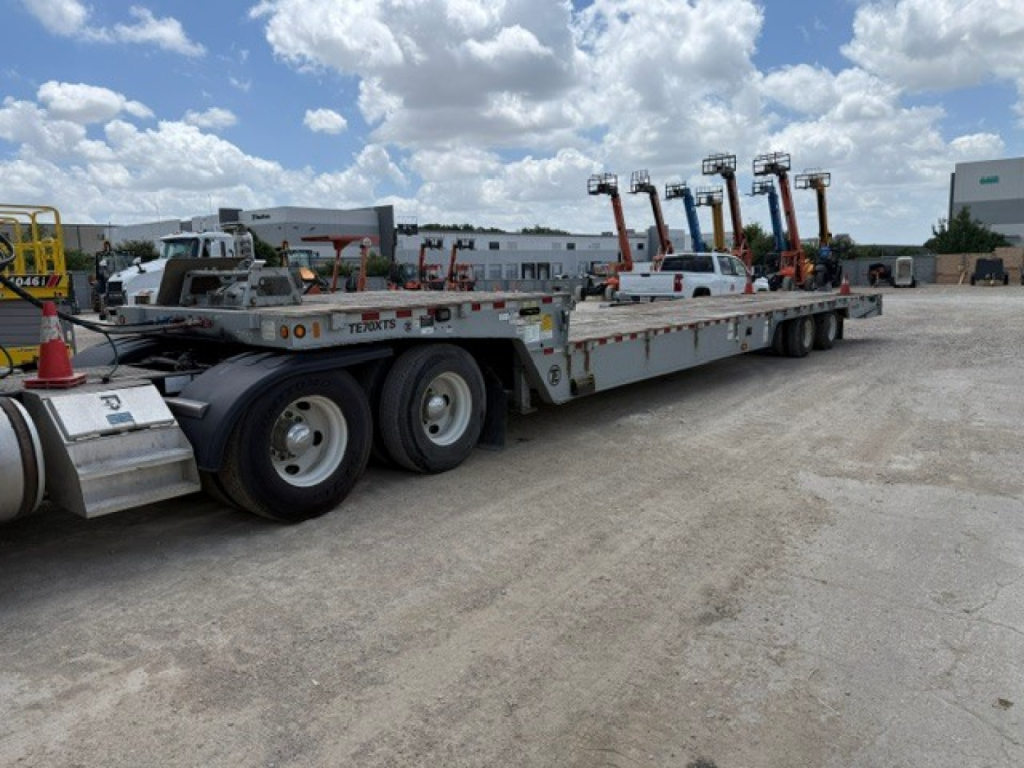
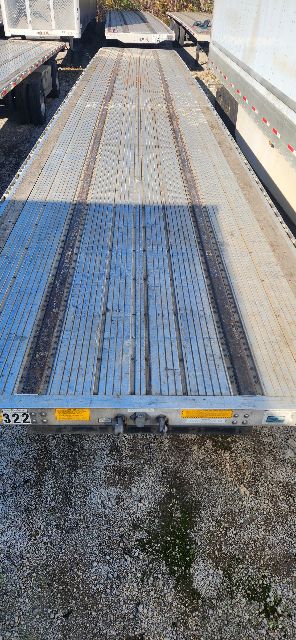

Selling a used other trailer? List your used other trailer for sale and reach thousands of commercial buyers.
Used Other Trailers
Specs matter more than labels in this category. Buyers should verify overall length, width, deck height or interior height, axle spacing, suspension type, brake setup, wheel-end condition, tire size, and frame construction. On enclosed units, floor type, roof material, door style, and wall condition are critical. On open or specialty platforms, check crossmembers, deck material, tie-down points, kingpin wear, landing gear condition, and any hydraulic, pneumatic, or mechanical systems mounted to the chassis. If the trailer was built for oilfield, construction, agricultural, or industrial support work, inspect all PTO-driven or self-contained equipment carefully and confirm what components are still present and operational.
Used specialty and miscellaneous trailers can offer strong value because they are often priced below more standardized trailer categories, but they require closer evaluation. A trailer may be structurally sound yet poorly suited for general freight because of weight distribution, limited securement options, or a layout designed around one dedicated task. Title status, VIN legibility, prior modifications, and repair history deserve extra attention. It is also smart to confirm parts support for suspensions, axles, brake components, lighting systems, and any mounted equipment, especially on older or uncommon models where replacement parts can slow down uptime.
The best purchase in the other trailer category is usually the one with the clearest match between current spec and intended use. A 53-foot combo flatbed, an older dry van, and a tridem industrial chassis may all appear in the same search results, but they serve very different operations. Buyers comparing used other trailers should focus on payload needs, commodity type, loading method, state bridge laws, and the cost to return the trailer to dependable service. A thorough inspection of structure, running gear, and any specialty systems is the key to separating a useful asset from a project trailer.
Frequently Asked Questions about Used Other Trailers
What kinds of trailers are usually listed in the other trailer category?
The other trailer category typically includes trailers that fall outside standard segments such as dry van, refrigerated, lowboy, or dump. It can include combo flatbeds, specialty industrial trailers, custom chassis units, older vocational trailers, support trailers for oilfield or construction work, and unusual enclosed or open-body designs. The category is broad, so buyers should rely on actual specifications and intended application rather than the category name alone.
What should I inspect first on a used other trailer?
Start with the frame, suspension, axles, brakes, tires, wheels, and kingpin area because these determine roadworthiness and repair cost. Then inspect application-specific features such as floors, crossmembers, doors, roof condition, tie-down systems, hydraulic components, mounted tanks, pumps, or engine-driven equipment. On specialty trailers, missing components can be a major cost factor, so it is important to confirm exactly what is included and what still works.
Are used other trailers harder to finance or insure?
They can be, especially if the trailer is heavily modified, has a specialized industrial use, or lacks clear market comparables. Lenders and insurers often prefer standardized trailer types because values are easier to establish. Buyers should be ready with VIN information, photos, specifications, title status, and documentation of major components or rebuilds to support underwriting and valuation.
How do I know if a specialty trailer can be used for general freight?
A specialty trailer can sometimes be repurposed, but the decision depends on deck layout, weight rating, axle placement, securement options, and overall empty weight. Some trailers are structurally capable but inefficient for general freight because they were designed around fixed equipment or a narrow commodity type. Review legal dimensions, payload capacity, and loading practicality before assuming a specialized unit can replace a standard freight trailer.
Why is title and VIN verification especially important in this category?
Title and VIN verification matter because other trailers often include older units, rebuilt equipment, custom conversions, and specialized vocational chassis. These units may have had ownership changes, component removal, or reconfiguration over time. A clear title, legible VIN, and matching paperwork reduce registration problems and help confirm the trailer can be legally operated, financed, resold, or transferred across state lines.