
Trailers For Sale Near Orlando, Florida

Have trailer to sell? List it here to reach thousands of buyers.
Trailers Near Orlando, Florida
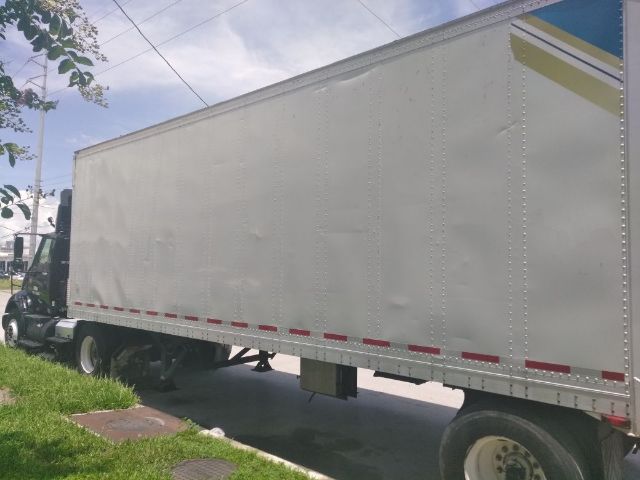
Common trailer configurations include single axle and tandem axle setups, with air ride suspension remaining a popular choice for ride quality and freight protection. On open-deck trailers, buyers often compare aluminum, steel, and combo construction to balance tare weight, durability, and repair cost. Deck height, loaded legal height, floor material, and axle slide adjustment all affect how versatile the trailer will be in daily use. In van and reefer applications, attention should go to roof condition, sidewall integrity, floor wear, door frame alignment, and if equipped, liftgate operation and capacity. On older trailers especially, brake condition, tire age, wheel-end service history, crossmember fatigue, and frame corrosion deserve a close inspection before purchase.
For open-deck work, details such as main beam rating, kingpin setting, winch track placement, rub rail condition, chain pull-outs, and ramp compatibility can make a major difference in load securement and ease of dispatch. A low pro step deck, also known as a drop deck trailer, is often selected for machinery, building materials, and overheight freight because the lower deck helps keep loaded height legal. Buyers comparing vans should think about cargo type, interior cube, scuff liner condition, and whether a swing-door or roll-up rear is the better fit for their route. If the trailer will run heavy mileage in Florida heat and rain, tires, seals, lighting, ABS function, and air system leaks should be checked carefully.
A good trailer purchase is less about brand name alone and more about matching the trailer to the freight, the lanes, and the maintenance program behind it. Buyers in the Orlando market often compare condition, prior application, and spec package side by side because the right trailer can improve payload, reduce loading time, and limit compliance issues. The most useful listings are the ones that clearly show dimensions, suspension type, axle configuration, floor construction, and recent brake and tire condition, since those details usually tell you more about remaining service life than paint or model year alone.
Frequently Asked Questions about Trailers Near Orlando, Florida
What types of trailers are most commonly used for freight hauling?
The most common trailer types include dry vans for general enclosed freight, flatbeds for easy side and top loading, step decks or drop decks for taller cargo, reefers for temperature-controlled loads, and specialty trailers such as lowboys, dump trailers, and liftgate vans. The right choice depends on cargo dimensions, loading method, route requirements, and whether the freight needs weather protection or dock access.
How do I choose between a flatbed, step deck, and dry van trailer?
A flatbed works well for freight that can be loaded from the side or above and does not need enclosure. A step deck, also called a drop deck trailer, is preferred when cargo height would exceed legal limits on a standard flatbed because the lower deck provides more height clearance. A dry van is the better fit for palletized or boxed freight that needs protection from weather, theft, and road debris.
What should I inspect first on a used trailer?
Start with the structural items that are expensive to repair or safety-critical. Inspect the frame, crossmembers, suspension, axle alignment, brakes, tires, wheels, lighting, ABS system, floor condition, and door or ramp operation. On open-deck trailers, check the deck, rub rails, winches, tie-down points, and any signs of beam damage or previous structural repairs. On enclosed trailers, pay close attention to roof leaks, wall damage, floor wear, and rear frame alignment.
Are tandem axle trailers better than single axle trailers?
Tandem axle trailers are generally better for higher payloads, better weight distribution, and more stability at highway speeds. Single axle trailers can be lighter, simpler, and easier to maneuver, but they are usually limited to lighter-duty applications. The best axle setup depends on gross weight, trailer length, and the type of freight being hauled.
Which trailer specs matter most for resale and daily usefulness?
Length, width, axle configuration, suspension type, floor material, trailer composition, and overall structural condition have the biggest impact on both usability and resale. Buyers also pay close attention to brake percentage, tire condition, liftgate capacity if equipped, and open-deck features such as ramps, toolboxes, and sliding axles. Clear maintenance history and a trailer spec that matches common freight demand usually support stronger resale value.