
Trailers For Sale Near Oran, Missouri
Have trailer to sell? List it here to reach thousands of buyers.
Trailers Near Oran, Missouri
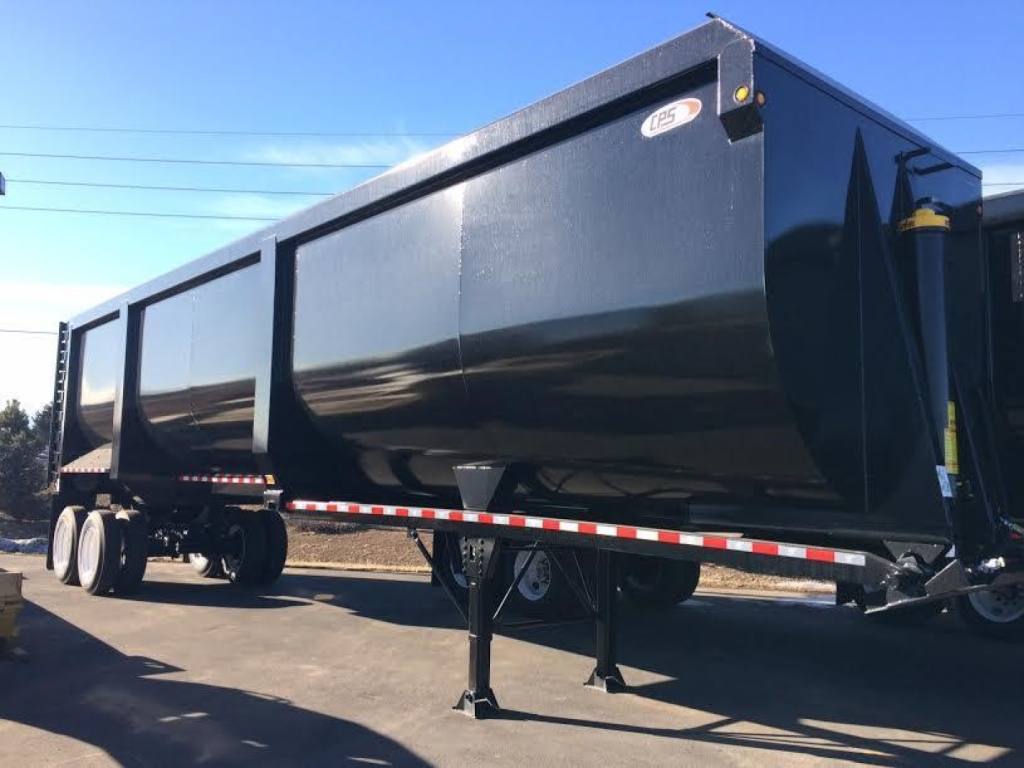
Common trailer types include dry vans, reefers, flatbeds, step decks, lowboys, dump trailers, hopper bottoms, tank trailers, and detachable goosenecks. Each class brings its own spec decisions. Dump trailers, including frameless and frame-type end dumps, are often selected based on cubic yard capacity, tub design, side height, gate style, and body steel such as AR400 or AR450 for abrasive material. Flatbeds and drop decks are judged more heavily on deck length, loaded deck height, coil package options, winch tracks, and axle spread. Vans and reefers put more focus on interior height, logistics posts, floor rating, scuff liners, door configuration, and refrigeration unit hours in the case of a reefer.
A serious buyer should also look past the headline specs and pay attention to operating details that affect uptime and maintenance cost. Suspension type, tire size, wheel material, hub and drum condition, brake setup, landing gear, tarp systems, lighting, and ABS can all change the ownership picture. On dump and commodity trailers, gate seals, hoist geometry, liner condition, and body fatigue matter. On road trailers, kingpin setting, slider function, crossmember spacing, and floor wear can tell you a lot about how the trailer was used. In Missouri and the surrounding Midwest, corrosion from weather exposure and the condition of wiring and air lines deserve a close inspection.
For many fleets and owner-operators, the best trailer is the one that earns consistently without creating specialized limits on reloads. A general freight flatbed may offer broader versatility than a highly specialized unit, while a purpose-built scrap or demolition trailer may deliver better production in a niche application. Buyers comparing trailers for sale should weigh legal payload, ease of loading, maintenance access, and resale value just as carefully as purchase price. A trailer is a revenue tool, and the right spec usually shows up in lower downtime, faster turns, and fewer compromises at the shipper or job site.
Frequently Asked Questions about Trailers Near Oran, Missouri
What should I look at first when buying a trailer?
Start with the freight type and legal payload target. Trailer length, axle count, suspension, body material, and tare weight determine how much you can haul and where you can haul it. After that, inspect the structural condition, including frame rails, crossmembers, kingpin area, suspension mounts, brakes, wheels, tires, wiring, and air lines. A trailer that looks good on paper can still be expensive to own if the running gear or structure needs immediate work.
How do I choose between a steel trailer and an aluminum trailer?
Steel trailers are usually favored for severe-duty applications such as scrap, demolition, aggregate, and other abrasive or impact-heavy loads because they offer durability and repairability. Aluminum trailers are often chosen when lower tare weight is the priority, which can improve payload on commodities or general freight. The tradeoff is that aluminum and steel serve different duty cycles best, so the material choice should follow the cargo, unloading method, and expected wear pattern.
What is the difference between a frameless dump trailer and a frame-type dump trailer?
A frameless dump trailer typically weighs less and can offer better payload potential, which makes it popular in aggregate, scrap, and demolition work. A frame-type dump trailer generally provides a more traditional structure that some operators prefer for specific load types or operating conditions. The best choice depends on body capacity, center-of-gravity concerns, unloading surface conditions, and how rough the trailer's day-to-day environment will be.
Which trailer specs have the biggest effect on maintenance costs?
Suspension design, brake system condition, tire size and quality, wheel type, electrical system integrity, and overall structural wear have a major effect on maintenance cost. On specialty trailers, components such as tarp systems, gates, liners, refrigeration units, or hydraulic systems can add both value and service expense. Buyers should pay close attention to wear points and not just major components, because small deferred repairs often indicate a larger maintenance pattern.
Are regional conditions in Missouri important when choosing a trailer?
Yes. Missouri fleets often deal with a mix of highway miles, rural routes, uneven job sites, and seasonal weather exposure. That makes suspension durability, tire selection, corrosion condition, lighting reliability, and brake performance especially important. If the trailer will see gravel lots, demolition sites, or agricultural loading areas, ground clearance, body durability, and ease of cleanout can matter as much as highway specs.