
Trailers For Sale Near Oklahoma City, Oklahoma
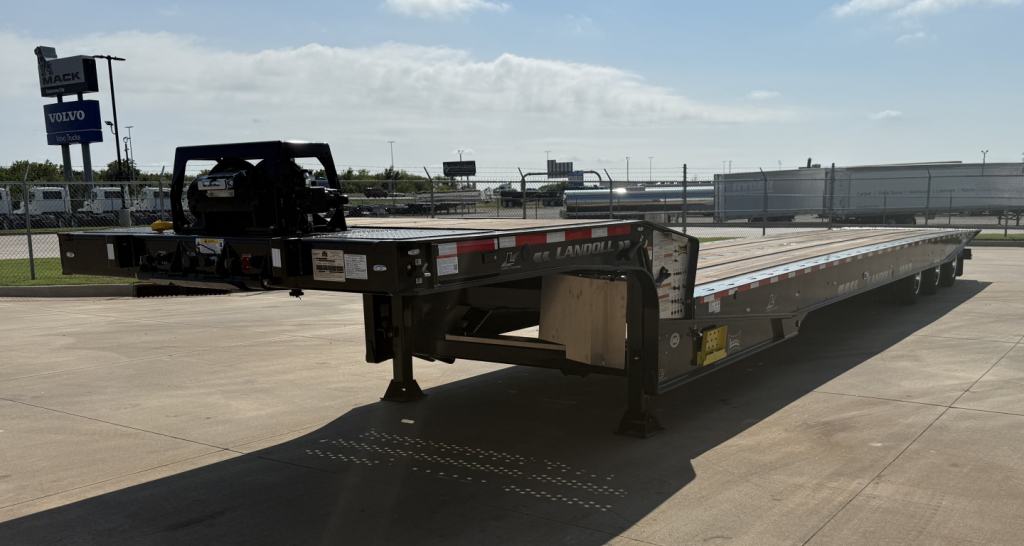
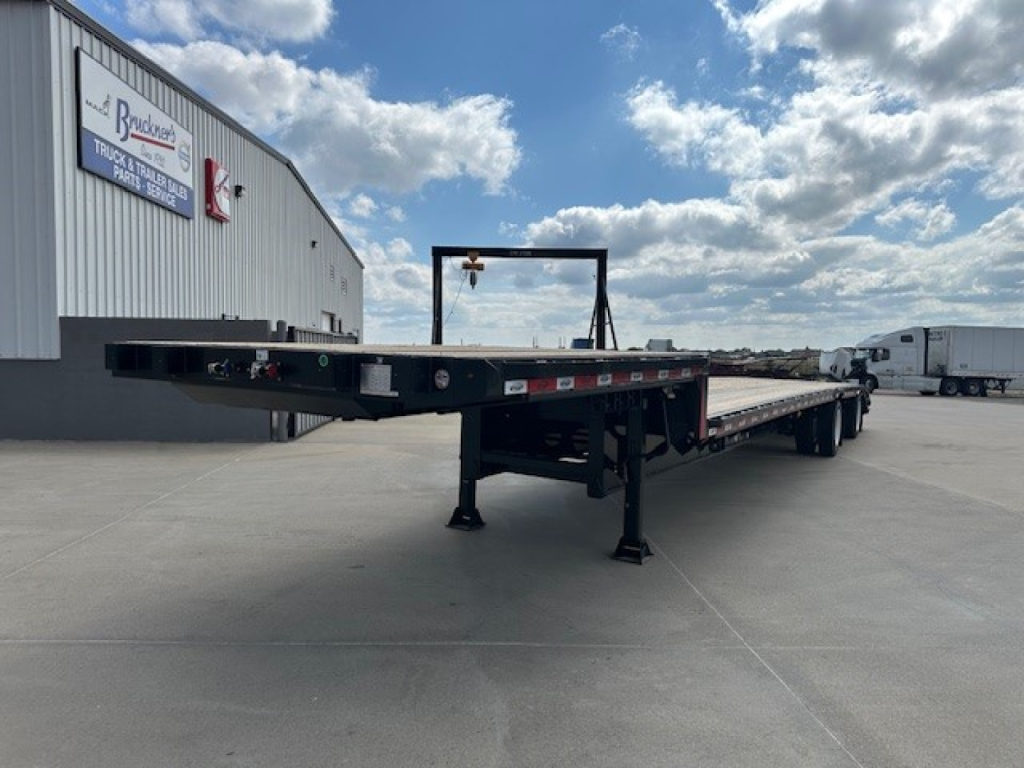
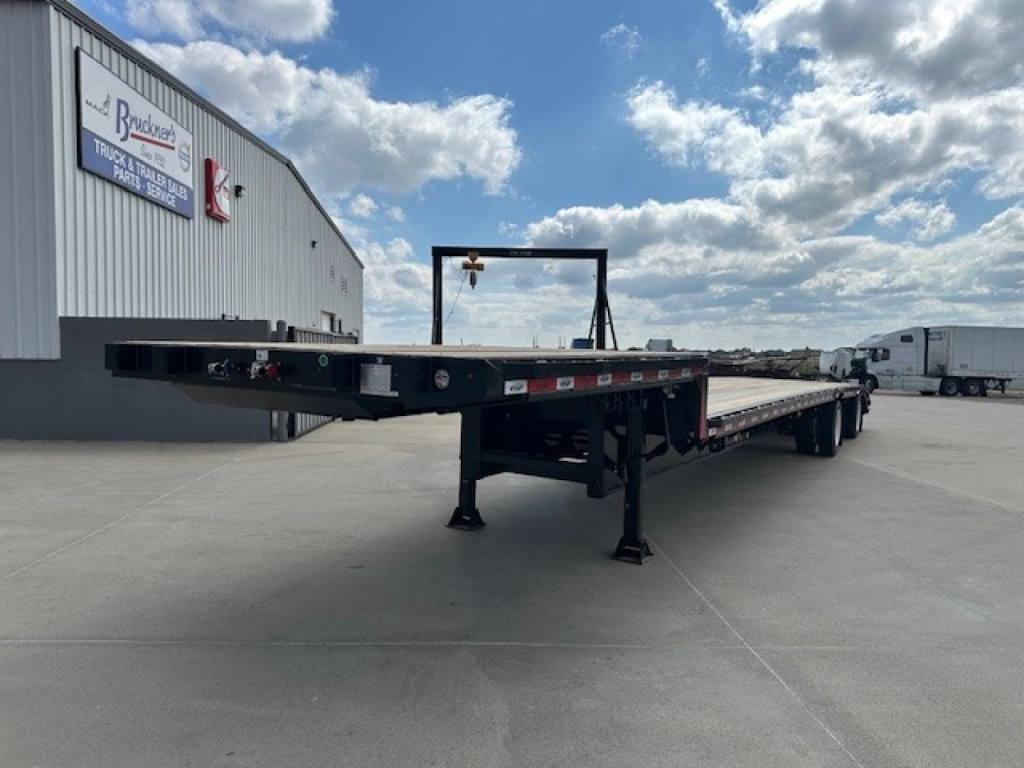
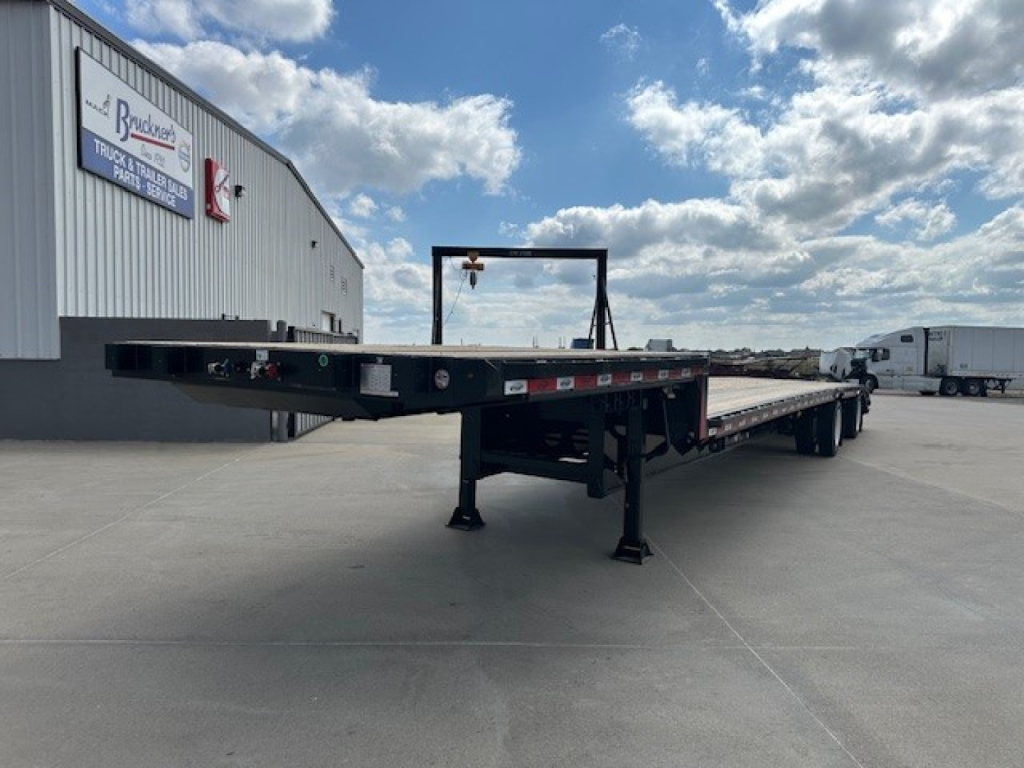
Have trailer to sell? List it here to reach thousands of buyers.
Trailers Near Oklahoma City, Oklahoma
For open-deck buyers, details like deck height, beavertails, ramp style, crossmember spacing, winch tracks, D-rings, and flooring matter more than paint or cosmetic trim. A drop deck, also known as a step deck trailer, is often selected when taller freight needs legal height without moving to a specialized heavy haul platform. Spread axle and tandem axle configurations each have tradeoffs in bridge compliance, maneuverability, and tire wear. Air ride suspension is common when cargo protection matters, while spring ride may still appeal in certain vocational applications because of simplicity and lower upfront cost. Steel construction remains popular for durability, while aluminum can improve payload by reducing empty weight.
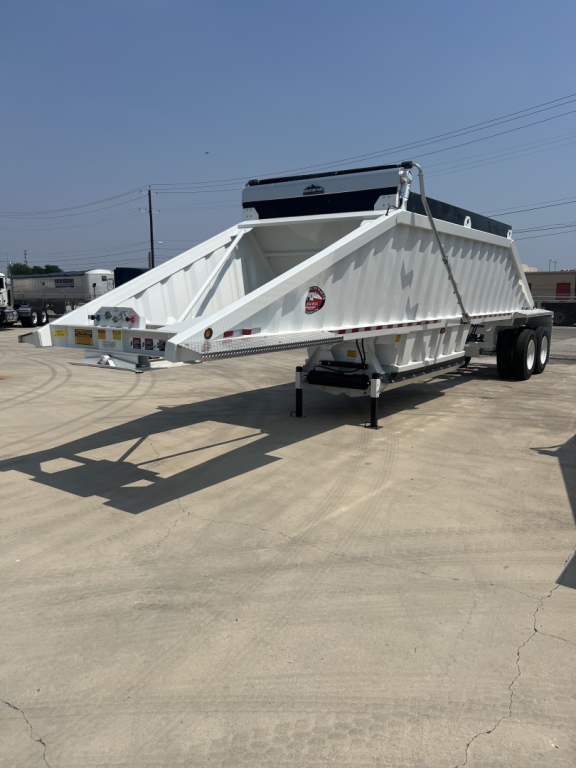
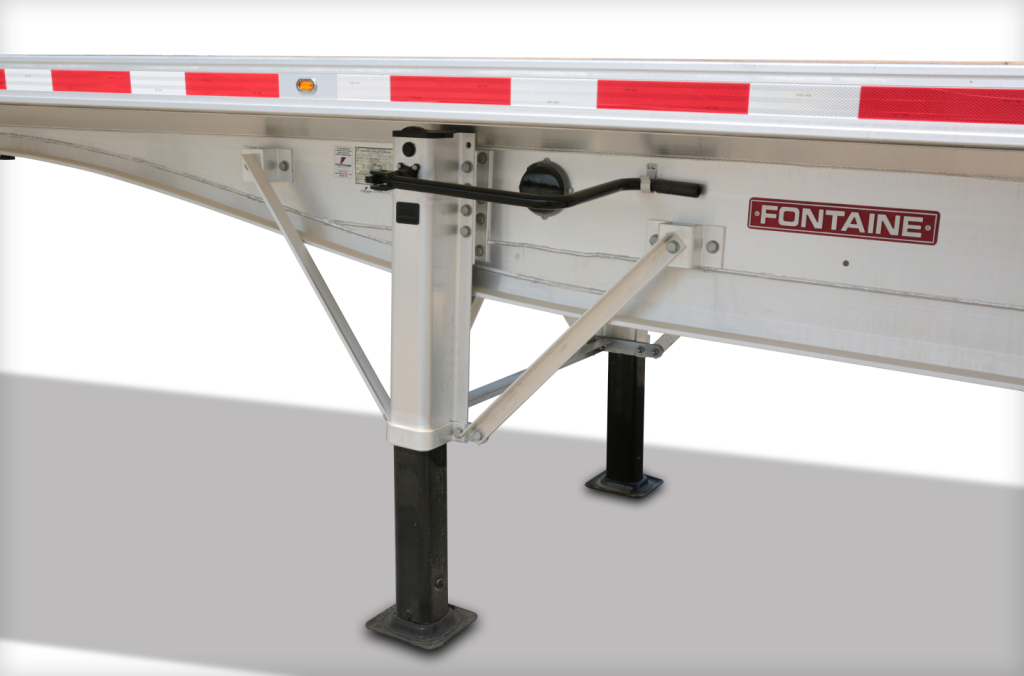
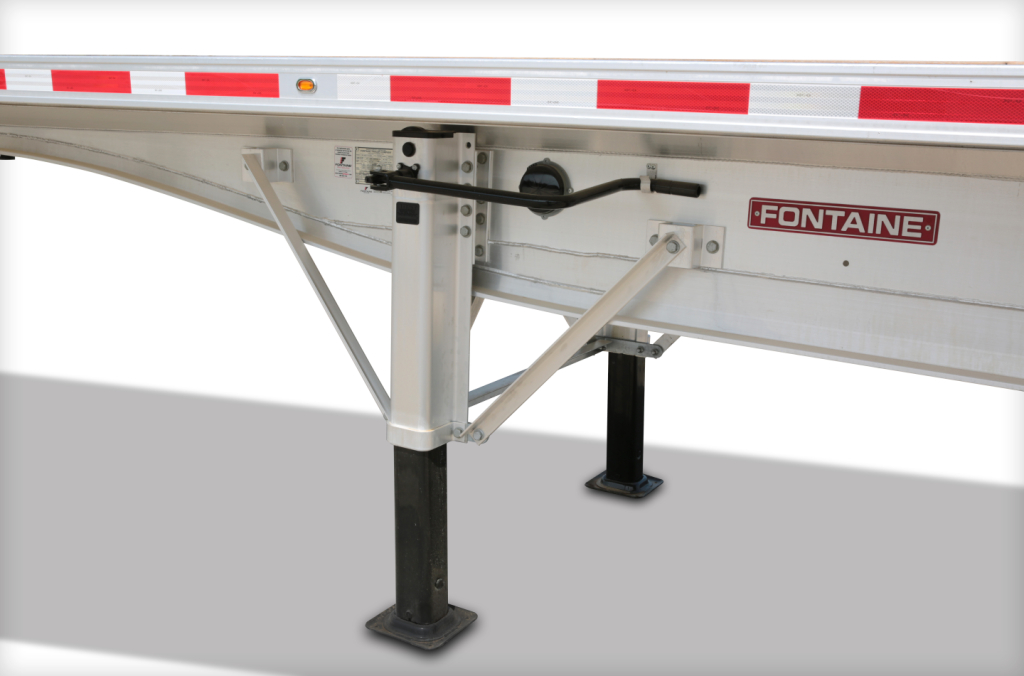
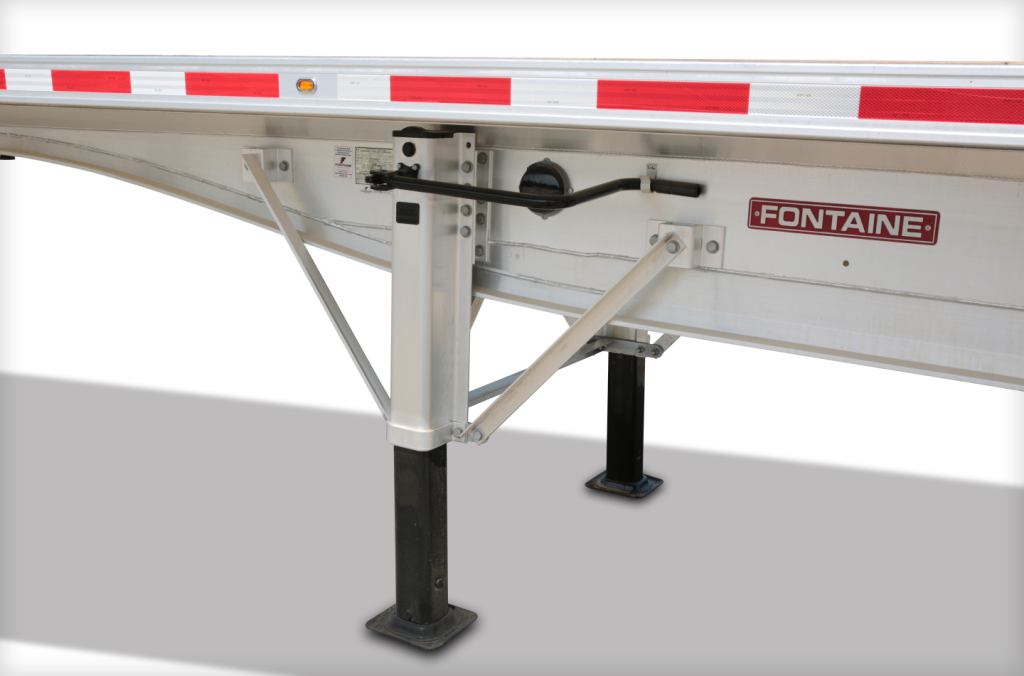
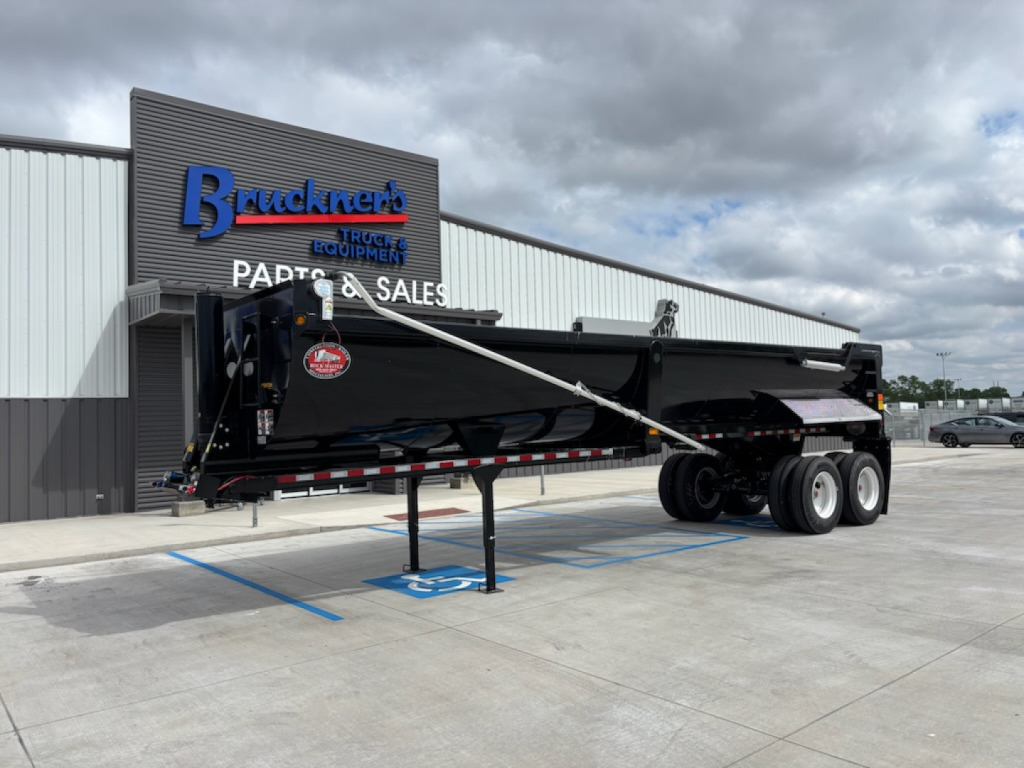
Enclosed trailer buyers usually focus on cubic capacity, door configuration, lining, insulation, and logistics equipment. Dry vans may be spec'd with swing doors or roll-up doors, logistic posts, scuff liners, and tire inflation systems depending on fleet needs. Reefer buyers should pay close attention to unit hours, insulation integrity, floor condition, and whether the refrigeration unit matches the lane and commodity. For hopper, grain, and dump trailers, body material, gate design, liner condition, hoist specs, and rollover protection are key. In every case, brake type, tire size, wheel material, lighting, ABS status, and landing gear condition deserve a close inspection because they directly affect operating cost and uptime.
A good trailer spec is the one that fits the freight, the terrain, and the loading environment. Oklahoma operators often balance interstate work, oilfield support, agriculture, and local construction, so versatility can be just as important as maximum payload. Buyers comparing trailers for sale should look closely at axle ratings, GVWR, kingpin setting, deck or interior dimensions, and the practical serviceability of the running gear. The right trailer will load efficiently, stay compliant across the routes you run, and hold up under the cargo and duty cycle you expect.
Frequently Asked Questions about Trailers Near Oklahoma City, Oklahoma
What should I look at first when buying a trailer?
Start with the application, then confirm the core dimensions and weight ratings. Trailer type, deck or interior length, width, height, axle configuration, suspension, and empty weight determine whether the trailer can legally and efficiently haul your freight. After that, inspect the structural condition, including frame rails, crossmembers, floor, suspension components, brakes, tires, wheels, and lighting. A trailer that fits the load profile but is expensive to keep roadworthy will cost more over time than a properly spec'd unit with a better maintenance history.
What is the difference between a drop deck trailer and a flatbed trailer?
A flatbed has a single deck height from front to rear, while a drop deck trailer has an upper deck and a lower deck. The lower deck on a drop deck allows taller freight to move while staying within legal height limits, which is why step decks are common for equipment, crated machinery, and taller building materials. Flatbeds are often simpler to load from the side and can be a better fit for uniform freight that does not need the extra height advantage.
Is a tandem axle or spread axle trailer better?
It depends on where and how the trailer will run. Tandem axles are generally easier to maneuver in tight areas and can be easier on tires during sharp turns, which matters for urban deliveries and frequent backing. Spread axles can help with weight distribution and bridge law compliance in some applications, but they may increase tire scrub and can be less convenient in confined loading sites. The right choice comes down to route profile, freight weight, and state bridge requirements.
How important is trailer construction material?
Construction material directly affects durability, tare weight, repair methods, and corrosion resistance. Steel trailers are commonly chosen for demanding vocational work because they are rugged and familiar to repair. Aluminum trailers reduce empty weight and can improve payload, which is valuable in weight-sensitive operations. Buyers should weigh the tradeoff between long-term durability, payload potential, repair cost, and the type of cargo or environment the trailer will see.
What trailer components have the biggest effect on operating cost?
Running gear and structural condition usually drive the long-term cost of ownership. Tires, brakes, wheel ends, suspension parts, lights, and landing gear affect uptime and routine maintenance, while frame, floor, and crossmember condition affect whether the trailer will remain serviceable under load. On specialized trailers, cargo-control equipment, ramps, doors, refrigeration units, and hydraulic components can also become major cost factors. A thorough inspection of these systems is often more important than model year alone.