
Trailers For Sale Near North Lima, Ohio
Have trailer to sell? List it here to reach thousands of buyers.
Trailers Near North Lima, Ohio
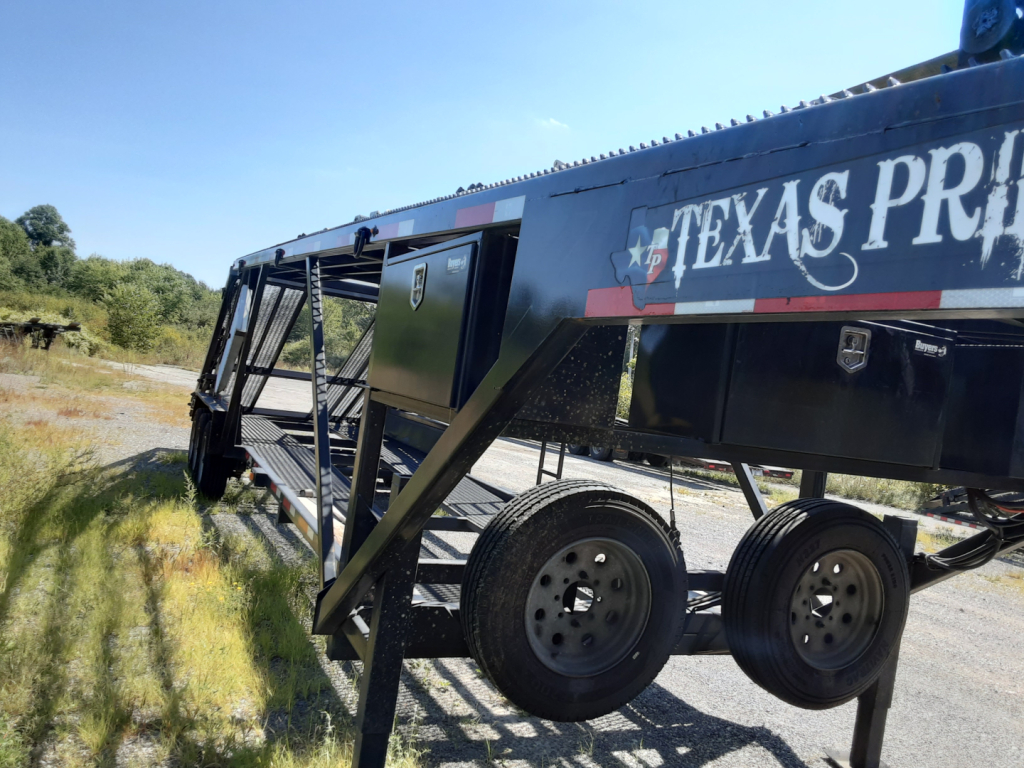
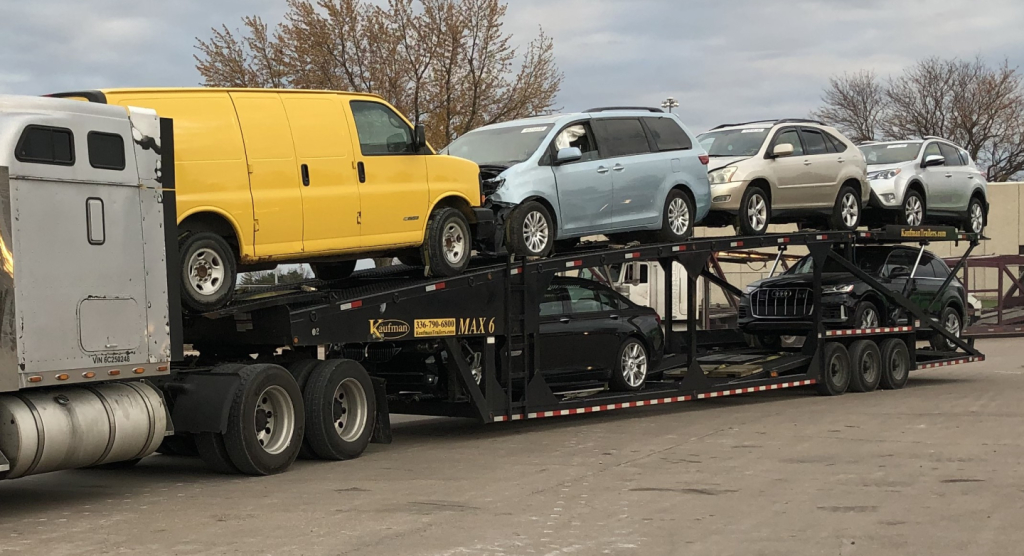
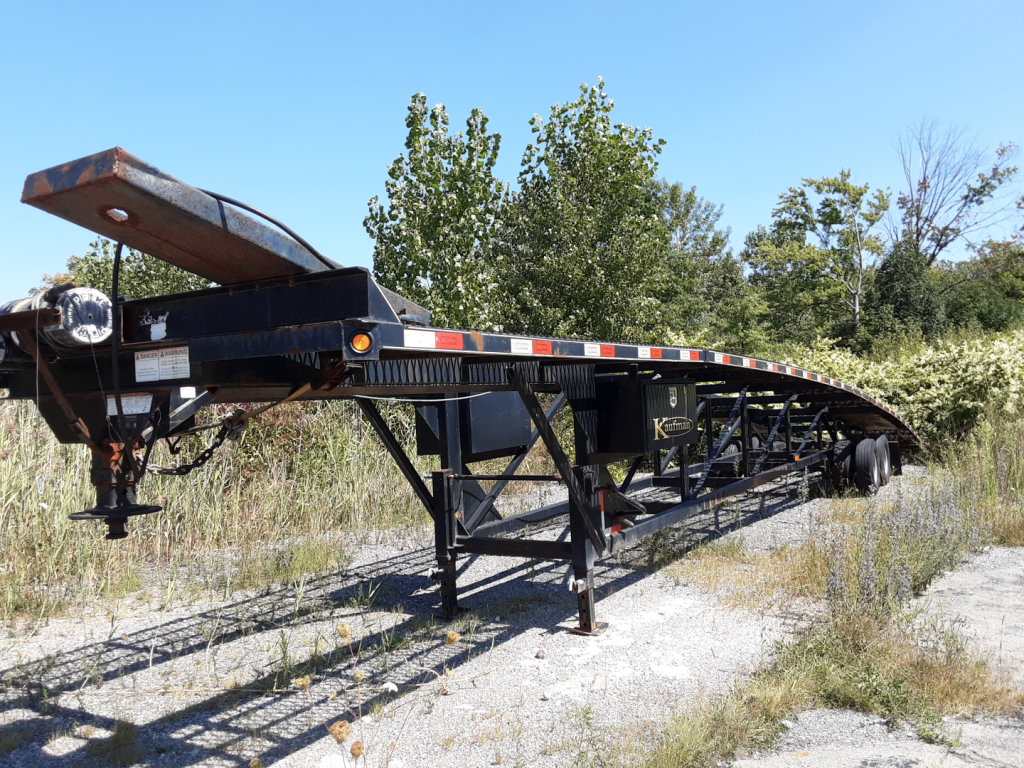
Car carrier trailers are a common point of interest in this category, especially 3-car, 5-car, and 6-car configurations used for auto transport. These trailers are designed to maximize vehicle count while staying within legal height and weight limits. Key details include ramp angle, deck spacing, tie-down points, hydraulic versus gravity-assisted loading components, and the overall trailer length needed for the mix of sedans, SUVs, and light trucks being moved. Buyers should also pay attention to frame construction, crossmember spacing, brake condition, tire wear patterns, and whether the trailer is better suited for local dealer runs or longer interstate work.
Across the broader trailer market, axle configuration is one of the biggest buying decisions. Tandem and triple axle setups affect payload, ride quality, maintenance cost, and maneuverability. Suspension options such as leaf spring or air ride can matter depending on cargo sensitivity and route quality. Steel trailers typically offer durability and straightforward repairability, while aluminum models can reduce tare weight and improve payload efficiency. Other practical details include deck height, beavertail design, dovetail length, rub rails, stake pockets, winch tracks, LED lighting, and tire inflation systems on higher-spec units.
A good trailer purchase comes down to legal capacity, operating efficiency, and how quickly the unit can be loaded, secured, and turned back around for the next run. Buyers in this segment should verify VIN and title status, inspect the frame for fatigue or prior repairs, check suspension and brake wear, and confirm that coupler or fifth-wheel compatibility matches the intended tow vehicle. For haulers running Ohio, Pennsylvania, and surrounding states, corrosion resistance, lighting reliability, and brake performance deserve extra attention because seasonal weather and road treatment can shorten service life if a trailer has not been maintained properly.
Frequently Asked Questions about Trailers Near North Lima, Ohio
What should I look for first when buying a used trailer?
Start with the trailer’s rated capacity and intended application, then inspect the frame, axles, brakes, suspension, tires, and floor or deck structure. A trailer can look clean and still have fatigue cracks, uneven tire wear from axle issues, or brake components near the end of service life. Title status, VIN verification, and compatibility with your tow vehicle are just as important as cosmetic condition.
How do I choose the right car hauler trailer size?
The right size depends on the number and type of vehicles you plan to move, along with legal height, overall length, and axle weight limits. A 3-car hauler may fit smaller-volume independent transport work, while 5-car and 6-car setups are aimed at higher-capacity routes. Deck layout, ramp geometry, and spacing between loading positions matter because they affect how easily you can load taller SUVs, longer wheelbase vehicles, and low-clearance cars.
Is steel or aluminum better for a trailer?
Steel trailers are generally favored for strength, lower initial cost, and easier repair in many shops. Aluminum trailers reduce empty weight, which can improve payload capacity and fuel efficiency, but repair costs and up-front pricing are often higher. The better choice depends on duty cycle, cargo weight, corrosion exposure, and how long you plan to keep the trailer.
What trailer components wear out fastest in regular service?
Tires, brake components, wheel seals, suspension parts, lights, and deck or ramp contact points tend to show wear first. On car haulers and equipment trailers, loading areas and tie-down points also take repeated stress. Regular inspection of bearings, bushings, wiring, and structural welds helps catch problems early before they lead to downtime or roadside violations.
Why does axle configuration matter so much on a trailer?
Axle count and placement directly affect payload distribution, ride quality, turning behavior, maintenance cost, and legal compliance. Tandem axles are common for balanced performance and easier maneuvering, while triple axles can support heavier loads but add tire scrub and more maintenance points. Proper axle setup also helps reduce uneven tire wear and improves braking stability under load.