
New Trailers For Sale in Colorado
Shop new trailers for sale in Colorado including dump, flatbed, lowboy, and specialty trailers with the specs and features buyers compare most.
Learn morePopular Trailers Categories
Showing 121 to 132 of 132 results
Have new trailer to sell? List it here to reach thousands of buyers.
About New Trailers in Colorado
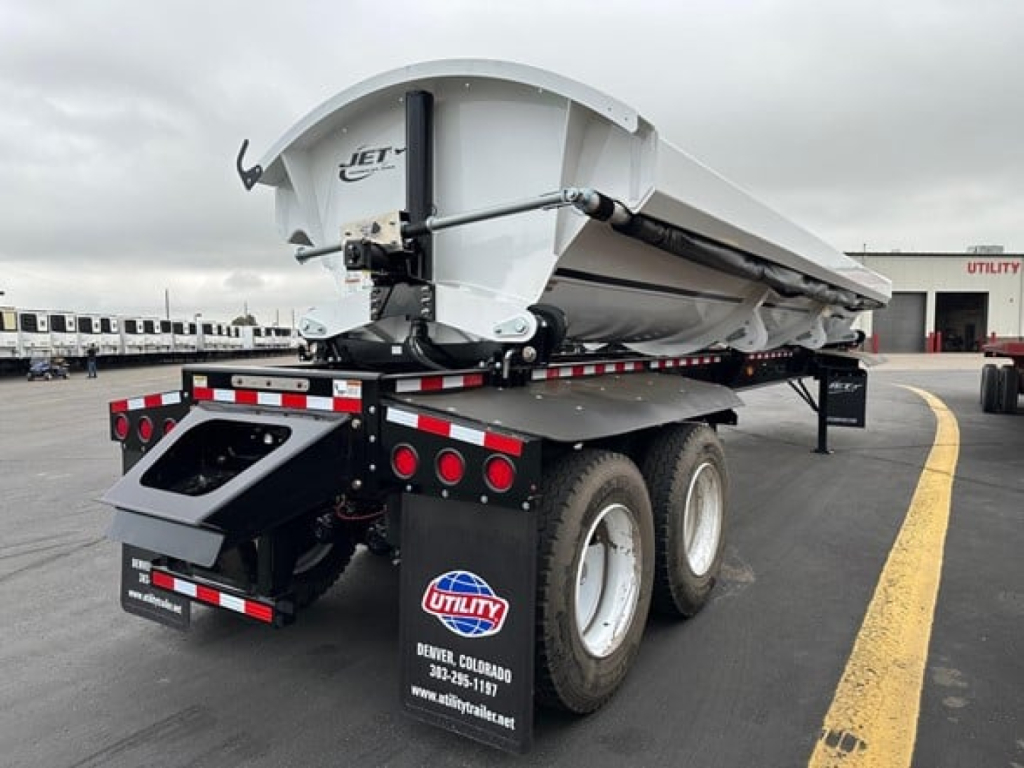
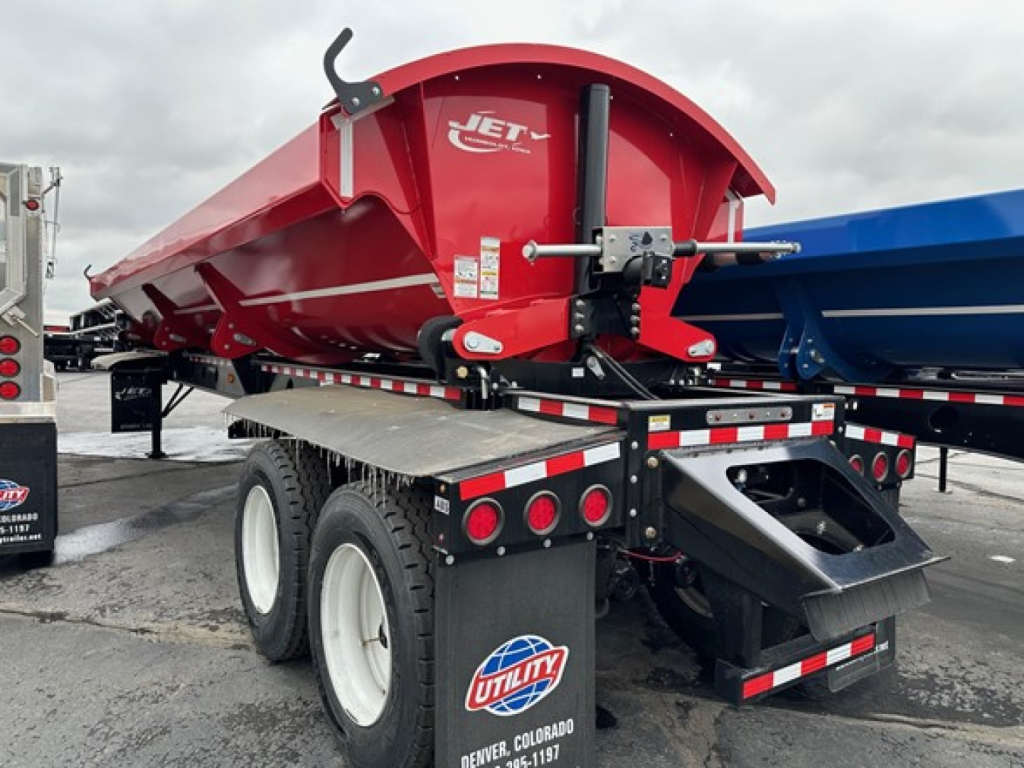
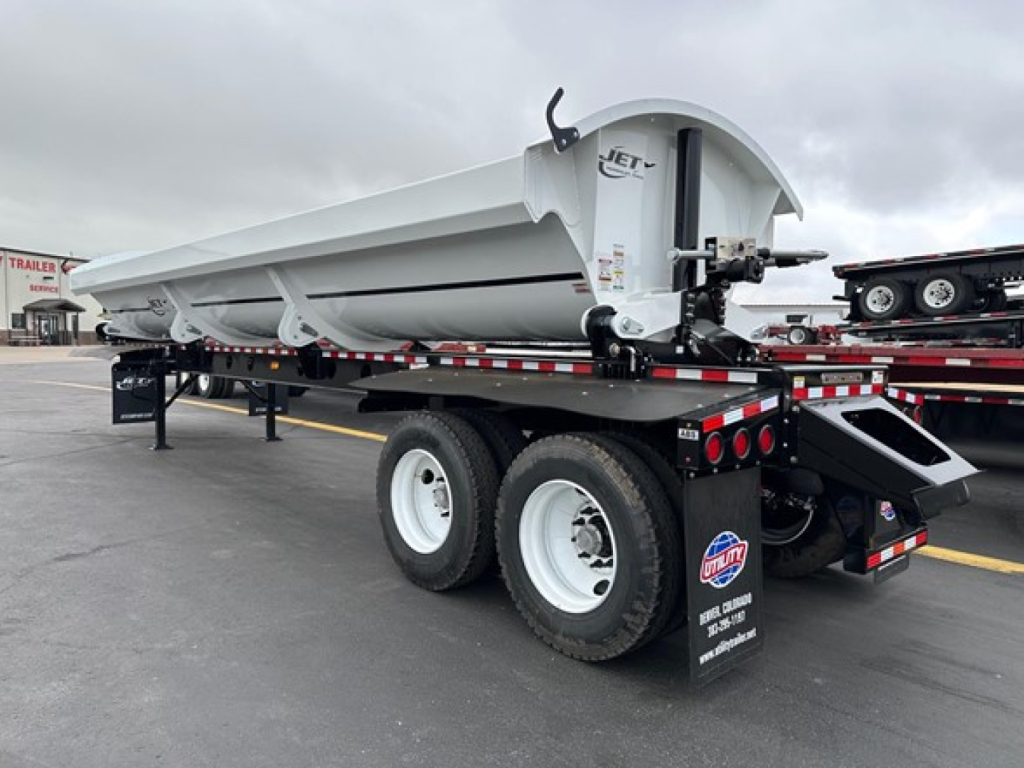
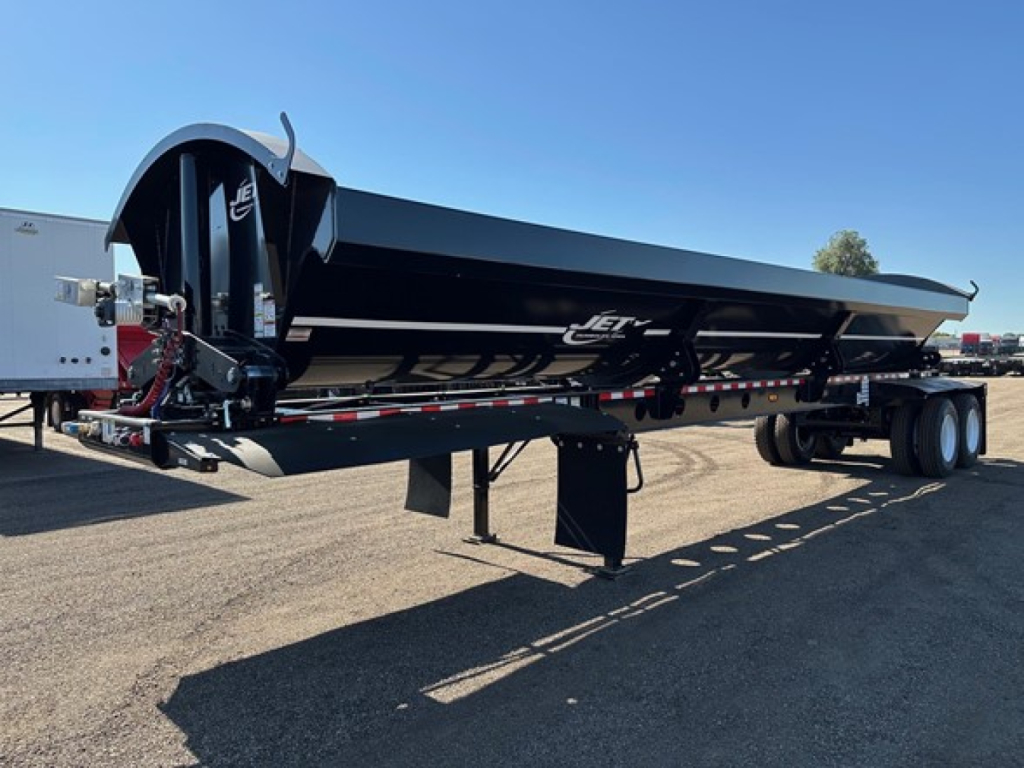
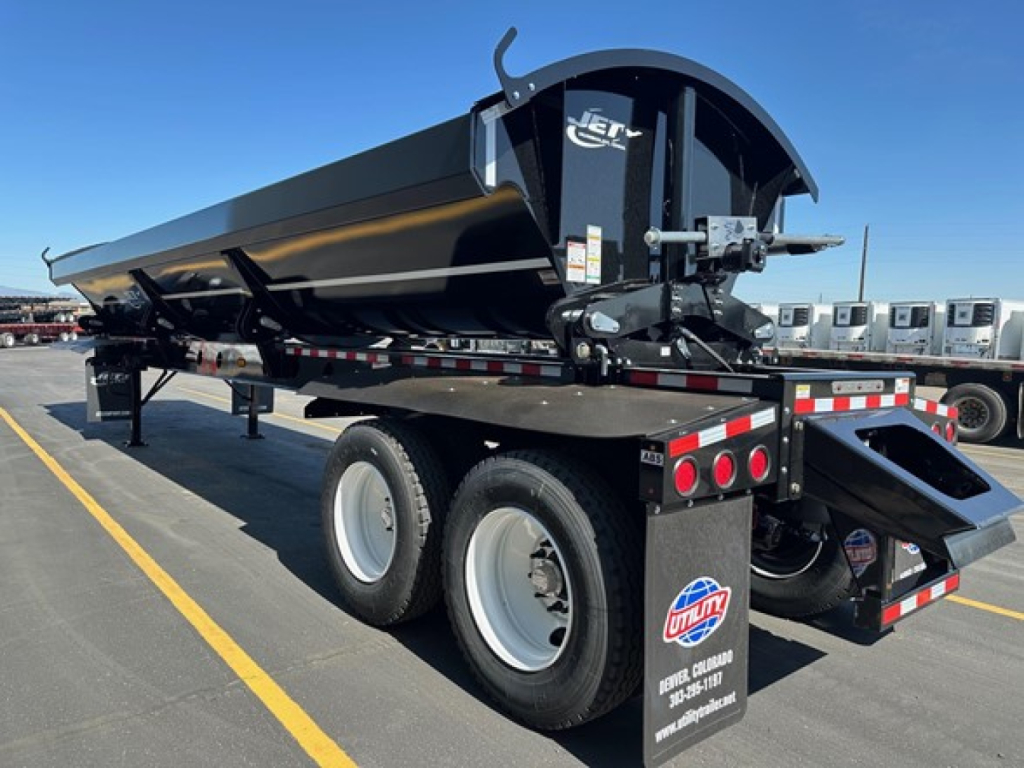
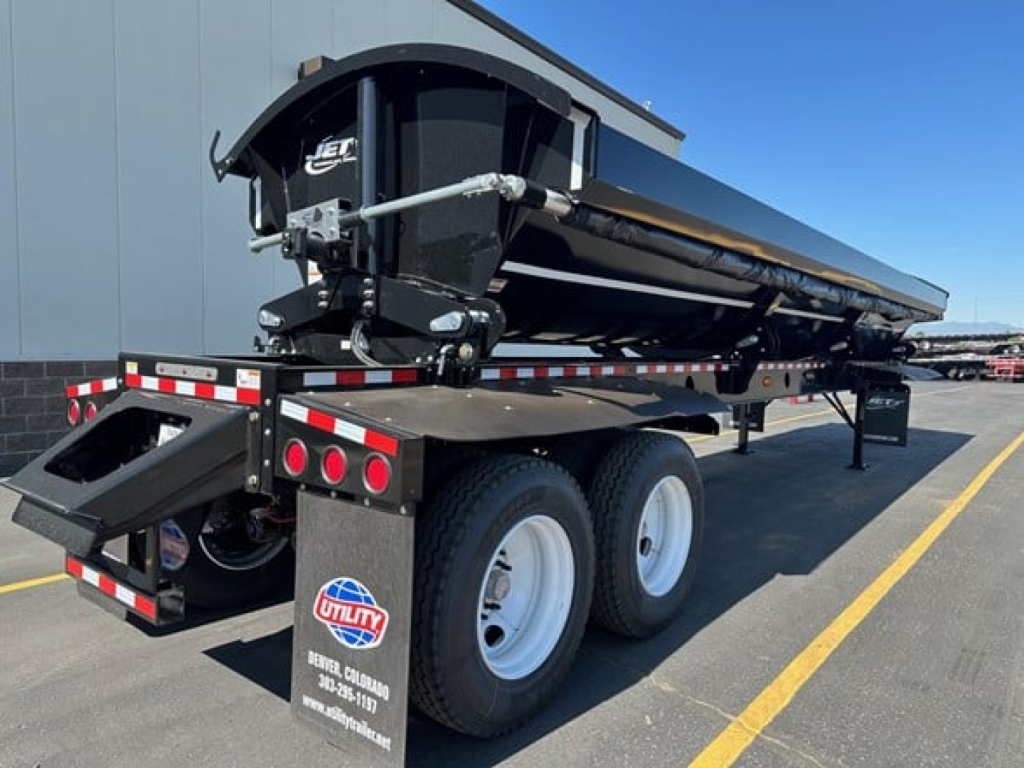
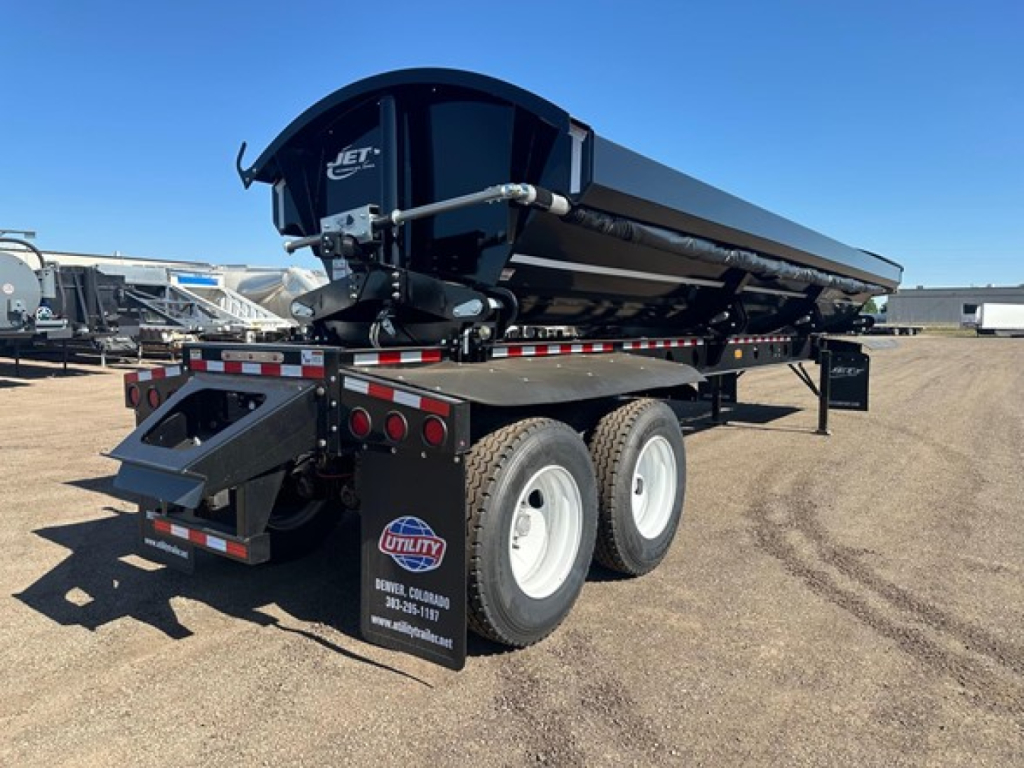
For dump applications, Colorado buyers often focus on side dumps, end dumps, and bottom dumps for construction, paving, quarry, and site cleanup work. Key details include frameless versus frame-type construction, tub length, AR400 or similar abrasion-resistant steel, gate style, electric tarp systems, push blocks, and suspension type such as air ride or single point. Side dumps are valued for stability during unloading on uneven ground, end dumps are common for bulk material and demolition debris, and bottom dumps are preferred for controlled spread applications like road base and aggregate placement. Capacity is often measured in cubic yards, but the better comparison is how the trailer balances cubic volume with legal payload and durability in abrasive service.
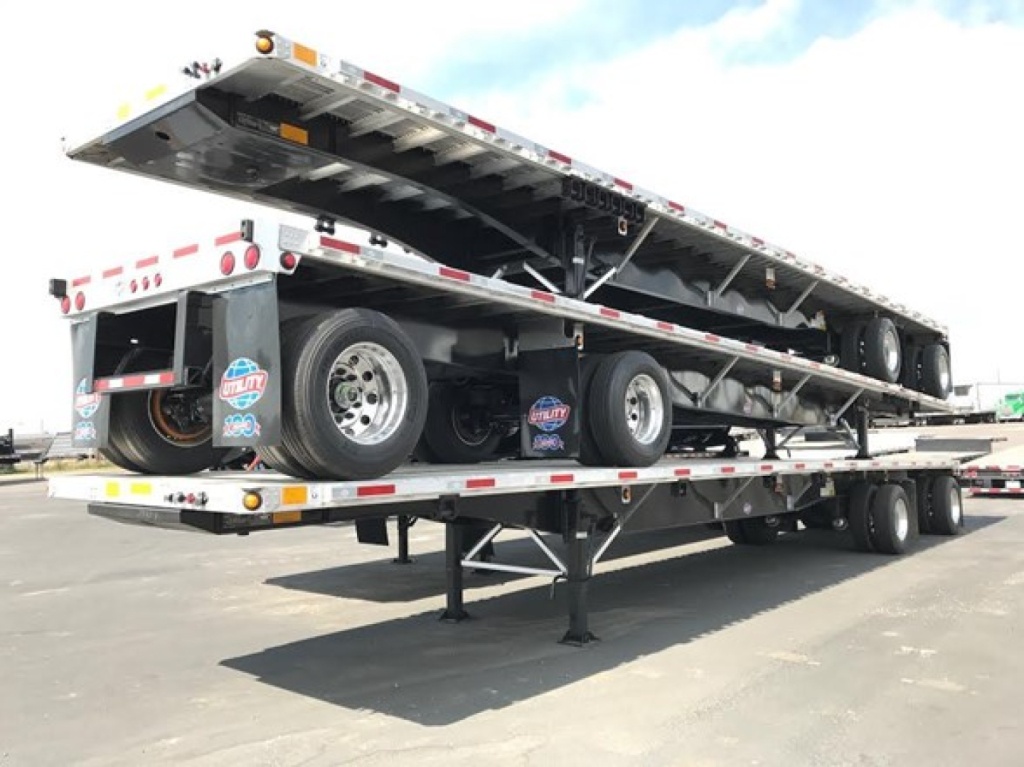
Flatbeds and lowboy-related equipment demand a different kind of spec review. A new flatbed trailer is often judged by deck length, floor type, coil package rating, winch track layout, stake pockets, pipe spools, and overall empty weight. Combination flatbeds with steel main beams and aluminum components are a common compromise between durability and payload. For heavy-haul buyers, lowboy accessories and configurations such as spreader bars, detachable neck considerations, and ride height adjustment matter because they influence deck loading angles, axle loading, and machine compatibility. Tire size, wheel material, lighting, fenders, landing gear, and toolbox layout also affect long-term usability more than many first-time buyers expect.
Colorado operating conditions make trailer specification especially important. Mountain grades, changing weather, rough jobsite entrances, and highway enforcement all put pressure on braking, suspension, tire choice, and structural integrity. Air ride is popular for protecting cargo and improving ride quality, but some severe-service applications still favor simpler heavy-duty setups. Buyers should compare axle spread, kingpin setting, overall length, and component serviceability alongside the advertised capacity. The right new trailer is not just the one with the highest rating on paper. It is the one whose structure, suspension, gate system, deck design, and tare weight line up with the freight, route, and loading method used every day.
Frequently Asked Questions
What types of new trailers are most common for commercial buyers in Colorado?
Common new trailer types in Colorado include dump trailers, flatbeds, lowboys, bottom dumps, side dumps, and end dumps. Demand is driven by construction, aggregate hauling, oilfield support, equipment transport, agriculture, and regional freight. Dump trailers are popular for dirt, rock, asphalt millings, and demolition debris, while flatbeds handle building materials, steel, machinery, and palletized freight. Lowboy and specialty heavy-haul configurations are selected for machines and oversized equipment where deck height and axle loading are critical.
How do I choose between a side dump, end dump, and bottom dump trailer?
The best choice depends on the material, unloading area, and how controlled the discharge needs to be. Side dumps are known for stable unloading and quick cycle times, especially on uneven jobsites. End dumps are widely used for bulk loads and high-volume hauling, but they require more attention to ground conditions and trailer stability when raised. Bottom dumps are designed for metered discharge and are commonly used for road work, aggregate spreading, and windrow applications where consistent material placement matters.
Why does axle configuration matter so much on a new trailer?
Axle configuration affects legal payload, turning radius, bridge law compliance, tire scrub, and how the trailer performs on the jobsite. Tandem axles are common for general use, while tri-axle and spread axle designs can help distribute weight more effectively for heavier applications. Lift axles add flexibility by improving payload options while allowing reduced tire wear when the extra axle is not needed. Buyers should match axle layout to the freight, route restrictions, and expected operating environment rather than choosing by capacity alone.
What specs should I compare first when shopping for a new flatbed trailer?
Start with deck length, width, empty weight, floor construction, axle spread, suspension, and tiedown equipment. A flatbed used for steel, coil, lumber, or machinery may also need a coil package, sliding winches, dual winch tracks, stake pockets, nail strips, and pipe spools. Material choice matters too, because all-steel, aluminum, and combination trailers each trade off durability against tare weight. The right flatbed spec is the one that supports the cargo securement methods and payload targets used in regular operation.
Are new steel trailers better than aluminum or combination trailers?
Steel trailers are often preferred for severe-duty applications because they handle abrasion, impact, and concentrated loading well. Aluminum trailers reduce tare weight and can improve payload, but they may not be ideal for every heavy construction or demolition application. Combination trailers are a common middle ground, using steel where structural strength is needed and aluminum where weight savings help. The better material is the one that fits the cargo, loading method, maintenance program, and expected trailer life cycle.