
New 2027 Trailers For Sale in New Mexico
Shop new 2027 trailers for sale in New Mexico, including reefer, dump, vacuum, and specialty trailers built for demanding commercial hauling.
Learn more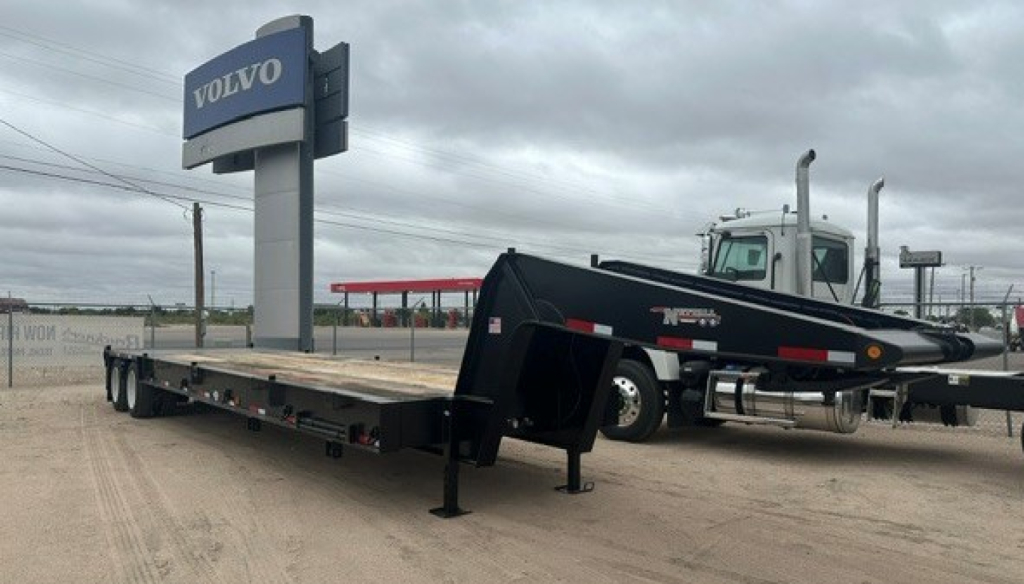
Have new 2027 trailer to sell? List it here to reach thousands of buyers.
About New 2027 Trailers in New Mexico
Frequently Asked Questions
What should I look for first when buying a new 2027 trailer in New Mexico?
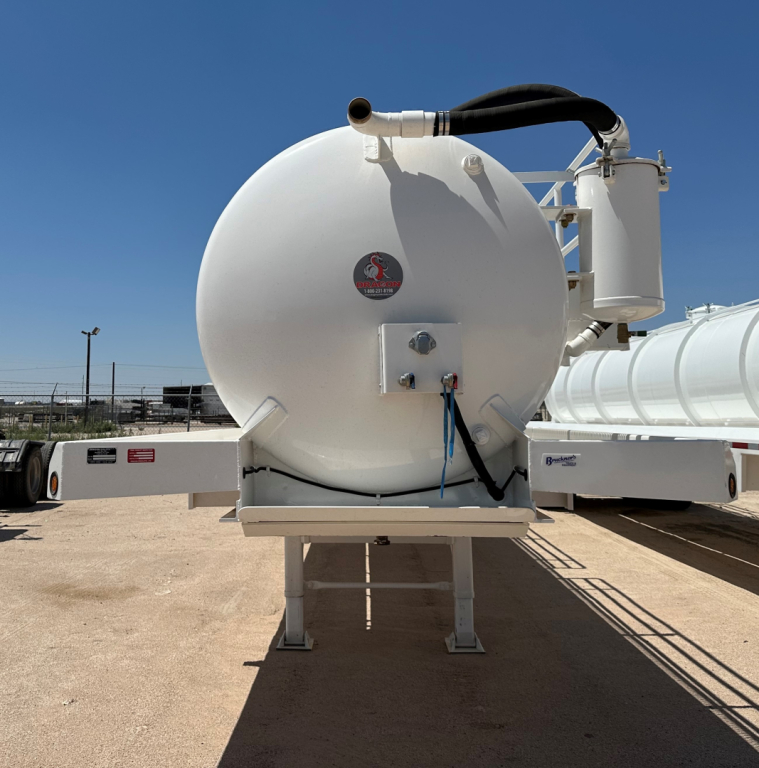
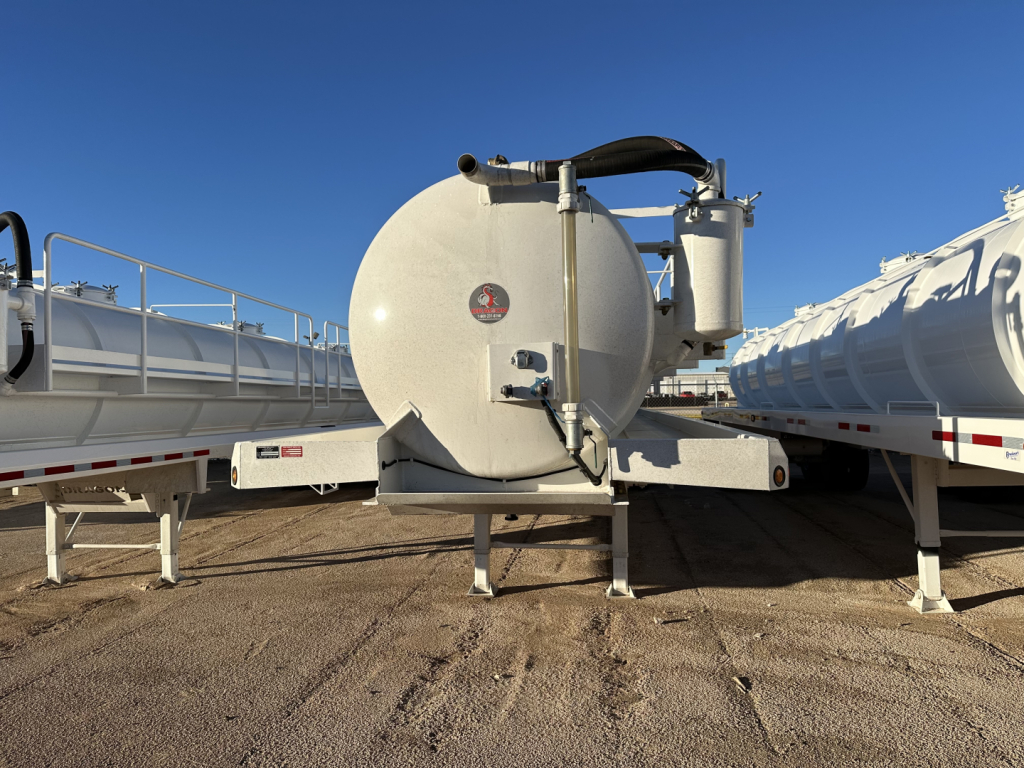
Start with the application, because trailer design follows the load. A refrigerated trailer should be evaluated around insulation package, interior width, floor style, rear door seal, and refrigeration unit compatibility. A dump trailer should be judged by tub material, sidewall design, cubic yard capacity, suspension, and tarp system. A vacuum trailer should be reviewed for barrel capacity, code status, plumbing layout, suspension, and service access. New Mexico buyers also need to think about long highway stretches, heat, wind exposure, and mixed road conditions, because those factors affect suspension choice, tire specification, and aero equipment.
Is air ride or spring suspension better on a trailer?
Air ride is usually preferred when cargo protection, ride quality, and dock approach control matter. It is common on reefer trailers and many dump and specialty trailers because it helps reduce shock transfer and can improve stability depending on the application. Spring suspension is simpler and may appeal in severe-service environments where buyers prioritize straightforward maintenance and lower upfront cost. The right answer depends on payload, road conditions, trailer type, and how often the trailer runs loaded versus empty.
What specs matter most on a new dump trailer?
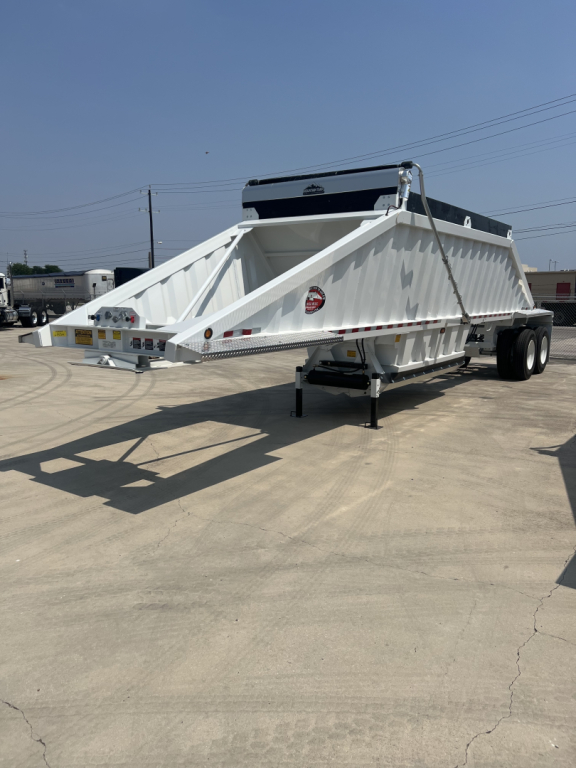
The key specs are body length, cubic yard capacity, tub material, floor and wall thickness, suspension, axle spread, liner or wear package, and tarp setup. Buyers hauling rock, asphalt millings, demolition debris, or other abrasive material often focus on AR steel, reinforced corners, push block design, and how the trailer handles repeated dump cycles. Side dump buyers also pay close attention to tub geometry and rollover stability because those directly affect unload speed and safety on uneven ground.
What features are most important on a new reefer trailer?
Important reefer specs include trailer length and width, insulation performance, floor design, rear frame construction, door configuration, suspension, and tire management systems. Many buyers want air ride, slider tandems, aluminum duct floors, wearbands, and durable rear door hardware because those features affect cargo protection and service life. If the trailer will spend time at grocery docks or in multi-stop distribution, look closely at dock protection, door durability, and how easy the interior is to clean and maintain.
What does non-code mean on a vacuum trailer?
A non-code vacuum trailer is generally built for jobs that do not require ASME or DOT pressure-code construction, depending on the material being hauled and the regulations that apply to the operation. These trailers are common in industrial cleanup, oilfield service, and fluid hauling where high capacity and rugged construction are more important than pressure-rated vessel design. Buyers should confirm exactly what products will be hauled, where the trailer will operate, and what local, state, or federal rules apply before selecting code versus non-code construction.