
Trailers For Sale Near New Braunfels, Texas
Have trailer to sell? List it here to reach thousands of buyers.
Trailers Near New Braunfels, Texas
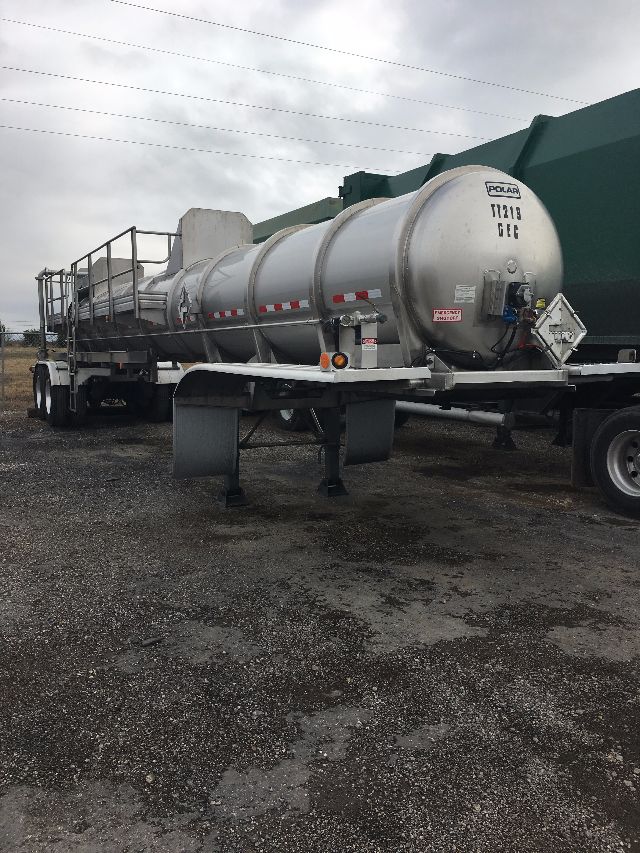
A buyer comparing used trailers should pay close attention to structure, compliance, and maintenance history before cosmetic appearance. On tank trailers, inspect the shell, barrel, internal lining, compartment configuration, vapor recovery equipment, and DOT specification such as DOT 412 when chemical service is involved. On vans and reefers, look closely at crossmembers, floor condition, rear frame, door seals, and signs of water intrusion. On flatbeds and drop decks, focus on deck condition, aluminum versus steel construction, winch track wear, landing gear, and evidence of frame damage or poor repairs. Brake type, tire condition, wheel-end service history, and air ride versus spring ride matter on every trailer category.
Specifications drive resale value and day-to-day utility. Common trailer considerations include length, axle count, GVWR, kingpin setting, suspension brand, lift axles, tire inflation systems, aluminum wheels, disc brakes, and telematics-ready wiring. Commodity-specific features can be just as important. Tank trailers may have stainless construction, insulation, heating systems, API equipment, and specialty linings such as Kynar for corrosive products. Reefer trailers may include multi-temp capability and air chute systems. End dumps, live floors, and lowboys each bring their own hydraulic, structural, and loading requirements. Buyers operating in and around New Braunfels often balance highway efficiency with durability for regional service, oilfield work, agriculture, manufacturing, and cross-border freight lanes.
The best trailer purchase is one that fits the freight, the tractor, and the regulatory environment without forcing expensive modifications later. Check axle weights against the loads you actually haul, confirm fifth wheel and kingpin compatibility, and review service records for ABS, brakes, suspension, and any specialty systems. A well-matched trailer improves loading speed, protects cargo, reduces tire and brake costs, and holds value better when specifications line up with a strong secondary market.
Frequently Asked Questions about Trailers Near New Braunfels, Texas
What should I look for first when buying a used trailer?
Start with the trailer type, its intended commodity, and its structural condition. A trailer can look clean and still have expensive issues in the frame, suspension, brakes, floor, shell, or wiring. Review the VIN plate, axle ratings, DOT or commodity-specific certifications, and maintenance records first. Then inspect wear items such as tires, brake components, wheel ends, landing gear, lights, and air system leaks. Matching the trailer to the actual freight is more important than finding the lowest price.
How do I choose the right trailer type for my operation?
Choose the trailer based on cargo dimensions, loading method, freight sensitivity, and legal weight. Dry vans handle palletized general freight, reefers protect temperature-sensitive cargo, flatbeds and step decks move oversized or machine-loaded freight, tank trailers handle liquid or dry bulk depending on specification, and hopper bottoms are common for grain and other free-flowing materials. If routes include job sites, oilfield access roads, or heavy seasonal use, durability and suspension setup become just as important as capacity.
Why do trailer specifications affect resale value so much?
Trailer specs determine how many buyers can use the unit without reworking it. Length, axle configuration, suspension, body material, kingpin setting, brake system, and specialty equipment all affect marketability. A common spec with broad freight compatibility usually resells faster than a narrow application unit. Specialty trailers can retain strong value too, but only when the specification matches an active niche market and current compliance standards.
What is especially important when buying a used tank trailer?
Tank trailers require closer review than many other trailer types because commodity compatibility and compliance matter as much as physical condition. Confirm the DOT code, shell material, lining, compartment setup, pressure or vacuum equipment if applicable, and the status of tests and inspections. Look for documentation on barrel repairs, lining condition, vapor recovery components, valves, hoses, and manways. A tank trailer that is correct for the product and supported by current inspection records is far more valuable than one that simply has good cosmetic appearance.