
Trailers For Sale Near Monroe, North Carolina
Browse trailers for sale in Monroe, NC, including dry vans, flatbeds, reefers, dumps, lowboys, tankers, and specialty hauling equipment.
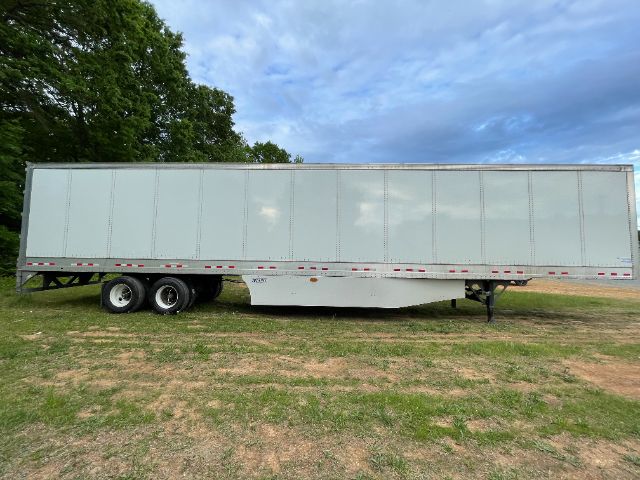
Have trailer to sell? List it here to reach thousands of buyers.
Trailers Near Monroe, North Carolina
A serious trailer comparison should include suspension type, brake spec, floor condition, roof and wall integrity, tire condition, wheel-end service history, and the state of the lights and wiring. On van and reefer trailers, buyers usually pay close attention to swing or roll-up doors, logistics posts, scuff liners, floor rating, rear frame condition, and signs of water intrusion. On flatbeds and other open-deck trailers, key details include deck material, crossmember spacing, winch track setup, rub rail condition, coil package, and the number and placement of tie-down points. For heavier vocational and equipment-hauling trailers, axle capacity, deck height, beavertail design, ramp style, and kingpin setting matter because they directly affect load angle, bridge law compliance, and tractor compatibility.
Monroe and the broader North Carolina market support a mix of local, regional, and long-haul operations, so trailer selection often comes down to lane type and freight mix. Carriers moving retail and palletized freight tend to prioritize dry vans with solid floors and good rear door seal condition. Agricultural, construction, and industrial users may lean toward hoppers, dumps, equipment trailers, or lowboys depending on commodity and terrain. Buyers running in the Southeast also need to think about corrosion exposure, especially on older units with heavy road use, as well as downtime risk tied to air system leaks, ABS faults, and neglected suspension components. A well-matched trailer should fit the freight, the tractor, and the operating region without forcing avoidable compromises in payload or service intervals.
The most useful way to evaluate any trailer category is to balance purchase price against expected annual miles, cargo type, and repair exposure. Newer trailers may offer aerodynamic gains, lighter tare weight, and better telematics compatibility, while older trailers can still pencil out if the structure is sound and maintenance records are strong. Buyers comparing listings should look beyond paint and appearance and focus on frame condition, prior repairs, DOT readiness, and the practical cost of bringing the trailer into regular service. In most operations, the right trailer is the one that loads efficiently, stays compliant, and holds up under the exact freight demands it will see every week.
Frequently Asked Questions about Trailers Near Monroe, North Carolina
What types of trailers are most commonly used for freight hauling?
The most common freight trailers are dry vans, refrigerated trailers, flatbeds, and step decks. Dry vans handle general palletized freight and protect cargo from weather. Reefer trailers serve temperature-sensitive freight and require refrigeration unit maintenance. Flatbeds and step decks are used for freight that cannot be loaded through enclosed trailer doors, including steel, lumber, machinery, and oversized materials.
What should I inspect first when buying a used trailer?
Start with the structure, running gear, and brake system. Check the frame, crossmembers, floor, roof, walls, suspension, axles, air lines, brakes, tires, and wheel ends before focusing on cosmetics. On enclosed trailers, inspect for water intrusion, door seal wear, and interior damage such as torn scuff liners or floor soft spots. On open-deck trailers, look closely at deck wear, rub rails, tie-down equipment, and signs of prior overload stress or poor repairs.
Is a 53-foot dry van the best trailer for general freight?
A 53-foot dry van is the standard choice for many over-the-road and regional freight operations because it offers strong cubic capacity, broad freight compatibility, and weather protection. It is especially effective for palletized consumer goods, packaged products, and distribution freight. It is not the best fit for every load, though, because freight that is oversized, top-loaded, or temperature-sensitive may require a flatbed, step deck, or reefer instead.
How do axle configuration and trailer length affect hauling capacity?
Axle setup and trailer length influence legal payload, maneuverability, bridge compliance, and loading flexibility. Tandem axle trailers are common for highway freight, while spread axle and tri-axle configurations can improve weight distribution for certain applications. Longer trailers, such as 53-foot units, maximize cargo space for standard freight, but they may be less maneuverable in tight local delivery settings than shorter trailers.
What matters most when matching a trailer to my operation in North Carolina?
The key factors are freight type, route profile, tractor spec, and maintenance support. North Carolina operations often include a mix of urban deliveries, regional lanes, and agricultural or industrial hauling, so trailer choice should reflect where and how the equipment will work. Buyers should also consider local service access, parts availability, corrosion condition, and whether the trailer's dimensions, suspension, and axle capacities fit both the load and the roads it will run.