
Trailers For Sale Near Monon, Indiana
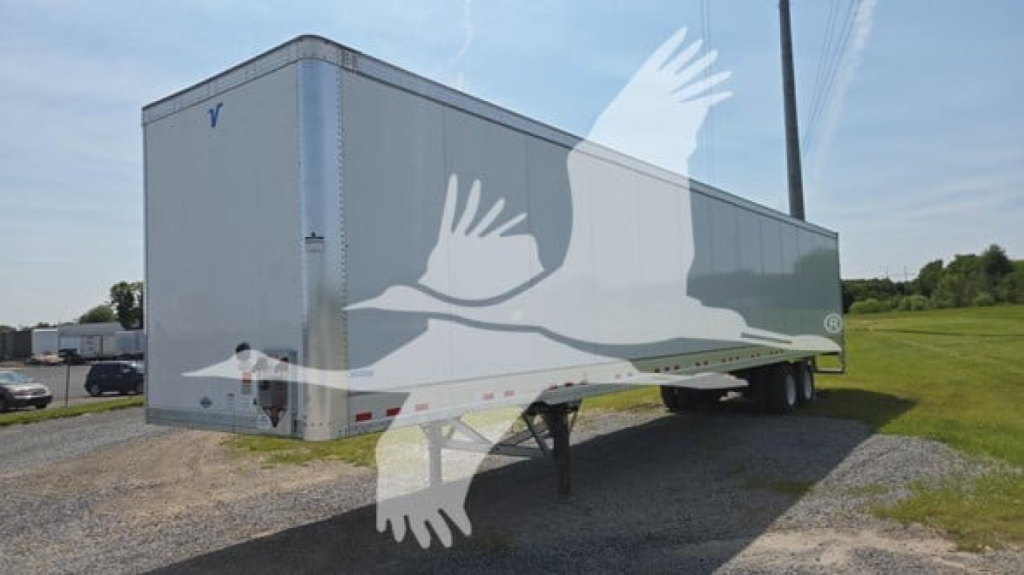
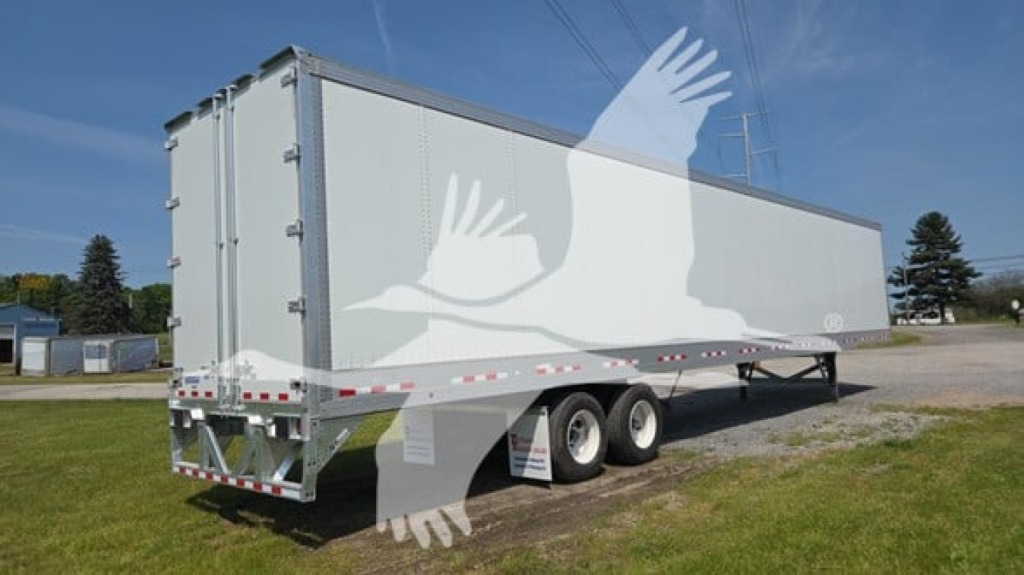
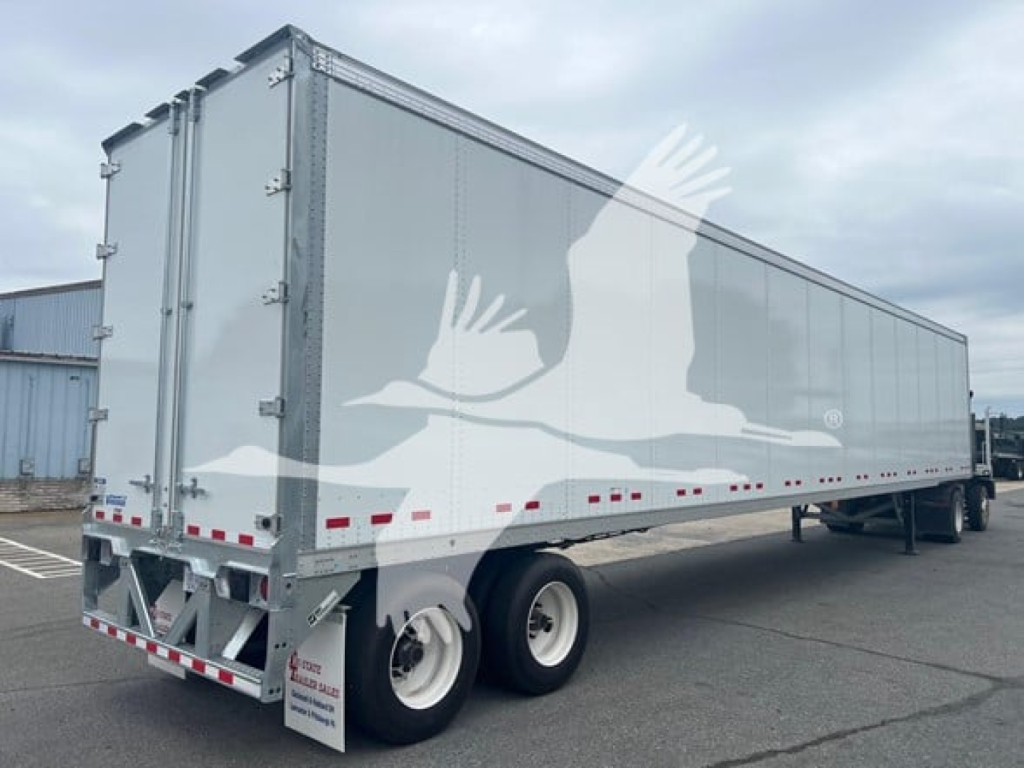
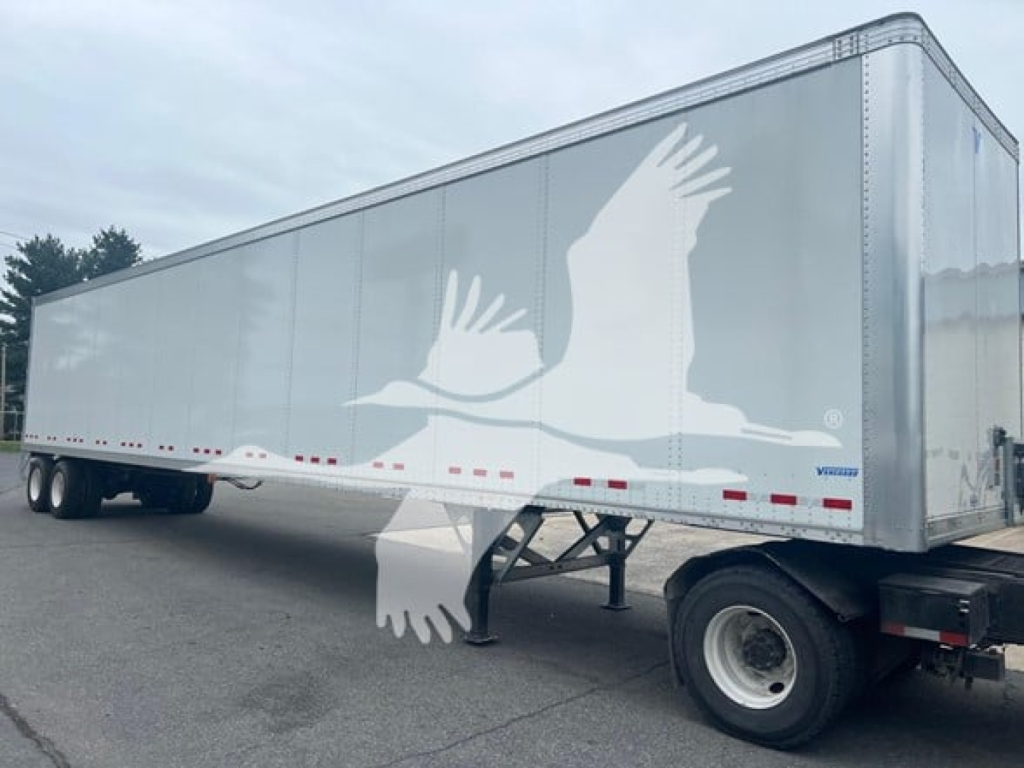
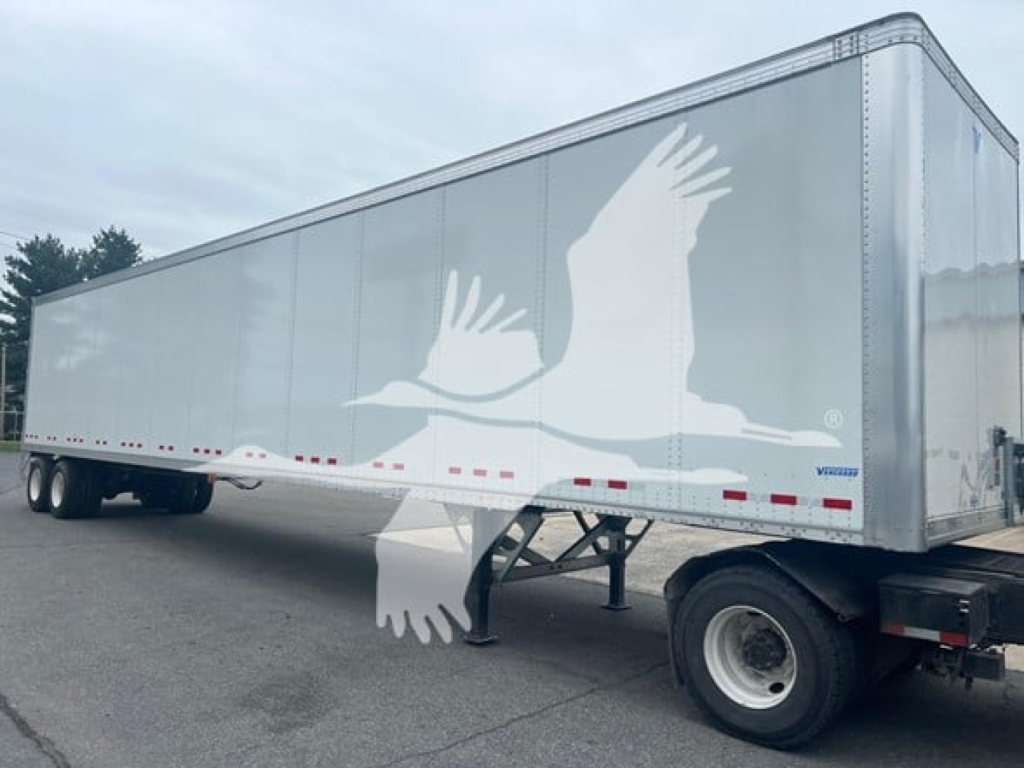
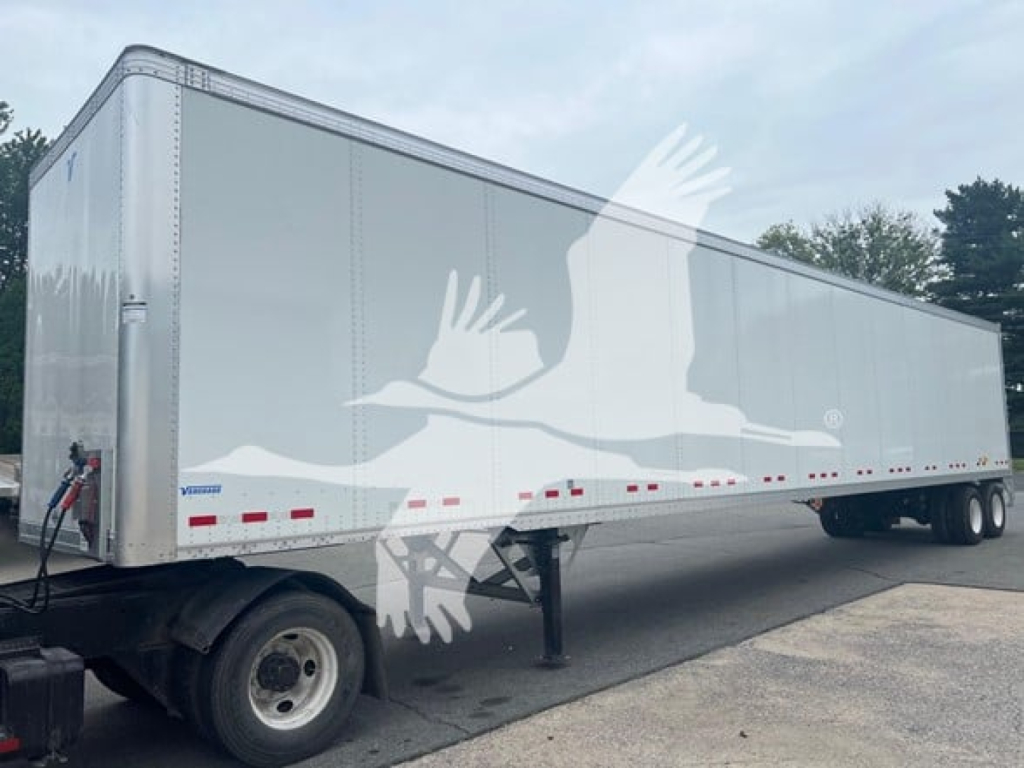
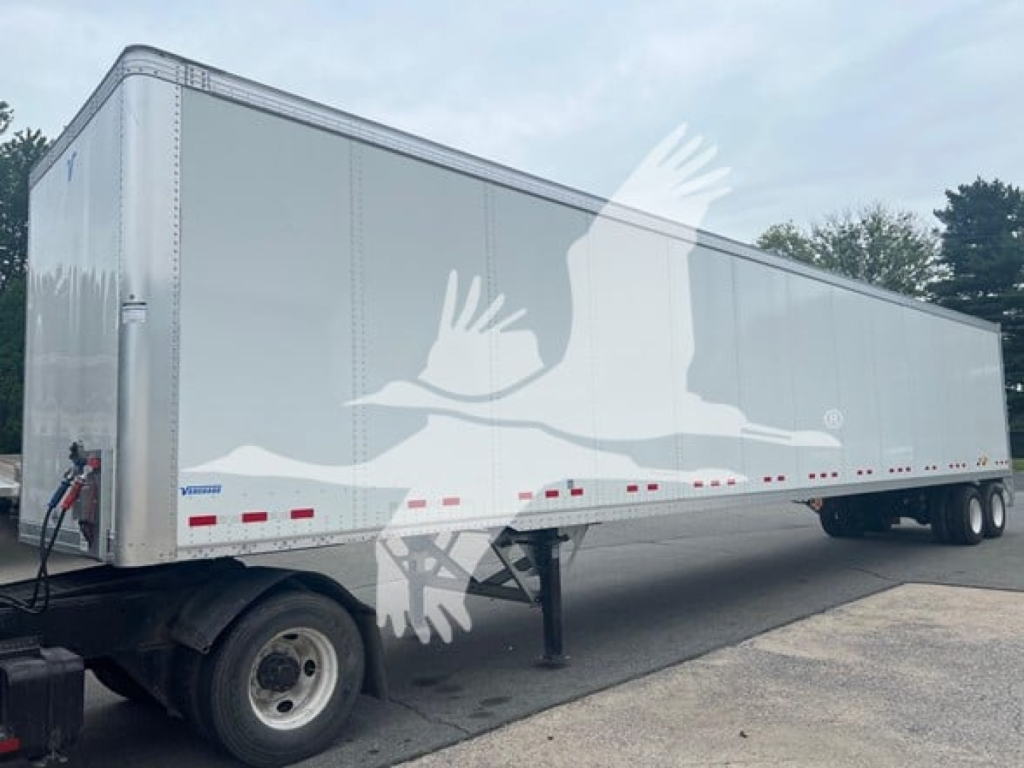
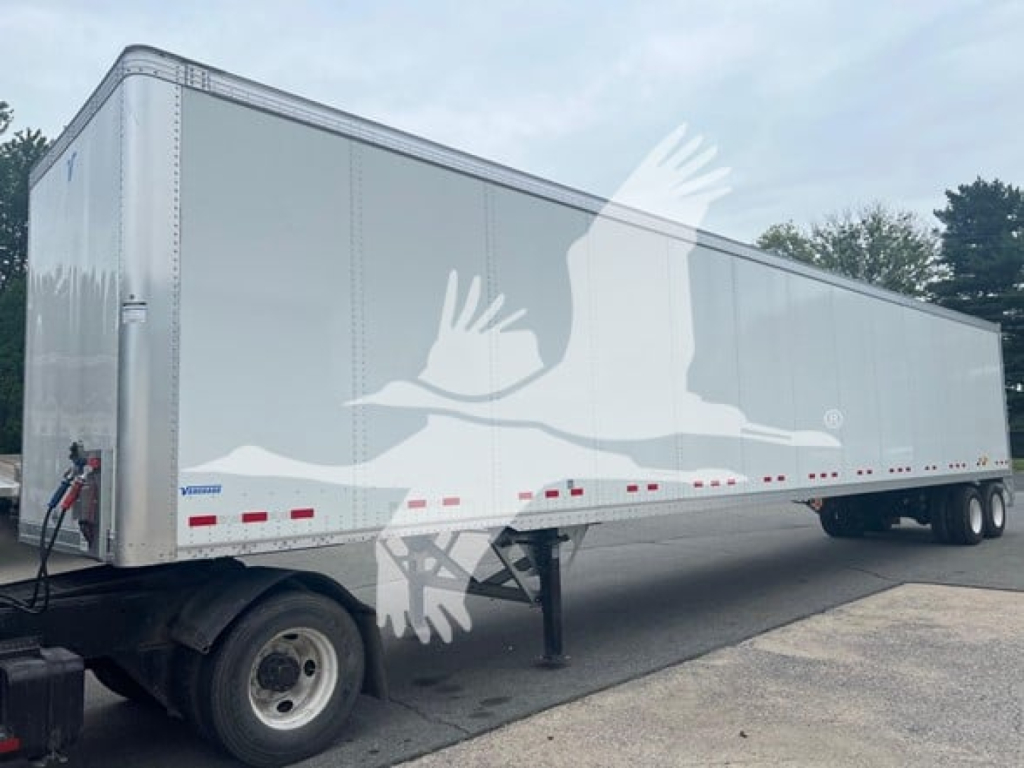
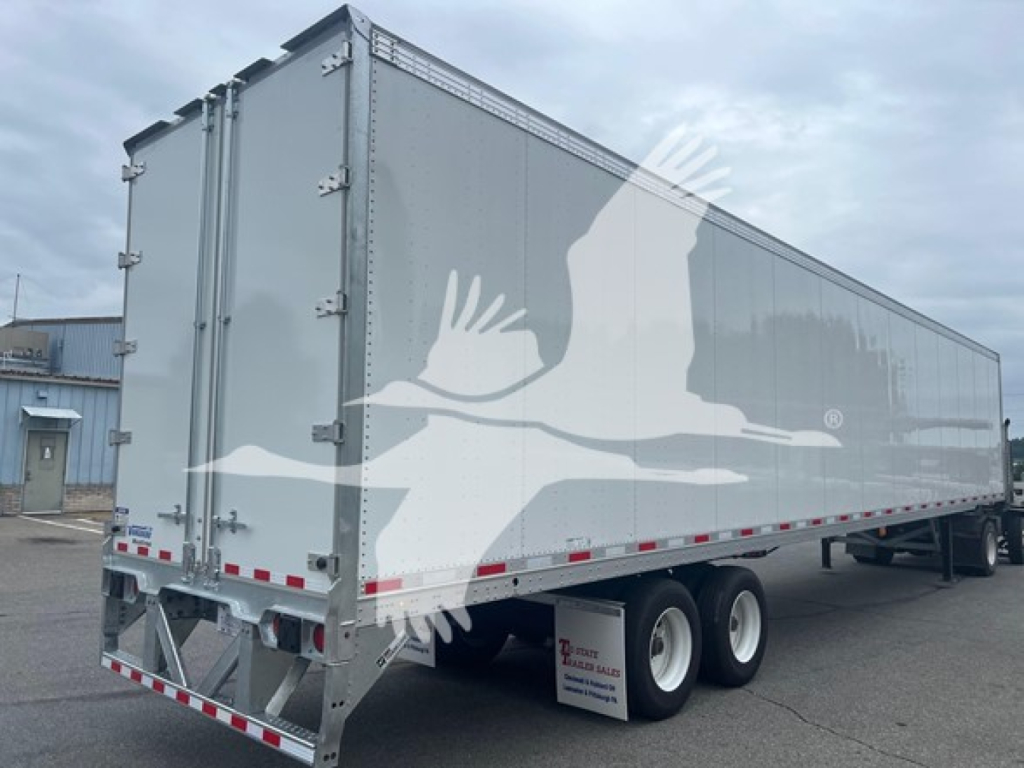
Have trailer to sell? List it here to reach thousands of buyers.
Trailers Near Monon, Indiana
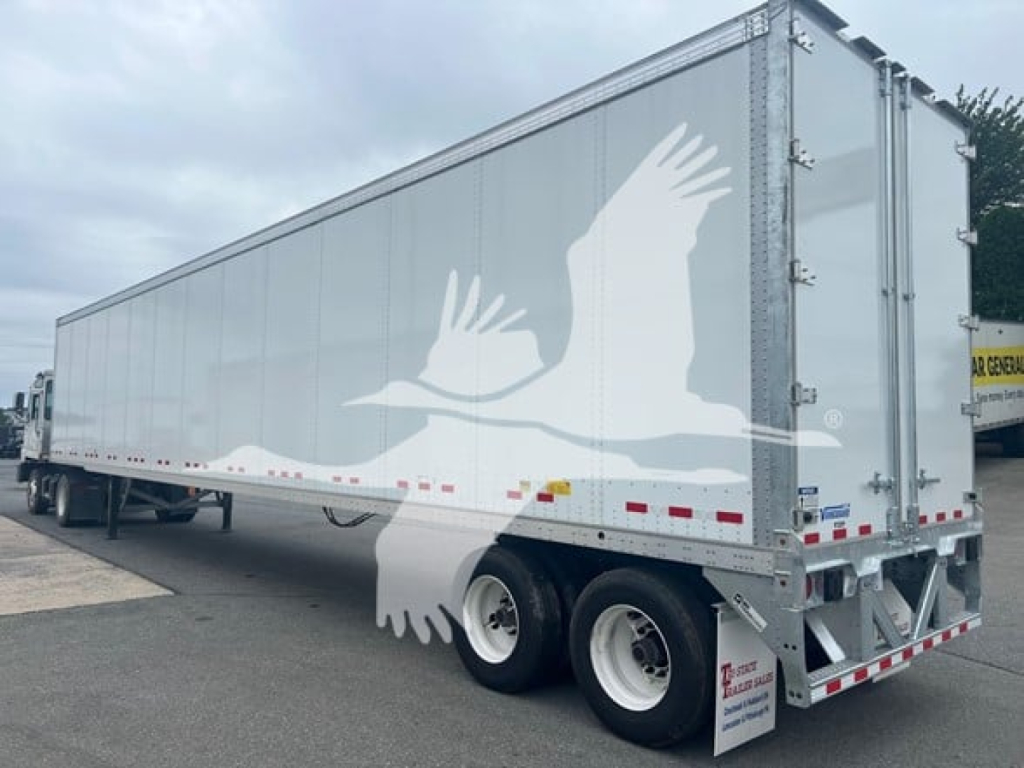
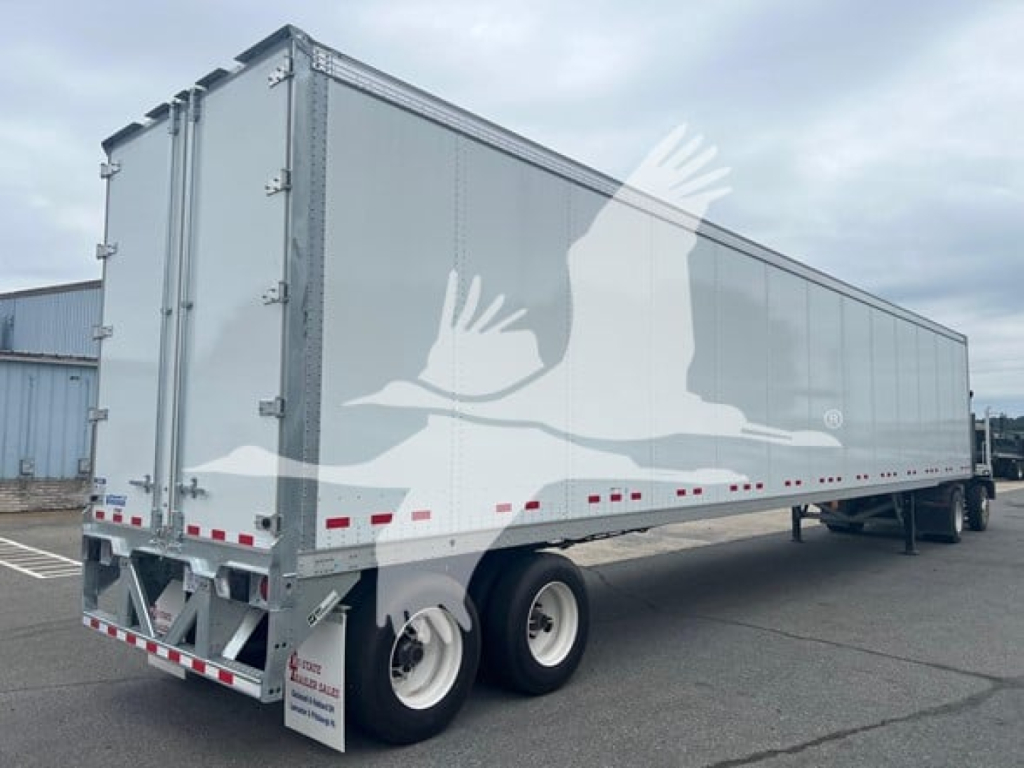
Construction details separate a fleet-spec trailer from a trailer built for heavier dock work and longer service life. Plate or composite sidewalls, galvanized rear frames, reinforced dock bumpers, aluminum roofs, and anti-snag roof bows all help the trailer hold up under repeated loading cycles. Buyers should pay close attention to floor design, especially on vans used in food service, retail, and LTL-style handling. A 1 3/8-inch oak floor, crossmember spacing, and published floor ratings are worth reviewing closely if freight includes heavy concentrated loads or frequent forklift traffic. Scuff liners, nose lining, internal bulkheads, and logistics posts are also important because they directly affect wall protection and cargo securement flexibility.
Running gear spec is another major decision point. Many late-model van trailers use air ride suspension, sliding tandems, standard 295/75R22.5 tires, and two-speed landing gear because those specs balance ride quality, axle compliance, and serviceability. A 49-inch sliding tandem with long slide rails gives more flexibility for bridge law and dock positioning, while common kingpin settings help with tractor compatibility across mixed fleets. Tire inflation systems are increasingly common on highway vans because they reduce irregular wear and help maintain uptime. ABS configuration, brake component availability, and wheel choice also matter if the trailer will be integrated into a fleet maintenance program.
For buyers comparing trailers for sale in Monon, Indiana, the right choice usually comes down to freight profile and operating environment. A standard plate van is a strong fit for general dry freight, while a high base rail design can make sense for operations that see more side impact, harder forklift use, or more demanding dock conditions. Look closely at scuff package height, crossmember centers, floor rating, rear frame corrosion protection, and cargo control features before comparing price alone. The best trailer spec is the one that matches your lanes, loading methods, and maintenance expectations over the long haul.
Frequently Asked Questions about Trailers Near Monon, Indiana
What is the most common trailer size for dry freight hauling?
The most common dry van trailer size is 53 feet long, 102 inches wide, and 13 feet 6 inches tall overall. That configuration is widely used for palletized freight, retail loads, and general over-the-road service because it maximizes legal cargo space while remaining compatible with standard docks, fleet tractors, and common route requirements.
Why does crossmember spacing matter on a van trailer?
Crossmember spacing affects floor strength, trailer durability, and how well the trailer handles repeated forklift loading. Closer spacing, such as 10-inch or 12-inch centers, generally provides better support for concentrated cargo and frequent dock use. Buyers moving heavier palletized freight or high-cycle freight should review crossmember design along with floor thickness and published floor rating.
What is the advantage of a sliding tandem on a trailer?
A sliding tandem allows the axle group to move forward or backward to help with bridge law compliance, weight distribution, and maneuvering at certain docks. This is especially useful for carriers running multiple states or different freight types, because axle position can affect legality and handling. A common setup is a 49-inch sliding tandem on long slide rails.
Are tire inflation systems worth it on highway trailers?
For many fleets, automatic tire inflation systems are worth the added cost because they help maintain proper tire pressure, reduce uneven wear, and lower the risk of roadside tire failures. On high-mileage van trailers, that can improve uptime and extend tire life. The value is highest in operations where trailers stay on the road continuously and tire maintenance intervals are stretched.
What should I look for in a dry van trailer used for heavy dock work?
For heavier dock and forklift service, focus on floor construction, crossmember spacing, rear frame galvanization, dock bumper reinforcement, scuff liners, and wall protection features. A stronger base rail design, quality threshold plate, and durable lining package can reduce long-term repair costs. Buyers should also confirm cargo securement features like logistics posts and review any stated floor rating before putting the trailer into demanding service.