
Trailers For Sale Near Mississauga, Ontario
Have trailer to sell? List it here to reach thousands of buyers.
Trailers Near Mississauga, Ontario
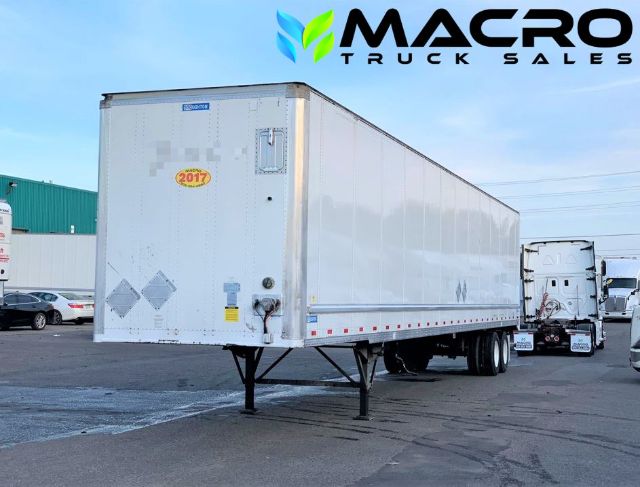
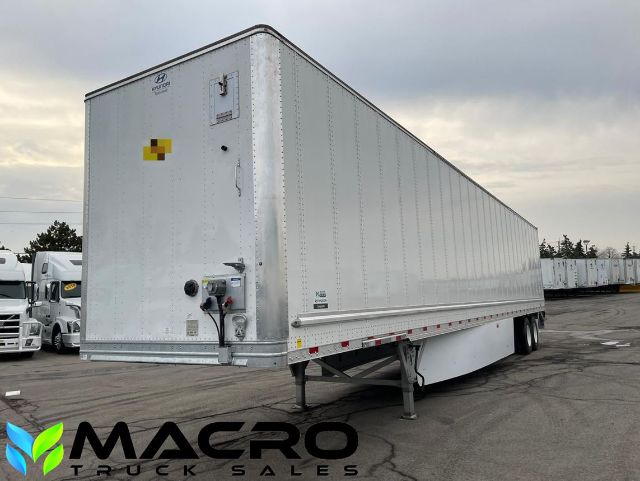
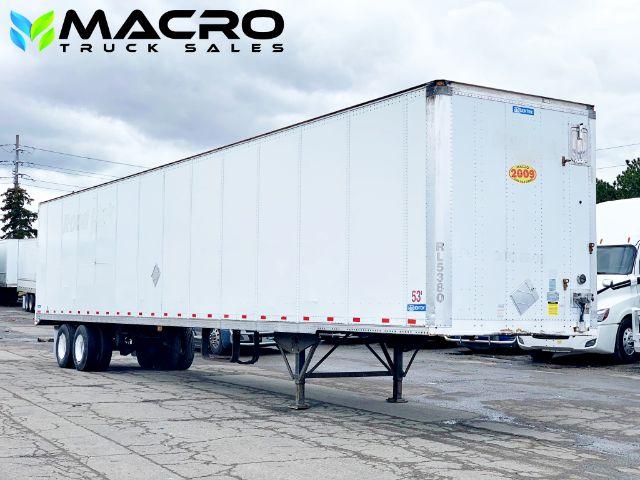
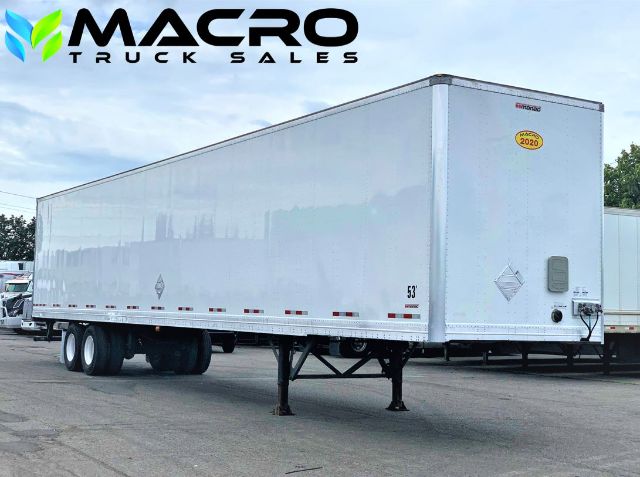
A buyer comparing used semi trailers should look closely at structural condition before focusing on cosmetics. Frame condition, crossmembers, floor wear, roof integrity, sidewall repairs, swing door alignment, and rear frame condition all affect long-term value. On dry vans, check for logistics posts, scuff liners, duct floors, side skirts, vent options, and tire inflation systems if fuel economy and maintenance control matter to your operation. On reefer trailers, verify the condition of the insulated walls, evaporator area, drains, bulkhead, and reefer start-up performance. Tire size, wheel type, brake condition, and axle configuration also matter, especially for fleets running heavy payloads or regional stop-and-go routes.
Ontario buyers often have to think beyond basic trailer spec. Tridem setups may be important for certain payload requirements, while tandem axle trailers remain common for general freight. If the trailer will run between Canada and the U.S., confirm registration requirements, lighting compliance, overall dimensions, and maintenance documentation. For dock-height freight, standard van and reefer configurations remain the easiest to integrate into mixed fleets. Aerodynamic packages such as skirts can help on long highway runs, while aluminum wheels and automatic tire inflation systems can reduce downtime and improve operating efficiency over the life of the trailer.
The best trailer choice comes down to freight type, lane length, loading method, and maintenance discipline. A dry van trailer, also known as an enclosed van trailer, usually offers the lowest complexity for general cargo. A reefer trailer adds more earning flexibility but also more maintenance cost because the refrigeration unit becomes part of the asset decision. Buyers should compare age, brand reputation, floor and door condition, axle spread, tire and brake life, and any recent repairs. A well-spec'd used trailer can deliver strong value if the structure is sound and the configuration matches the freight it will handle every week.
Frequently Asked Questions about Trailers Near Mississauga, Ontario
What trailer type is best for general freight in Mississauga, Ontario?
For general freight, a 53-foot dry van is usually the most practical choice. It handles palletized goods, retail freight, packaged products, and dock-to-dock hauling with fewer maintenance demands than a reefer. Buyers should focus on floor condition, roof leaks, door operation, sidewall damage, brake life, and tire condition because those items directly affect uptime and loading reliability.
What should I inspect first on a used reefer trailer?
Start with the refrigeration unit hours, start-up behavior, service history, and temperature hold performance. After that, inspect the insulated body for wall damage, soft spots, poor repairs, door seal wear, floor condition, and bulkhead integrity. A reefer trailer can look clean outside and still have expensive issues in the unit or insulation system, so mechanical and thermal performance matter as much as trailer structure.
Are tandem and tridem axle trailers used for different applications?
Yes. Tandem axle trailers are common for standard highway freight and general fleet use because they are widely compatible and straightforward to maintain. Tridem axle trailers are often chosen when weight distribution, payload demands, or regional regulations make the extra axle beneficial. The right choice depends on freight weight, lane requirements, and where the trailer will operate most often.
What features add value on a dry van trailer?
Features that often improve operating value include aerodynamic side skirts, aluminum wheels, tire inflation systems, vents, logistics posts, scuff liners, and a solid floor with minimal patching. Buyers also look for straight sidewalls, a clean roof, good rear frame condition, and doors that seal properly. These details help reduce maintenance costs and make the trailer easier to keep in regular freight service.
Is a newer used trailer always the better buy?
Not necessarily. A newer trailer may offer better aerodynamics, lighter weight, and updated components, but condition and maintenance history matter more than model year alone. An older trailer with a solid frame, dry roof, healthy brakes, and documented upkeep can be a better value than a newer unit with hidden structural damage or deferred maintenance. The best buy is the trailer whose spec and condition match the work it is expected to do.