
Trailers For Sale Near Middle Island, New York
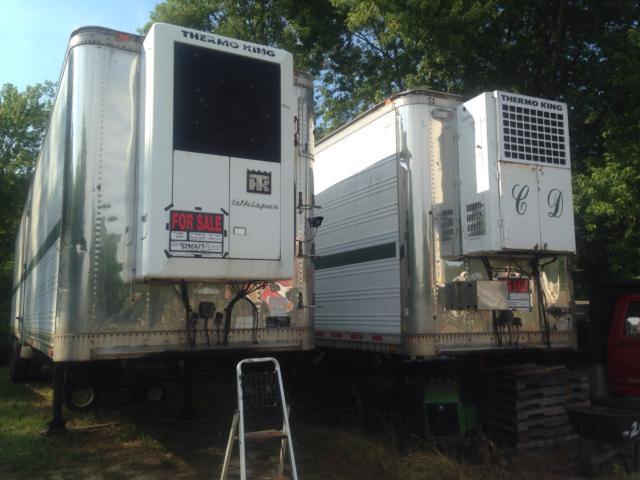

Have trailer to sell? List it here to reach thousands of buyers.
Trailers Near Middle Island, New York
Frequently Asked Questions about Trailers Near Middle Island, New York
What should I look at first when comparing used trailers?
Start with the trailer’s intended freight and route, then inspect the structural and running gear condition. Frame integrity, crossmembers, floor condition, roof, door seals, suspension, brakes, tires, and wheel ends all matter before cosmetic appearance. On vans and reefers, buyers should also check the rear frame area for impact damage, kingpin wear, slider operation if equipped, and signs of water intrusion. A clear title, current inspection status, and documented repairs can save time and reduce risk.
What is the difference between a dry van trailer and a reefer trailer?
A dry van is an enclosed trailer built for general freight that does not require temperature control. A reefer trailer is insulated and equipped with a refrigeration unit to maintain cargo temperature for produce, frozen goods, dairy, pharmaceuticals, and other sensitive loads. Reefer trailers are heavier and more complex than dry vans because the unit, insulation, air chute, drains, and interior liner all need to be maintained. Buyers should expect higher operating and repair costs with a reefer, but it opens the door to temperature-controlled freight.
Which trailer length is most common, 48-foot or 53-foot?
A 53-foot trailer is the most common choice for modern over-the-road freight because it maximizes cubic capacity for palletized shipments and general dry freight. A 48-foot trailer still has value in certain regional fleets, port work, older dock layouts, and operations where cost matters more than maximum cube. The right length depends on lane requirements, customer facilities, and any state or route restrictions that affect trailer dimensions.
What reefer-specific items should I inspect before buying?
Check reefer unit hours, service records, startup behavior, fuel system condition, and temperature pull-down performance. Inspect the front wall, insulation, scuff liners, floor channels, door seals, and interior for signs of moisture damage or air leaks. Buyers should also verify whether the unit is single-temp or multi-temp and confirm that the trailer can hold setpoint under load conditions. A reefer that runs but cannot maintain temperature consistently can become a much more expensive purchase than it first appears.
Are trailer specs like suspension, axle setup, and tire size important for local New York use?
Yes. Suspension type affects ride quality, maintenance cost, and cargo protection, while axle configuration and slider position affect bridge compliance and weight distribution. Tire size, wheel type, brake condition, and overall trailer height also matter when running regional freight, warehouse routes, or mixed highway and local roads around Long Island and the greater New York market. Matching the trailer’s running gear to the freight and operating area helps reduce downtime and improves legal load flexibility.