
Trailers For Sale in Michigan
Browse trailers for sale in Michigan, including van, reefer, flatbed, and drop deck trailers with specs that fit regional freight demands.
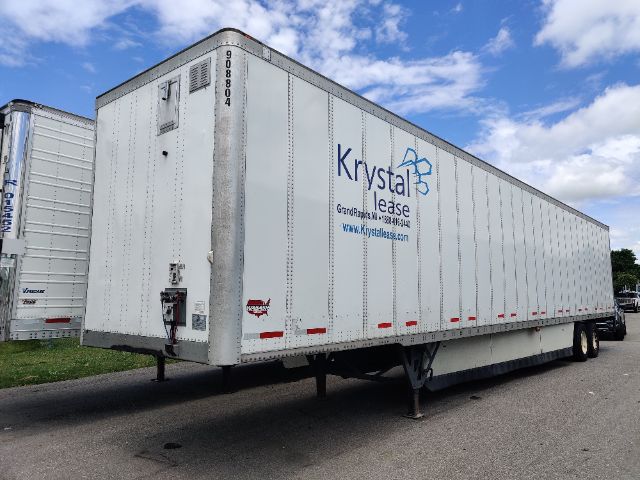
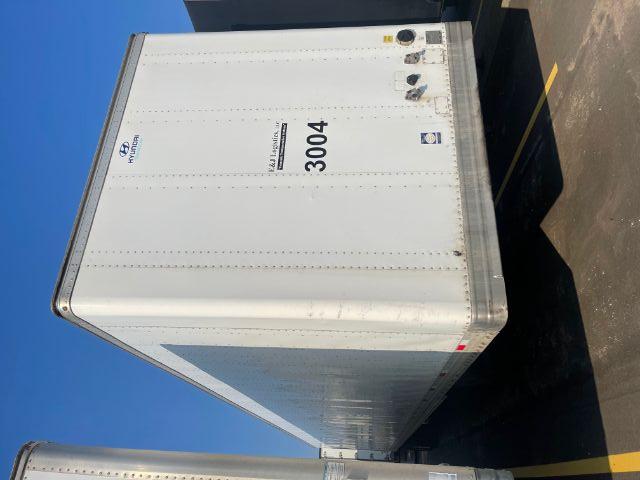
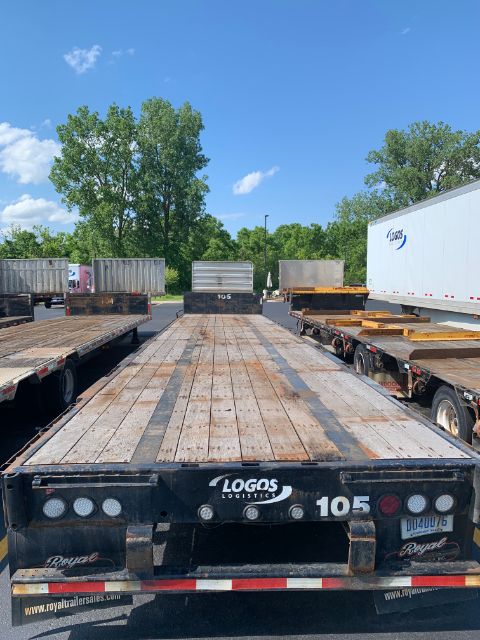
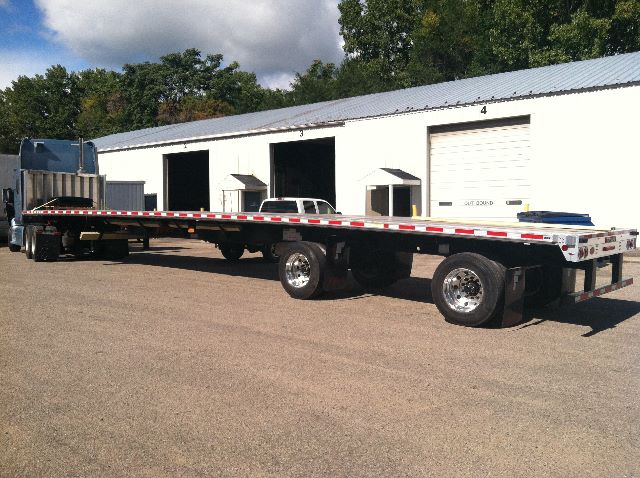
Selling a trailer? List your trailer for sale and reach thousands of commercial buyers.
Trailers in Michigan
Construction details matter as much as trailer type. Buyers often compare aluminum versus steel components, floor type, suspension, axle spacing, and door configuration before they look at brand. Air ride suspension is common on van, reefer, and many platform trailers because it helps protect cargo and improves ride quality. Sliding tandems are important for bridge law compliance and load distribution, especially on 53-foot trailers running multi-state freight. On vans and reefers, composite lining, scuff liners, aluminum roofs, threshold plates, stainless rear frames, and roll-up or swing doors all affect durability and dock performance. On flatbeds, drop decks, and equipment haulers, the key details are deck height, concentrated load rating, main deck length, beavertail design, ramp style, tie-down points, side rails, and flooring such as apitong or other hardwoods.
Michigan operators also need to think about corrosion, freeze-thaw cycles, and seasonal road conditions. Aluminum wheels, aluminum roof skins, galvanized or corrosion-resistant components, and well-maintained air systems can reduce long-term headaches in a state where moisture, salt, and temperature swings take a toll. Reefer buyers should pay close attention to unit hours, fuel system condition, insulation performance, and door seal integrity. Van buyers should inspect the floor crossmembers, rear impact guard, logistics track, and tandem slide wear. Flatbed and low-profile trailer buyers should look closely at frame integrity, deck condition, ramp hinges, air and electrical routing, ABS, and brake life, especially if the trailer has spent time hauling equipment or steel.
The right trailer depends on commodity, route profile, loading method, and how often the trailer will be dropped, scaled, or repositioned. A 53-foot air ride dry van or reefer fits most over-the-road freight lanes. A drop deck is better when cargo height would be a problem on a standard flatbed. A fixed-neck or beavertail equipment trailer makes more sense for compact machines, skid steers, and jobsite support equipment. Buyers comparing trailers for sale in Michigan should match GVWR, suspension type, axle count, deck or interior dimensions, and cargo securement features to the actual work the trailer will perform, not just the purchase price.
Frequently Asked Questions about Trailers in Michigan
What types of trailers are most commonly used in Michigan?
Dry vans, refrigerated trailers, flatbeds, and drop decks are among the most common trailer types in Michigan. Dry vans handle general freight and retail loads, reefers support food and temperature-controlled freight, and flatbeds or drop decks are widely used for construction materials, machinery, and oversized cargo. Equipment trailers with ramps or beavertails are also common for contractors, rental fleets, and agricultural support work.
What should I look for when buying a used trailer in Michigan?
Focus on frame condition, suspension wear, brake life, tire condition, floor integrity, and signs of corrosion from road salt exposure. On vans and reefers, inspect the roof, sidewalls, rear frame, door hardware, scuff liners, and tandem slide assembly. On flatbeds and equipment trailers, check the deck, tie-downs, ramps, beavertail, landing gear, and crossmember condition. If it is a reefer, unit hours and seal condition are especially important.
Why are sliding tandems important on highway trailers?
Sliding tandems allow the axle group to move forward or rearward to help meet bridge law requirements and improve weight distribution across the tractor and trailer axles. This matters on 53-foot vans, reefers, and some platform trailers that run different states, shippers, and loading patterns. A properly functioning slide can make the difference between a legal payload and an expensive adjustment at the scale.
Is air ride suspension worth it on a trailer?
Air ride suspension is often worth the added cost because it improves ride quality and helps reduce cargo shock compared with spring ride. It is especially valuable for fragile freight, food products, electronics, palletized goods, and higher-value equipment. Air ride is also common on reefers, vans, and many modern platform trailers because it supports better load protection and a more consistent operating feel.
When is a drop deck better than a flatbed?
A drop deck is better when freight height is the limiting factor. The lower main deck allows taller cargo to move legally without requiring the same permits or route restrictions that may apply on a standard flatbed. Buyers hauling equipment, crated machinery, industrial components, or taller building materials often choose a drop deck because it creates more usable height while still allowing forklift and crane loading.