
Trailers For Sale Near Marysville, Ohio
Have trailer to sell? List it here to reach thousands of buyers.
Trailers Near Marysville, Ohio
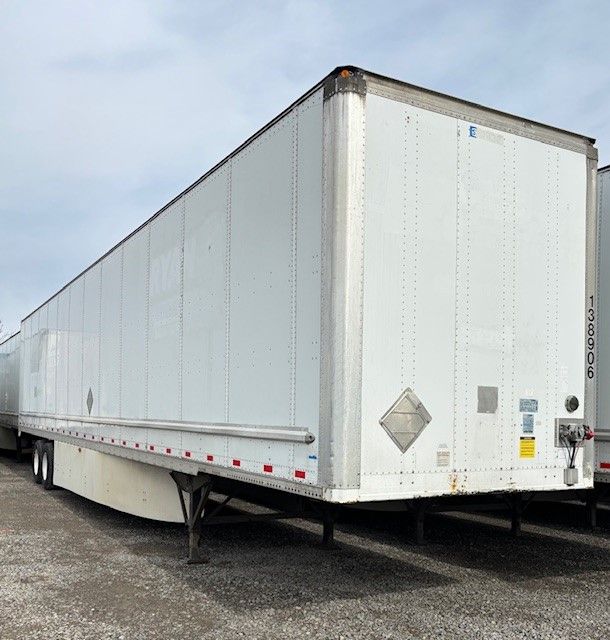
For freight work, trailer age matters less than structural condition and maintenance history. On used dry vans, common checkpoints include floor wear from forklifts, moisture intrusion around the roof line, sidewall repairs, scuff liner condition, DOT compliance items, tire matching, brake life, and suspension bushing wear. Tire size, wheel type, and recap history also deserve a close look, especially for fleets trying to control operating cost. Sliding tandems help with bridge law compliance and dock positioning, while air ride is still the preferred suspension for many shippers handling sensitive freight. If the trailer has logistics posts, e-track, interior lighting, or a tire inflation system, those features can add real day-to-day value depending on the freight mix.
Not every trailer category fits every route or commodity. Flatbed trailers, also known as open deck trailers, suit machinery, steel, lumber, and oversized freight where side loading or crane loading is required. Refrigerated trailers add insulation and a diesel-powered unit for temperature-controlled cargo, but buyers need to evaluate unit hours, maintenance records, fuel tank condition, and floor channel wear. Hopper and belt trailers are built around bulk commodity flow and unloading speed. Dump trailers and end dumps are chosen more for body construction, liner options, gate design, and cylinder condition than for standard over-the-road specs. If the route includes a lot of urban delivery, axle spread, overall trailer weight, and maneuverability become more important than maximum cube.
For buyers in central Ohio, corrosion exposure, title status, and service support can matter as much as make and model. Road salt can accelerate wear on wiring, fasteners, brake components, and trailer frames, so undercarriage inspection is critical. Look for clear maintenance records, current inspection status, straight frame rails, and signs of consistent brake and tire service. Well-matched trailers improve fleet utilization, but only if the kingpin setting, axle spread, ride height, and dock compatibility fit your operation. The best trailer is not simply the cheapest unit or the newest one. It is the one whose dimensions, weight, suspension, body construction, and cargo-handling features line up with the freight you move every week.
Frequently Asked Questions about Trailers Near Marysville, Ohio
What should I check first when buying a used trailer?
Start with the frame, suspension, brakes, tires, and floor because those areas drive repair cost and downtime. On enclosed trailers, inspect the roof, door frame, seals, sidewalls, and floor for leaks, forklift damage, and structural repairs. On open or vocational trailers, focus on deck condition, crossmembers, weld quality, cylinder operation if equipped, and signs of corrosion or cracking around high-stress points. Title status, VIN verification, and inspection records should be confirmed before purchase.
What is the most common trailer size for general freight?
The most common trailer for general over-the-road freight is a 53-foot trailer with a 102-inch width and tandem axles. That configuration is standard for dry vans and refrigerated trailers because it balances cubic capacity, legal road use, and broad shipper acceptance. Many units also use sliding tandems to help with bridge law compliance and loading flexibility. Shorter lengths still have a place in regional, vocational, and specialized applications, but 53 feet remains the benchmark in van freight.
Is air ride suspension worth it on a trailer?
Air ride suspension is often worth the added complexity because it improves ride quality and helps protect sensitive cargo. It is common on dry vans, reefers, and many flatbeds hauling freight that can be damaged by excessive vibration. Air ride can also help reduce shock loads on the trailer structure over time. Buyers should still inspect air bags, valves, shocks, and suspension components closely, because neglected air ride systems can become an expensive maintenance item.
How do I choose between a dry van, flatbed, and reefer trailer?
Choose based on cargo type, loading method, and shipper requirements. A dry van is best for freight that needs weather protection and secure enclosed transport. A flatbed is better for freight loaded from the side, top, or by crane, especially large equipment, steel, and building materials. A reefer is required when cargo must stay within a controlled temperature range, including food, pharmaceuticals, and other perishables. The right choice depends less on trailer price and more on the freight you intend to haul consistently.
Why does trailer empty weight matter so much?
Empty weight directly affects payload capacity and revenue potential. A lighter trailer can carry more cargo before reaching legal gross weight limits, which matters on dense freight. At the same time, lower tare weight should not come at the expense of structural durability if the trailer will see rough docks, heavy forklift traffic, or severe road conditions. Buyers should compare empty weight alongside floor rating, body construction, axle capacity, and expected duty cycle.