
Trailers For Sale in Maryland
Browse trailers for sale in Maryland, including dry vans, reefers, flatbeds, dumps, tankers, and specialty trailers for regional or long-haul use.
Selling a trailer? List your trailer for sale and reach thousands of commercial buyers.
Trailers in Maryland
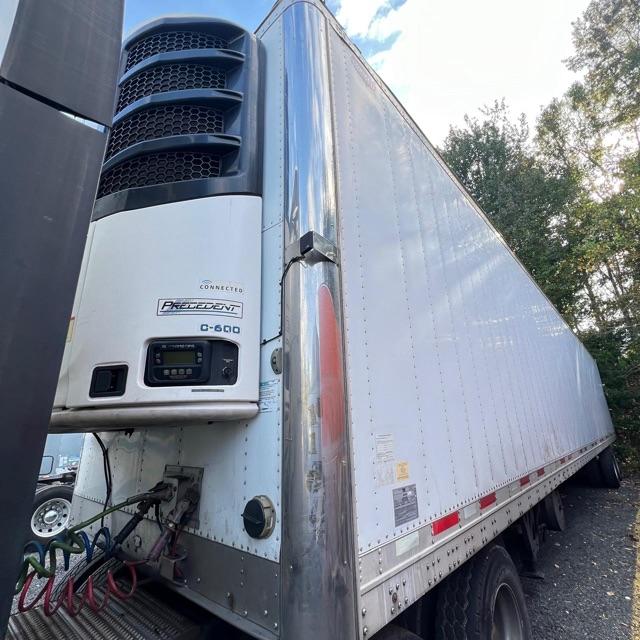
For enclosed freight, dry vans and refrigerated trailers make up a large share of the market. Common lengths are 28 feet for pup work and 48 to 53 feet for linehaul and warehouse freight. On vans and reefers, buyers should pay close attention to floor condition, roof repair history, swing or roll-up door configuration, scuff liners, logistics posts, and suspension wear. Reefer trailers add another layer of inspection, including unit hours, evaporator condition, chute setup, bulkheads, fuel tank condition, and whether the unit is set up for continuous run, start-stop, or multi-temp service. In Maryland foodservice and grocery lanes, a clean 53-foot reefer with a dependable Thermo King or Carrier unit, solid insulation, and tight door seals can matter more than cosmetic appearance.
Flatbeds, step decks, dumps, and equipment trailers are common choices for building materials, machinery, and municipal or site work across the state. Buyers comparing open-deck trailers should look closely at deck material, concentrated load rating, winch track, rub rail condition, tie-down points, aluminum versus steel construction, and axle configuration. For dumps, body type, liner condition, hoist performance, gate style, and tub or frame integrity are key. Lowboys and detachables need careful review of deck height, neck style, axle count, and legal load strategy, especially if the trailer will cross state lines or move oversize equipment. Suspension type, brake spec, tire size, wheel-end condition, and tire inflation systems can all affect uptime and operating cost over the life of the trailer.
A good trailer purchase is usually decided by structure and specification, not paint. Check VIN plates, title status, kingpin wear, slider operation, landing gear, ABS function, light wiring, and signs of prior accident or weld repair. In Maryland, registration needs, bridge laws, and the mix of local, port, and interstate work make trailer spec especially important. Buyers who match trailer design to freight, route density, and loading method usually end up with lower maintenance cost and better utilization than buyers who shop by price alone.
Frequently Asked Questions about Trailers in Maryland
What types of trailers are most commonly used in Maryland?
Maryland fleets commonly use dry vans, refrigerated trailers, flatbeds, dump trailers, chassis, tank trailers, and lowboys. The mix is driven by port freight, regional warehouse distribution, foodservice, construction, and municipal work. Baltimore-area operations often need equipment suited for tight terminals and frequent loading cycles, while interstate carriers may prioritize 53-foot trailers with lower tare weight and durable running gear.
What should I inspect first on a used trailer?
Start with structural condition. Look at the frame rails, crossmembers, floor, roof, rear frame, kingpin area, suspension mounts, and signs of corrosion or repair. After structure, inspect brakes, tires, wheel ends, lights, ABS, landing gear, and door operation. On reefers, check the refrigeration unit hours, service history, insulation integrity, and door seals before focusing on appearance.
Is a reefer trailer harder to buy used than a dry van?
Yes, because you are evaluating both the trailer and the refrigeration system. A reefer can look serviceable but still need expensive unit work, evaporator repair, or floor and insulation attention. Buyers should compare reefer hours, temperature performance, fuel system condition, and interior setup such as multi-temp bulkheads or center chute configuration. A strong unit with documented maintenance often matters more than exterior cosmetics.
How do I choose the right trailer length and axle setup?
The correct length and axle configuration depend on freight, route, and legal requirements. A 53-foot trailer is standard for many van and reefer applications, while 48-foot and shorter units may make more sense in urban delivery, specialized hauling, or older dock environments. Axle spread, slider position, and trailer weight distribution affect bridge compliance, turning radius, and payload flexibility, which matters in Maryland and throughout the Northeast.
Does coastal use in Maryland change what buyers should look for?
Yes. Coastal air, humidity, and winter road treatment can accelerate corrosion on frames, crossmembers, doors, wiring, and air system components. Buyers should inspect underneath the trailer carefully, paying attention to rust scale, previous patchwork, electrical connections, and hardware condition. Corrosion is not unusual, but the extent of it can have a major effect on remaining service life and repair cost.