
Trailers For Sale in Maine
Browse trailers for sale in Maine, including flatbed, dry van, reefer, dump, and equipment trailers with specs buyers compare most.
Selling a trailer? List your trailer for sale and reach thousands of commercial buyers.
Trailers in Maine
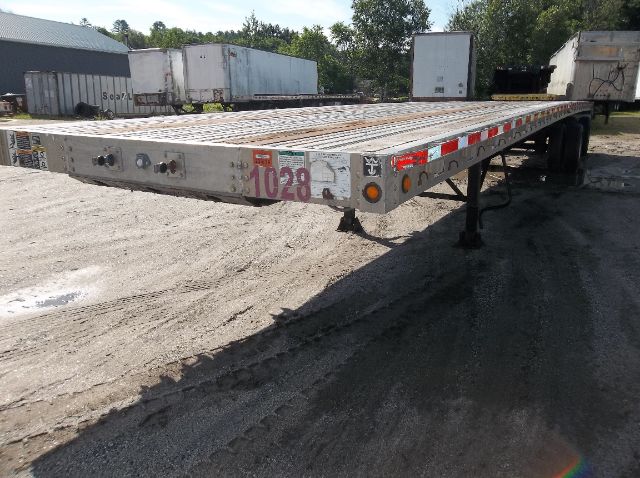
Flatbeds remain one of the most common trailer types buyers compare, especially 48-foot and 53-foot units in 102-inch width. Aluminum and combination flatbeds are popular for maximizing payload while maintaining strength, and spread axle configurations are often chosen for load distribution and deck flexibility. Buyers should look closely at floor type, kingpin area wear, landing gear operation, tire matching, and the condition of the fifth wheel plate and pin area. Air ride suspension is a common spec on highway trailers because it helps protect freight and improves ride quality. On vans and reefers, the conversation shifts toward roof condition, door seals, scuff liners, floor wear, rear frame damage, and on refrigerated units, hours, temperature pull-down, and unit service history.
For vocational and construction use, dump trailers, tag trailers, and equipment trailers need a different inspection approach. Frame repairs, hoist performance, suspension wear, pintle or ball hitch condition, ramp structure, and deck integrity are all critical. In logging, aggregate, and heavy equipment work, buyers in Maine often prioritize rugged suspension setups, reliable brake systems, and tire availability over cosmetic condition. Across nearly every trailer class, it pays to verify VIN and title status, check for prior structural repairs, inspect lights and ABS function, and confirm that axle ratings match the intended load. A trailer that is correctly spec'd for the route and commodity will generally perform better and cost less to keep on the road than a cheaper unit with the wrong configuration.
The best trailer choice comes down to freight type, loaded weight, loading method, and how far the trailer runs each week. A regional flatbed hauling steel, lumber, or machinery has different needs than a local dump trailer working job sites or a reefer covering long food routes. Buyers comparing trailers for sale in Maine should pay attention to practical uptime items such as brake life, tire condition, bushing wear, air leaks, floor damage, and signs of uneven loading or alignment issues. Those details often matter more than model year alone, especially on well-maintained commercial trailers that are still working every day.
Frequently Asked Questions about Trailers in Maine
What should I inspect first on a used trailer in Maine?
Start with the frame, crossmembers, suspension, brakes, tires, and wiring. Maine trailers often see salt, freeze-thaw cycles, and rough road surfaces, so corrosion and moisture-related wear can show up underneath before it appears elsewhere. Look for rust at weld points, thin or patched crossmembers, air leaks, seized slack adjusters, damaged ABS wiring, and uneven tire wear that may indicate alignment or suspension problems.
Is a spread axle trailer better than a tandem axle trailer?
A spread axle trailer can improve load distribution and deck access, which makes it a common choice for flatbed work. It can also help with certain weight applications, but it may increase tire scrub in tight turns and can be less maneuverable in confined yards. Tandem axle setups are often easier on tires during sharp turning and may be a better fit for operations with frequent backing and tighter delivery points.
What trailer length is most common for highway freight?
Forty-eight foot and fifty-three foot trailers are the most common lengths in over-the-road and regional freight. A 48-foot trailer is still widely used in flatbed applications, while 53-foot units dominate many van and reefer operations because they maximize cubic capacity. The right length depends on commodity, legal requirements, customer docks, and the routes the trailer will run.
How important is suspension type on a commercial trailer?
Suspension type affects ride quality, cargo protection, maintenance cost, and how the trailer handles different road conditions. Air ride suspension is common on highway trailers because it helps reduce shock to the load and generally provides a smoother ride. Mechanical suspension can be simpler and durable in tougher vocational environments, but the best choice depends on freight sensitivity, road conditions, and service expectations.
What documents and ratings should a buyer verify before purchasing a trailer?
Confirm the VIN, title status, GVWR, axle ratings, tire ratings, and any applicable inspection or registration records. It is also smart to verify brake and ABS compliance, especially if the trailer will be used in interstate service. Matching the trailer's rated capacity and configuration to the intended load is essential for legal operation, safe handling, and long-term durability.