
Trailers For Sale Near Lubbock, Texas

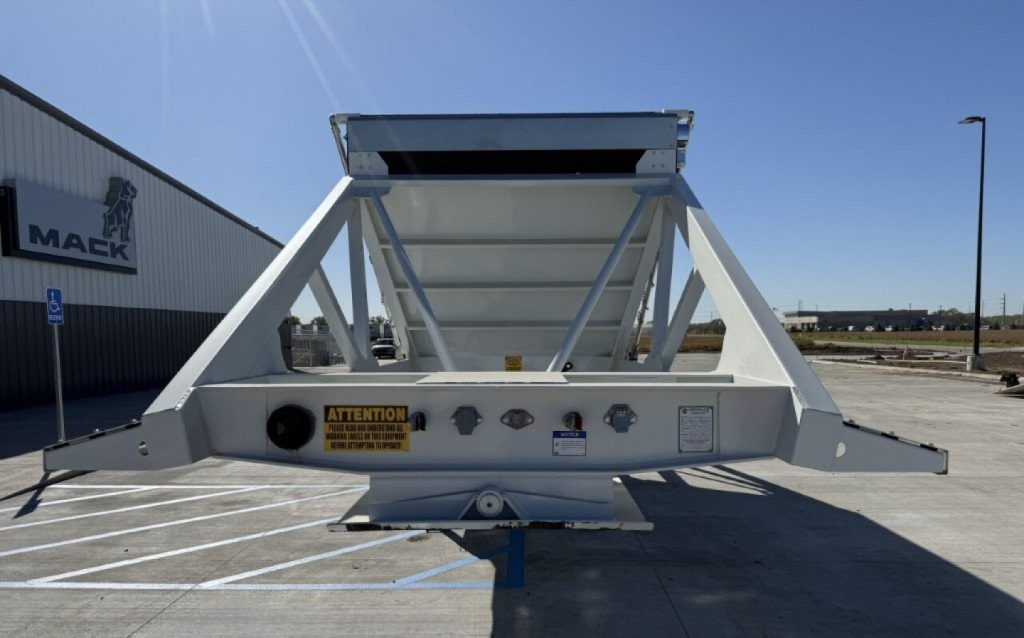
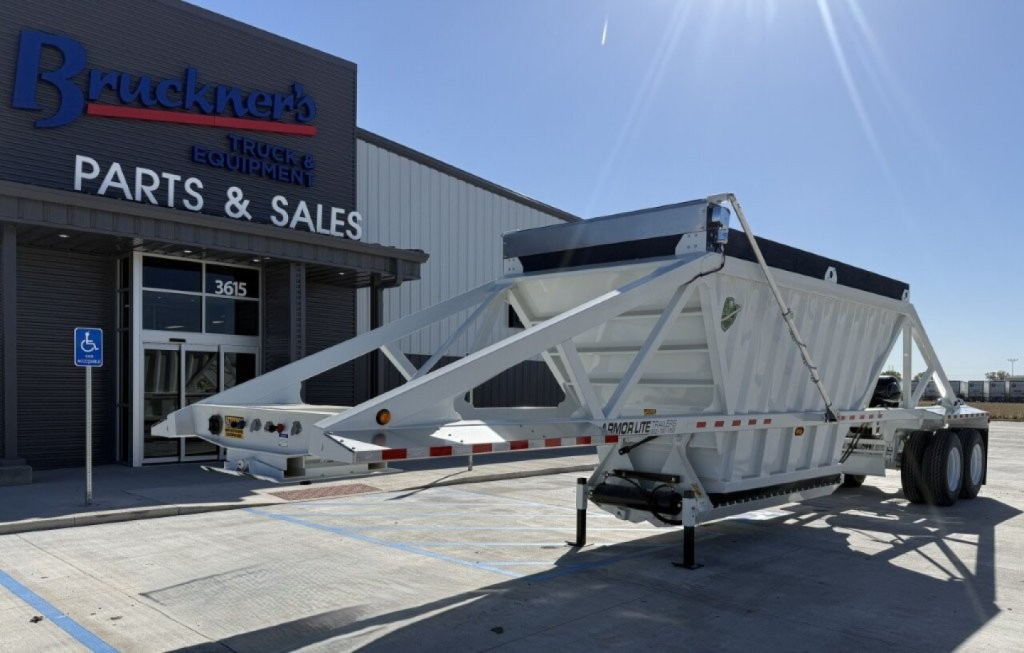
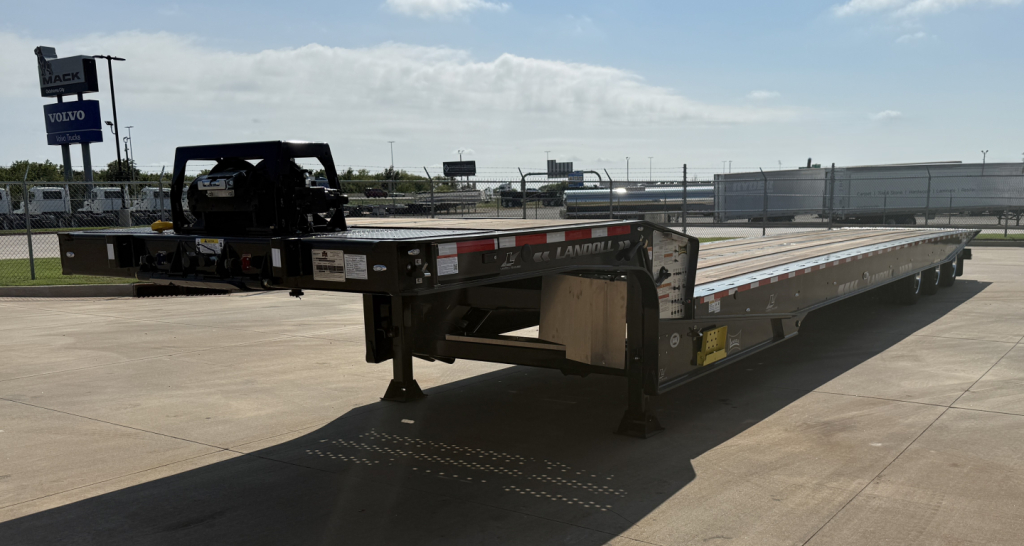
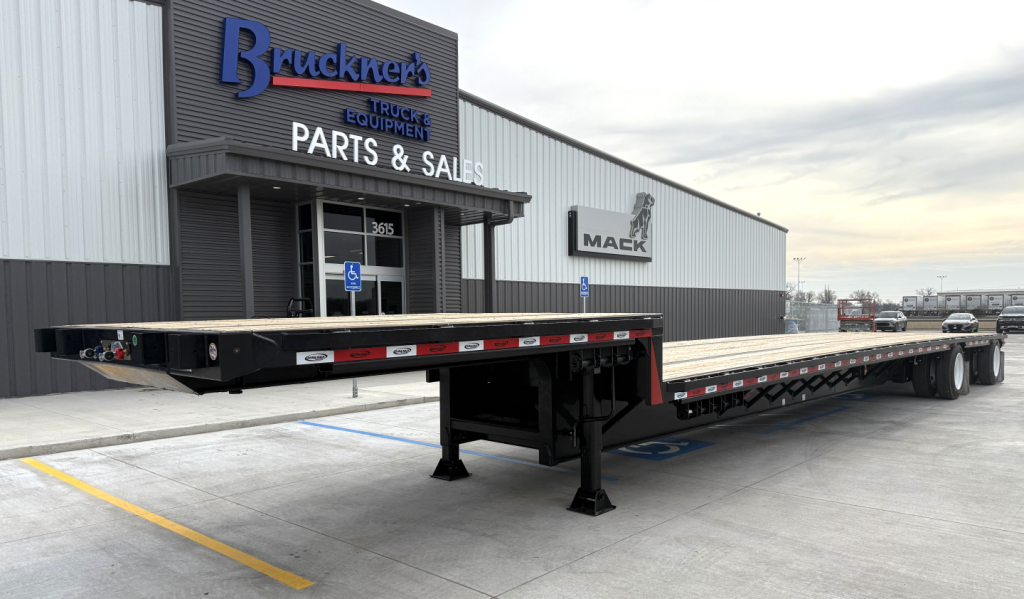
Have trailer to sell? List it here to reach thousands of buyers.
Trailers Near Lubbock, Texas
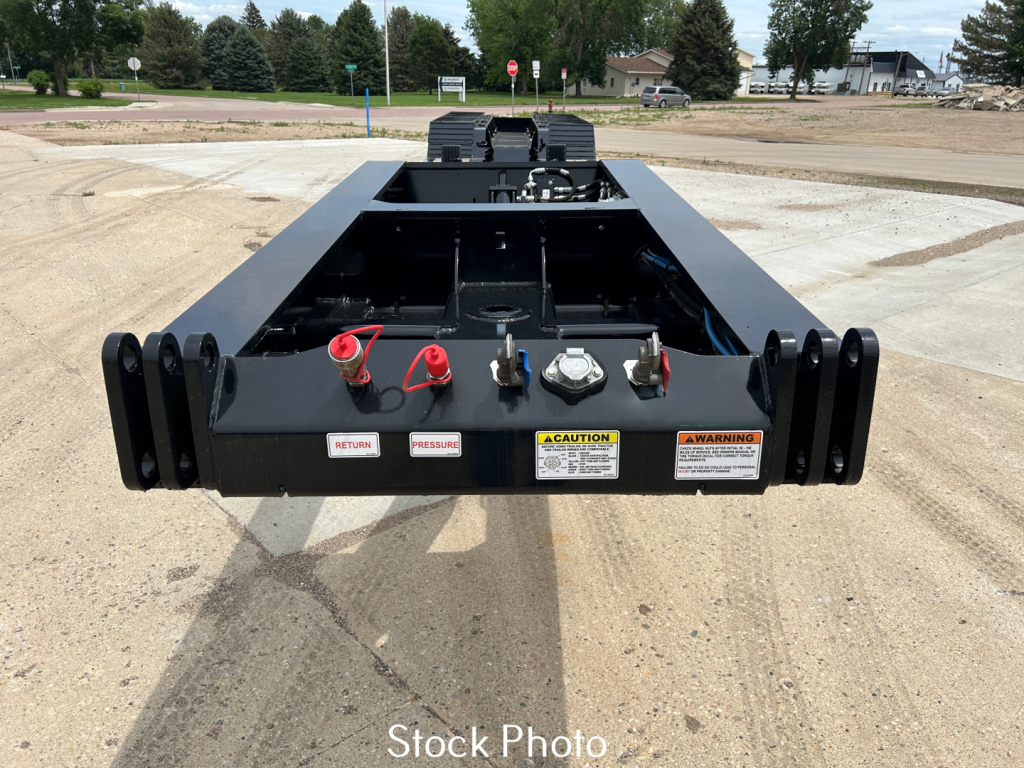
Lowboy trailers are built for concentrated heavy loads and lower center-of-gravity transport. Buyers should pay close attention to rated capacity in a distributed load, loaded deck height, neck length, axle configuration, and any provision for flip axles or flip boxes. A 50 to 55 ton class lowboy with a tri-axle or quad-axle setup is a common choice for moving excavators, dozers, loaders, and other iron that would overload a lighter detachable trailer. Features such as hydraulic detachable goosenecks, two-position kingpin settings, front flip ramps, bucket wells, excavator notch plates, backhoe trays, and load-bearing wheel covers can make a real difference in daily use. Air ride suspension, axle lift on the third or fourth axle, and reinforced crossmembers are especially important if the trailer will see mixed highway and jobsite work.
Drop deck trailers are the practical middle ground when the freight is too tall for a flatbed but does not require a lowboy. A typical 53-foot drop deck offers an upper deck and lower deck layout that helps keep legal height while still handling palletized freight, machinery, building materials, pipe, and other open-deck cargo. Buyers should compare lower deck length, crossmember spacing, kingpin setting, suspension type, and securement equipment such as sliding winches, stake pockets, and chain tie-downs. Apitong flooring remains a strong choice for durability, and closed tandem suspensions are common for straightforward regional freight work. If the trailer will run heavier or more irregular loads, closer crossmember spacing and heavy-duty landing gear are worth prioritizing.
Across trailer categories, the important buying questions are not just length and price. Check tire size, brake type, axle ratings, wheel construction, decking material, and how the trailer is configured for the loads you actually move. A steel trailer can offer durability and easier repairability in severe service, while aluminum components may help trim tare weight. In Texas, where routes can include rough lease roads, long interstate pulls, and oversized permitting requirements, it pays to match the trailer to the job rather than shop by tonnage alone. The right trailer setup reduces loading time, improves legal compliance, and holds value better over the long haul.
Frequently Asked Questions about Trailers Near Lubbock, Texas
What is the difference between a lowboy trailer and a drop deck trailer?
A lowboy trailer is designed for heavier and taller equipment that needs a very low deck height, often with a detachable gooseneck for drive-on loading. A drop deck trailer has a raised upper deck and lower main deck, giving more height clearance than a flatbed but typically less carrying capacity for concentrated machinery loads than a true lowboy. Lowboys are common for excavators, dozers, and other construction equipment. Drop decks are more common for freight, lighter machinery, and mixed open-deck hauling.
How do I choose the right axle configuration on a trailer?
Axle configuration should match the weight of the load, the way that weight is distributed, and the routes where the trailer will run. Tandem axles are common on drop decks for general freight. Tri-axle and quad-axle setups are more common on lowboys carrying concentrated heavy equipment because they spread weight better and help with bridge law and permitting. Lift axles can improve tire life and maneuverability when the trailer is empty or lightly loaded, but the full setup still needs to align with state regulations and the tractor you plan to pair with it.
What trailer specs matter most for hauling heavy equipment?
For heavy equipment, focus on rated capacity, loaded deck height, deck length, neck style, ramp design, axle rating, and reinforcement details. Features like hydraulic detachable goosenecks, bucket wells, excavator notch plates, flip ramps, and heavy crossmembers directly affect how easily and safely machines can be loaded and secured. Suspension type also matters. Air ride can improve handling and load protection, while axle lift functions and proper kingpin settings help with weight distribution and tractor compatibility.
Is Apitong flooring a good choice on a drop deck trailer?
Apitong is widely used on flatbeds and drop decks because it handles abrasion, concentrated forklift traffic, and weather exposure better than many standard hardwood options. It provides good traction and generally holds up well under repeated loading cycles. For buyers looking at a drop deck for building materials, machinery, or palletized freight, Apitong remains a solid decking choice, especially when paired with close crossmember spacing and a sound steel frame.
What should buyers in Texas consider before purchasing a trailer?
Texas buyers should think beyond basic dimensions and look at how the trailer will be used across interstate highways, county roads, and jobsite surfaces. Heavy-haul buyers need to consider permit requirements, axle spacing, and overall loaded height. Regional freight buyers should pay attention to deck length, securement points, and suspension durability. In areas like Lubbock, where agriculture, construction, and oilfield work can overlap, a trailer that is easy to load, properly spec'd for legal weight, and durable enough for rougher road conditions usually delivers the best long-term value.