
Lowboy Trailers For Sale in Washington
No exact matches found for your search
Showing Lowboy Trailers instead.
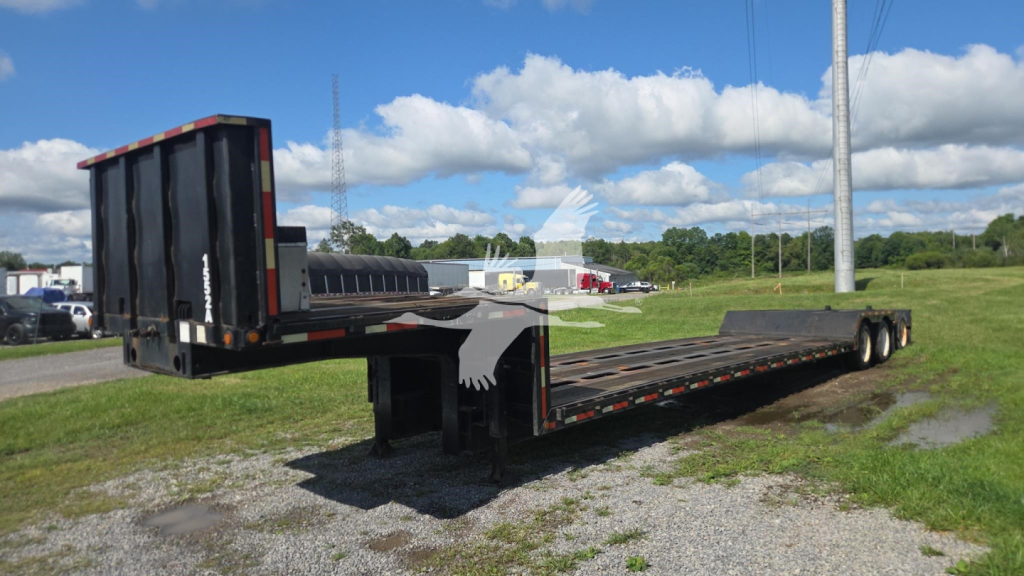
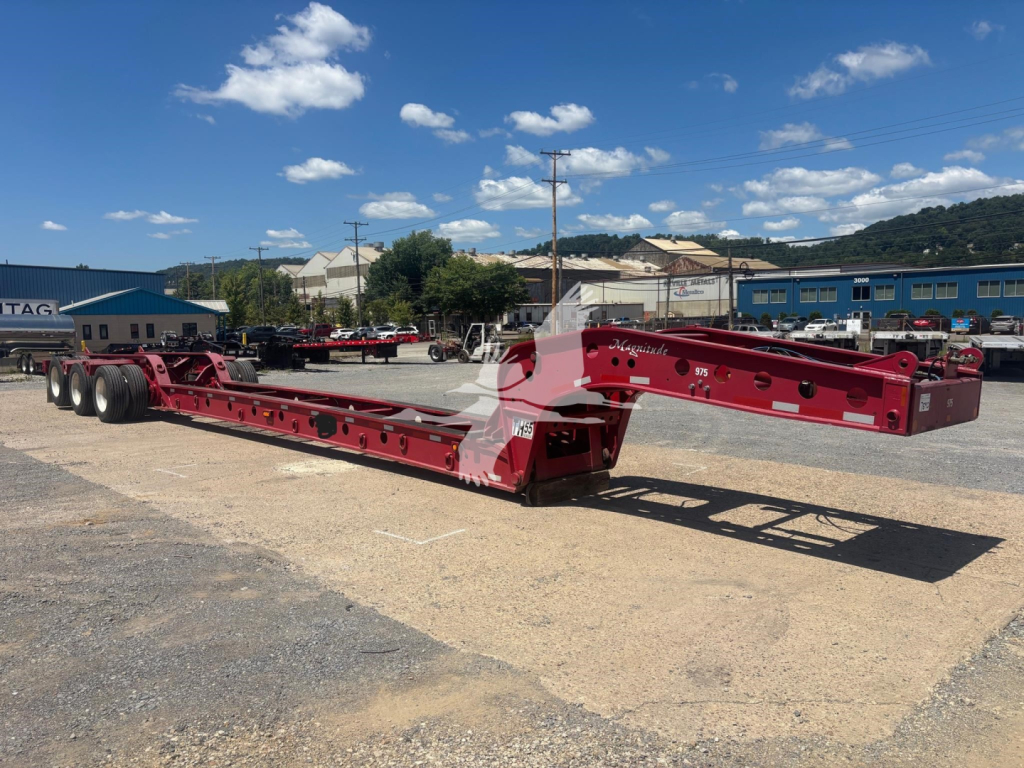
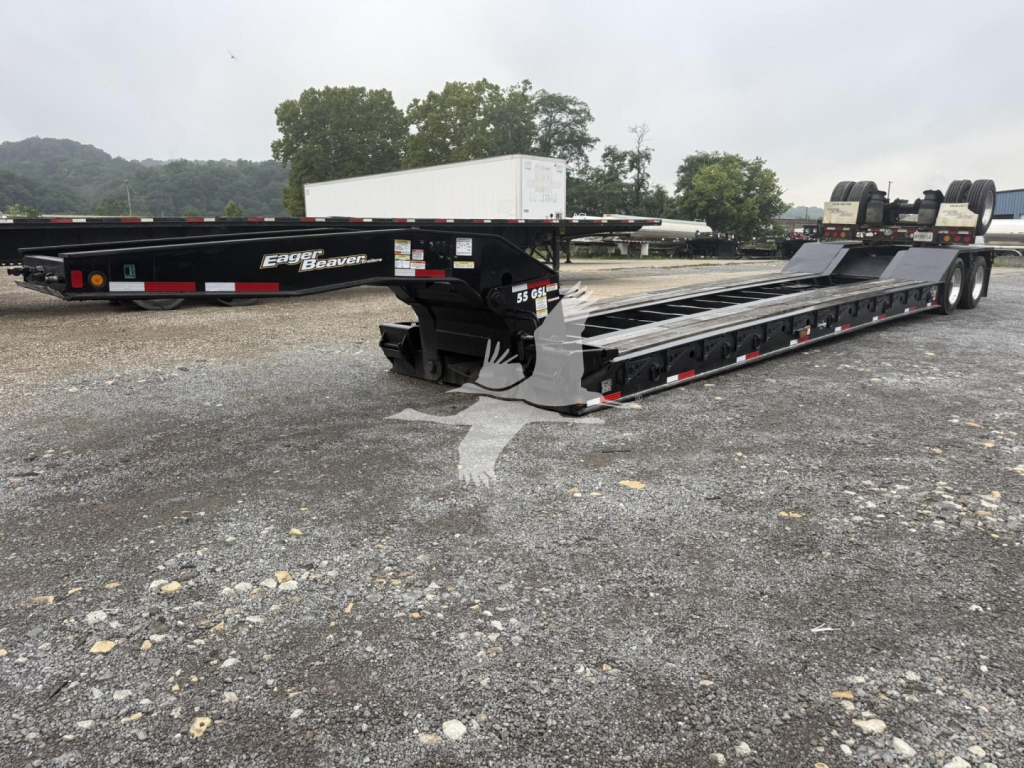
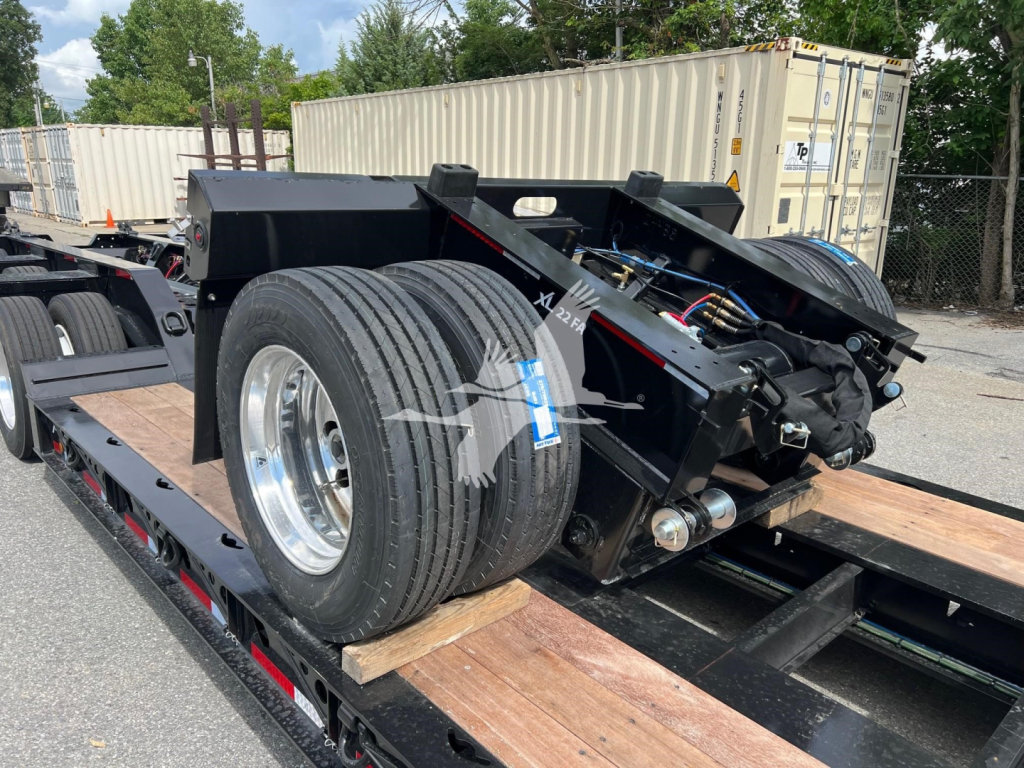
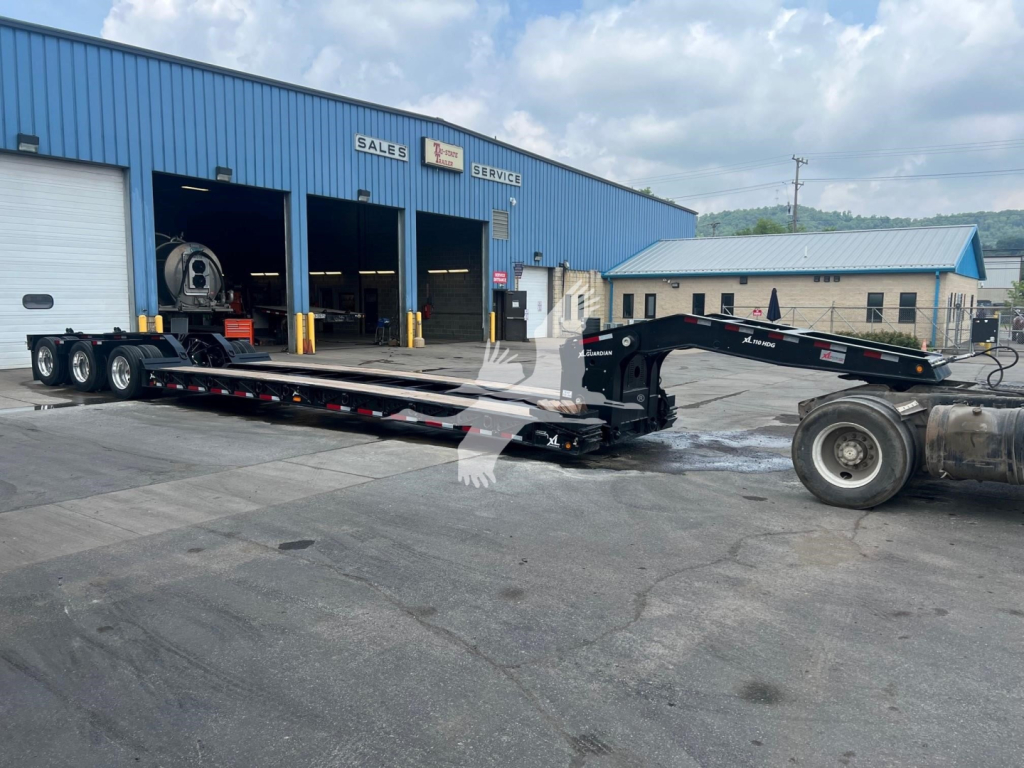
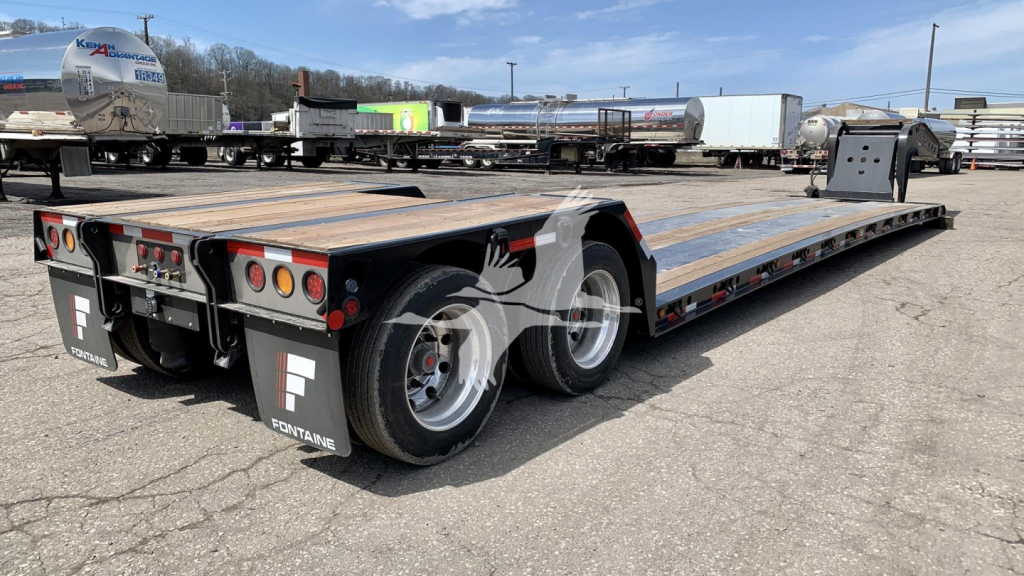
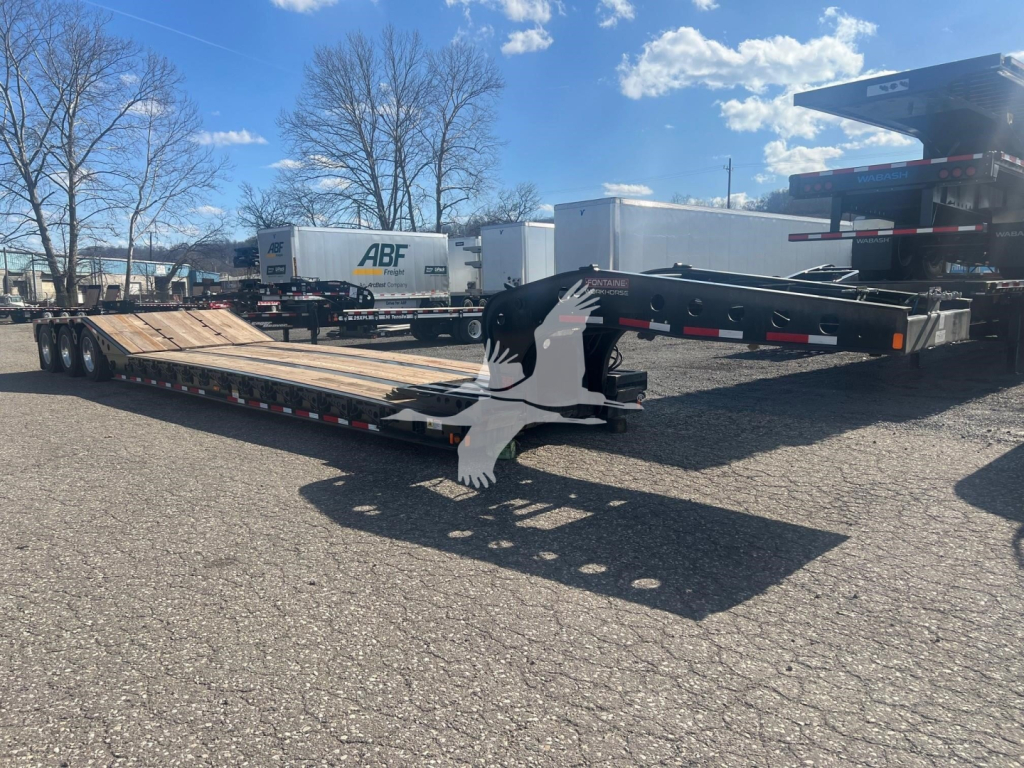
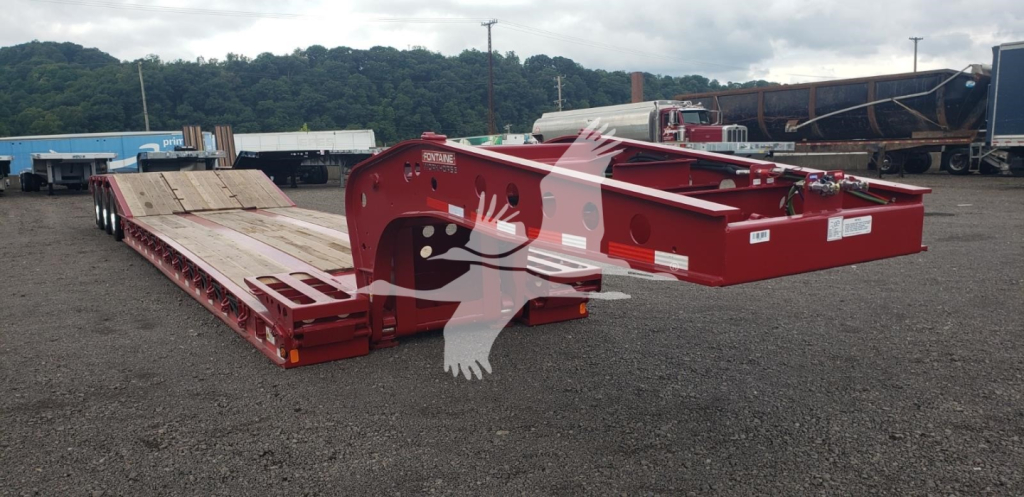
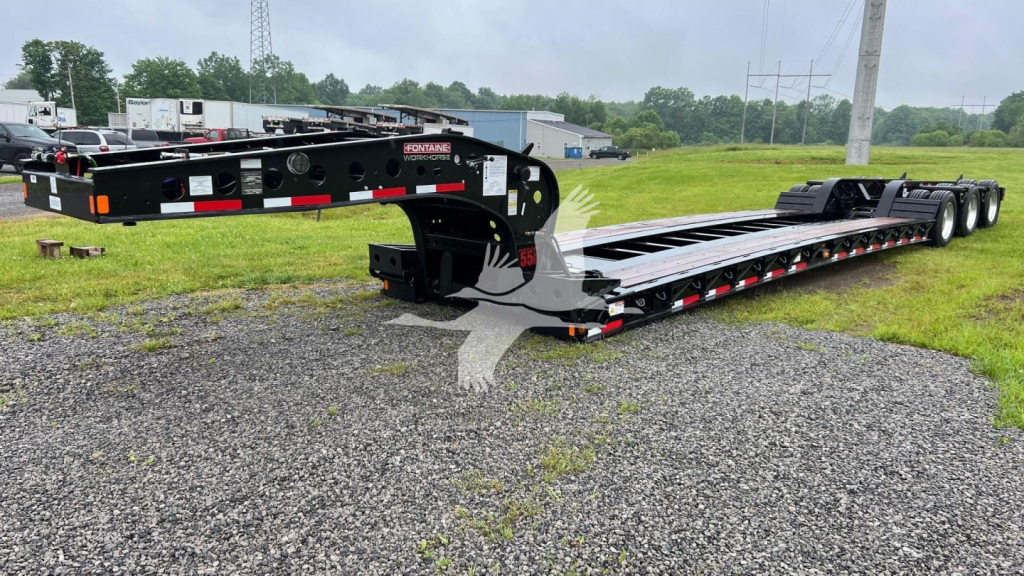
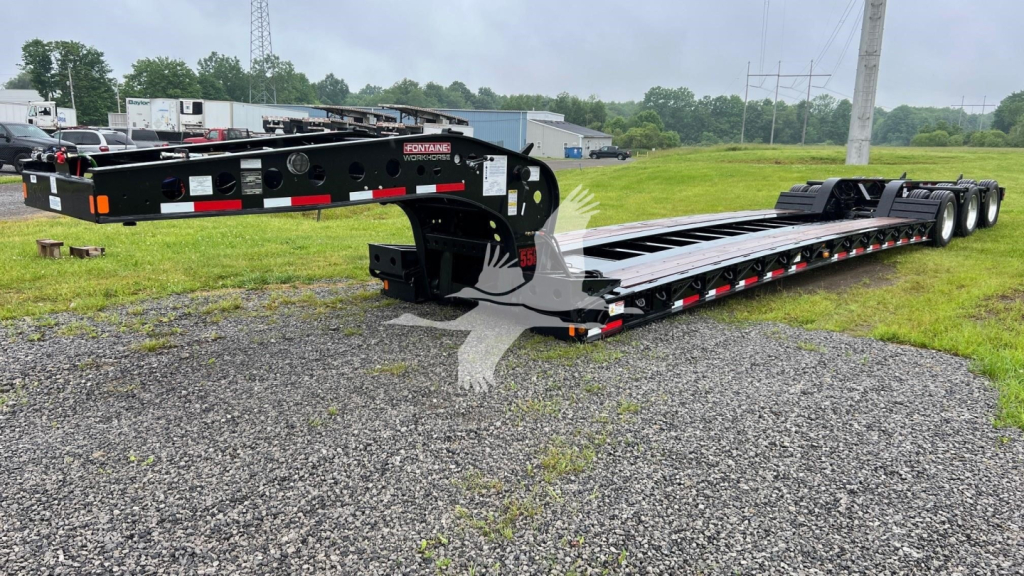
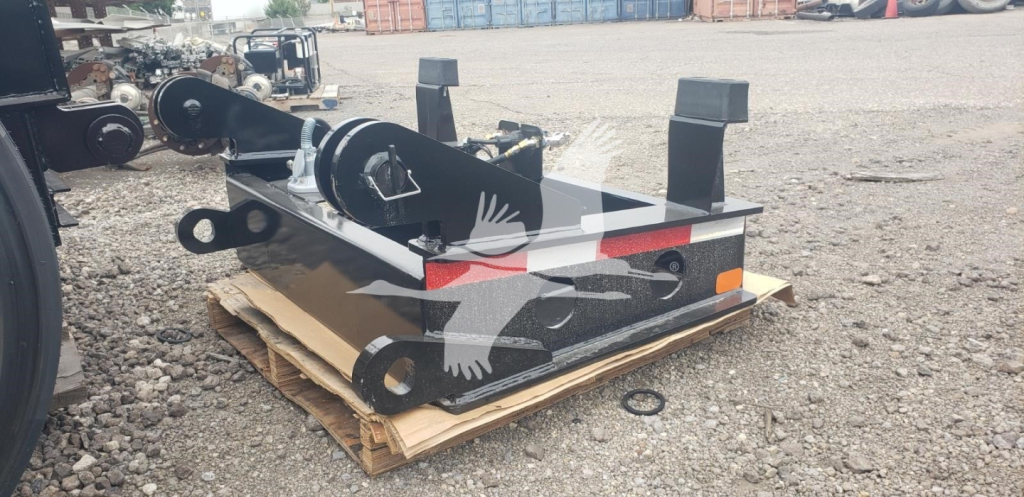
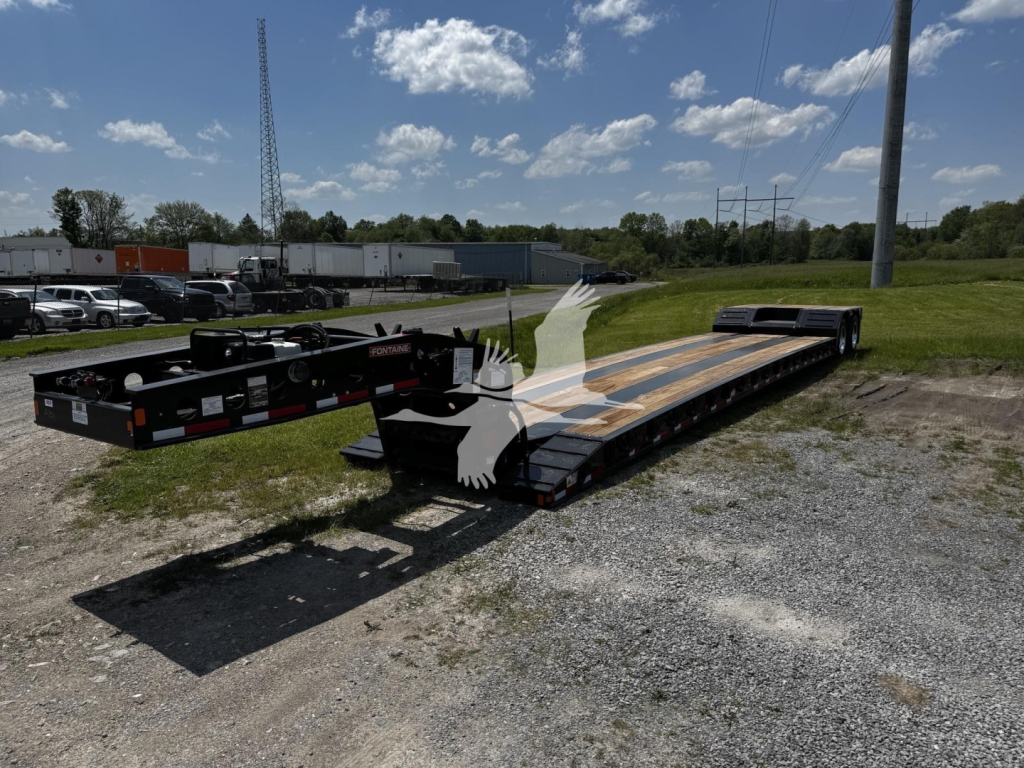
Showing 1 to 12 of 167 results
Have lowboy trailer to sell? List it here to reach thousands of buyers.
Lowboy Trailers in Washington
The biggest spec decision is often the front end. Mechanical detachable gooseneck and hydraulic detachable gooseneck designs each have their place, but hydraulic detach models are popular for frequent loading because they speed up equipment changeovers and reduce driver effort. Pay close attention to loaded deck height, gooseneck length, swing clearance, and whether the trailer is set up for flip necks, flip axles, or a future stinger. A 24-inch loaded deck height is common on lower-profile units, but ground clearance still matters on uneven jobsites, ferry approaches, and rural access roads. Main deck length, deck width, outriggers, chain slots, D-rings, and excavator boom wells all affect how versatile the trailer will be across different machines.
Capacity is not just the gross trailer rating. For lowboy trailers, load concentration over a set deck length is a critical number because many machines put most of their weight into a short track or axle footprint. Axle configuration also drives legal payload and maneuverability. Tandem, tri-axle, and jeep-stinger combinations are all used depending on the machine, the route, and the permit requirements. Air ride and spring suspension both show up in the market, while 22.5 rubber, axle spacing, brake type, and ride-height controls matter for maintenance, tire life, and how easily the trailer can be leveled during loading. In Washington, buyers should think through state and local bridge formulas, escort thresholds, and how often they cross into Oregon, Idaho, or British Columbia, since regional permit practice can influence the most practical setup.
A good lowboy purchase comes down to matching the trailer to the equipment mix you haul most often, not the heaviest machine once or twice a year. Look closely at deck construction, apitong or other hardwood flooring, crossmember design, side rail reinforcement, ramp or detach wear points, and overall empty weight. A lighter trailer can improve legal payload, but durability in the neck, deck, and rear transition is what holds up under repeated equipment loading. Details like toolboxes, lift axles, tire inflation systems, plug configurations, and lighting packages matter too, especially for fleets running long distances or loading before daylight. The right lowboy trailer should load efficiently, carry concentrated weight with confidence, and fit the permit and route realities of the Northwest.
Frequently Asked Questions about Lowboy Trailers in Washington
What is a lowboy trailer used for?
A lowboy trailer is used to haul heavy equipment and taller machinery that would exceed legal height on a standard flatbed or step deck. Common loads include excavators, bulldozers, wheel loaders, paving equipment, and other construction or industrial machines. The defining advantage is the very low deck height, which helps keep overall loaded height down while providing strong concentrated load capacity.
What is the difference between a lowboy and an RGN trailer?
An RGN, or removable gooseneck trailer, is one common type of lowboy trailer. The term lowboy refers to the trailer class, while RGN describes the detachable front design that allows equipment to be driven on from the front. Some lowboys use mechanical detachable goosenecks and others use hydraulic detach systems. Buyers usually compare detach convenience, maintenance requirements, and loading frequency when choosing between designs.
How do I choose the right lowboy trailer capacity?
Start with the actual operating weight of the machines you haul, then look at load concentration over the portion of the deck carrying that weight. A machine can be within gross capacity and still be a poor match if too much weight is concentrated in a short track length. Axle count, axle spacing, deck length, and the possibility of using flip axles or a stinger all affect usable legal capacity. The best fit is based on your real equipment mix, your routes, and your permitting needs.
What lowboy trailer features matter most for equipment hauling?
Deck height, main deck length, deck width, gooseneck style, and axle configuration are usually the first specs to review. After that, buyers should pay attention to outriggers, chain slots, D-rings, swing clearance, excavator boom wells, suspension type, and ride-height controls. These details affect how easily different machines can be loaded, secured, and hauled without damaging the trailer or slowing down turnaround time.
Are lowboy trailer rules different in Washington?
Yes. Washington heavy haul operations often require careful attention to axle group weights, bridge formulas, overall dimensions, and permit routing. Terrain, bridge restrictions, and local enforcement can influence whether a tandem, tri-axle, or multi-axle setup is the better choice. If loads regularly move across state lines, buyers should also consider how the same trailer configuration performs under Oregon, Idaho, or other regional permit requirements.