
Used 2023 Lowboy Trailers For Sale in Pennsylvania
Have used 2023 lowboy trailer to sell? List it here to reach thousands of buyers.
Used 2023 Lowboy Trailers in Pennsylvania
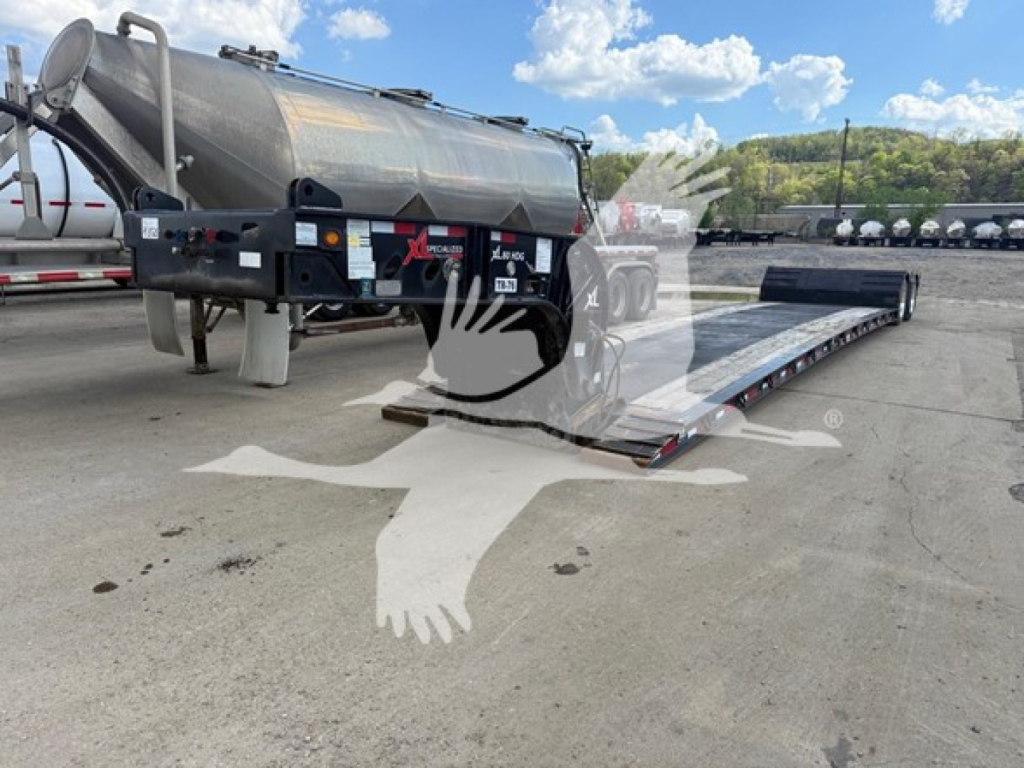
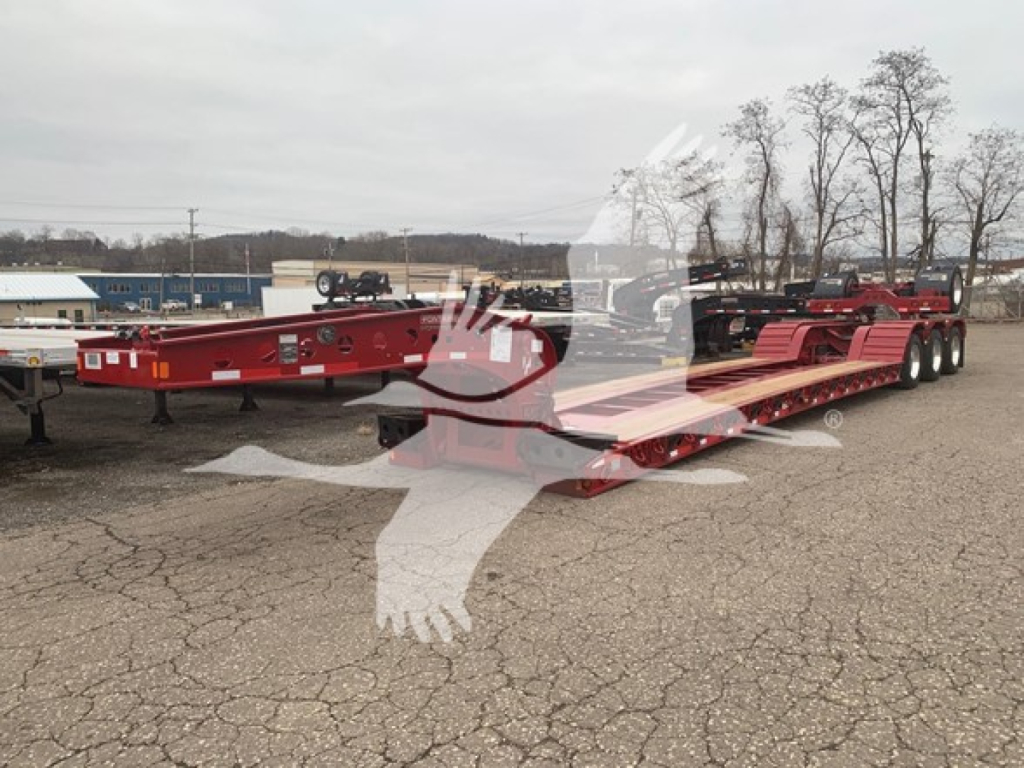
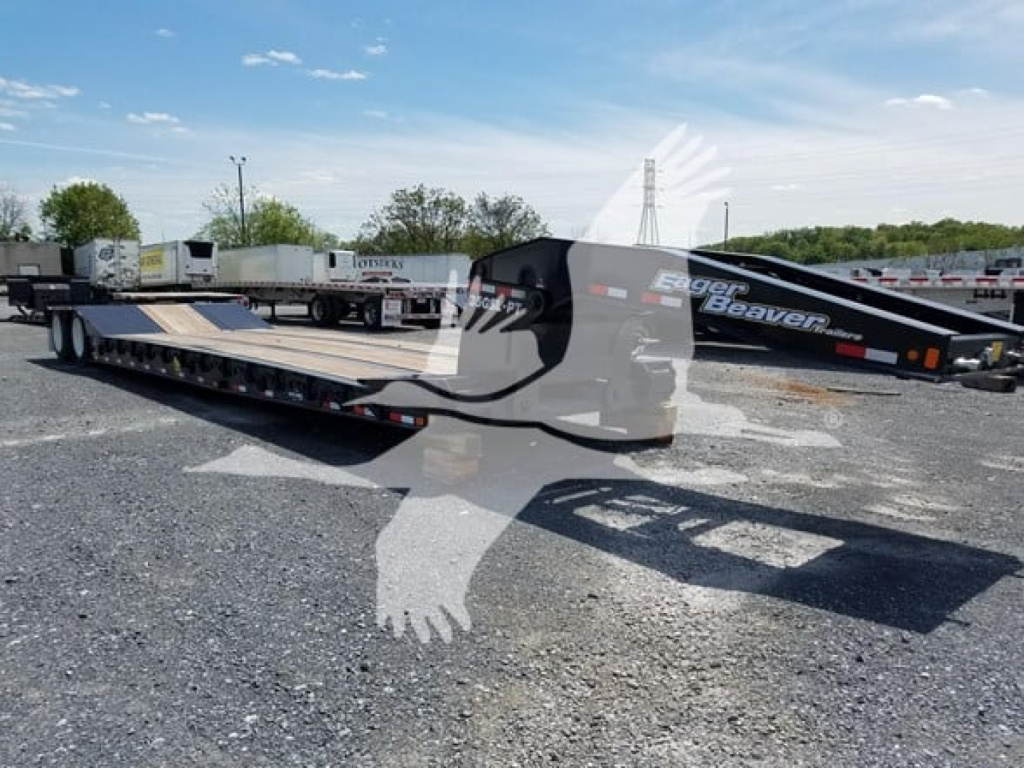
Capacity and deck configuration matter more than model year alone. Common ratings in this category range from 35 ton to 55 ton and higher, with differences in concentrated load ratings, axle group design, and whether the trailer is set up for future expansion with a flip axle or jeep. Buyers should pay close attention to loaded deck height, main deck length, rear deck length, and kingpin settings. A 12-inch to 15-inch loaded deck height can make a major difference on overheight freight, while 54-inch axle spacing, air ride suspension, and raise-lower controls affect how the trailer handles both on the road and at the jobsite. If your freight includes pavers, excavators, or machines with long track footprints, clear deck length, rear bridge design, and any bucket well or boom well provisions deserve a close look.
Used lowboys from 2023 often show the specs heavy-haul buyers want now, including Apitong flooring, perimeter beam construction, swing-out outriggers, multiple D-ring pairs, flag holders, and LED or strobe lighting. Non-ground-bearing hydraulic necks are common, though some operations prefer other detach designs depending on loading surface and jobsite conditions. Tire size, brake life, axle lift functions, and ride-height controls should be reviewed just as carefully as rated capacity, especially on a used trailer expected to run permitted loads. In Pennsylvania, buyers also tend to pay attention to inspection status, rust prevention, and how the trailer has held up under Northeast road conditions, road salt, and seasonal heavy construction use.
The best used 2023 lowboy trailer is the one matched to the freight mix and permit environment, not just the highest ton rating on paper. A contractor hauling compact but dense equipment may prioritize deck strength and maneuverability, while a regional heavy-haul carrier may need flip axle connections, dual kingpin positions, and a broader bridge formula strategy. Look at neck type, axle count, suspension brand, wheel-end condition, decking wear, and compatibility with your current tractor and permitting process. On this category, small spec differences directly affect what freight you can legally haul and how efficiently you can turn loads.
Frequently Asked Questions about Used 2023 Lowboy Trailers in Pennsylvania
What is the typical capacity range for a used 2023 lowboy trailer?
Many used 2023 lowboy trailers are rated from about 35 tons to 55 tons, although heavier configurations are available. The published ton rating is only the starting point because actual hauling capability also depends on axle count, axle spacing, deck design, concentrated load rating, and whether the trailer can accept a flip axle or other auxiliary equipment. Buyers should compare the rating to the real machines or loads they plan to move, not just the maximum number listed in the specs.
Why does loaded deck height matter on a lowboy trailer?
Loaded deck height is one of the most important numbers on a lowboy because it directly affects legal height, route flexibility, and stability. A lower deck can make the difference between a load that runs under standard permit conditions and one that requires a more restrictive route. For equipment with tall cabs, stacks, or booms, even an inch or two matters. Lower deck height can also improve center of gravity, which is important when hauling heavy tracked equipment on uneven roads or jobsite entrances.
What should I inspect first on a used lowboy trailer?
Start with the structural and running gear components that are expensive to repair and critical to safe operation. That includes the gooseneck, main deck, crossmembers, side rails, axle group, suspension, brakes, tires, and wheel ends. On a detachable lowboy, inspect the neck connection points, hydraulic system, ride-height controls, and any evidence of stress around high-load areas. Decking condition, D-rings, outriggers, lighting, and paint are also important, but frame integrity, axle alignment, and detach function usually have the biggest effect on long-term value.
Are hydraulic detachable goosenecks better for equipment hauling?
For many equipment applications, a hydraulic detachable gooseneck is the preferred setup because it allows fast loading from the front without depending on separate ramps. That is especially useful for tracked machines, pavers, rollers, and other equipment that loads more safely on a gradual approach angle. Hydraulic detach systems can also reduce loading time and improve jobsite efficiency. The right choice still depends on your surfaces, maintenance practices, and the types of machines you haul most often.
What lowboy specs matter most for Pennsylvania hauling?
In Pennsylvania, buyers usually focus on deck height, axle spacing, overall trailer length, kingpin setting, and any setup that affects permits and bridge compliance. Road conditions and seasonal weather also make suspension condition, tire quality, brake life, and corrosion resistance more important on used trailers. A lowboy that is well spec'd for Northeast work will often have practical heavy-haul details such as air ride suspension, raise-lower valves, durable hardwood decking, secure tie-down points, and a configuration that supports the permits your operation pulls most often.