
Used 2022 Lowboy Trailers For Sale
Have used 2022 lowboy trailer to sell? List it here to reach thousands of buyers.
Used 2022 Lowboy Trailers
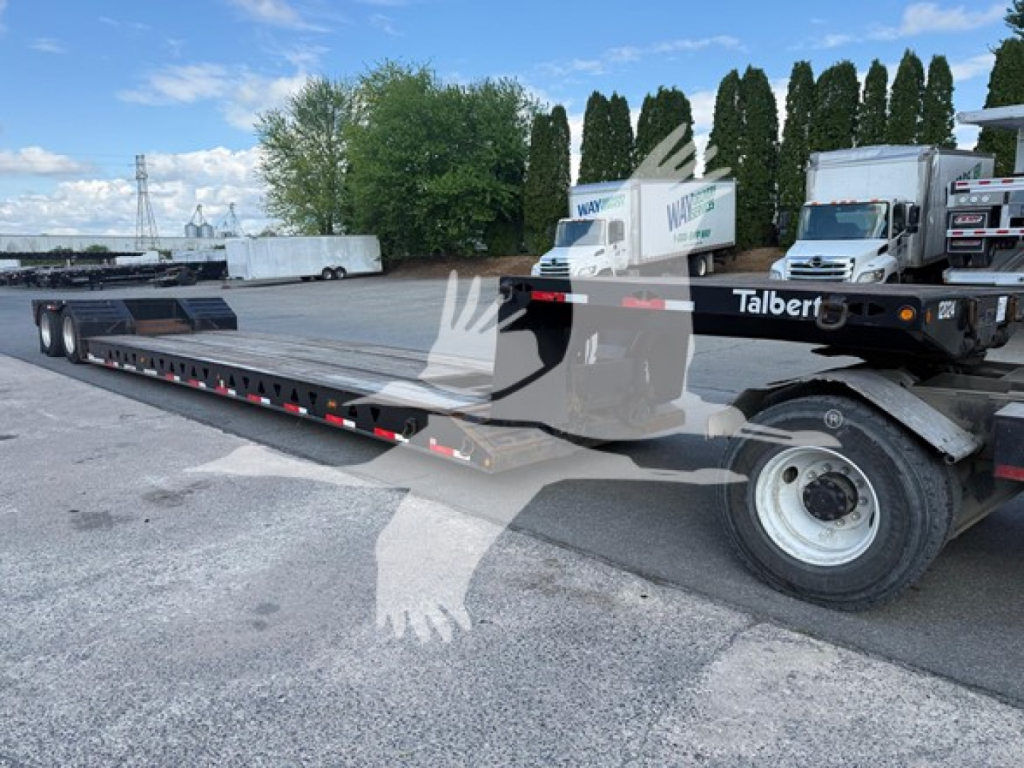
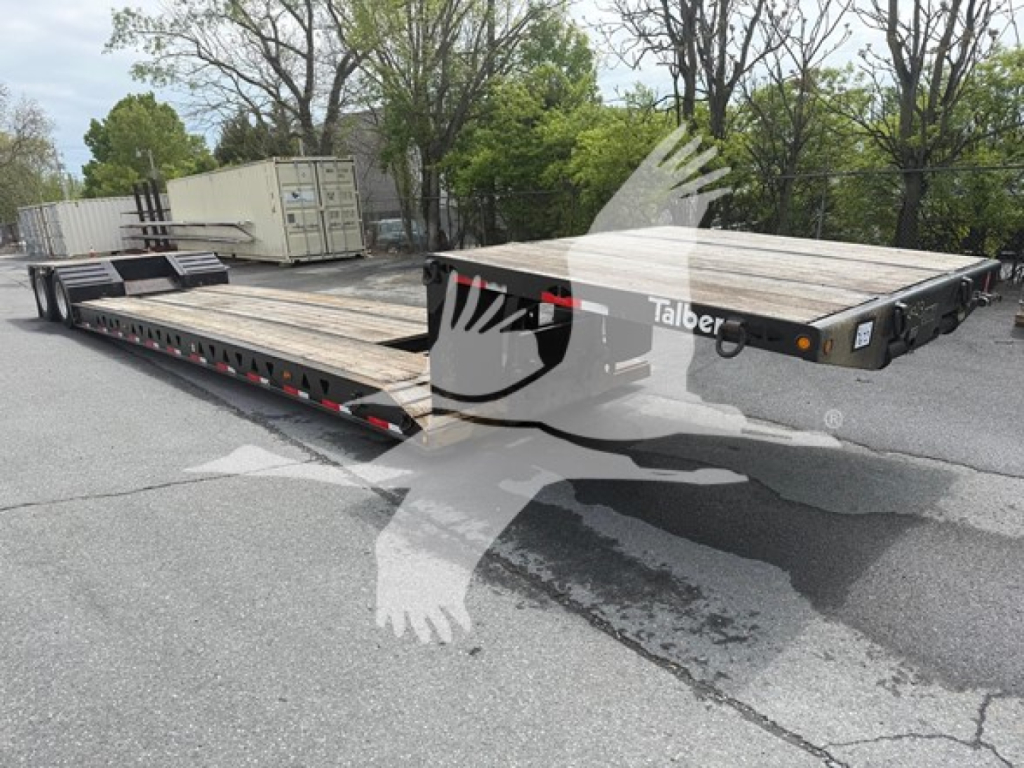
The first buying decision is usually gooseneck style. Mechanical detach lowboys are simpler, lighter, and often easier to maintain, while hydraulic removable gooseneck trailers offer faster loading and better flexibility for mixed fleets. A 2022 lowboy may be set up with a fixed neck, a mechanical detachable neck, or an RGN configuration depending on the job cycle. Buyers should look closely at kingpin settings, loaded deck height, loaded ground clearance, and usable well length, not just overall trailer length. Features like front flip ramps, boom troughs, bucket wells, outriggers, and bent D-rings can make a big difference if the trailer will regularly haul excavators or other tracked equipment with uneven undercarriage clearance.
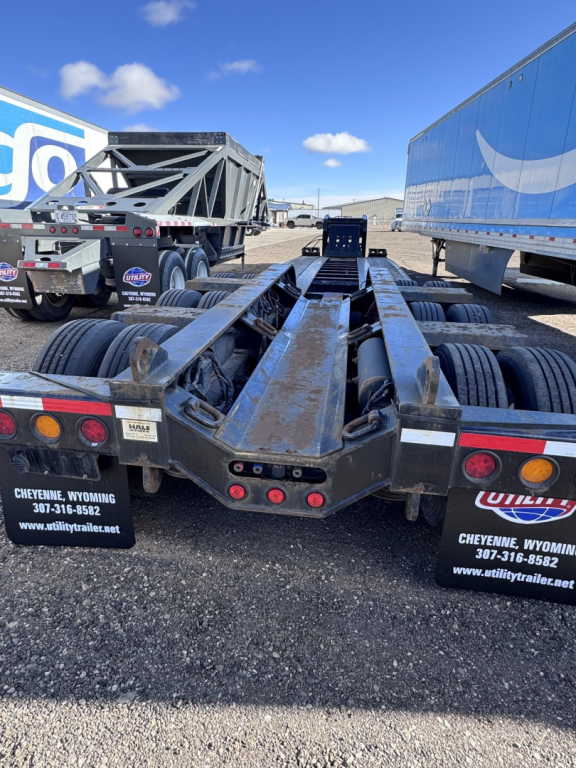
Axle group and suspension spec are just as important as capacity. In this year range, common setups include tandem and tri-axle lowboys, often with air ride suspension, rear lift axles, adjustable ride height, and provisions for a flip axle or spreader bar. Those details affect bridge compliance, turning radius, loading angle, and how easily the trailer can be configured for varying machine weights. Tire size, wheel material, brake condition, and systems such as central tire inflation also deserve attention on a used trailer. If the trailer will run in permit-heavy states, buyers should verify axle spacing, beam design, and compatibility with booster or flip axle options before making a decision.
Deck construction and structural condition deserve a careful review on any used 2022 lowboy trailer. Apitong or other hardwood decking is common, and buyers should inspect the deck surface, crossmember spacing, side rails, and perimeter beams for hard use from steel tracks or concentrated point loads. Air and electrical routing, ride height controls, rear loading valves, tool trays, and lighting packages are practical details that affect day-to-day usability. For fleets hauling mixed equipment, a well-spec'd 2022 lowboy can offer a strong balance of modern features, permit flexibility, and lower acquisition cost than a new build, especially when the trailer already has the outriggers, troughs, ramps, and axle options the work requires.
Frequently Asked Questions about Used 2022 Lowboy Trailers
What is a 2022 lowboy trailer commonly used for?
A 2022 lowboy trailer is typically used to haul heavy equipment that is too tall or too heavy for a standard flatbed. Common loads include excavators, dozers, wheel loaders, paving equipment, compactors, and some agricultural or construction machines. The low deck height helps keep overall loaded height legal, especially for machines with cabs, booms, or tall track frames.
What should I check first on a used 2022 lowboy trailer?
Start with the structural and configuration items that affect legal hauling and daily usability. Check the rated capacity, usable well length, deck height, axle count, axle spacing, gooseneck type, and suspension setup. After that, inspect the main beams, crossmembers, decking, outriggers, ramps, D-rings, brakes, tires, and air system. On detachable models, neck fit, lock mechanisms, hydraulic components, and kingpin area condition are especially important.
Is a mechanical detach or hydraulic detachable lowboy better?
It depends on how the trailer will be used. A mechanical detach lowboy is generally simpler and may have lower maintenance costs, which appeals to buyers running consistent loads and straightforward loading routines. A hydraulic detachable or removable gooseneck lowboy usually offers faster loading and more flexibility for frequent equipment changes. Fleets hauling different machines every week often prefer the convenience of hydraulic neck operation.
How do ton rating and axle configuration relate on a lowboy?
The trailer's ton rating is only part of the picture. Real-world hauling limits depend on axle count, axle spacing, suspension, bridge laws, and whether the trailer is set up for a flip axle, booster, or spreader bar. A 55-ton lowboy with tri-axle configuration and flip axle provisions may offer far more permit flexibility than a lower-spec trailer with the same advertised deck dimensions. Buyers should match the trailer's axle layout to the states and load weights they expect to run.
Why do well length and deck height matter so much on a lowboy trailer?
Well length determines whether the machine will fit correctly between the neck and rear axles while maintaining proper weight distribution. Deck height affects overall loaded height, loading angle, and ground clearance. A trailer with the right well length but the wrong deck height can still create clearance or permit problems. For excavators and other tracked machines, these two dimensions often matter more than overall trailer length.