
Used 2014 Lowboy Trailers For Sale
Shop used 2014 lowboy trailers for heavy equipment hauling, with common specs on tonnage, well length, detach style, axle setups, and deck height.
Selling a used 2014 lowboy trailer? List your used 2014 lowboy trailer for sale and reach thousands of commercial buyers.
Used 2014 Lowboy Trailers
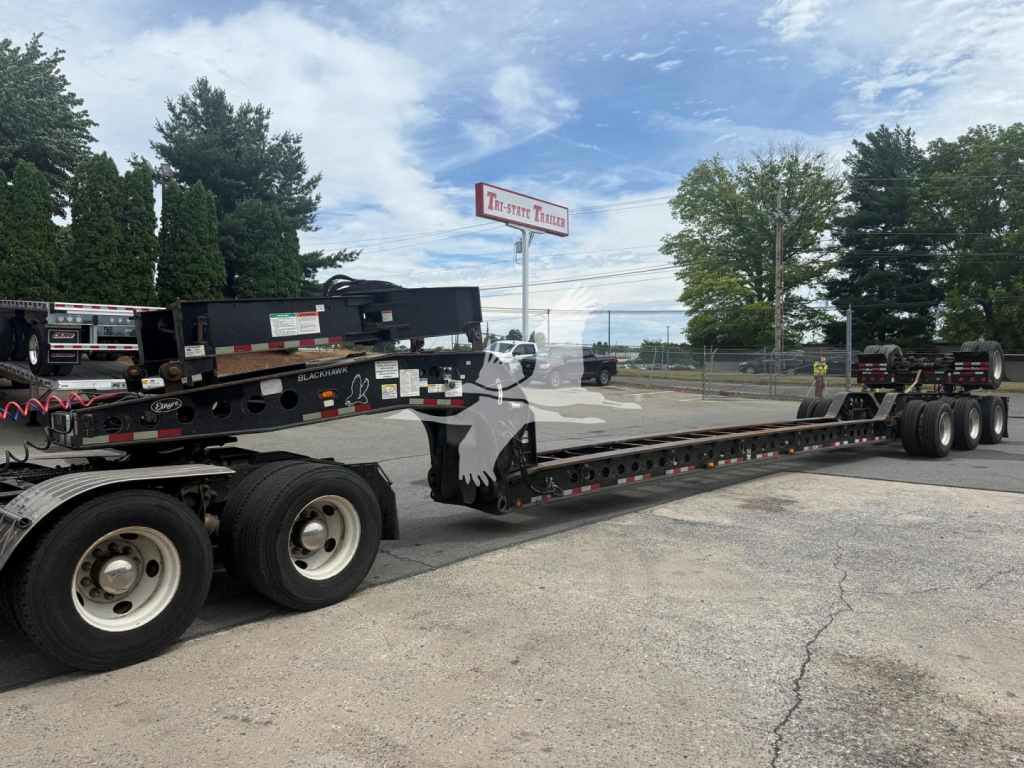
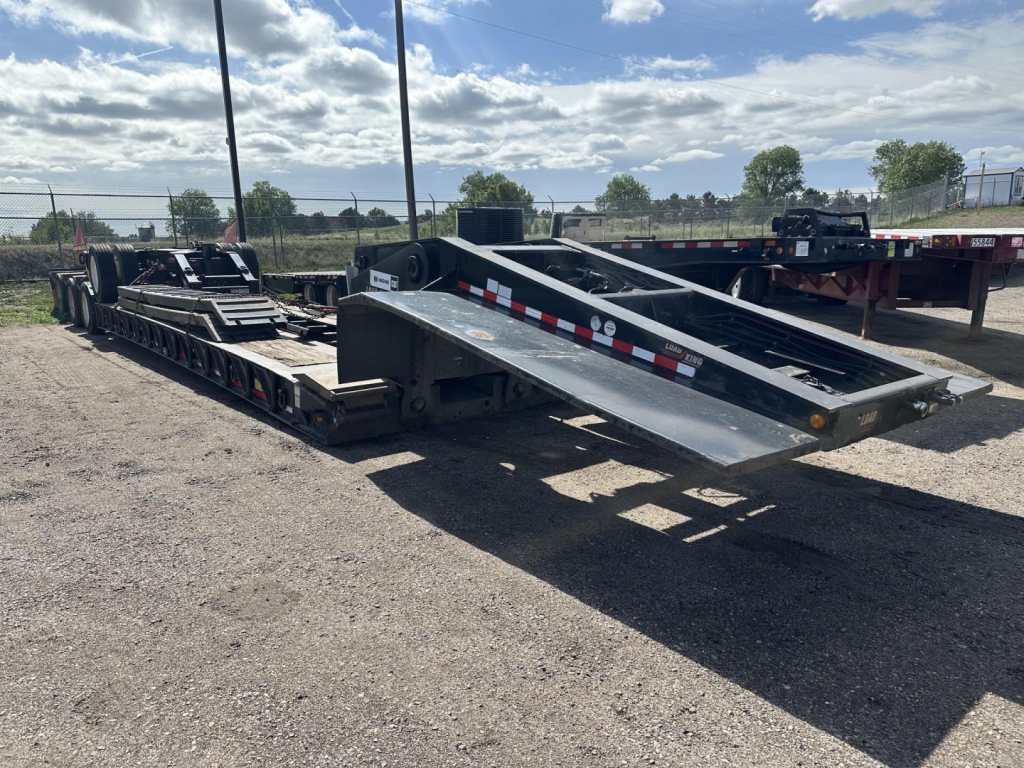
The first buying decision is usually neck style and load method. A hydraulic detachable gooseneck, often called an RGN, speeds loading and is common in fleets moving equipment every day. Mechanical detach lowboys are simpler and can reduce maintenance complexity, but hookup and unhook procedures are slower. On 2014 trailers, pay attention to kingpin setting, loaded fifth wheel height, swing clearance, and whether the neck is ground-bearing or non-ground-bearing. Those details affect tractor compatibility and loading angles. Main deck or well length matters just as much. Many 2014 lowboys in this class run around 26 to 29 feet in the well, while some extendable mechanical detach models offer extra flexibility for longer machines.
Axle setup and deck construction tell you a lot about how the trailer was built to work. Tandem axle lowboys are common for lighter iron and tighter operating environments, while tri-axle trailers and units set up for flip axles, spreader bars, or jeep combinations are better suited to higher gross weights and more demanding permit loads. Air ride suspension is common in this age group and is often preferred for ride quality and load protection. Deck specs worth checking include loaded deck height, ground clearance, crossmember spacing, apitong flooring, steel outer beams, outriggers, chain drops, and D-ring placement. A 2014 trailer may also have useful heavy-haul options such as front flip ramps, boom wells, bucket pockets, raise-and-lower valves, tire inflation systems, pony motors, and adjustable ride height.
Condition matters more than model year in this category, especially on a used 2014 lowboy trailer. Buyers should inspect neck structure, beam flanges, ramp areas, axle alignment, air system condition, suspension wear, brake percentages, tire size and remaining tread, deck condition, and signs of repair around concentrated stress points. Confirm the VIN plate, rated capacity, and any flip axle or spreader compatibility if the trailer will be used in multi-state permit work. A well-kept 2014 lowboy can still be a strong value if the specs match the equipment being hauled and the trailer has been maintained with heavy equipment service in mind.
Frequently Asked Questions about Used 2014 Lowboy Trailers
What is the typical capacity range for a used 2014 lowboy trailer?
Many used 2014 lowboy trailers fall in the 35 ton to 55 ton range, although exact legal payload depends on axle count, deck design, and the states where the trailer will run. A 35 ton tandem may be suitable for medium construction equipment, while 50 ton and 55 ton tri-axle configurations are more common for heavier machines and permit work. Always separate the trailer’s structural rating from your legal hauling capacity, because bridge laws, axle spacing, and tractor configuration all affect what you can actually move.
Should I choose a hydraulic detachable gooseneck or a mechanical detach lowboy?
A hydraulic detachable gooseneck is usually the better fit for frequent loading and unloading because it saves time and makes daily operation easier. A mechanical detach lowboy is simpler in design and can appeal to buyers who want fewer hydraulic components to service, but it is less convenient in repeated loading cycles. The right choice depends on load frequency, shop support, and whether faster turnaround matters more than mechanical simplicity.
What deck measurements matter most on a 2014 lowboy?
The most important dimensions are main deck or well length, loaded deck height, rear deck length, and overall width. Well length determines whether your machine fits without poor weight distribution. Loaded deck height and ground clearance affect legal transport height and real-world access over uneven approaches. Width, outriggers, and side rail design matter if you haul equipment with wide tracks, attachments, or uneven contact points.
How important are flip axle connections on a used lowboy trailer?
Flip axle provisions are very important if you expect to haul heavier equipment or operate in jurisdictions where additional axle spacing helps with permit compliance. A trailer equipped to accept a flip axle, spreader bar, or related heavy-haul components gives you more flexibility as load requirements change. Even if you do not need the extra axle immediately, that compatibility can improve resale value and reduce limitations later.
What should I inspect first on a used 2014 lowboy trailer?
Start with the structural areas that carry and transfer load, including the gooseneck, main beams, crossmembers, axle mounts, suspension hangers, and rear transition points. Then inspect brakes, tires, wheel ends, air ride components, electrical system, deck boards, and all securement hardware such as D-rings and chain drops. Service records, prior repairs, and evidence of repeated overloading are just as important as cosmetic appearance on a heavy-haul trailer.