
Lowboy Trailers For Sale in Illinois
No exact matches found for your search
Showing Lowboy Trailers instead.
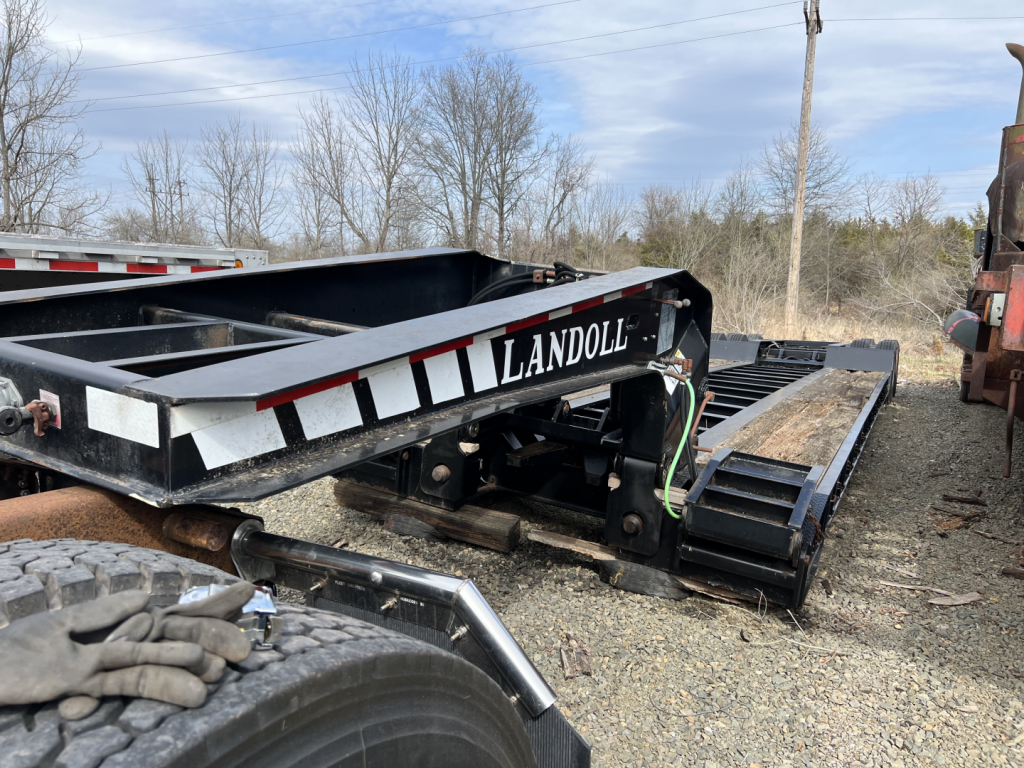
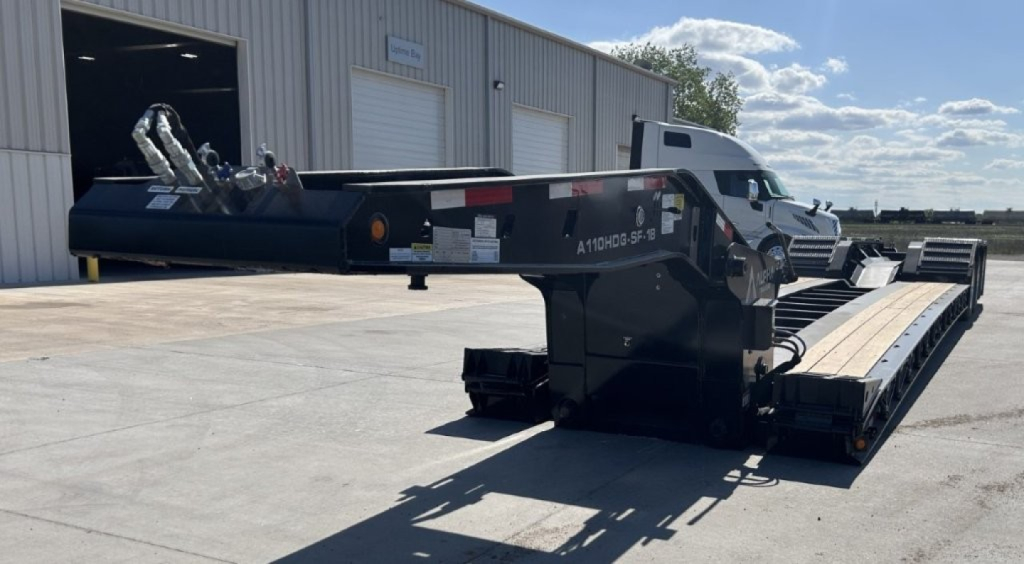
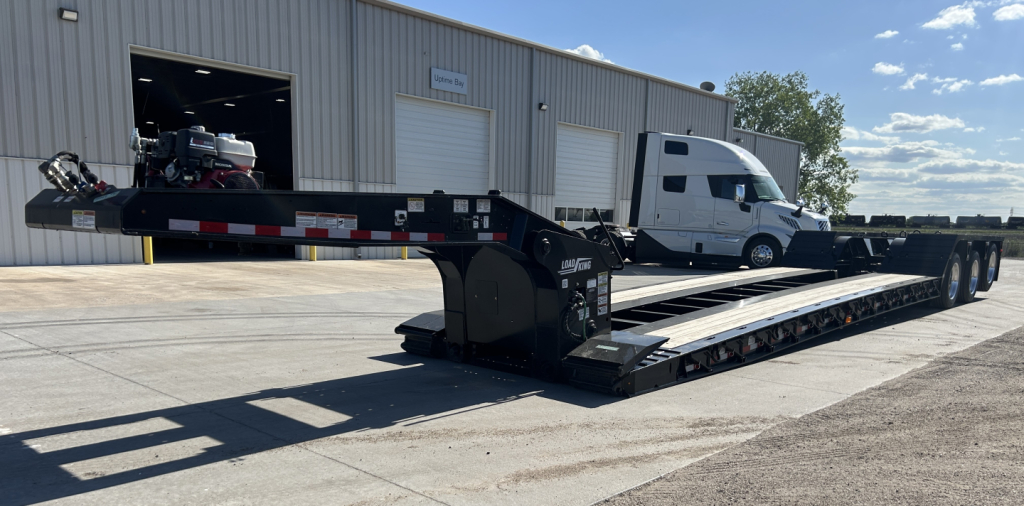
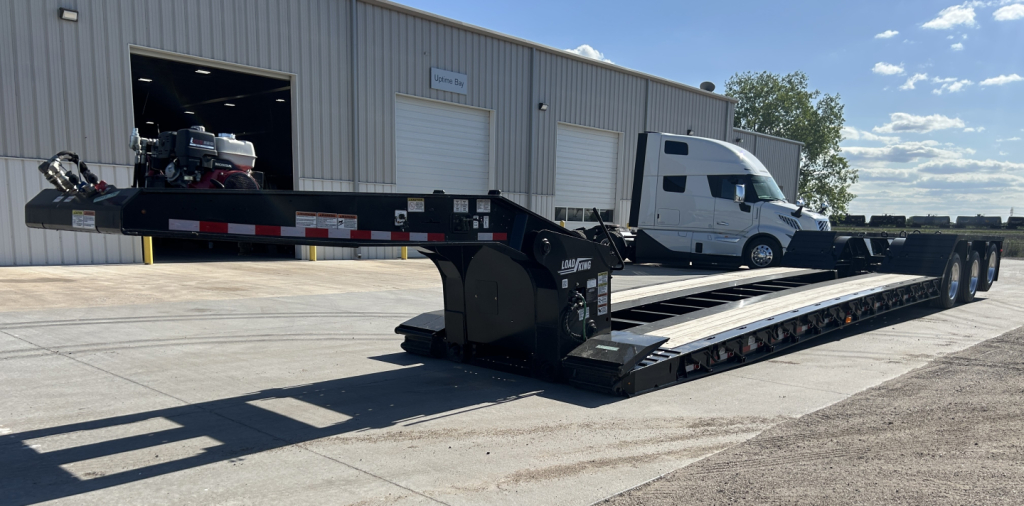
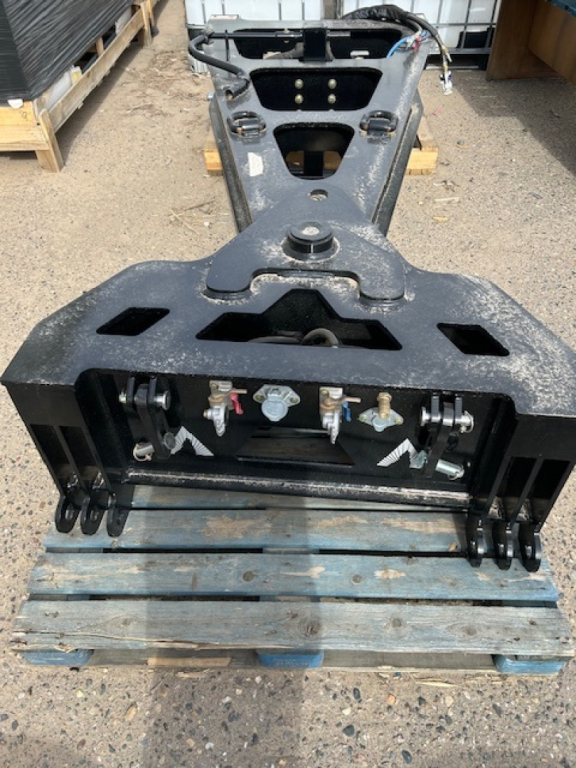
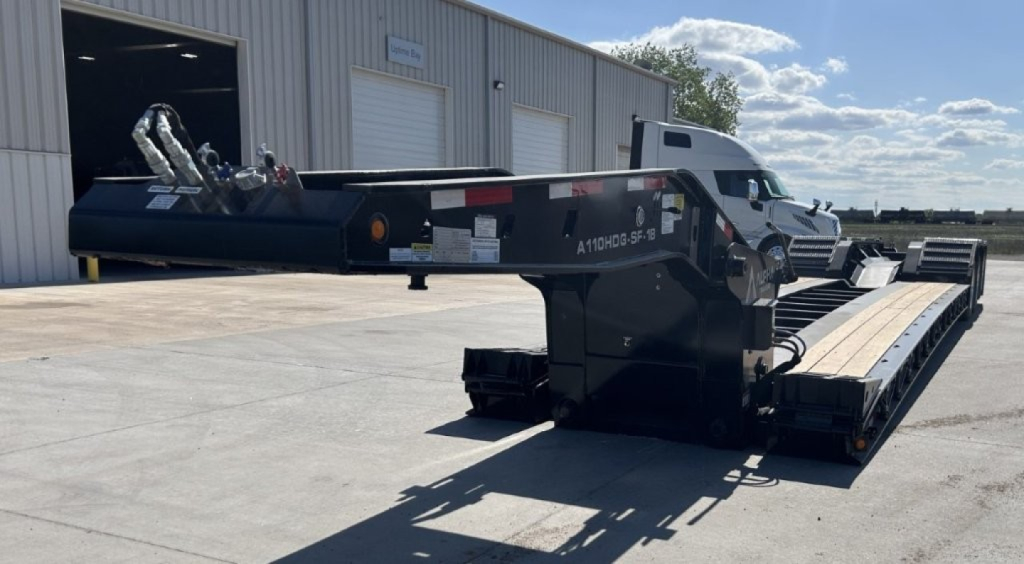
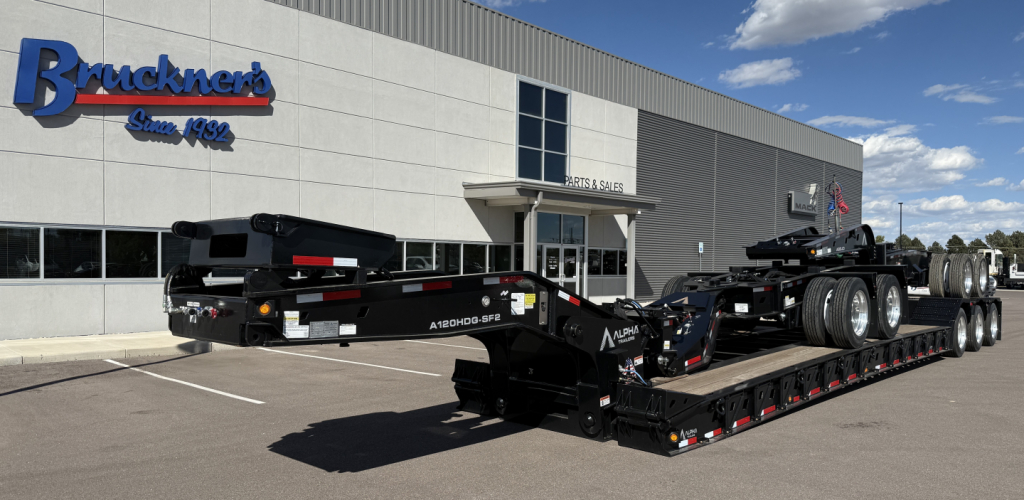
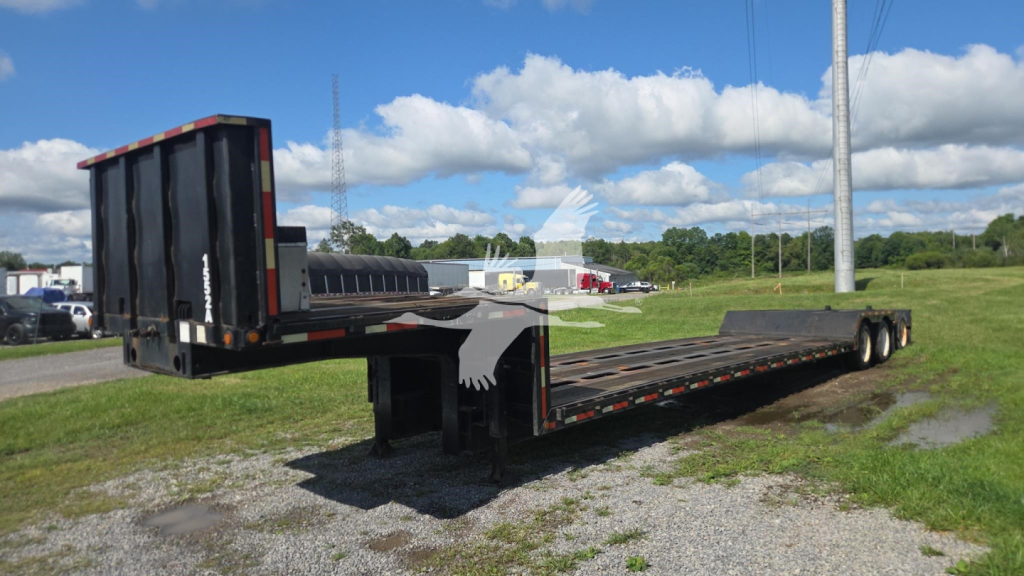
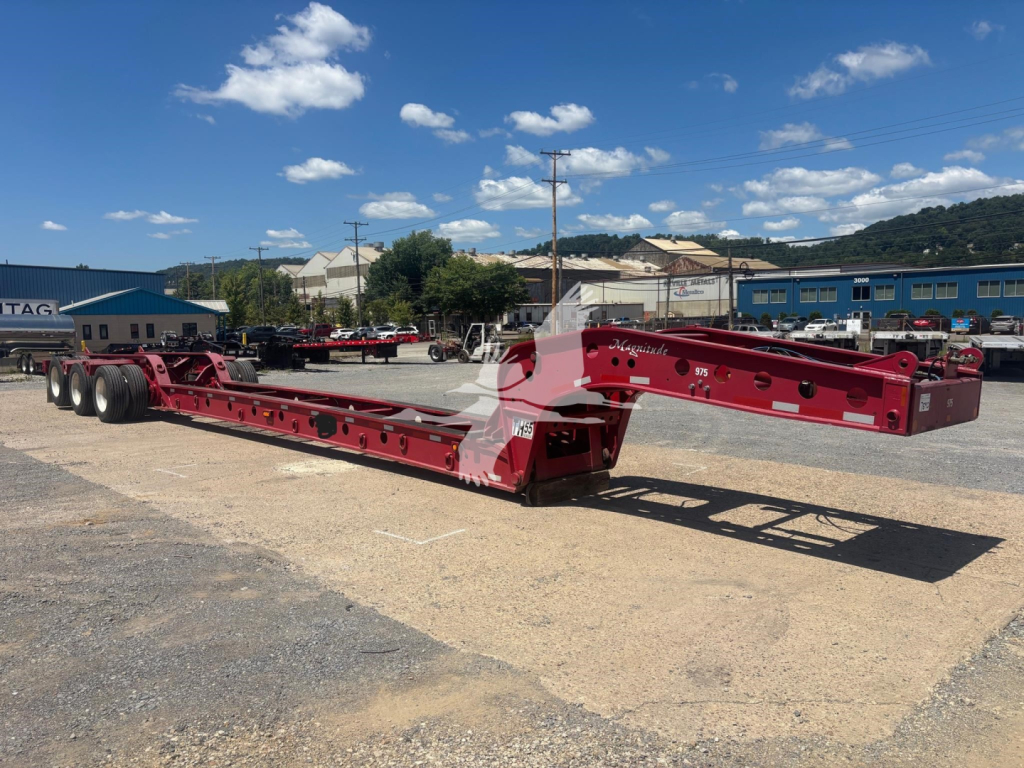
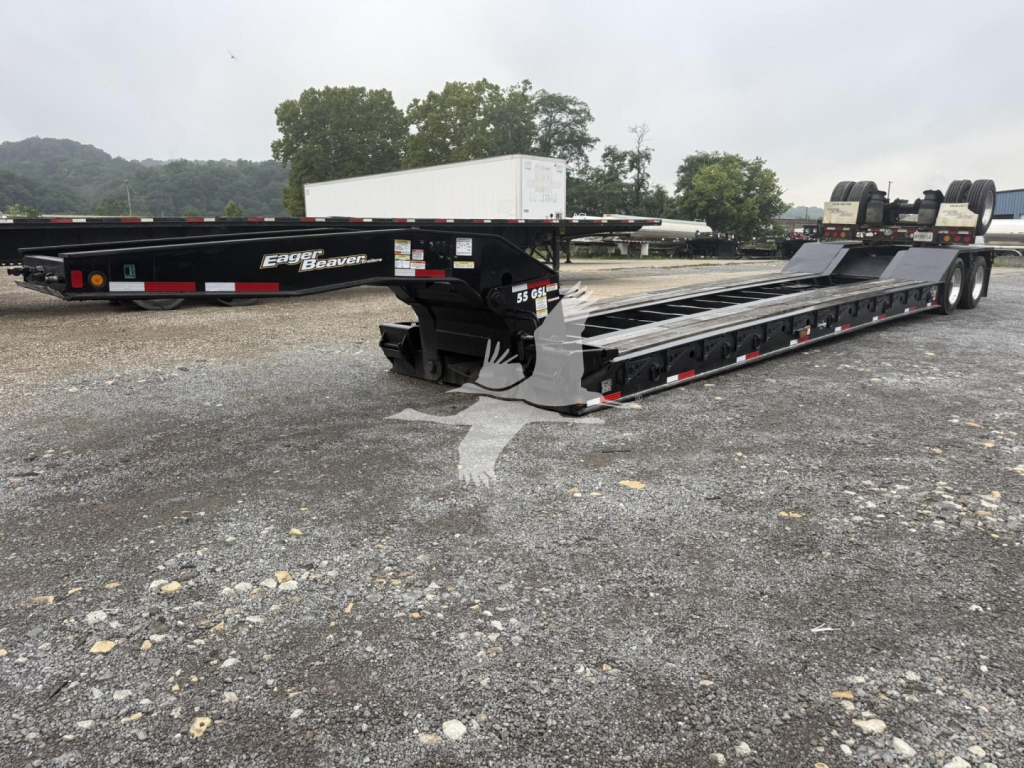
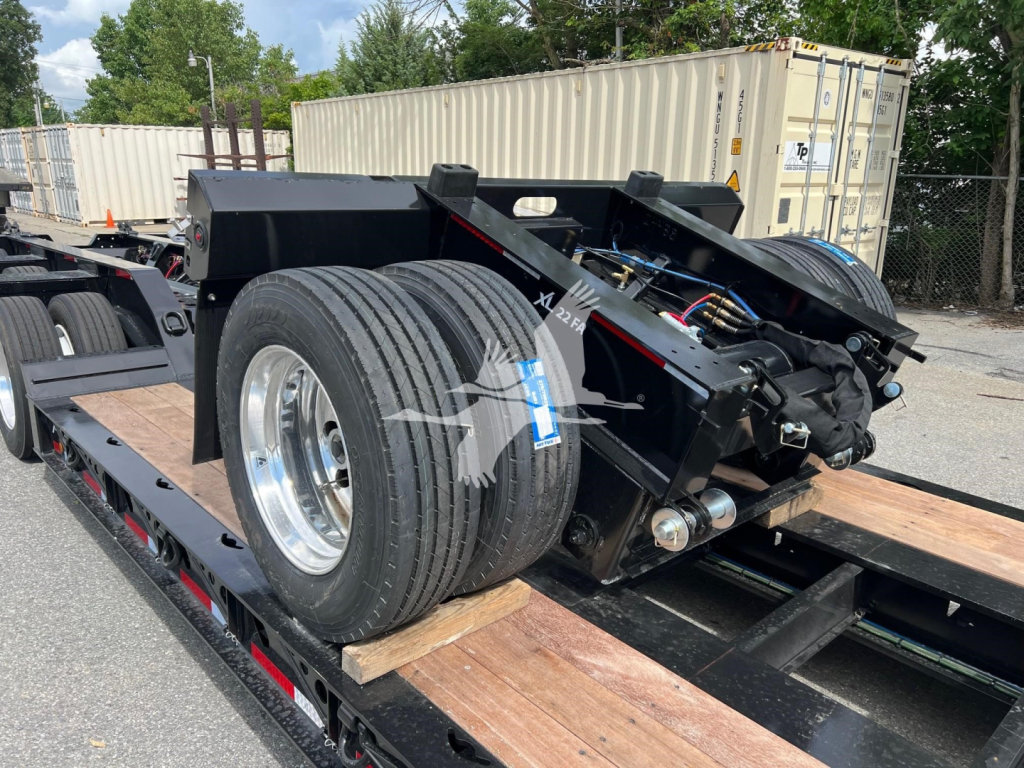
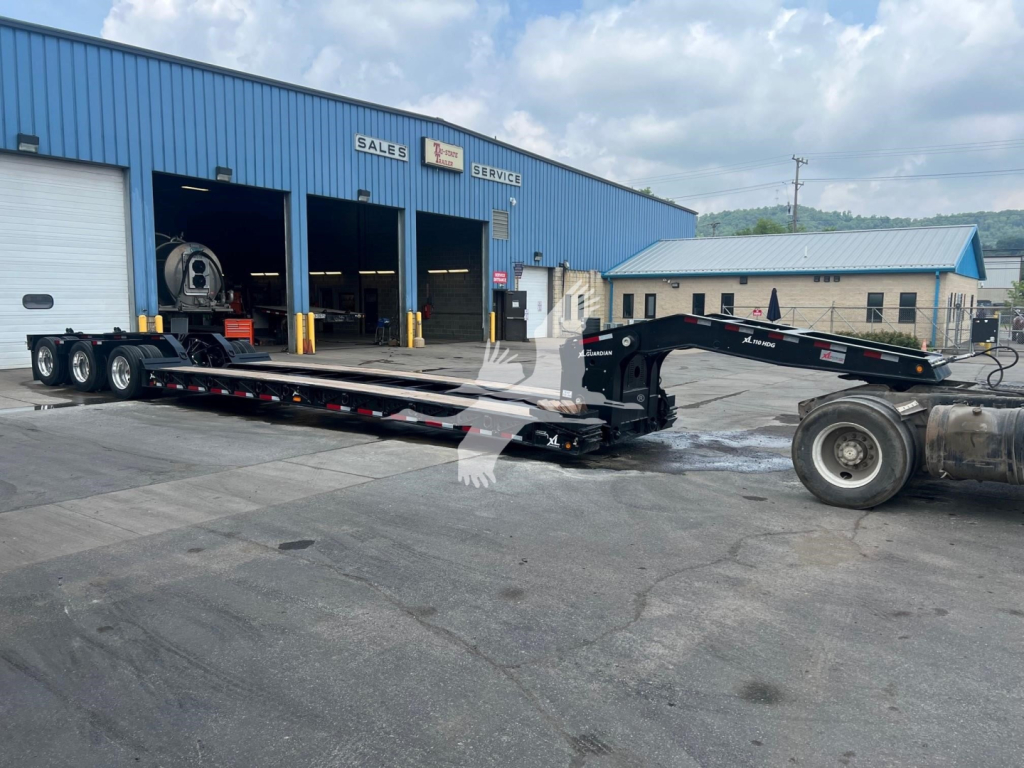
Showing 1 to 12 of 161 results
Have lowboy trailer to sell? List it here to reach thousands of buyers.
Lowboy Trailers in Illinois
Deck height, deck length, and neck style drive day-to-day usability. Many lowboys in this segment run loaded deck heights around 18 to 22 inches, which is the whole advantage of the category when hauling high-profile iron. Flat low-deck designs give you a clean load surface for general equipment, while roller paver or beam-tapered styles improve load angle for low-clearance machines. Removable gooseneck, or RGN, lowboy trailers remain popular because they let equipment drive on from the front and simplify loading tracked machines. A fixed-neck or mechanical neck setup can still make sense in fleets with consistent loading methods and lower complexity requirements. Buyers should also pay attention to kingpin settings, swing clearance, and gooseneck design, especially if the trailer will be matched to multiple tractors.
Axle configuration is just as important as nominal tonnage. Tri-axle lowboys are common for general heavy equipment transport, but many buyers want a trailer that is flip-axle ready or spreader-bar capable to support permit loads and future growth. Air ride suspension is widely spec'd for ride quality and load protection, and rear bogie design affects maneuverability, axle loading, and service access. In Illinois, where routes can include urban job sites, county roads, and interstate work, axle spread and ride height adjustment can make a real difference in bridge compliance and loading approach. Tire size, rear axle compatibility, and whether the trailer accepts a close-coupled flip axle or jeep should be confirmed before purchase if the work involves heavier or more regulated loads.
Construction details separate a lowboy that works every day from one that becomes expensive to maintain. Steel frames are common for durability in severe-duty environments, while apitong or wood floors remain popular for equipment traction and repairability. Useful features include swing-out or removable outriggers, covered rear bogies, flip-down front ramps, lockable storage trays, LED lighting, and weld-on wheel covers. Buyers hauling mixed fleets should look closely at deck clear length, boom well dimensions, and ground clearance under loaded conditions. A lowboy trailer is not just a capacity number. It is a combination of loading angle, deck geometry, axle package, and attachment options that needs to match the machines you move most often.
Frequently Asked Questions about Lowboy Trailers in Illinois
What is the difference between a lowboy trailer and a double drop trailer?
The terms are often used interchangeably, but in heavy haul practice a lowboy usually refers to a very low deck trailer built for equipment transport, often with a removable gooseneck. A double drop describes the deck shape, with an upper deck, a dropped main deck, and a rear deck over the axles. Many equipment haulers call these lowboys because the low center deck is the key advantage. The important point for a buyer is deck height, loading method, and capacity rating, not just the label used in the listing.
What capacity lowboy trailer is common for construction equipment?
A 35-ton to 55-ton lowboy covers a large share of construction and paving equipment moves, with 55-ton models being especially common for contractors and regional heavy haulers. Capacity is usually stated within a specific concentrated load area, such as 110,000 pounds in 13 feet, so buyers need to compare how the trailer is rated, not just the headline tonnage. The machine's operating weight, track spacing, axle load concentration, and attachment weight all need to be matched to the trailer's real working capacity.
Why choose a removable gooseneck lowboy?
A removable gooseneck lowboy allows front loading, which is a major advantage for tracked and low-clearance equipment. The machine can be driven straight onto the deck instead of climbing steep rear ramps, reducing loading angle issues and improving safety. RGN trailers also make it easier to handle a wider range of machines in mixed fleets. Buyers should still compare hydraulic versus mechanical neck designs, ground-bearing versus non-ground-bearing operation, and the tractor compatibility required for each setup.
What features matter most when buying a lowboy trailer in Illinois?
Illinois buyers should pay close attention to axle group configuration, loaded deck height, deck length, kingpin setting, and whether the trailer is ready for a flip axle or other capacity-expanding attachments. Those details affect permit compliance, bridge laws, maneuverability, and how easily the trailer can move between urban projects and regional highway routes. Practical jobsite features also matter, including outriggers, storage trays, durable flooring, LED lighting, and a suspension setup that protects both the trailer and the equipment being hauled.
How do I know if a lowboy has the right deck for my equipment?
Start with the machines you move most often and compare overall weight, track or tire width, ground clearance, attachment overhang, and where the heaviest part of the machine sits on the deck. A flat level deck is versatile for general equipment, while a roller paver or tapered beam design is better for low-clearance machines that need a gentler load angle. Deck clear length, boom well dimensions, and outrigger availability are all important if your freight mix includes long-wheelbase or oddly shaped equipment.