
Fontaine Lowboy Trailers For Sale in Ohio
Browse Fontaine lowboy trailers built for heavy equipment hauling, with hydraulic detachable goosenecks, air ride suspensions, and flip axle options.
Learn more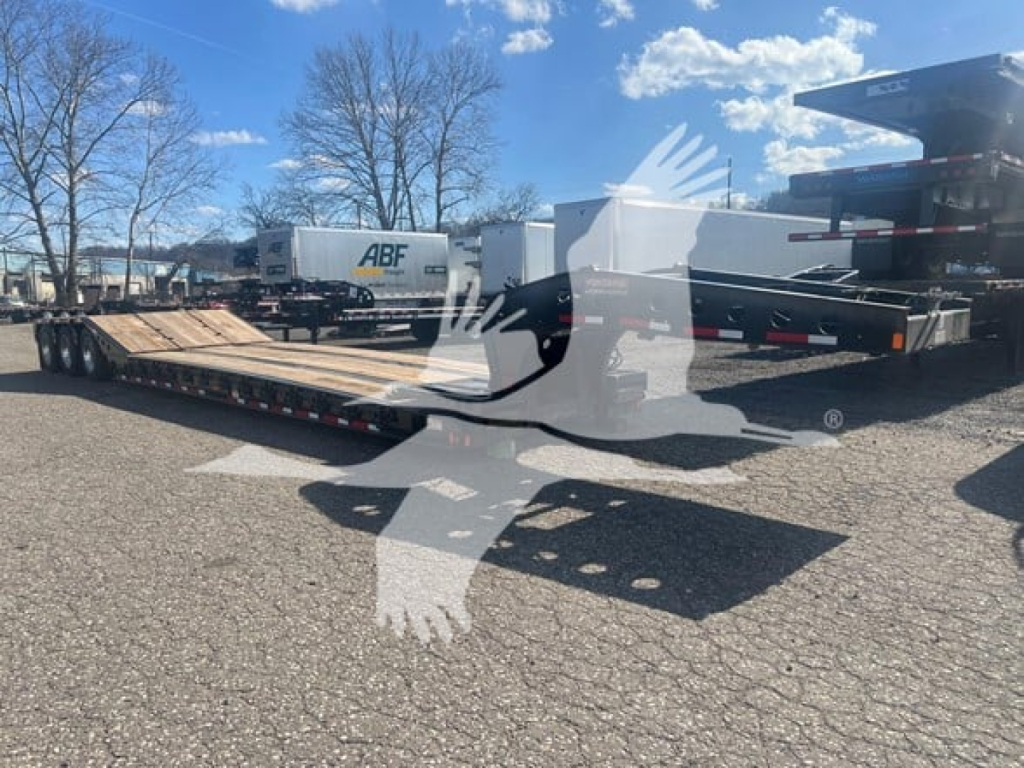
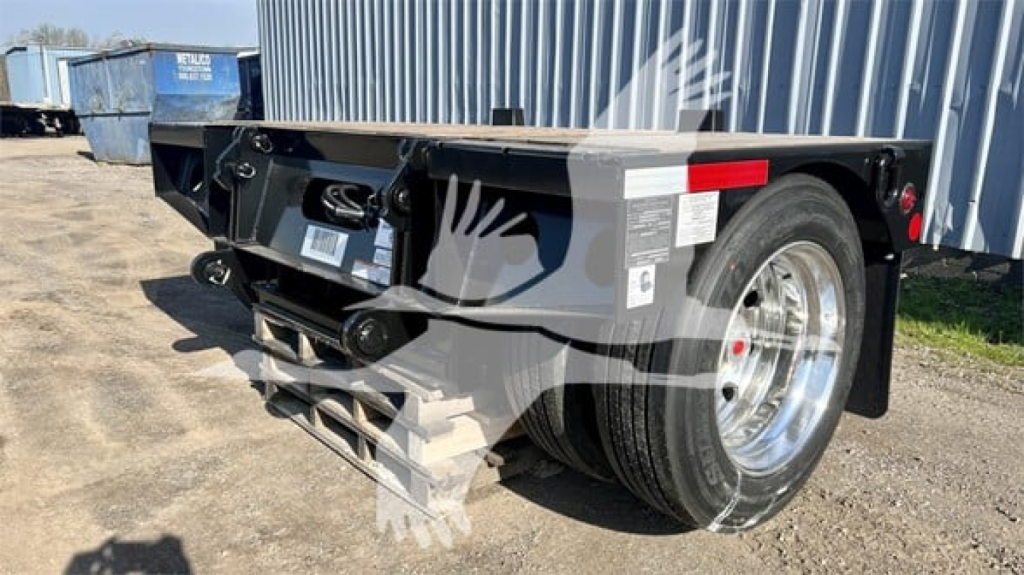
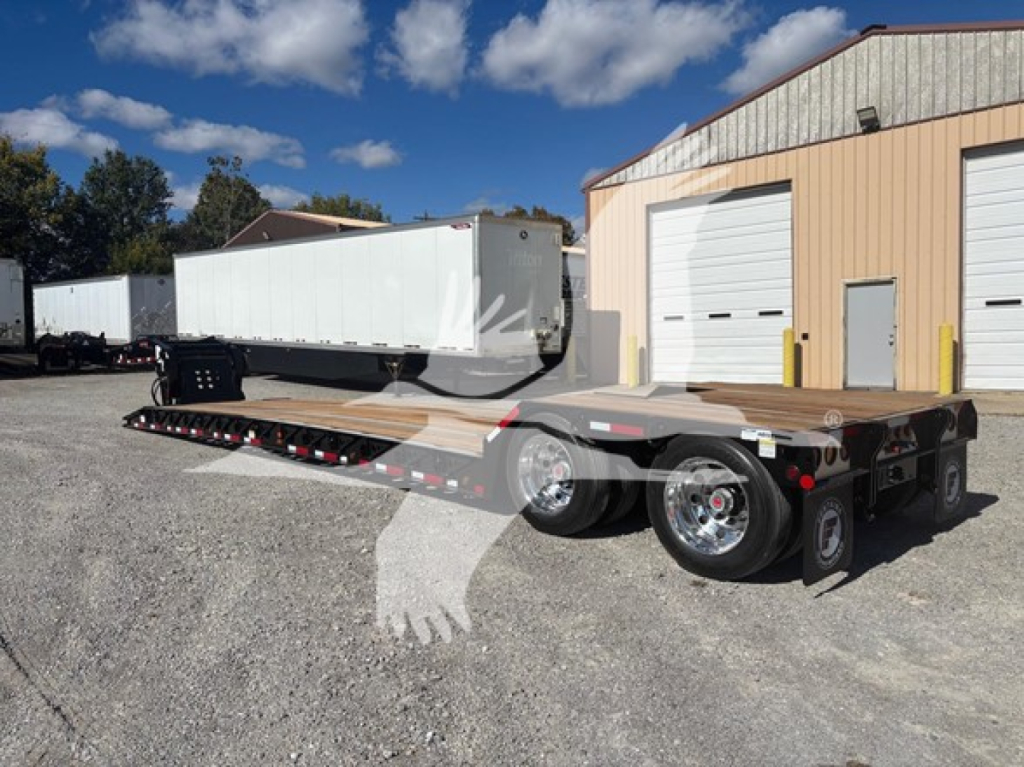
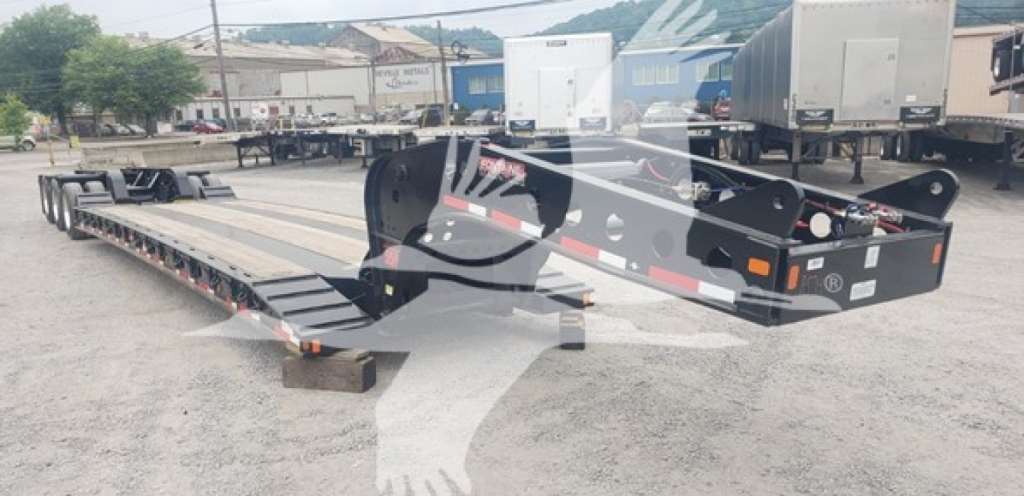
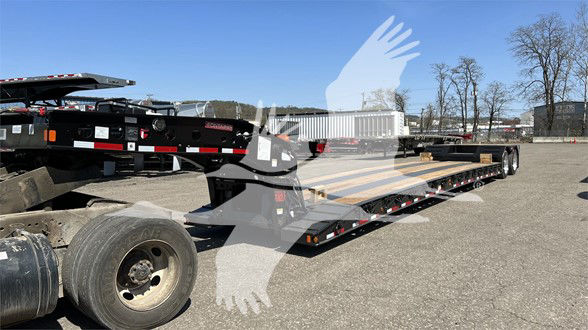
Showing 13 to 17 of 17 results
Have fontaine lowboy trailer to sell? List it here to reach thousands of buyers.
About Fontaine Lowboy Trailers in Ohio
The first buying decision is usually capacity and deck layout. Common Fontaine lowboy setups in this class range from around 40 ton to 55 ton ratings in a specified concentrated load area, often 12 feet or 16 feet, depending on the model. Buyers should pay close attention to loaded deck height, ground clearance, main deck length, top deck length, and whether the trailer is fixed or modular. A lower main deck, often around 20 to 22 inches, helps with legal height on taller machines. Hydraulic detachable goosenecks, including non-ground-bearing designs, speed up loading for crawlers, pavers, rollers, and support equipment. Models with full-width wood-filled wheel areas, boom wells, hammer plates, and recessed crossmembers are especially useful for mixed fleets hauling different machine styles.
Suspension and axle configuration matter just as much as ton rating. Many Fontaine lowboys use air ride suspensions from brands such as Hendrickson or Ridewell, along with mechanical ride height control, manual dump valves, and lift axle features that help with maneuverability and load transfer. Flip axle compatibility is a major consideration for operators who need flexibility on heavier or permit loads. Fontaine lowboys are often spec'd to accept rear flip axles, spreader attachments, flip boxes, or neck extensions, which can make a big difference when route laws, bridge formulas, or axle spacing requirements come into play. Tire size, suspension setting, kingpin setting, and fifth wheel ride height should also be checked against the tractor that will pull the trailer, because a mismatch can create loading angle issues or poor weight distribution.
Deck equipment and securement details are what separate a general-purpose lowboy from one that fits your work. Apitong flooring, removable swing-out outriggers, multiple D-ring pairs, covered toolboxes, traction cleats, and heavy rear lighting packages are common features buyers look for on Fontaine trailers. For paving and roadbuilding work, models like the Paver Pro are designed around easy loading and machine-specific support. For broader construction and rental fleet use, a detachable double-drop or extendable lowboy may be the better fit. The right Fontaine lowboy is usually the one that matches the dimensions and axle weights of your most common loads while still giving enough adjustability for the jobs that pay best.
Frequently Asked Questions
What is the main advantage of a Fontaine lowboy trailer?
A Fontaine lowboy trailer is designed to haul heavy and tall equipment with a lower deck height than a conventional flatbed or tag trailer. That lower loaded height helps keep machines under legal overall height limits, while the detachable gooseneck design makes it easier to load tracked and wheeled equipment from the front. Fontaine is also known for modular heavy-haul options, so many trailers can be configured with flip axles, spreaders, or neck extensions as hauling requirements change.
How do I choose the right Fontaine lowboy capacity?
Start with the operating weight, axle spacing, and footprint of the equipment you move most often. A 40-ton or 55-ton rating does not mean every load can be placed anywhere on the deck, because those ratings are usually based on a concentrated load over a stated length such as 12 feet or 16 feet. Buyers should compare the machine's track length or tire contact area to the trailer's rated load area, then confirm axle group spacing, permit needs, and tractor compatibility before selecting a trailer.
Why does flip axle compatibility matter on a lowboy?
Flip axle compatibility gives a lowboy more flexibility for heavier loads and changing state permit requirements. Adding a flip axle can improve weight distribution, increase legal payload potential in some applications, and help operators meet bridge and axle spacing rules. Even if a trailer is not used with a flip axle every day, having that option can expand the type of work the trailer can handle later.
What features should I look for on a Fontaine lowboy for equipment hauling?
Important features include hydraulic detachable gooseneck operation, deck height, main deck length, number of axles, air ride suspension, and securement points. Buyers also commonly look for Apitong flooring, removable outriggers, D-rings, boom wells, wood-filled wheel areas, hammer plates, and lift axle functions. The best spec depends on whether the trailer will haul excavators, pavers, dozers, compactors, or mixed construction equipment.
Are Fontaine lowboy trailers a good fit for paving and roadbuilding fleets?
Yes. Fontaine offers lowboy configurations that are well suited for paving and roadbuilding equipment, including models designed around pavers and related machinery. Features such as low loading angles, wood-filled deck sections, heavy-duty flooring, outriggers, and detachable necks help support frequent loading and unloading on active jobsites. For fleets moving both paving equipment and general construction machinery, a Fontaine lowboy with modular or flip axle capability can provide more long-term versatility.