
New Fontaine Lowboy Trailers For Sale
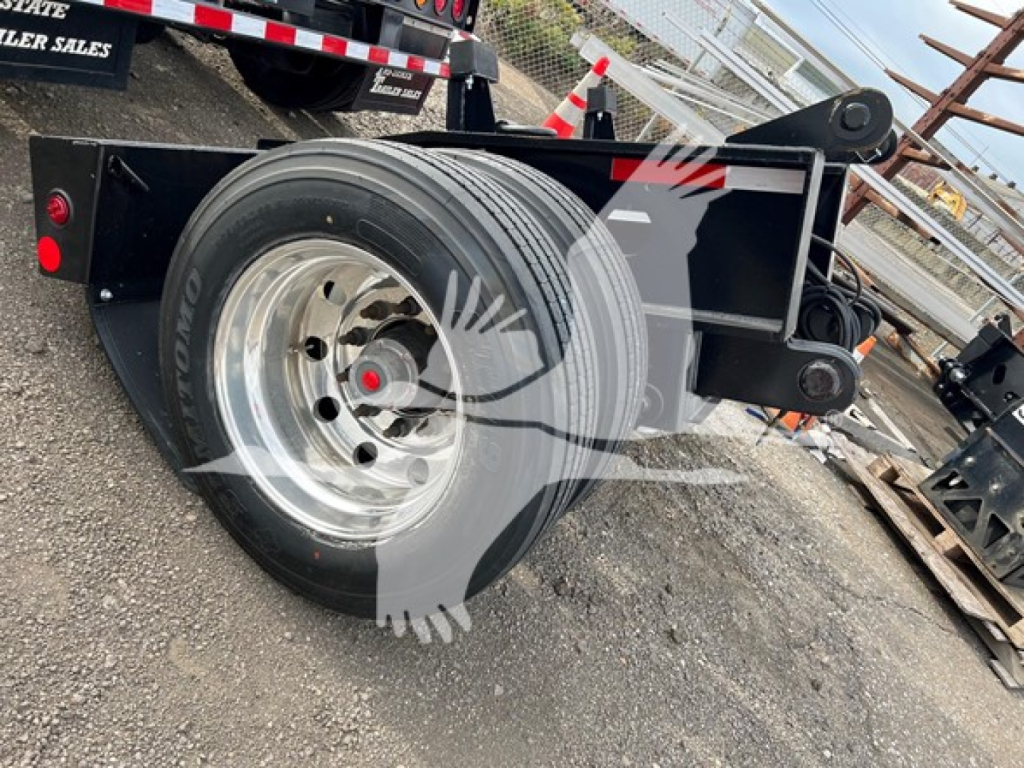
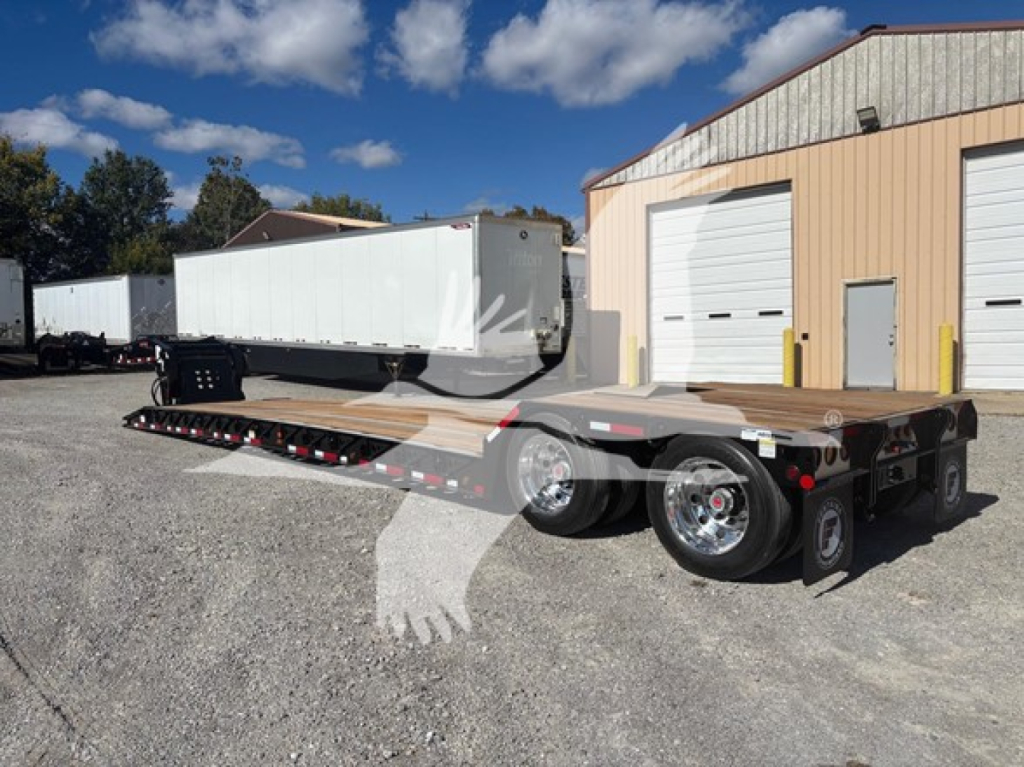
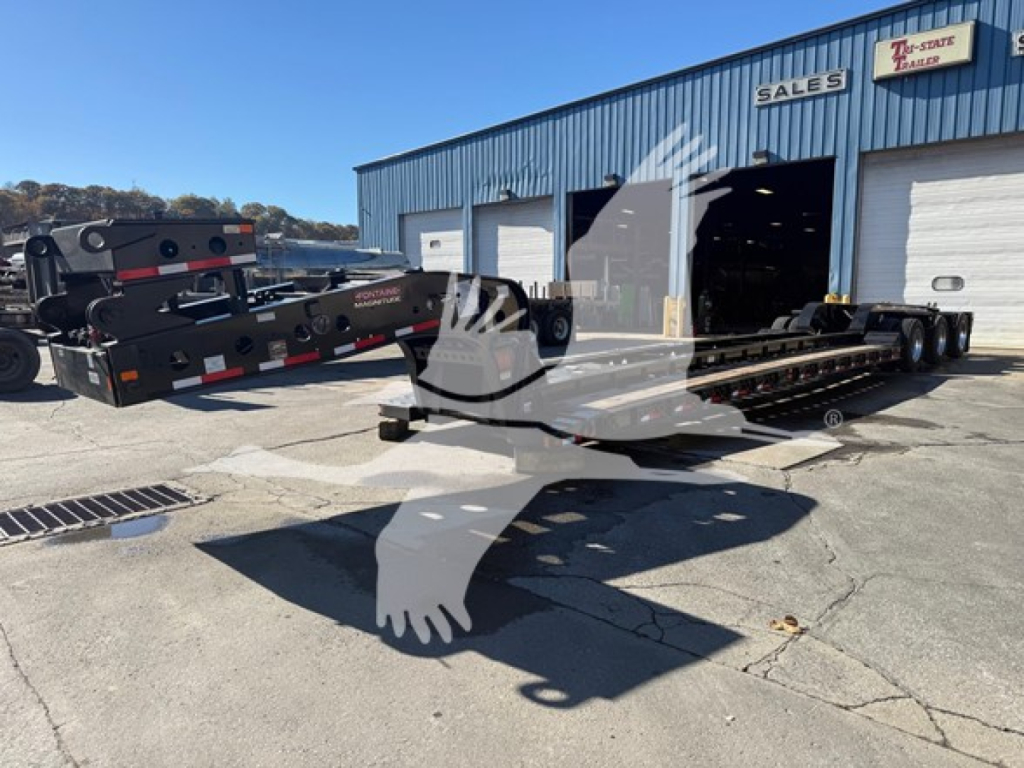
Shop new Fontaine lowboy trailers built for heavy equipment hauling, with detachable goosenecks, low deck heights, high-capacity axle setups.
Learn more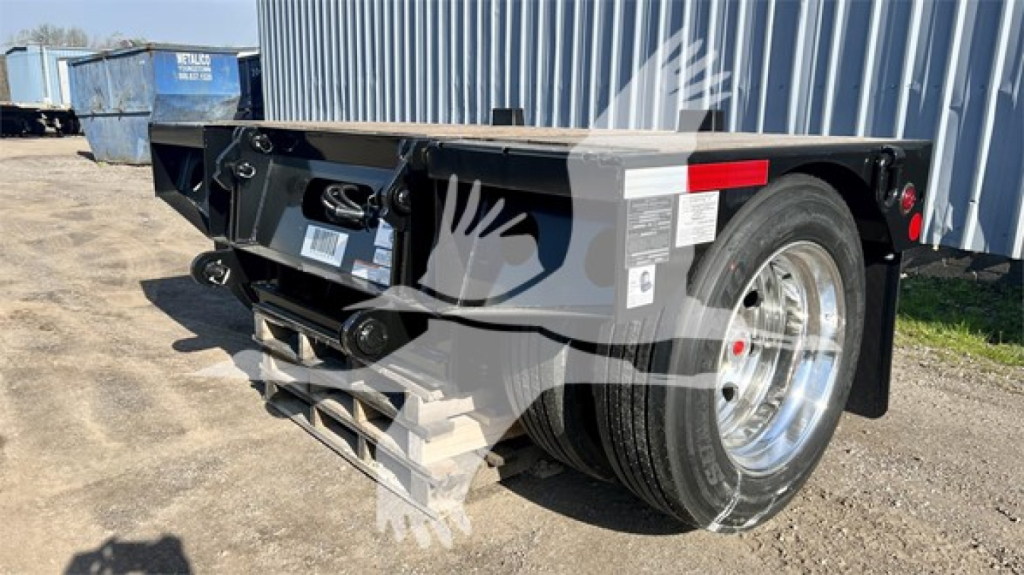

Showing 25 to 36 of 48 results
Have new fontaine lowboy trailer to sell? List it here to reach thousands of buyers.
About New Fontaine Lowboy Trailers
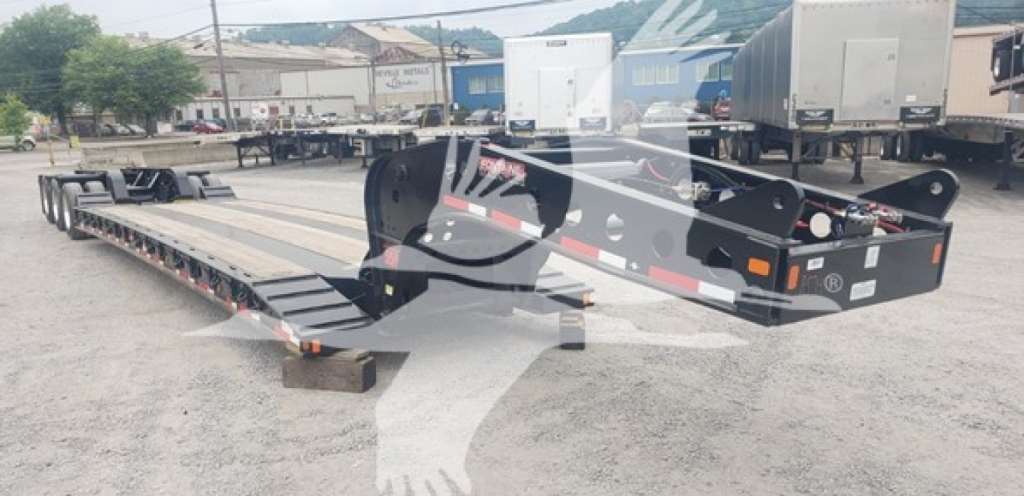
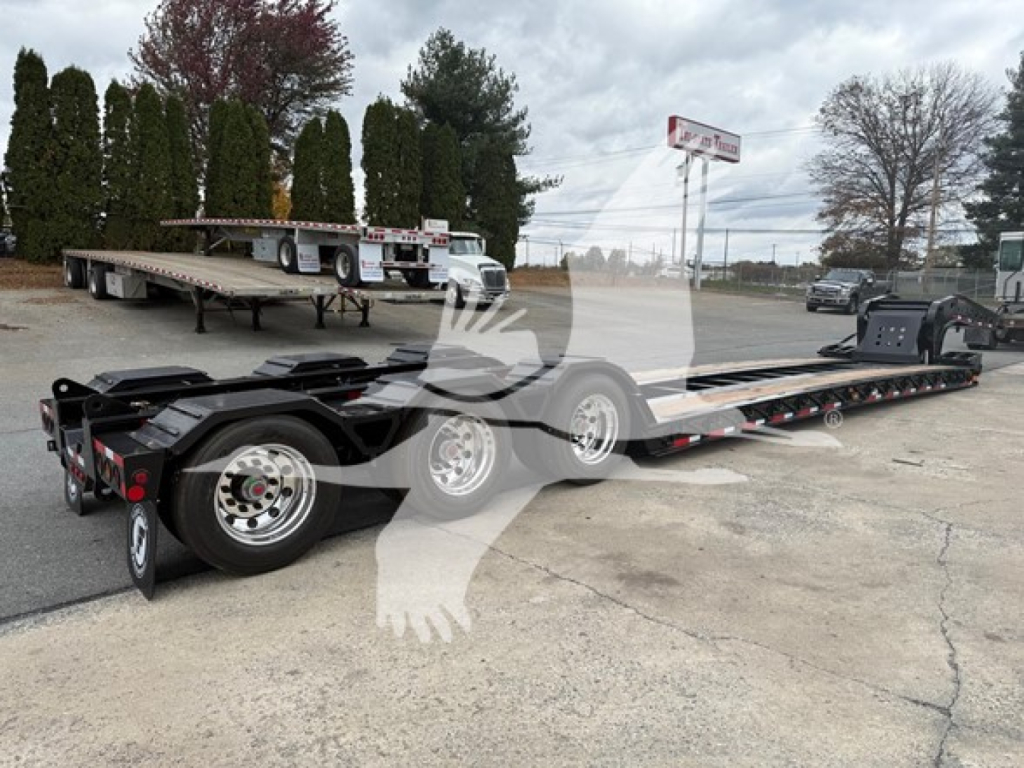
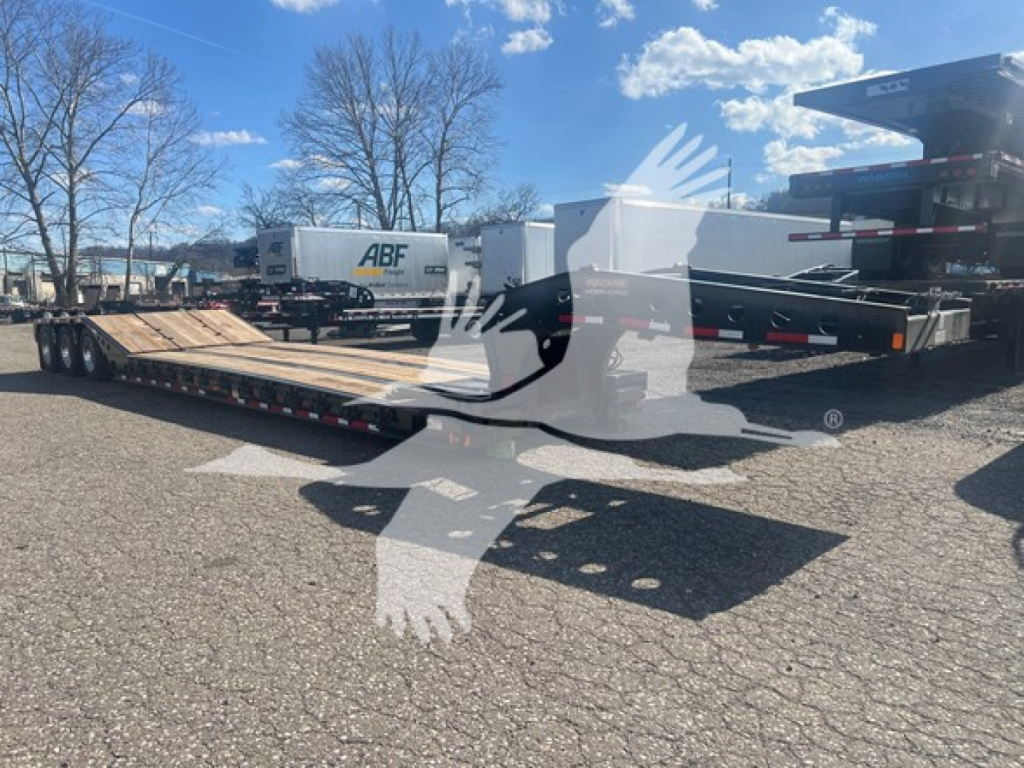
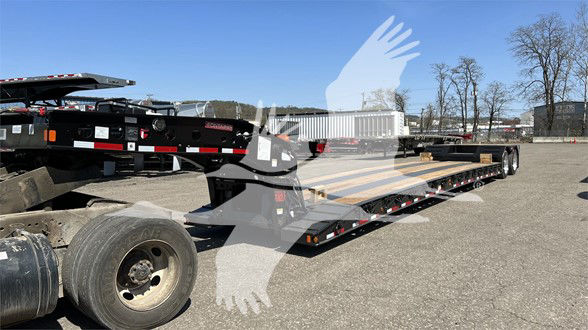
A buyer should start with the deck and neck configuration before looking at options. Many new Fontaine lowboy trailers use a hydraulic detachable gooseneck, often non-ground bearing, which speeds hookup and drop while keeping the trailer versatile for daily equipment work. Loaded deck height is a major decision point because an 18 inch to 23 inch deck height can make a meaningful difference in total loaded height, route planning, and permit flexibility. Roller paver models with tapered main beams and gentle load angles are especially useful when loading paving equipment, compactors, and other machines that cannot tolerate steep ramps or abrupt transitions. Beam trailers and low boom well designs also matter when the load has deep belly clearance requirements or concentrated weight over the center section.
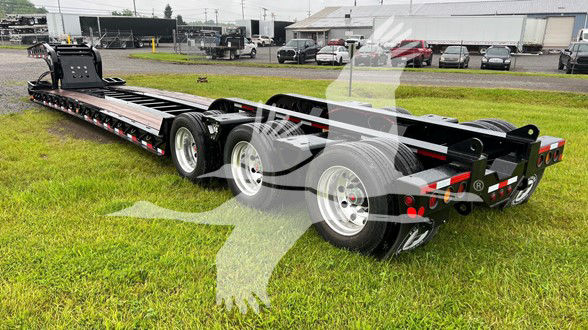
Axle layout, kingpin settings, and expandability are just as important as the published ton rating. Common specs in this class include tri-axle air ride suspensions, 54.5 inch axle spacing, 275/70R22.5 tires, air lift axles, manual dump valves, and multiple kingpin settings to match different tractors and bridge formulas. Buyers moving between states should pay close attention to axle spread, flip axle compatibility, intermediate axle options, and whether the trailer is already configured for a 51 inch, 60 inch, or modular rear axle arrangement. Outriggers, D-rings, chain slots, hammer plates, scuff protection, and covered tool trays all affect how usable the trailer is in day-to-day service. A lowboy that looks similar on paper can perform very differently once you factor in securement points, deck usable length, and how the suspension package works under real load.
Fontaine lowboys are commonly chosen by contractors, paving crews, aggregate operations, rental fleets, and specialized heavy haulers that need a durable trailer with predictable load handling and strong resale appeal. New models often give buyers the advantage of current spec choices such as hydraulic detachable necks, removable swing outriggers, flip axle prep, aluminum outer wheels, and lighting packages that support legal and safe operation on highway moves. The best trailer in this category is usually the one that matches your heaviest machine, your most frequent load profile, and the permit environment you run in most often. A lowboy that is slightly overbuilt for your average move is often the safer long-term decision than one that only works at the edge of its rating.
Frequently Asked Questions
What is the difference between a Fontaine roller paver lowboy and a standard lowboy?
A Fontaine roller paver lowboy is designed with loading geometry that better suits low-clearance machines such as pavers, rollers, and compact equipment with long wheelbases or low approach points. These trailers often use tapered main beams and gentler load angles to reduce the chance of dragging during loading. A more conventional lowboy may still handle heavy machinery well, but the roller paver design is typically more forgiving when equipment has limited ramp breakover clearance.
What capacity should I look for in a new Fontaine lowboy trailer?
The right capacity depends on the machine’s operating weight, how that weight is distributed, and how much of the load sits within the rated deck length. In this category, many buyers focus on 55 ton and 60 ton class trailers, but the published ton rating only tells part of the story. You also need to verify the rating over a specified deck length, axle configuration, neck setup, and whether a flip axle or additional axle group will be used. Concentrated loads like excavators with heavy counterweights can stress a trailer differently than evenly distributed machinery.
Why do deck height and load angle matter so much on a lowboy trailer?
Deck height directly affects overall loaded height, which impacts bridge clearance, permit routing, and legal transport flexibility. Load angle matters because steep transitions can hang up low-clearance machines or make loading less safe. A lower deck and smoother approach can save time, reduce loading risk, and expand the range of equipment the trailer can handle without special blocking or alternate loading methods.
Should I choose a Fontaine lowboy with a hydraulic detachable gooseneck?
For many heavy equipment applications, a hydraulic detachable gooseneck is the preferred setup because it simplifies loading and unloading tracked and wheeled machines from the front. It also improves versatility for operators who move different equipment types throughout the week. The exact benefit depends on whether the neck is ground bearing or non-ground bearing, the ride height range, and tractor compatibility, but in general a hydraulic detachable neck is a strong fit for buyers who value faster cycle times and easier field operation.
What options are most useful on a new Fontaine lowboy trailer?
The most useful options usually depend on permit strategy and the types of machines being hauled, but common upgrades include flip axle compatibility, intermediate axles, removable outriggers, additional D-rings, chain slots, aluminum wheels, covered tool storage, strobes, and specialized deck protection such as hammer plates. Buyers hauling varied equipment should also pay attention to kingpin settings, axle lift arrangements, and suspension controls. These features can improve legal compliance, securement flexibility, and everyday usability more than cosmetic options ever will.