
Lowboy Trailers For Sale in Alabama
Browse lowboy trailers for sale in Alabama. Compare detachable gooseneck, deck height, axle setups, capacity, boom wells, and outriggers.
Learn moreNo exact matches found for your search
Showing Lowboy Trailers instead.
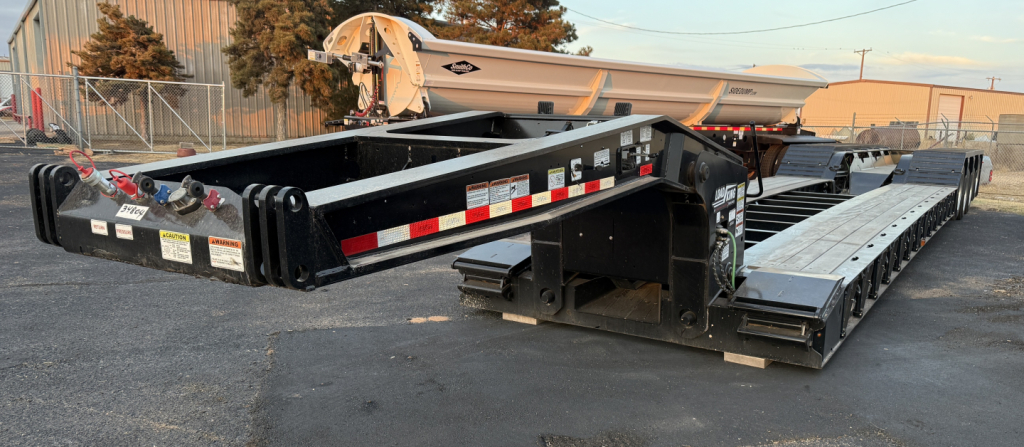

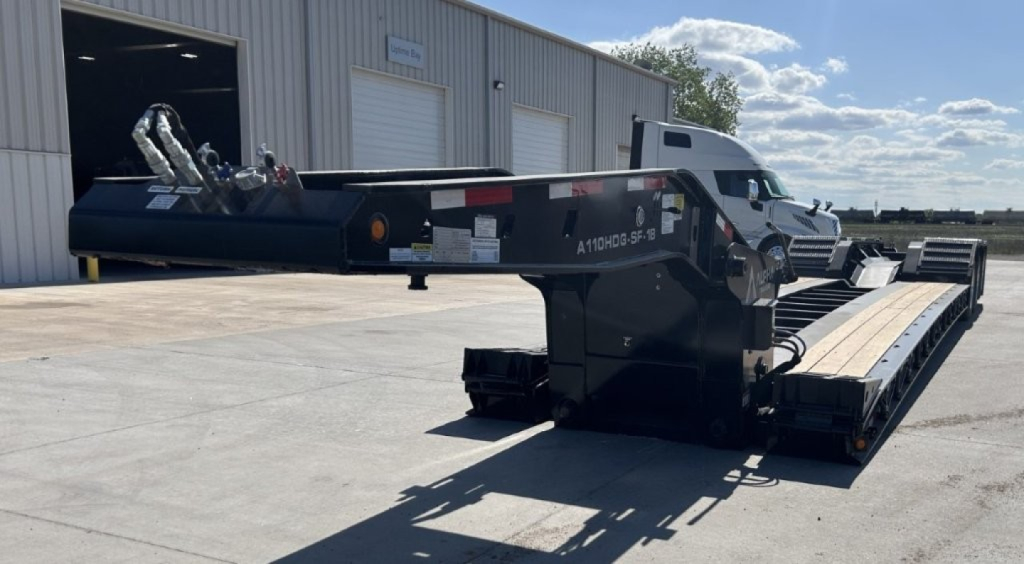
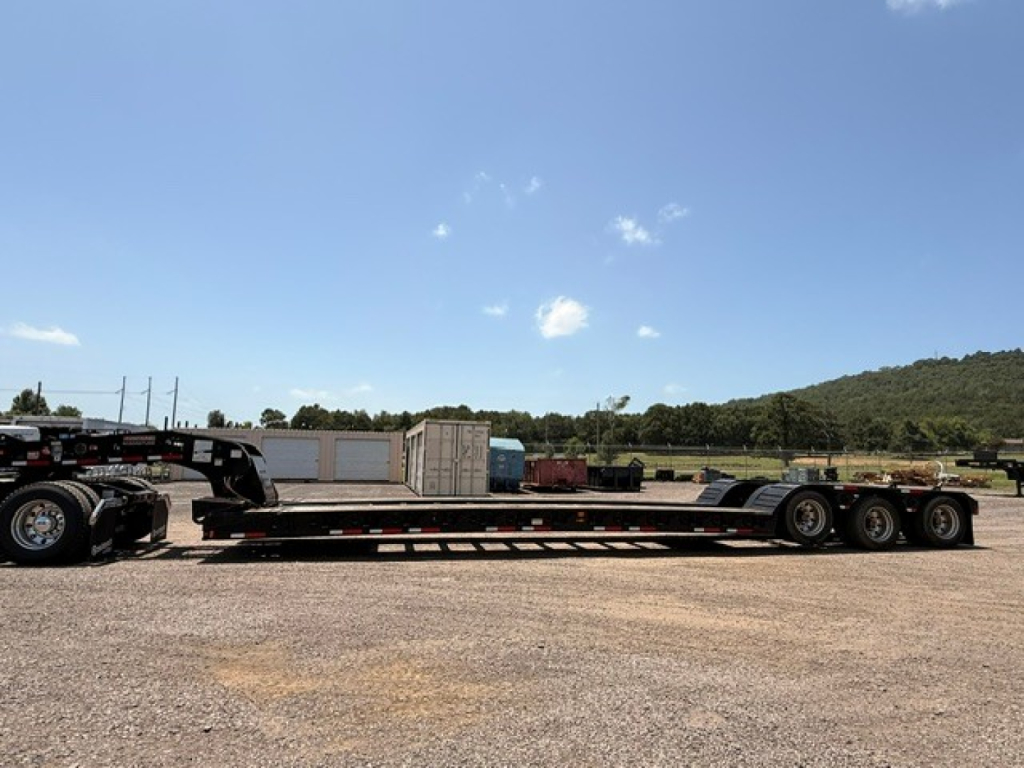
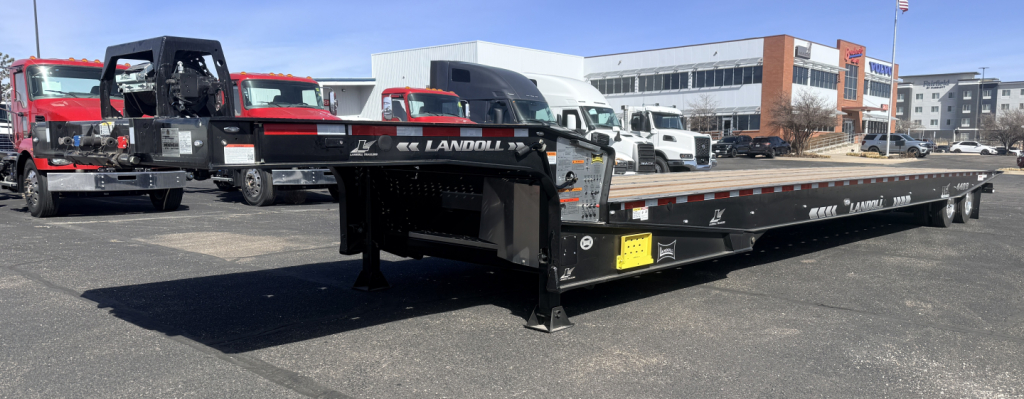
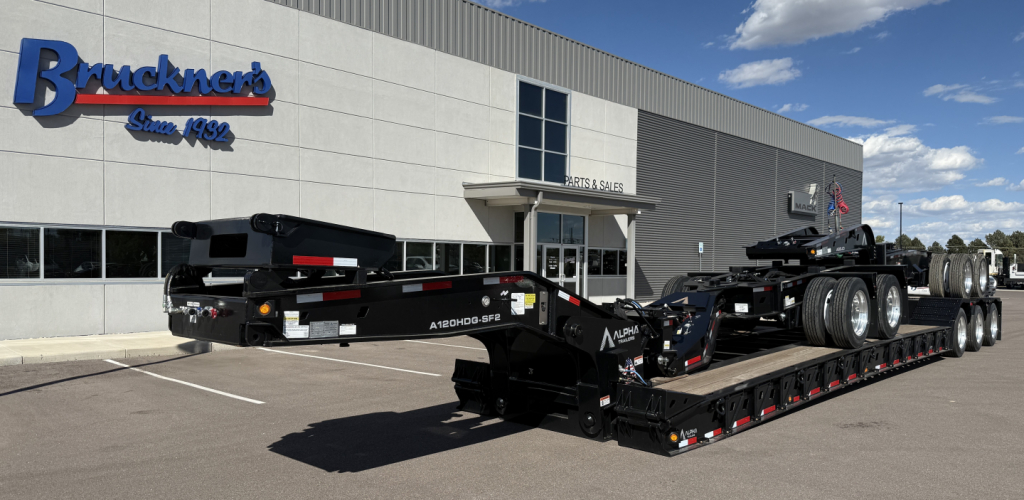
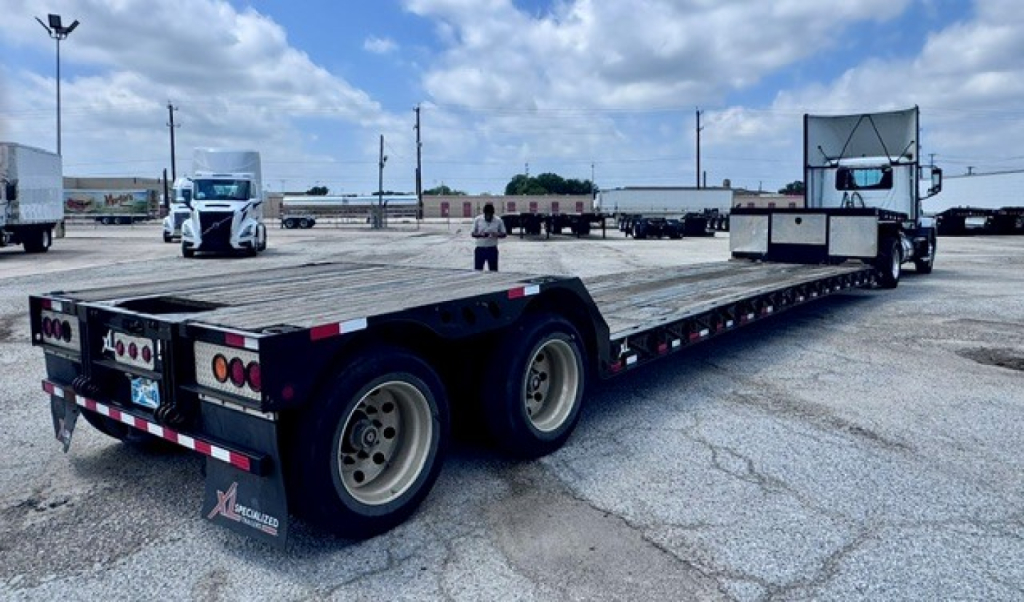
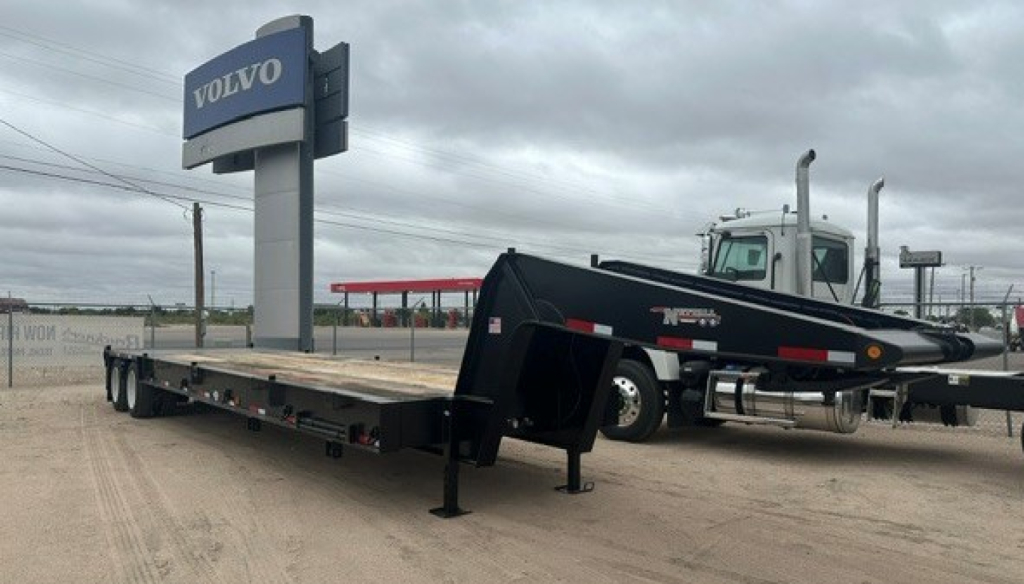
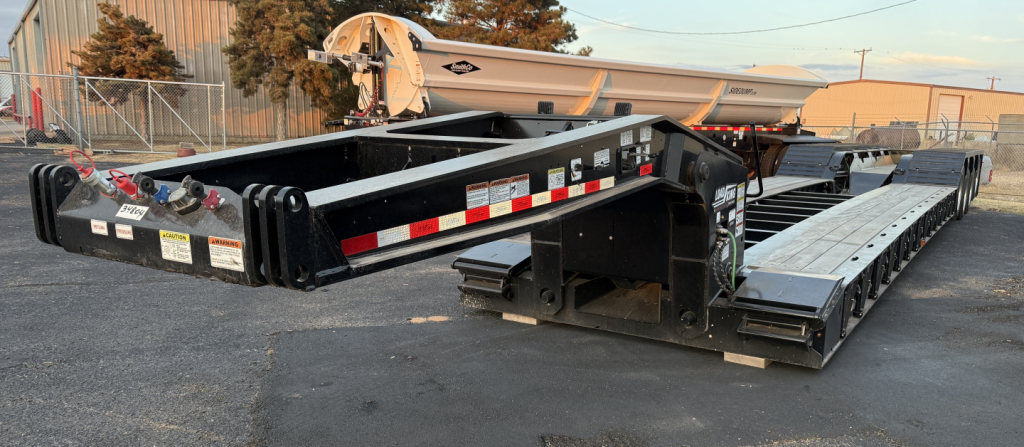
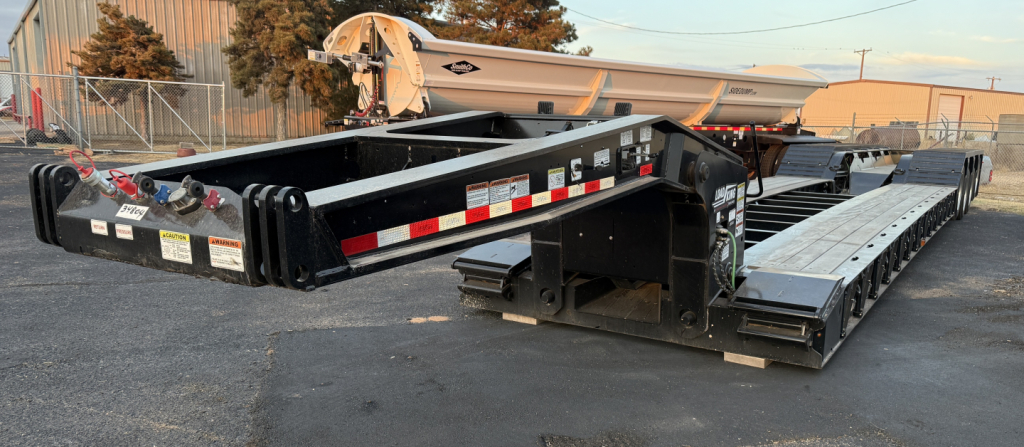
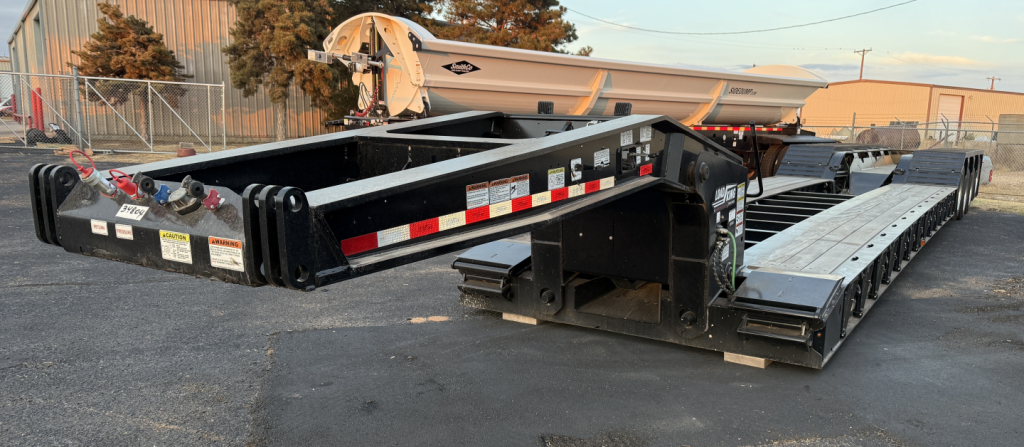
Showing 1 to 12 of 159 results
Have lowboy trailer to sell? List it here to reach thousands of buyers.
About Lowboy Trailers in Alabama
The first decision is usually deck style and capacity. A flat low deck gives you a clear main deck for tracked or wheeled equipment, while a roller paver or beam-style lowboy can provide a boom well or tapered deck design that helps with specific machine profiles and loading angles. Common ratings in this category include 35 ton, 40 ton, 50 ton, and 55 ton configurations, with concentrated capacities often measured over 12 feet or 16 feet of deck. Pay attention to loaded deck height, ground clearance, axle spacing, and swing clearance. A trailer with an 18-inch to 22-inch loaded deck height and around 6 inches of ground clearance can be a strong fit when height is the limiting factor, but it also needs enough structural strength and approach geometry for rough jobsite access.
Gooseneck and axle configuration matter just as much as raw tonnage. Many buyers look for hydraulic detachable gooseneck designs because they speed up loading and unloading and reduce the need for separate ramps. Tandem and tri-axle lowboys are common, and some are built to accept a flip axle, jeep, or rear booster depending on the load and permit strategy. Air ride suspension, adjustable ride height, and lift axles can improve versatility across different machines and road conditions. Other useful details include kingpin setting, non-ground-bearing versus ground-bearing neck design, Apitong or wood flooring, swing-out outriggers, D-rings, traction cleats, covered wheel areas, and rear bogie configurations matched to the weight distribution of your typical load.
A serious lowboy buyer should compare trailer weight against usable payload, then match deck length and well length to the equipment fleet being moved most often. Main deck lengths, closed and open overall lengths on extendable models, and rear deck design can all change how easily a machine fits without wasting space or creating axle problems. Look closely at crossmember spacing, side rail construction, tire size, suspension brand, and whether the trailer is designed around specific rear axle combinations. The right lowboy is not just about maximum capacity on paper. It is about carrying your heaviest machine safely, loading it efficiently, and staying compliant with the axle and height requirements that come with real-world heavy haul work in Alabama and across the Southeast.
Frequently Asked Questions
What is the advantage of a lowboy trailer over a standard flatbed for heavy equipment?
A lowboy trailer carries equipment much lower to the ground than a standard flatbed, which helps reduce overall loaded height and makes it easier to haul tall machines legally. That lower deck also improves stability for heavy equipment and can make loading tracked machines easier, especially when paired with a detachable gooseneck or a low load angle design. For excavators, dozers, pavers, and similar equipment, a lowboy is usually the correct trailer class when height and concentrated weight are the main concerns.
How do I choose the right capacity rating on a lowboy trailer?
Start with the heaviest machine you expect to haul, then look beyond the headline ton rating. Lowboy capacities are often stated over a specific deck length such as 12 feet or 16 feet, so concentrated load rating matters more than gross rating alone. You also need to account for the trailer tare weight, axle configuration, attachment weight, and any permit-related axle requirements. A buyer moving one consistently heavy machine may prioritize concentrated capacity and axle group compatibility, while a mixed fleet operator may want more flexibility with outriggers, adjustable ride height, and flip axle capability.
What features are most important on a detachable gooseneck lowboy?
The most important features usually include neck type, loading method, ride height positions, and compatibility with your tractor and typical machines. Hydraulic detachable goosenecks are popular because they reduce loading time and improve convenience in the field. Buyers should also check kingpin setting, fifth wheel height range, ground-bearing versus non-ground-bearing design, traction cleats, front ramp configuration, and whether the neck geometry works well with low-clearance equipment. These details affect both safety and day-to-day efficiency.
Are tri-axle lowboys better than tandem axle lowboys?
Not automatically. A tandem axle lowboy may be enough for lighter equipment and can be simpler to maintain, lighter in tare weight, and easier to maneuver. A tri-axle lowboy is often preferred when carrying heavier machines because it can support higher ratings and may fit permit and axle distribution requirements better. The right choice depends on the actual weight, load concentration, road rules, and whether the trailer is designed to add a flip axle or other axle group options when needed.
What deck and flooring details should I pay attention to on a lowboy trailer?
Deck height, main deck length, well length, crossmember spacing, and floor material all matter. Apitong and wood floors remain common because they handle equipment loading well and are serviceable over time. A lower deck height helps with legal transport height, but ground clearance still has to be adequate for rough entrances, railroad crossings, and uneven jobsites. Buyers should also evaluate boom wells, outriggers, D-rings, side rail construction, and covered wheel areas based on the shape and tie-down needs of the equipment they move.