
Trailers For Sale Near Lilburn, Georgia
Have trailer to sell? List it here to reach thousands of buyers.
Trailers Near Lilburn, Georgia
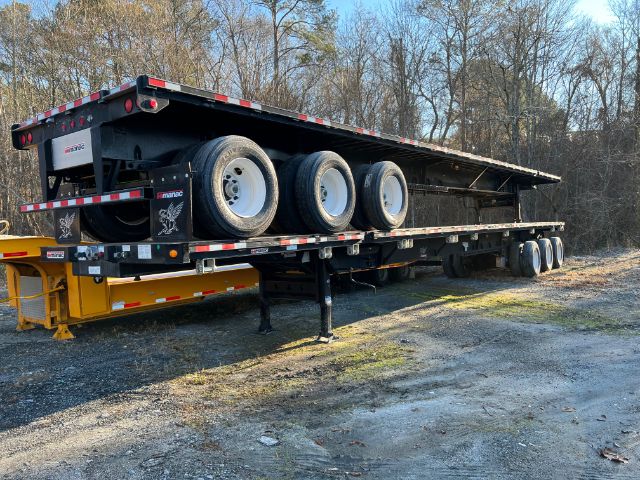
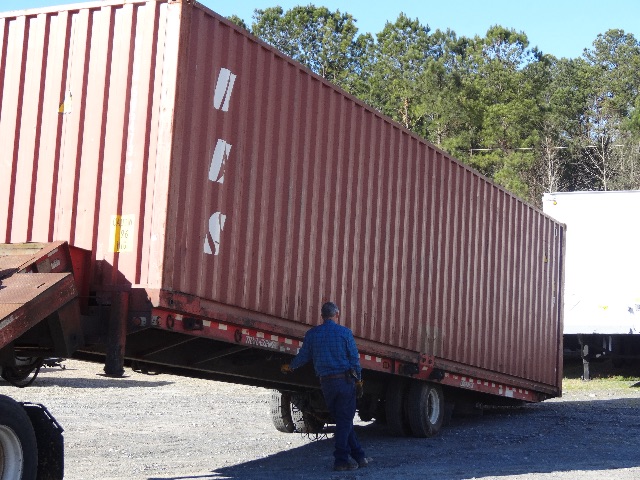
For freight-hauling applications, the biggest dividing line is enclosed versus open deck. Dry vans protect palletized freight and are often spec'd with logistics posts, plywood or composite lining, swing or roll-up doors, and air-ride suspension. Refrigerated trailers add insulation, a reefer unit, and fuel system, making hours, unit condition, and floor integrity key buying points. Flatbeds, step decks, and removable goosenecks are built for freight that cannot be easily loaded through a dock, so deck height, kingpin setting, winch track, crossmember spacing, aluminum versus steel construction, and the presence of toolboxes or tire inflation systems all deserve a close look. For heavy equipment transport, lowboy and detach designs are often selected for machine height restrictions and easier loading angles.
For construction, agriculture, and municipal work, dump trailers and equipment trailers are often judged by hoist design, body material, gate style, floor thickness, and how well the trailer matches the towing vehicle or tractor. Buyers in Georgia also pay attention to corrosion, prior pavement and off-road use, and axle alignment because regional heat, mixed road conditions, and heavy stop-and-go hauling can expose neglected components quickly. On any used trailer, the condition of the frame, landing gear, suspension bushings, air system, brake drums or discs, lights, wiring, and tire wear pattern can tell you as much as the listing description. VIN history, title status, and service records are worth checking before focusing on cosmetic details.
A good trailer spec balances legal capacity, loading efficiency, and long-term operating cost. Length and width need to match the freight or equipment you actually haul, and the wrong axle spread or deck height can create daily headaches at scales, docks, and jobsites. Buyers comparing trailers for sale in Lilburn should also think about parts support, common tire and brake sizes, and how easily the trailer can be serviced locally. The right trailer is not just one that can carry the load once. It is one that can do it repeatedly, stay compliant, and keep maintenance predictable over the life of the equipment.
Frequently Asked Questions about Trailers Near Lilburn, Georgia
What types of trailers are most commonly used for commercial hauling?
The most common commercial trailer types include dry vans for enclosed general freight, refrigerated trailers for temperature-sensitive cargo, flatbeds for open-deck loads, step decks for taller freight, lowboys for heavy equipment, dump trailers for aggregate and debris, and utility or equipment trailers for lighter machinery and local hauling. The right choice depends on cargo dimensions, loading method, route restrictions, and required payload capacity.
What should I inspect first on a used trailer?
Start with the frame, suspension, axles, brakes, tires, and floor or deck structure. Uneven tire wear can point to alignment or suspension problems, while cracked welds, rust scale, bent crossmembers, leaking wheel seals, and worn bushings can signal expensive repairs. On enclosed trailers, inspect the roof, sidewalls, rear door frame, and floor integrity. On refrigerated trailers, reefer unit hours, service history, and insulation condition are major value factors.
How do I choose between tandem axle, spread axle, and tri-axle trailers?
Tandem axle trailers are the standard choice for many general freight applications because they balance maneuverability, weight capacity, and maintenance cost. Spread axle trailers can improve weight distribution and may help with certain load placements, but they can scrub tires more aggressively in tight turns. Tri-axle trailers are often selected for heavier payloads or specialized applications, but they add complexity, tare weight, and maintenance. The best setup depends on your commodity, legal weight targets, and operating environment.
What trailer specifications matter most for flatbed and equipment hauling?
For flatbed and equipment hauling, buyers usually focus on deck length, loaded deck height, main beam rating, crossmember spacing, axle capacity, ramp or detach design, kingpin setting, and tie-down options such as D-rings, chain slots, and winch tracks. Tire size, suspension type, and frame construction also affect durability and serviceability. If the freight includes tall machines or concentrated point loads, deck height and distributed versus concentrated load ratings become especially important.
Why does local serviceability matter when buying a trailer?
A trailer that uses common brake components, wheel ends, tires, lights, and suspension parts is easier to keep on the road. Local serviceability matters because downtime often comes from waiting on parts or finding a shop familiar with a specialized setup. Buyers in and around Lilburn often prioritize specs that local shops can diagnose and repair quickly, especially for trailers in daily freight, construction, or equipment service.