
Trailers For Sale Near Lexington, Kentucky
Have trailer to sell? List it here to reach thousands of buyers.
Trailers Near Lexington, Kentucky
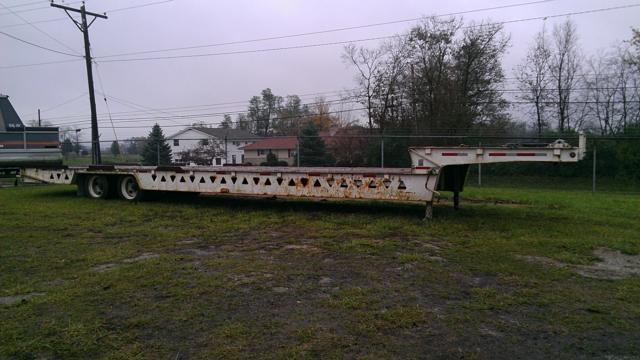
For open-deck and equipment applications, details like deck height, loaded ramp angle, concentrated load rating, and floor construction matter more than buyers sometimes expect. A lowboy trailer, for example, is built for taller and heavier machines that need lower deck height to stay legal on overall loaded height. Flatbeds and step decks are more flexible for general freight, but they require close attention to deck length, crossmember spacing, winch track setup, and the condition of the floor and rub rail. On enclosed trailers such as dry vans and refrigerated trailers, buyers should focus on interior dimensions, door type, roof condition, wall repairs, scuff liners, logistics track, and the condition of the reefer unit if equipped.
Running gear and structural condition are critical across all trailer types. Check suspension design such as air ride or spring ride, axle spacing, wheel end service history, brake wear, ABS function, and signs of frame repairs or corrosion around crossmembers, outriggers, and kingpin areas. Tire condition and matching tire size affect operating cost immediately. Trailer buyers should also verify kingpin setting, swing clearance, landing gear condition, lighting and wiring integrity, and any state or federal compliance items that apply to the intended use. In Kentucky and surrounding states, a trailer that spends time on mixed road surfaces or job sites benefits from stronger floor materials, well-maintained suspension components, and a frame that has not been stressed by chronic overloading.
The best trailer is the one that fits the freight, route, and tractor without creating daily operating compromises. A shorter tandem axle trailer may be easier to maneuver in tighter yards, while longer configurations improve cube or deck space for linehaul and larger loads. Steel construction offers durability and repairability, while aluminum can reduce tare weight for payload-sensitive operations. Buyers comparing trailers for sale should look past the basic year, make, and model and evaluate specification fit, maintenance history, structural integrity, and how quickly the trailer can be put to work with minimal additional expense.
Frequently Asked Questions about Trailers Near Lexington, Kentucky
What should I look at first when buying a used trailer?
Start with structural condition and specification fit. Inspect the main frame, crossmembers, kingpin area, suspension mounts, floor, brakes, tires, and wheel ends before focusing on cosmetic appearance. A trailer can look decent and still need expensive work if there is hidden rust, cracked welds, uneven tire wear, or poor alignment. Make sure the trailer’s length, width, axle setup, and capacity match the freight or equipment you plan to haul.
What is the difference between a lowboy, flatbed, and step deck trailer?
A lowboy is designed for taller and heavier equipment because the deck sits much lower than a standard flatbed. A flatbed has a full-height straight deck and is commonly used for general freight, building materials, and machinery that can legally ride at standard deck height. A step deck, also called a drop deck, has an upper deck and a lower main deck, giving extra height clearance for loads that are too tall for a flatbed but do not require a lowboy.
Is air ride suspension worth it on a trailer?
Air ride suspension is often worth the added complexity for freight that benefits from a smoother ride, including machinery, palletized products, and more delicate cargo. It can also help with load stability and trailer control on uneven pavement. Spring ride remains common for some severe-duty applications because of its simplicity and lower initial cost, but air ride is widely preferred for highway use and premium freight.
How do I know if a trailer is matched correctly to my tractor?
Check fifth wheel height, kingpin setting, trailer nose clearance, brake and electrical connections, and the loaded and unloaded trailer stance behind your tractor. A mismatch can create clearance problems between the trailer and the tractor frame or cab, especially in turns or uneven terrain. You also want to confirm that the axle spread, gross weight rating, and overall dimensions fit your routes and permit needs.
Which trailer material is better, steel or aluminum?
Steel trailers are generally favored for toughness, repairability, and demanding vocational use, especially where job site abuse is common. Aluminum trailers reduce tare weight and can improve legal payload, which matters in freight operations where every pound counts. The better choice depends on cargo type, operating environment, expected repair practices, and whether durability or weight savings has more value in your business.