
Trailers For Sale Near Lewisburg, Tennessee
Have trailer to sell? List it here to reach thousands of buyers.
Trailers Near Lewisburg, Tennessee
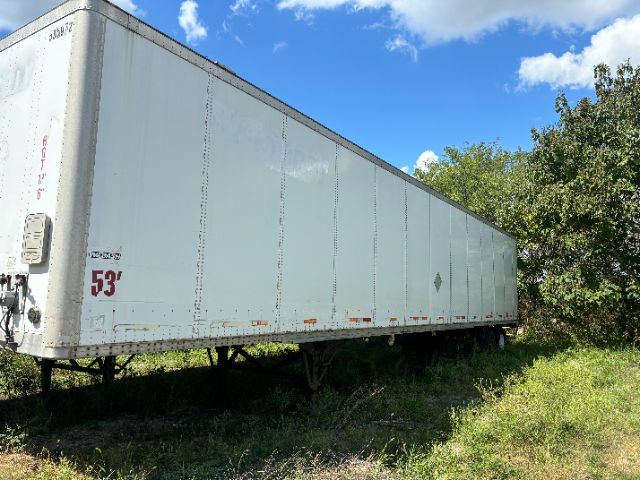
Dry vans, also known as enclosed van trailers or box trailers, are a frequent reference point in this category because they handle a wide range of palletized and non-perishable freight. Common specs include 102-inch width, tandem axles, sliding tandems, swing or roll-up doors, aluminum or wood floors, and either spring ride or air ride suspension. Buyers should pay close attention to sidewall construction such as plate or Duraplate panels, roof condition, crossmember spacing, rear frame integrity, threshold plate wear, and door seals. Tire size, recap history, brake condition, drum wear, and suspension component condition all affect the true operating cost after purchase. A trailer that looks sound from the outside can still need floor work, bogie repairs, lighting updates, or ABS service before it is ready for regular highway use.
If the trailer will spend time at docks, in drop-and-hook service, or in a fleet rotation, features like sliding tandems, landing gear condition, kingpin wear, ICC bumper integrity, and overall straightness matter more than cosmetic appearance. For storage applications, water tight doors, roof condition, and floor strength usually matter most. For linehaul work, buyers typically place higher value on structural soundness, suspension type, brake life, and legal compliance. Tennessee operators should also consider corrosion from prior regional service, title status, and how easily replacement parts can be sourced for older Wabash, Great Dane, Utility, Hyundai, Stoughton, and other mainstream trailer makes.
Across the broader trailer category, the best purchase is usually the one that fits the freight and reduces rework after delivery. Flatbeds need close inspection of deck condition, winches, and rub rails. Refrigerated trailers add another layer with reefer hours, insulation performance, and unit service history. Dump and heavy haul trailers demand extra attention to frame stress, cylinder condition, and suspension wear. No matter the type, buyers should verify VIN and title information, inspect for prior structural repair, and confirm axle, brake, and tire specifications before committing. A well-matched trailer can serve as a revenue unit for years, while a poorly matched one quickly turns into downtime, compliance expense, and limited resale appeal.
Frequently Asked Questions about Trailers Near Lewisburg, Tennessee
What should I inspect first when buying a used trailer?
Start with the frame, crossmembers, suspension, axles, brakes, tires, floor, roof, and rear door area. On van trailers, water intrusion, floor damage, door seal issues, and rear frame wear are common problem points. On any trailer, kingpin wear, landing gear condition, and signs of prior structural repair should be checked early because those items affect safety, compliance, and repair cost.
What is the most common trailer size for general freight?
A 53-foot tandem axle trailer is the most common size for general freight in the U.S., especially in dry van service. Many are built at 102 inches wide and use sliding tandems to help with bridge law compliance and dock positioning. That size works well for palletized freight, regional distribution, and over-the-road hauling, but shorter lengths may still be preferred for certain local, municipal, or specialized applications.
Is a dry van trailer a good choice for storage or over-the-road use?
Yes. A dry van trailer is often used for both secure storage and highway freight service. For storage, roof integrity, floor condition, and water tight doors are usually the biggest concerns. For over-the-road use, buyers should also evaluate brakes, suspension, tires, lights, ABS function, and overall structural condition to determine what work may be needed before the trailer is road ready.
What is the difference between spring ride and air ride trailer suspension?
Spring ride suspension is simpler and often less expensive to maintain, making it common on older van and vocational trailers. Air ride suspension generally provides better ride quality and can reduce cargo shock on sensitive freight. The right choice depends on cargo type, lane conditions, maintenance practices, and how much value the operation places on ride protection versus lower system complexity.
Why does sliding tandem position matter on a trailer?
Sliding tandems allow the axle group to move forward or rearward to help manage weight distribution, comply with bridge laws, and improve maneuverability at docks. Trailer buyers should confirm that the slider mechanism works properly, the pins engage correctly, and the rails show no excessive damage or distortion. A damaged or seized slider can limit legal loading options and create unnecessary repair expense.