
Trailers For Sale Near Lakewood, New Jersey
Have trailer to sell? List it here to reach thousands of buyers.
Trailers Near Lakewood, New Jersey
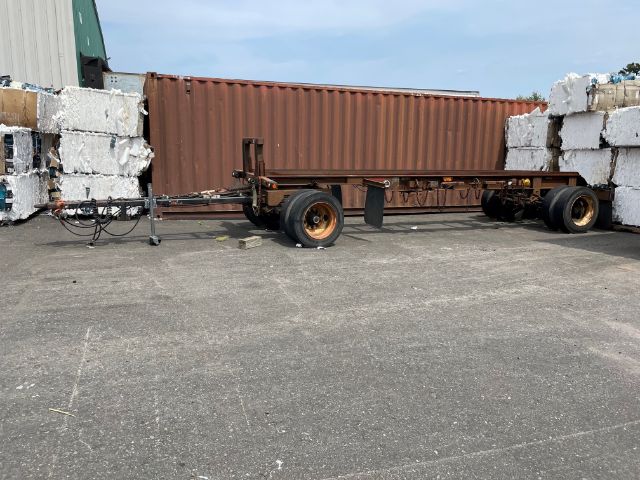
For vocational use, details like hoist compatibility, pintle or fifth-wheel connection, deck height, side rail construction, and body length matter more than brand decals. Roll-off and pup trailers, for example, are built to move containers, dumpsters, and debris boxes efficiently, and buyers usually focus on overall length, tongue length, axle ratings, lighting, and structural condition around the main stress points. Flatbeds and drop decks shift the focus to deck material, crossmember spacing, winch track, tie-down options, and kingpin setting. Van and reefer buyers tend to look harder at floor condition, door frame integrity, scuff liners, logistics posts, tire inflation systems, and suspension wear because those details affect uptime and loading efficiency.
A serious trailer evaluation should always include brakes, tires, wheel ends, air system condition, frame integrity, lighting, and any signs of prior repairs around suspension hangers, landing gear mounts, or the rear impact guard. In New Jersey and the broader Northeast, corrosion can be a major factor, especially on older units exposed to road salt, port work, or heavy municipal service. Buyers should also confirm width, overall length, GVWR or axle ratings, registration requirements, and how the trailer fits the tractor or truck it will work behind. The best value is not always the lowest purchase price. It is the trailer that can stay productive without constant brake work, tire wear issues, or structural downtime.
If the job involves frequent urban turns, tight transfer stations, or short regional runs, trailer maneuverability and empty weight can be just as important as maximum capacity. Longer trailers may improve volume or container flexibility, but they also change turning radius, bridge compliance, and site access. Buyers comparing used trailers should pay close attention to maintenance history, title status, lighting upgrades such as LED systems, and any evidence of cracking, patching, or hard use. A trailer is a revenue-producing asset, and the right spec comes down to freight type, route profile, docking environment, and how much abuse the chassis is expected to take over time.
Frequently Asked Questions about Trailers Near Lakewood, New Jersey
What should I look for first when buying a used trailer?
Start with the trailer’s structural condition and running gear. Inspect the main frame, crossmembers, suspension hangers, landing gear mounts, brake components, wheel ends, tires, and all lighting circuits. Cosmetic wear is common on working trailers, but cracks, corrosion, uneven tire wear, bent members, or poor prior repairs can turn a low purchase price into a high operating cost.
Which trailer type is best for my operation?
The correct trailer depends on cargo, loading method, route profile, and legal weight targets. Dry vans are built for enclosed freight, reefers for temperature-controlled loads, flatbeds for open-deck freight, dump and roll-off trailers for bulk or waste applications, and lowboys or equipment trailers for machinery. Buyers should choose the trailer around the freight first, then narrow the decision by length, axle count, suspension, and connection type.
How important is trailer length and axle configuration?
Trailer length and axle layout directly affect payload distribution, maneuverability, bridge compliance, and site access. A shorter trailer can be easier to back into tight yards or urban locations, while a longer unit may provide more cubic capacity or specialized hauling flexibility. Axle spacing, tandem versus spread axle design, and overall wheelbase all influence tire wear, turning behavior, and legal operation by state.
Are corrosion and rust major concerns on trailers in the Northeast?
Yes. In New Jersey and throughout the Northeast, road salt, coastal exposure, and heavy seasonal use can accelerate corrosion on frames, suspension components, brake hardware, wiring connections, and rear structures. Surface rust is common, but deep scaling, perforation, weakened crossmembers, and rust around critical mounting points deserve close attention during inspection.
What specs matter most on a vocational trailer such as a roll-off or pup trailer?
For a vocational trailer, buyers usually focus on body or rail length, tongue length, width, axle ratings, brake type, lighting, hitch setup, and overall compatibility with the truck that will pull it. On a roll-off or pup trailer, stress areas around the frame, hoist interface, container contact points, and rear loading zones should be checked carefully. These trailers work in demanding conditions, so durability and correct spec matter more than appearance.