
Trailers For Sale Near Lake Placid, Florida
Have trailer to sell? List it here to reach thousands of buyers.
Trailers Near Lake Placid, Florida
Dry vans remain one of the most common trailer types because they protect freight from weather and theft and handle general palletized cargo well. Common specs include 48-foot and 53-foot lengths, 102-inch width, wood floors, aluminum roofs, and either swing doors or roll-up rear doors. Buyers should pay close attention to GVWR, inside height, door style, floor condition, brake life, and tire condition. For dock freight, body integrity and door seal condition matter as much as the running gear. On older vans, look closely at roof repairs, crossmember condition, scuff liner wear, and signs of prior forklift damage.
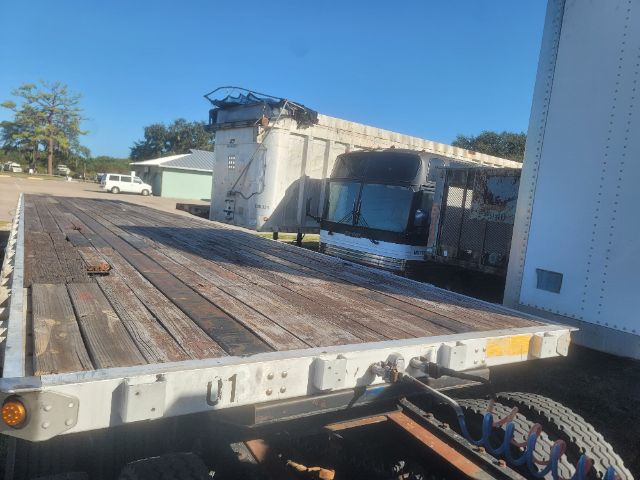
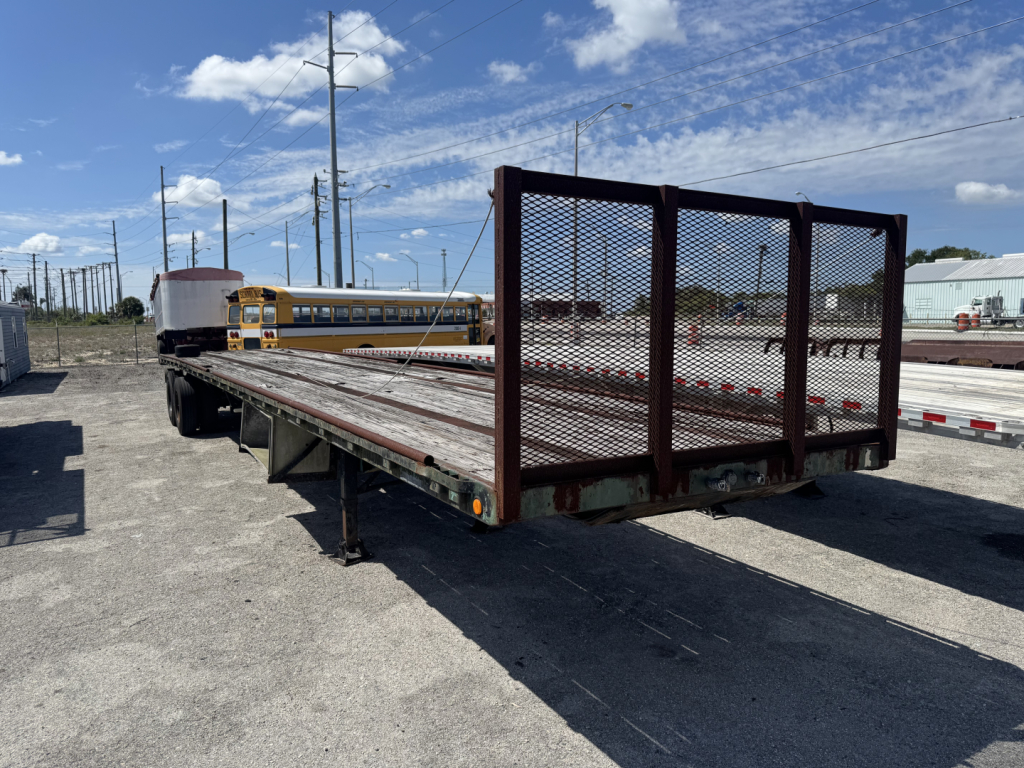
Flatbed trailers are built for machinery, building materials, steel, and freight that must be loaded from the side or top. A common setup is a 48-foot by 102-inch tandem axle trailer with air ride suspension, combination aluminum and steel construction, wood flooring, and sliding winches or fixed winch packages. Buyers should verify deck condition, frame straightness, legal weight capacity, tire size consistency, and the condition of the suspension and brake system. If the trailer will handle concentrated loads, coil freight, or frequent securement work, details like crossmember spacing, rub rail condition, stake pockets, chain spools, and toolbox space become important.
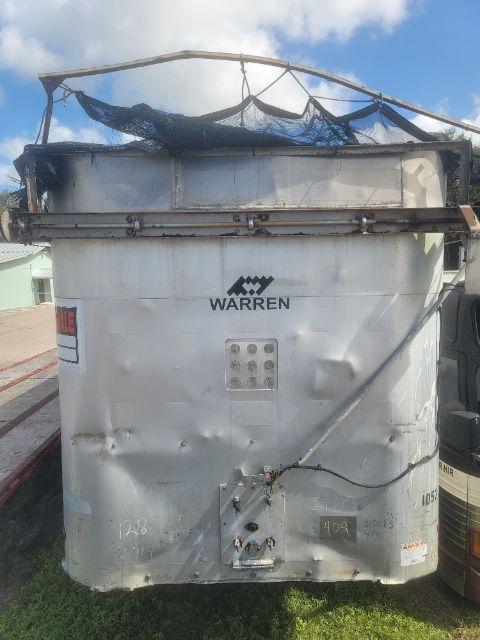
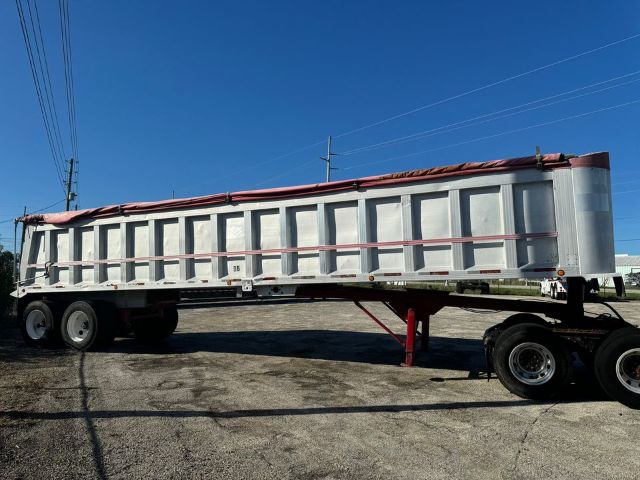
Dump and walking floor trailers fill a different role and should be matched to commodity type and unloading conditions. Frameless end dumps are common for dirt, rock, scrap, and some agricultural products, with buyers focusing on box material, liner condition, gate style, tarp system, hoist geometry, and suspension type. Walking floor trailers, also called live floor trailers, are often chosen when tip-over risk, overhead clearance, or controlled unloading is a concern. They are common in mulch, waste, recyclables, silage, and bulk materials. On either type, inspect floor wear, rear structure, hinge points, fifth wheel plate area, and any evidence of stress cracking around suspension mounts or body supports. Across all trailer categories, axle rating, brake condition, tire remaining life, title status, and maintenance history are the numbers that usually matter most when comparing listings.
Frequently Asked Questions about Trailers Near Lake Placid, Florida
What type of trailer is best for general freight?
A dry van trailer is usually the best fit for general freight because it protects cargo from weather, road debris, and theft while working well with palletized freight and loading docks. Common dry van specs include 48-foot or 53-foot length, 102-inch width, wood flooring, and tandem axles. Buyers should compare inside height, rear door style, floor condition, and GVWR to make sure the trailer matches the freight profile and dock setup.
What should I inspect first on a used trailer?
Start with the structural components and running gear. Check the frame, crossmembers, floor, suspension, axle area, brakes, drums or rotors, tires, wheels, and kingpin area before focusing on cosmetic issues. On enclosed trailers, also inspect the roof, sidewalls, and rear doors for leaks or impact damage. A trailer can look clean and still have expensive structural or brake-related problems, so the understructure and wear components should come first.
How do I choose between a flatbed and a dry van?
Choose a flatbed if the freight needs side loading, top loading, crane access, or oversized securement options. Choose a dry van if the load needs weather protection, sealed transport, or regular dock loading. Flatbeds are common for construction materials, machinery, and steel, while dry vans are more common for packaged freight, retail goods, and general commodities. The decision comes down to loading method, cargo protection, and securement requirements.
When does a walking floor trailer make more sense than a dump trailer?
A walking floor trailer makes more sense when you need to unload in areas with low overhead clearance, uneven ground, or higher tip-over risk. It also works well when the commodity needs controlled discharge rather than a fast gravity dump. Dump trailers are efficient for aggregate and demolition material, but walking floor trailers are often preferred for mulch, waste, recyclables, and agricultural bulk loads where safer unloading conditions are a priority.
What common specs matter most when comparing trailers for sale?
The most important specs usually include trailer length, width, GVWR, axle count, suspension type, floor type, composition, tire size, brake condition, and remaining tire life. After that, the important details depend on trailer type. Dry van buyers often focus on interior height and door style. Flatbed buyers look at deck condition, securement equipment, and frame design. Dump and walking floor buyers focus more on body material, floor wear, tarp system, and rear gate or discharge setup.