
Trailers For Sale Near Kersey, Colorado
Browse trailers for sale in Kersey, Colorado, including dry vans, reefers, and flatbeds with common specs, applications, and buying tips.
Learn moreNo exact matches found for your search
Showing Trailers in Colorado instead.
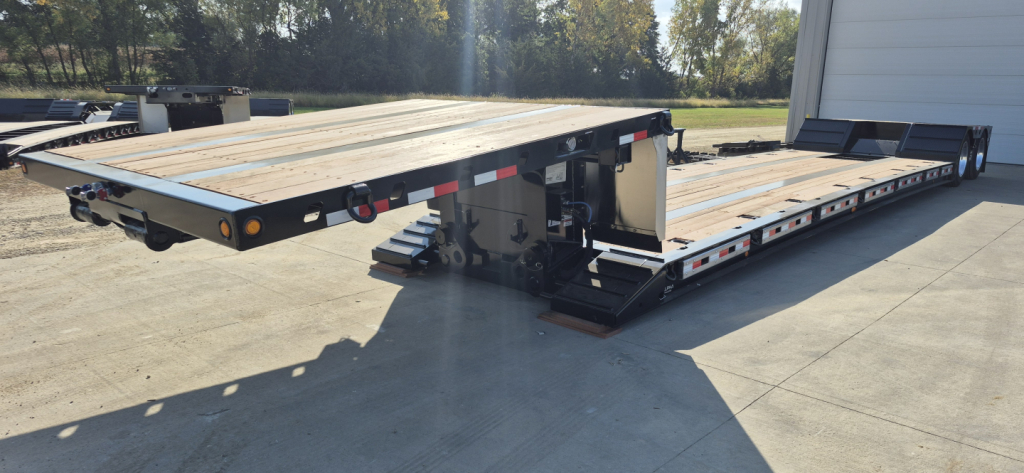
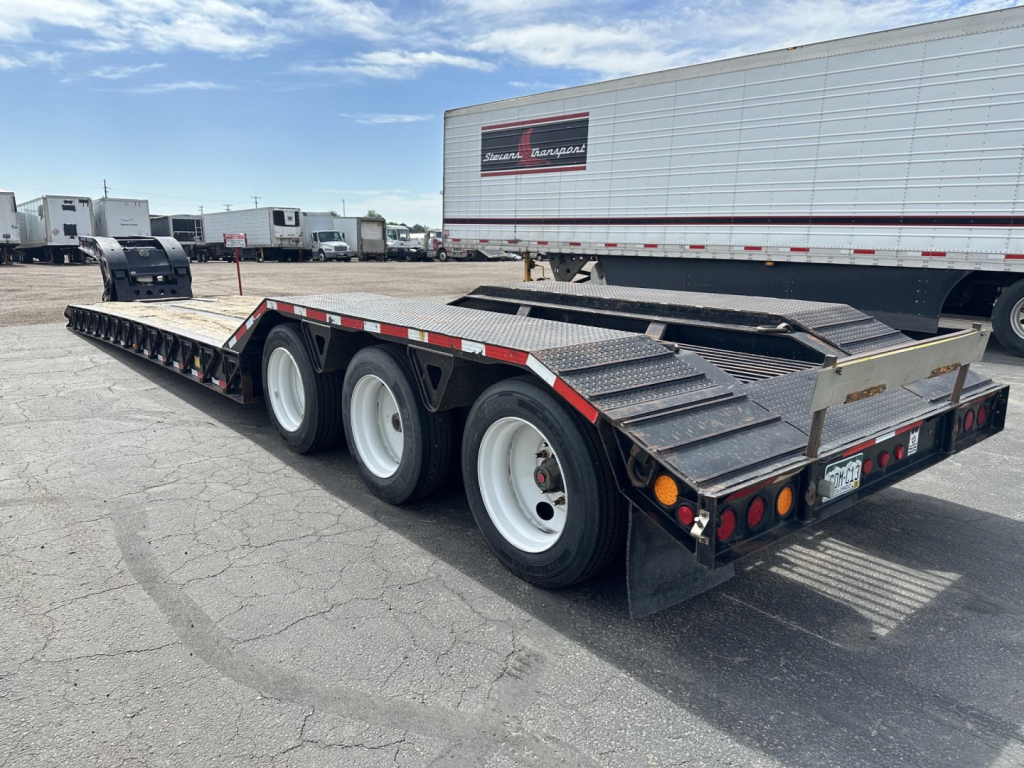
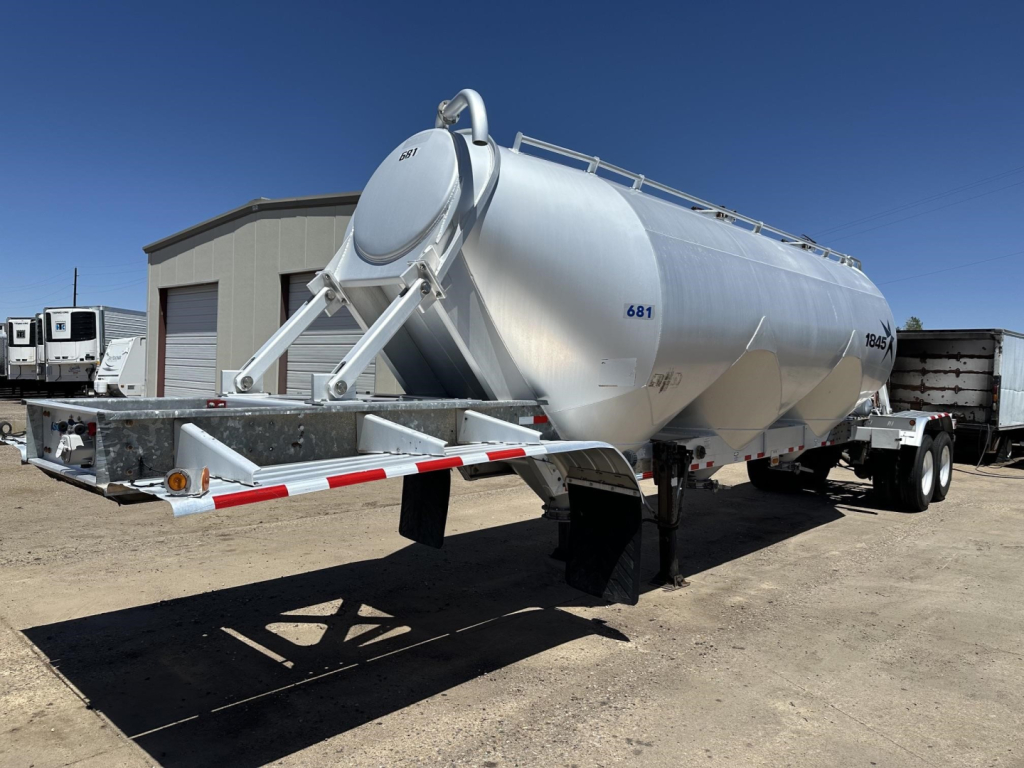
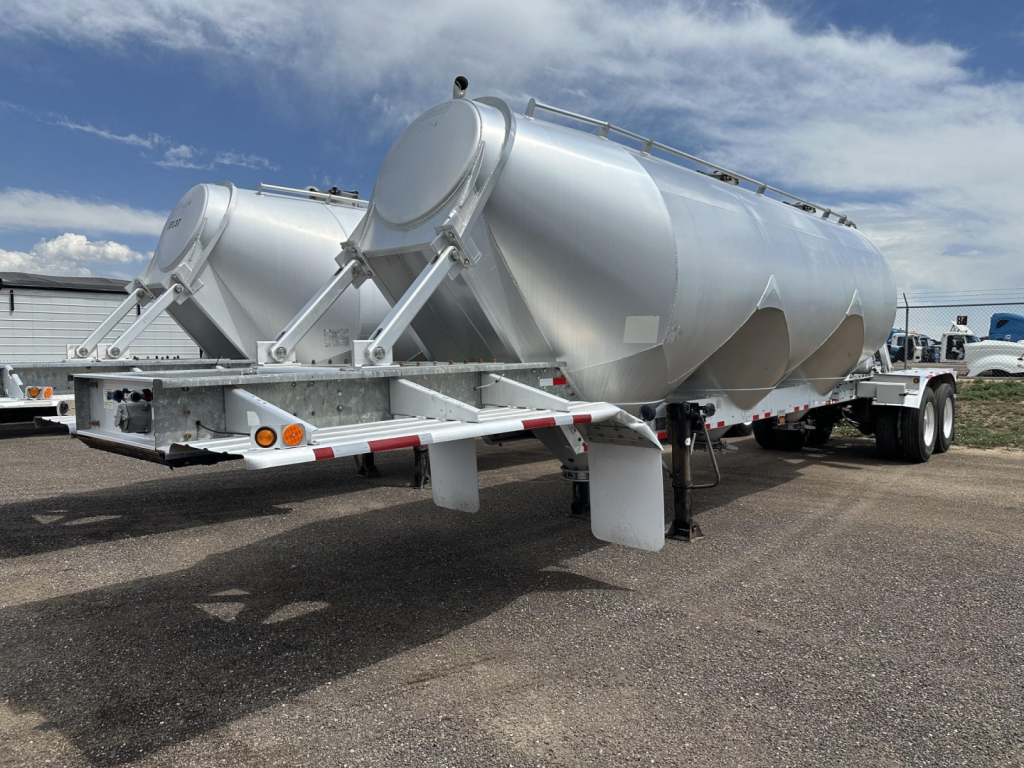
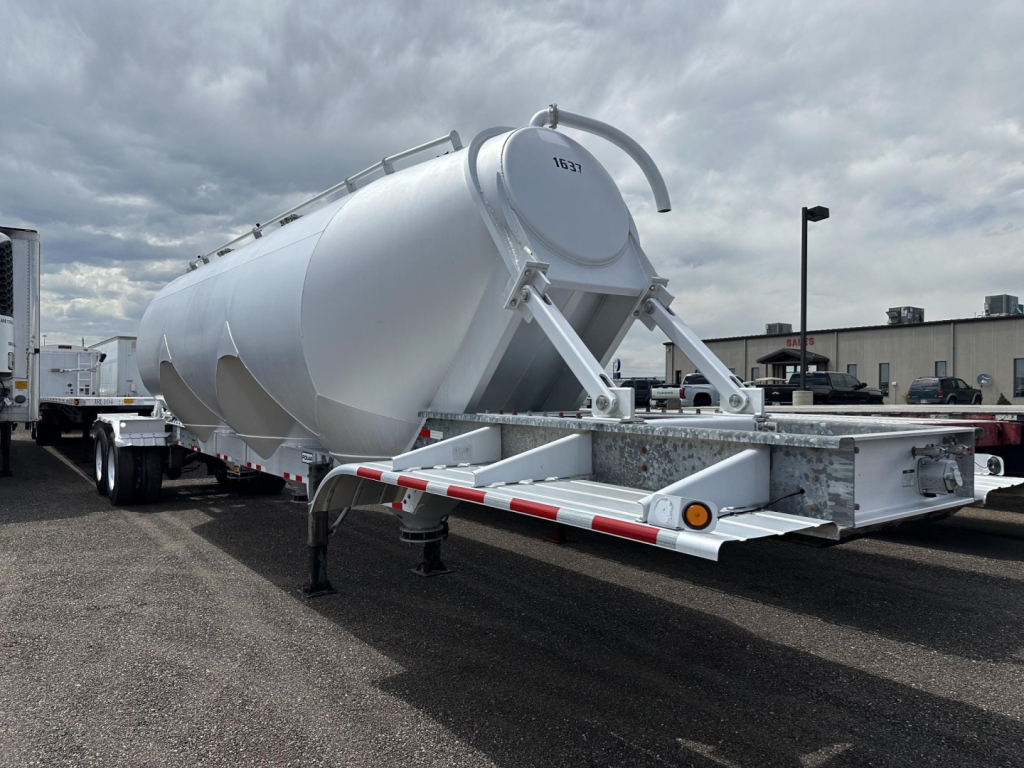
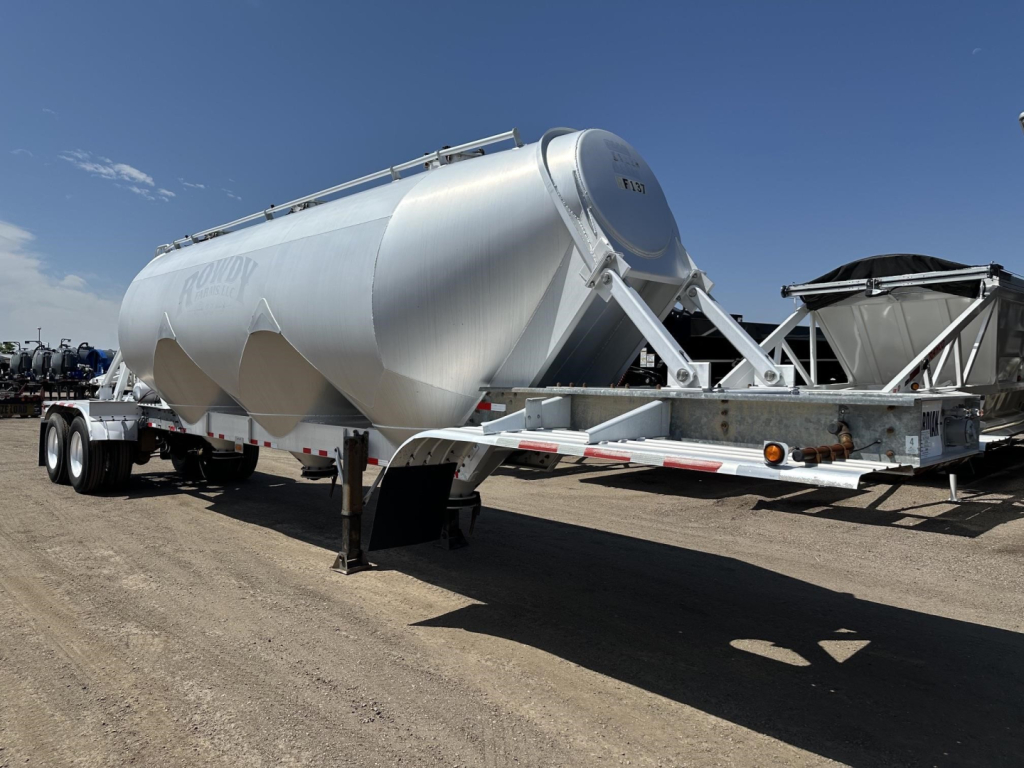
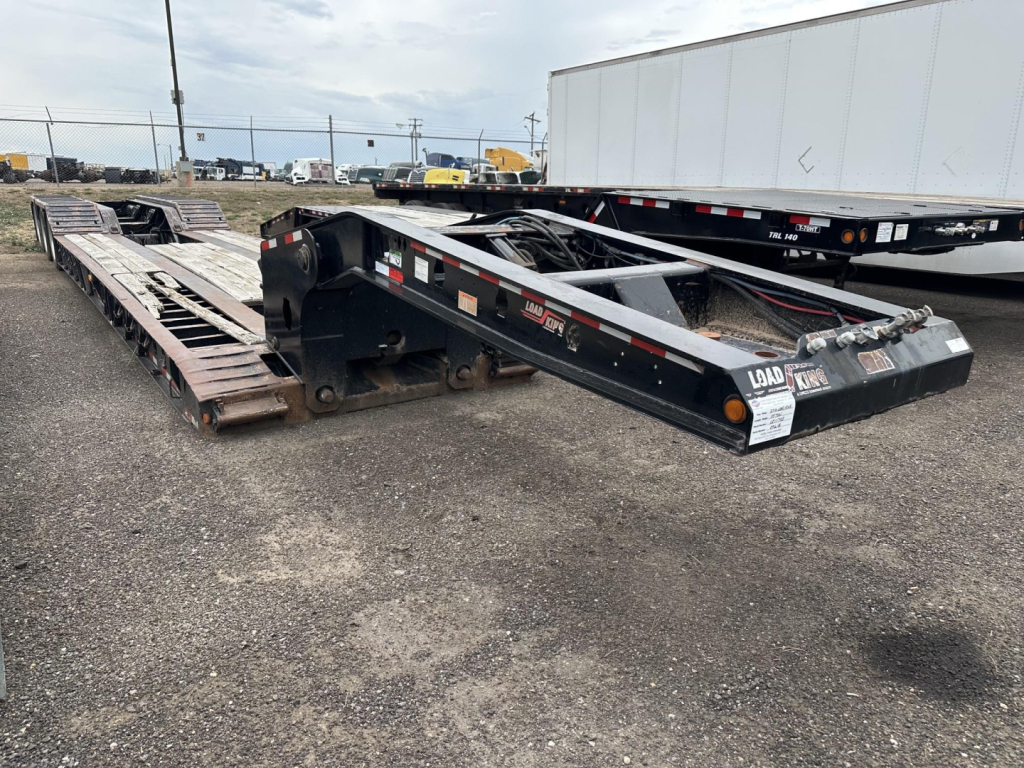
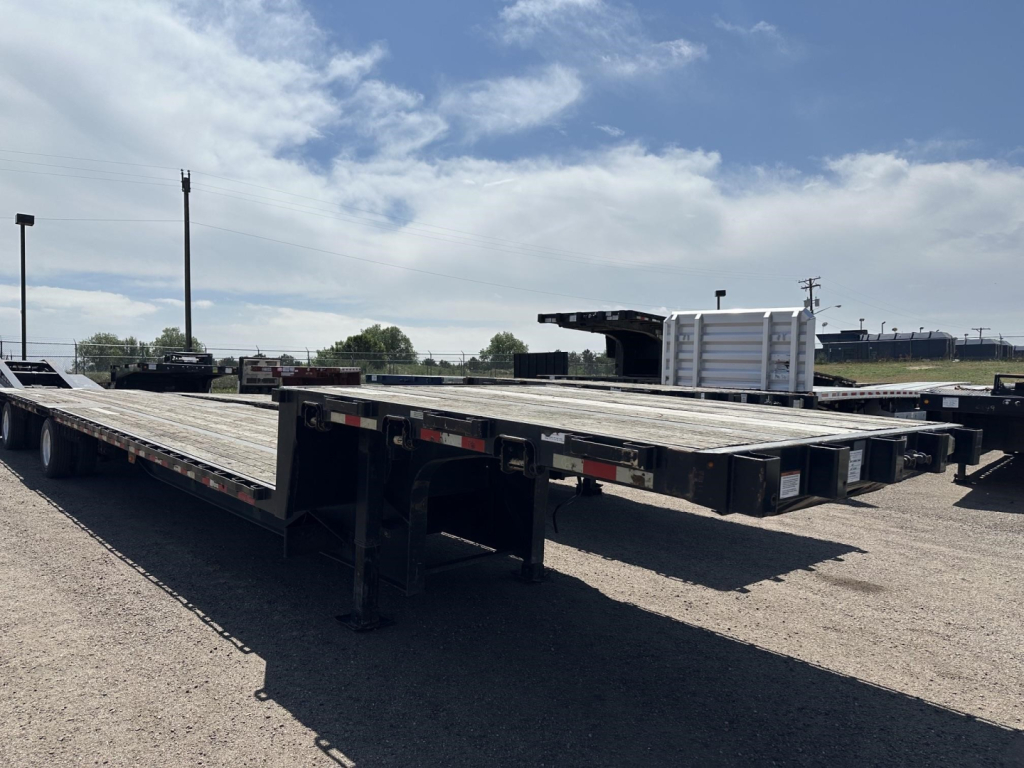
Showing 1 to 12 of 293 results
Have trailer to sell? List it here to reach thousands of buyers.
About Trailers Near Kersey, Colorado
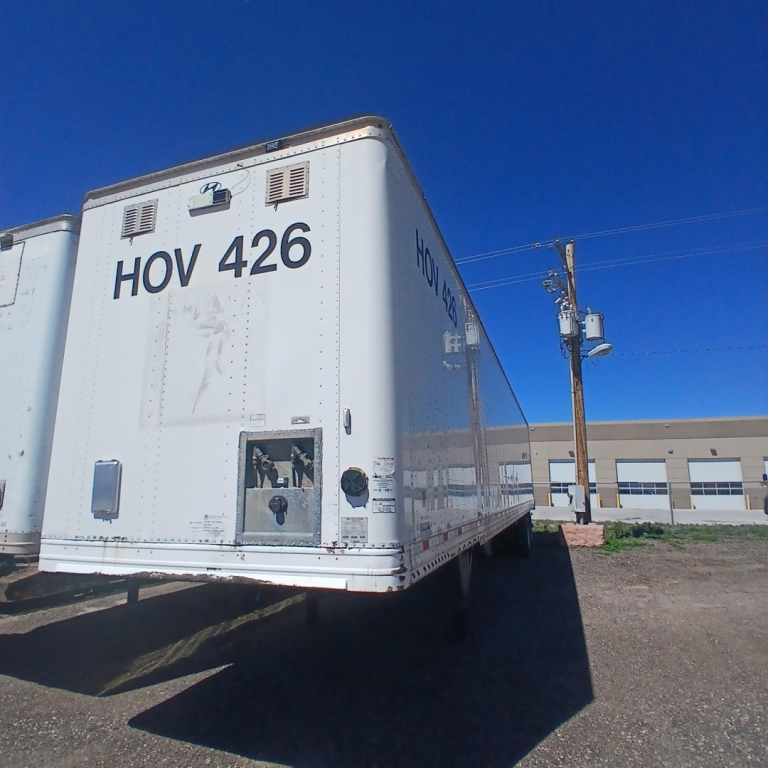
Dry van trailers, also called enclosed van trailers, are built for palletized freight, retail goods, packaged commodities, and general dry cargo that needs weather protection and security. Buyers typically look at interior height, wall lining, floor condition, door style, and suspension type. Features such as plywood lining, scuff liners or scuff plate, threshold plates, E-track, roll-up doors, and wood floors matter because they affect cargo securement, forklift durability, and day-to-day loading efficiency. Air ride suspension is often preferred for more sensitive freight, while spring ride can reduce complexity and acquisition cost on certain operations.
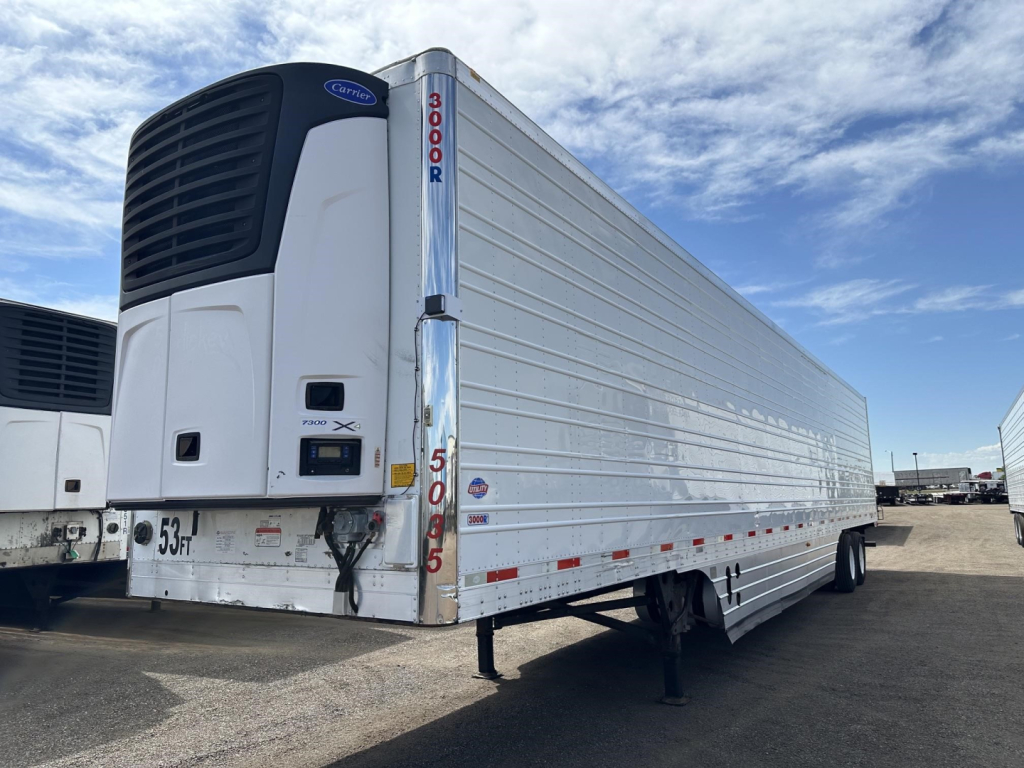
Reefer trailers add another layer of buying criteria because the refrigeration unit and insulated body are as important as the trailer itself. Multi-temp capability, unit hours, floor type, door seals, stainless rear frames, and maintenance history all deserve close attention. Buyers moving produce, frozen food, dairy, pharmaceuticals, or mixed temperature freight need to verify the reefer unit model, cooling performance, and whether the trailer is set up for continuous or start-stop operation. In Colorado’s variable climate, reefer buyers should also pay attention to insulation integrity, air chute condition, and how well the trailer holds temperature under heavy cycling.
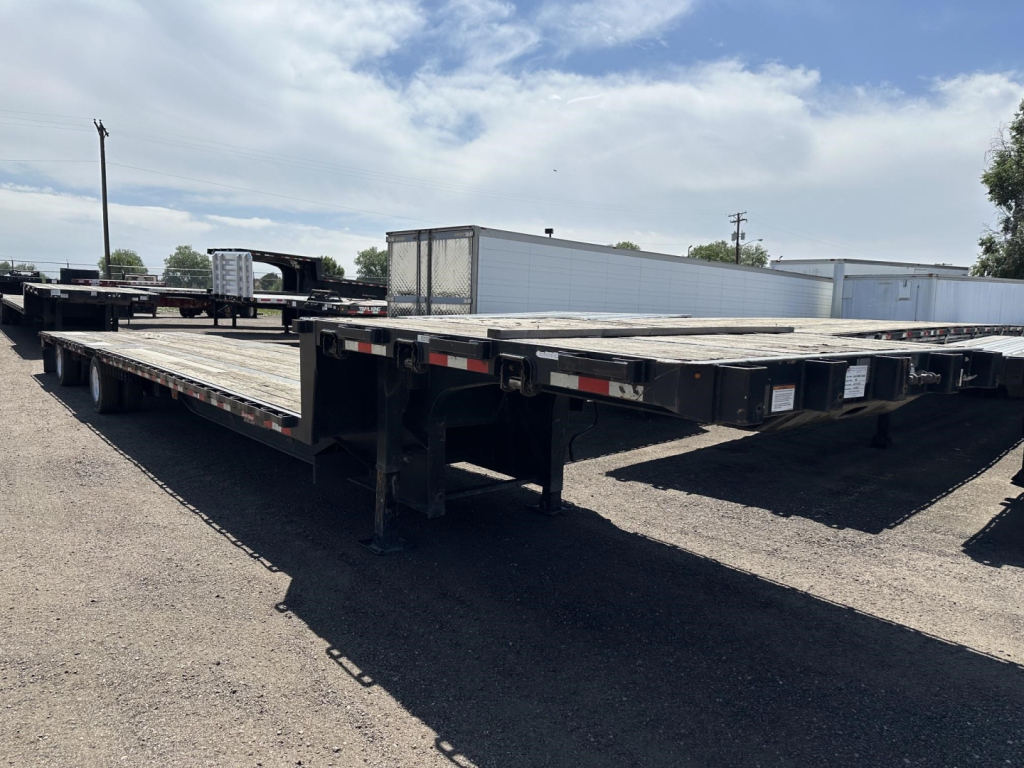
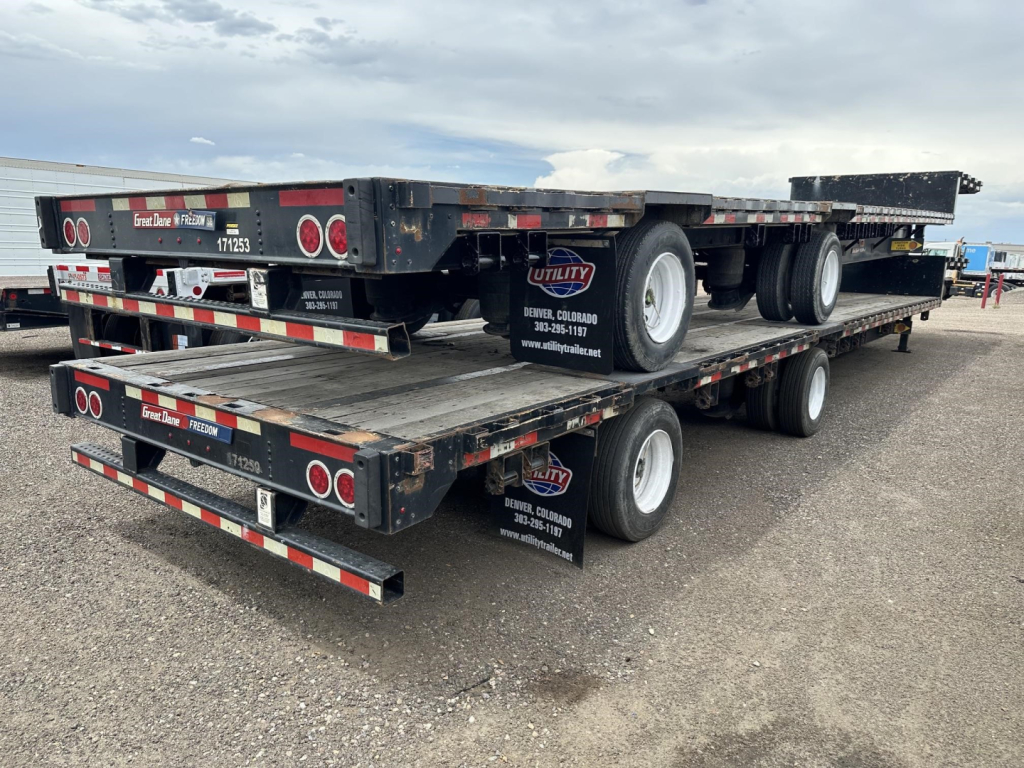
Flatbed trailers remain a core choice for construction materials, machinery, steel, lumber, and other freight that loads from the side or overhead. Key specs include deck length, floor condition, crossmember spacing, winch track setup, suspension, and tire size. A 48-foot flatbed with sliding winch track and standard 102-inch width is a common platform for general open-deck work. Across all trailer categories, serious buyers should inspect tandem slide function, brake condition, tire wear pattern, wheel end condition, kingpin area, frame integrity, and signs of prior floor or structural repairs. Those details usually matter more than brand name alone when comparing used commercial trailers.
Frequently Asked Questions
What is the difference between a dry van, reefer, and flatbed trailer?
A dry van is an enclosed trailer for general freight that needs protection from weather and theft. A reefer is an insulated trailer with a refrigeration unit for temperature-controlled cargo such as food or pharmaceuticals. A flatbed is an open-deck trailer designed for freight that can be loaded from the side, rear, or top, including machinery, building materials, and oversized items that do not fit inside an enclosed body.
What trailer length is most common for commercial freight hauling?
The most common trailer lengths in general freight are 53 feet for vans and reefers and 48 feet or 53 feet for flatbeds, depending on the operation. A 53-foot trailer typically offers the best cubic capacity for long-haul freight, while 48-foot units remain common in open-deck work and some specialized applications. Buyers should match trailer length to lane requirements, customer docks, state regulations, and axle spread needs.
Why do sliding tandems matter on a trailer?
Sliding tandems allow the axle group to move forward or backward to help manage bridge law compliance, improve weight distribution between tractor and trailer axles, and adjust turning characteristics. They are especially useful in over-the-road operations where freight weights and loading patterns vary from load to load. Buyers should confirm the slide rail condition, locking pin operation, and signs of wear or damage around the tandem assembly.
What should I inspect first on a used trailer?
Start with the structural and wear components because they drive long-term operating cost. Check the frame, crossmembers, floor, kingpin plate, suspension, brakes, tires, wheel ends, and tandem slide mechanism. On dry vans, inspect the roof, sidewalls, doors, and scuff lining. On reefers, inspect the refrigeration unit, insulation, seals, and floor channels. On flatbeds, inspect deck condition, rub rail, stake pockets, and winch track wear.
Is air ride or spring suspension better on a trailer?
Air ride suspension is generally preferred for higher-value or fragile freight because it delivers a smoother ride and can reduce cargo shock. Spring suspension is simpler and can be less expensive to maintain, making it attractive for certain general freight or regional applications. The better choice depends on cargo sensitivity, maintenance preferences, and the type of roads the trailer will run most often.