
Trailers For Sale Near Kerrville, Texas
Have trailer to sell? List it here to reach thousands of buyers.
Trailers Near Kerrville, Texas
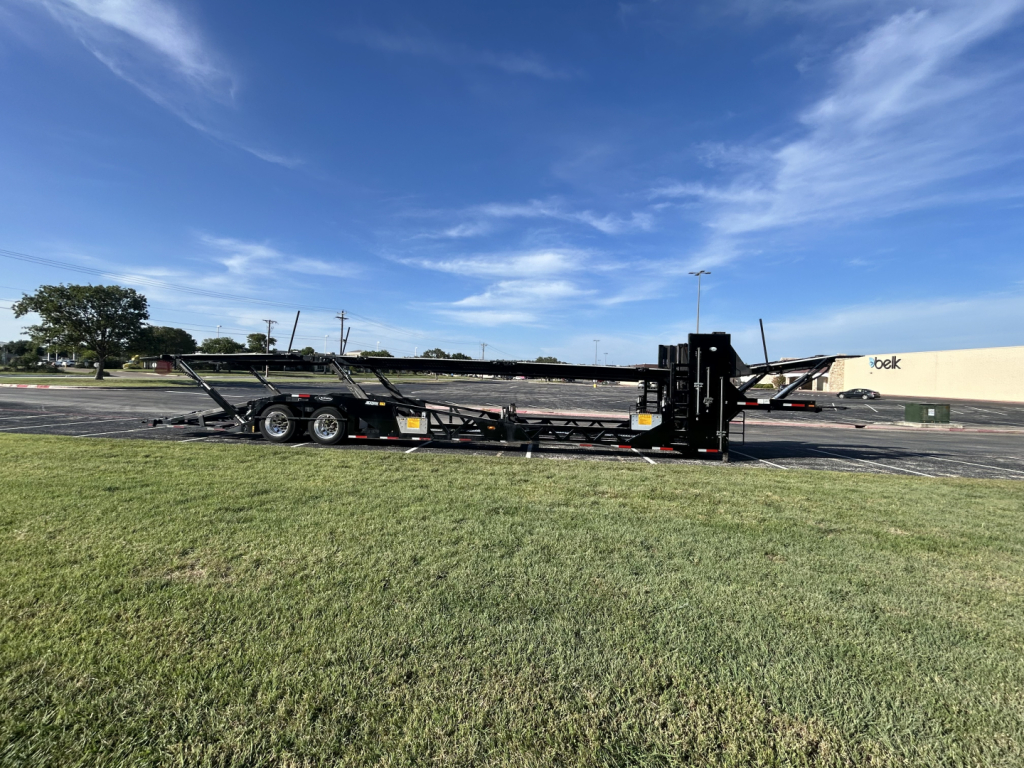
For buyers comparing open transport and specialty hauling trailers, structure and loading design matter as much as capacity. A car hauler or auto transport trailer may use upper and lower decks, hydraulic lift systems, axle lift or over-lift features, aluminum ramps, and self-contained power units to speed loading and improve flexibility across mixed vehicle sizes. Flatbeds and equipment trailers shift the focus to deck height, concentrated load ratings, tie-down points, and ramp design. Enclosed trailers bring cargo protection into the equation, along with door configuration, interior height, and floor condition. Across all trailer types, look closely at crossmember spacing, frame integrity, kingpin area wear, landing gear condition, air and electrical lines, and signs of uneven tire wear that can point to alignment or suspension issues.
Kerrville operators also need to think about route profile and service support in Central and South Texas. Long highway runs, heat, and heavy gross weights put extra importance on brake life, hub condition, suspension components, and tire health. Aluminum wheels can reduce tare weight, while tire inflation systems, scuff protection, and quality lighting packages can improve uptime and safety. On used trailers, maintenance records are valuable, but a physical inspection still matters. Check for cracked welds, deck damage, corrosion around fasteners, leaking hydraulic components on specialty trailers, and current DOT inspection status where applicable.
A good trailer purchase is less about the newest model year and more about fit for the work. Buyers should compare payload needs, loading frequency, tractor wheelbase compatibility, turning radius, and any state or route-specific dimension limits before making a decision. If the trailer is being used for commercial auto transport, equipment delivery, regional construction support, or general freight, the best value usually comes from a unit with the right configuration, strong structural condition, and common serviceable components that can be supported without long downtime.
Frequently Asked Questions about Trailers Near Kerrville, Texas
What should I check first when buying a used trailer?
Start with the trailer’s structural condition and intended application. Inspect the frame, crossmembers, suspension, brake system, tires, wheels, kingpin area, landing gear, lights, and all air and electrical connections. On specialty trailers such as car haulers or equipment trailers, inspect ramps, hydraulic systems, deck mechanisms, and any self-contained power units. A trailer that looks clean but has poor alignment, frame repairs, or worn running gear can become expensive very quickly.
How do I choose the right trailer type for my operation?
Match the trailer to the freight first, then work backward to capacity, dimensions, and loading method. Open trailers like flatbeds or car carriers prioritize loading access and weight efficiency. Enclosed trailers prioritize cargo protection and security. Equipment trailers need concentrated load strength and suitable ramp design. The best choice depends on payload weight, cargo dimensions, loading frequency, securement needs, and the type of tractor that will pull it.
Why do axle configuration and suspension matter on a trailer?
Axle setup affects legal payload distribution, ride quality, tire wear, and maintenance costs. Tandem axles are common for many commercial trailers because they balance capacity and maneuverability well. Suspension type also matters because it influences how the trailer handles rough roads, protects cargo, and wears tires over time. A trailer with a sound suspension and proper axle alignment usually delivers better tracking and lower operating cost.
What features are important on a car carrier trailer?
Important car hauler features include car capacity, deck layout, hydraulic reliability, ramp design, tire condition, brake condition, and the overall weight of the trailer. Buyers often look for aluminum components to reduce tare weight, lift axle or over-lift features for flexibility, tire inflation systems, and strong lighting packages for safer loading and transport. Deck operation should be smooth, leak-free, and consistent under load.
Does location in Texas change what trailer buyers should look for?
Yes. Texas heat, long distances, and heavy highway use make cooling, tire durability, brake condition, and general running gear health more important. Buyers in and around Kerrville should pay close attention to tires, hubs, suspension wear, and lighting reliability, especially if the trailer will run regional or long-haul routes. Access to common replacement parts and service support is also a practical advantage when comparing trailer makes and configurations.