
Trailers For Sale in Kansas
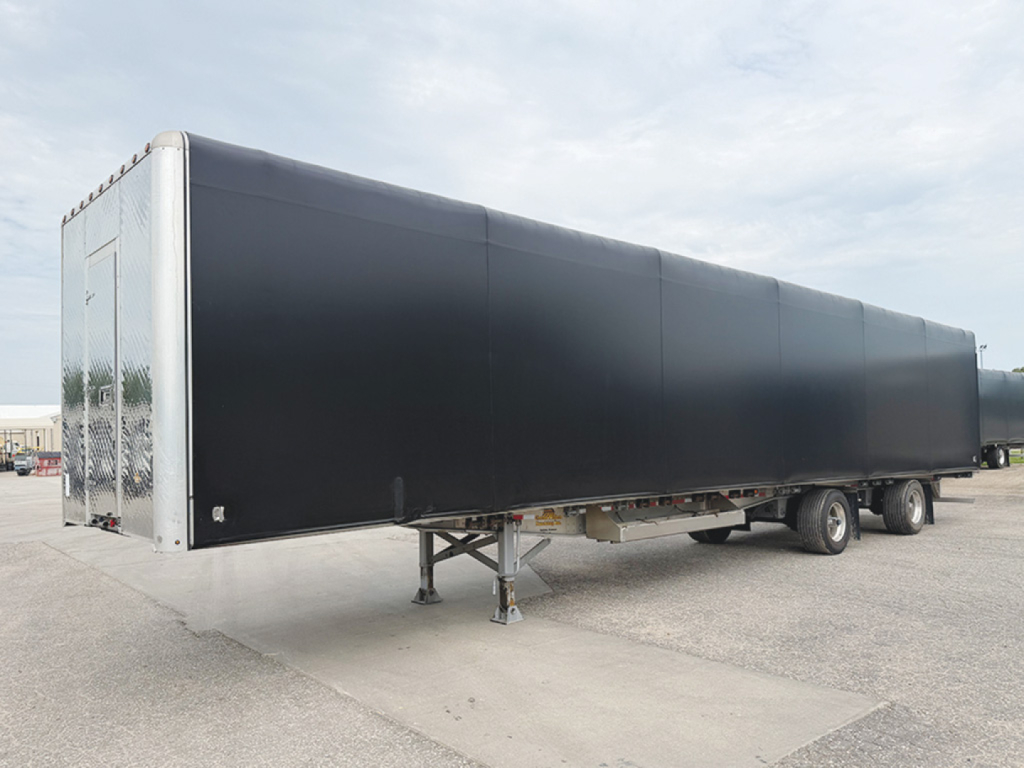
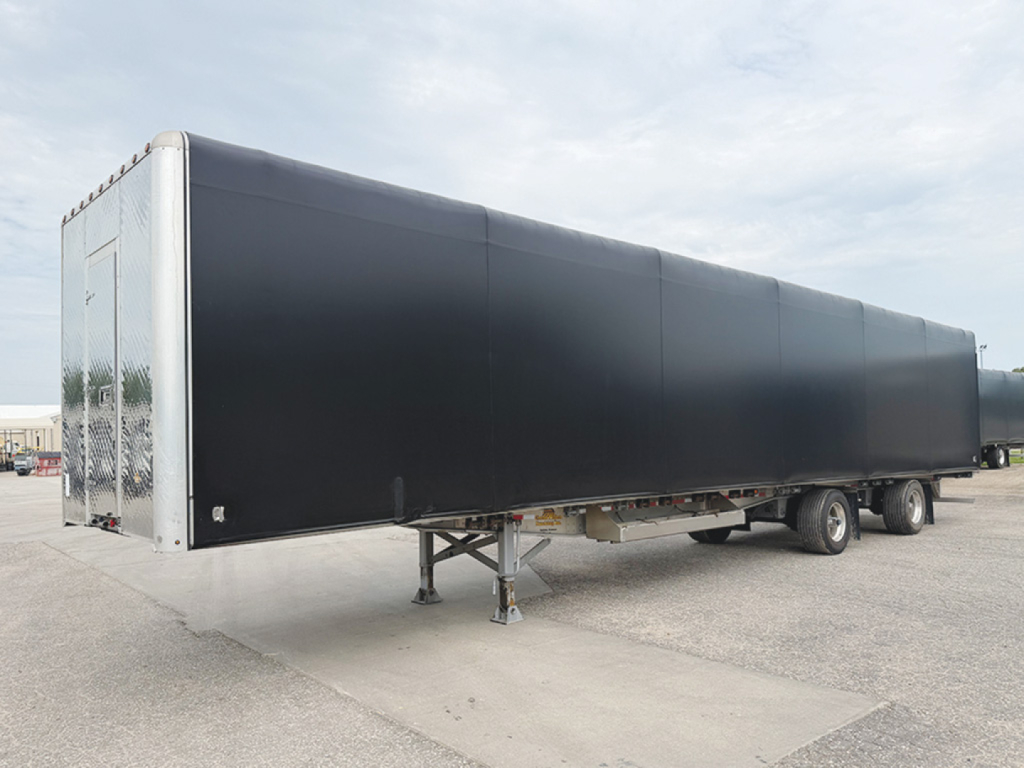
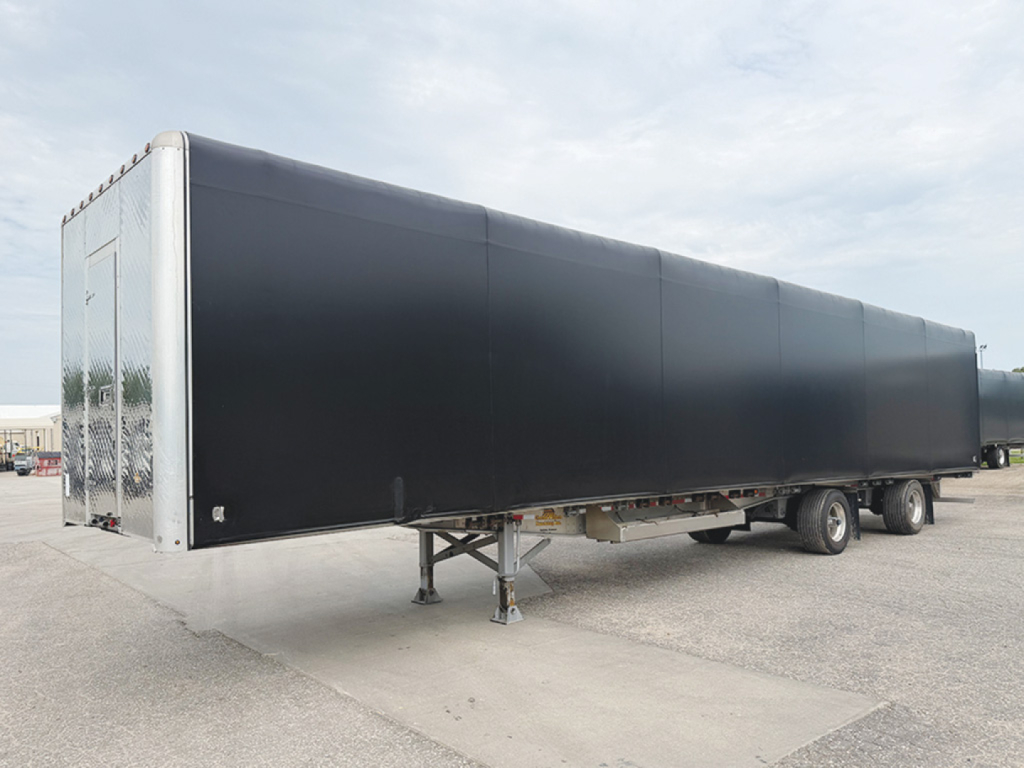
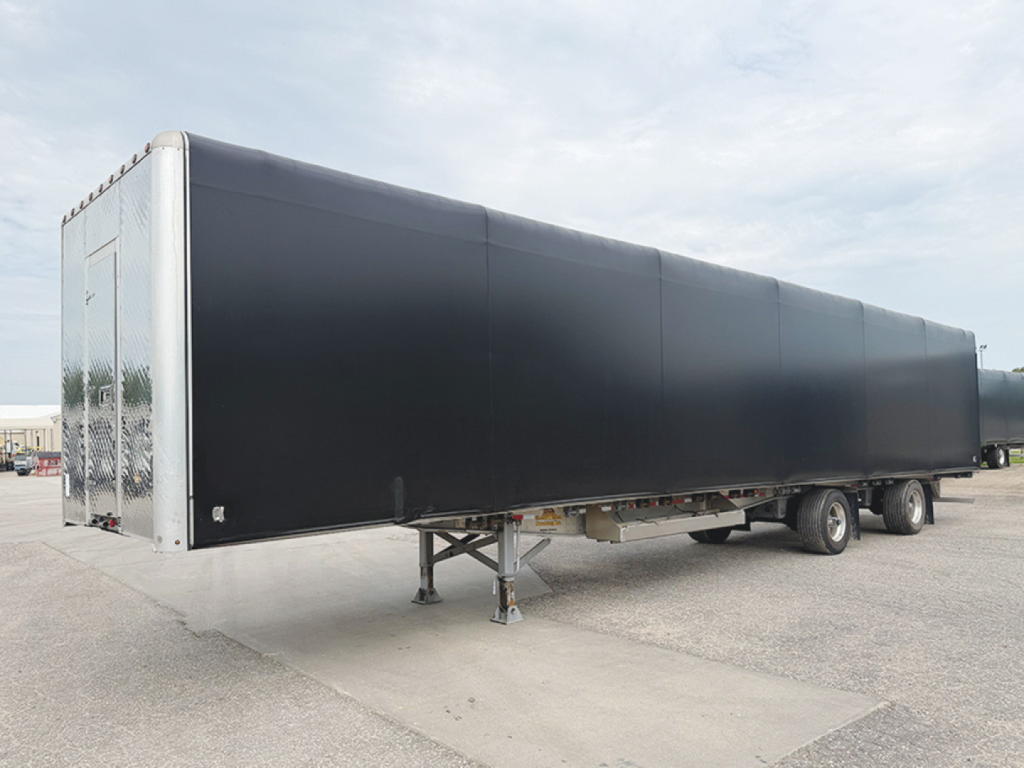
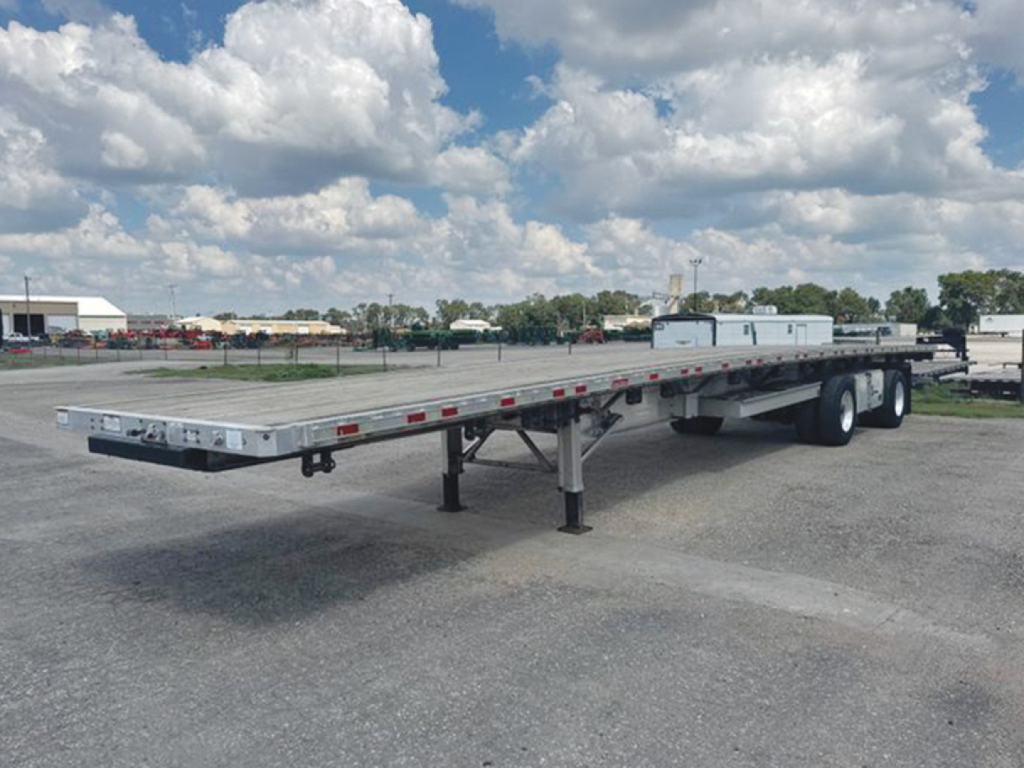
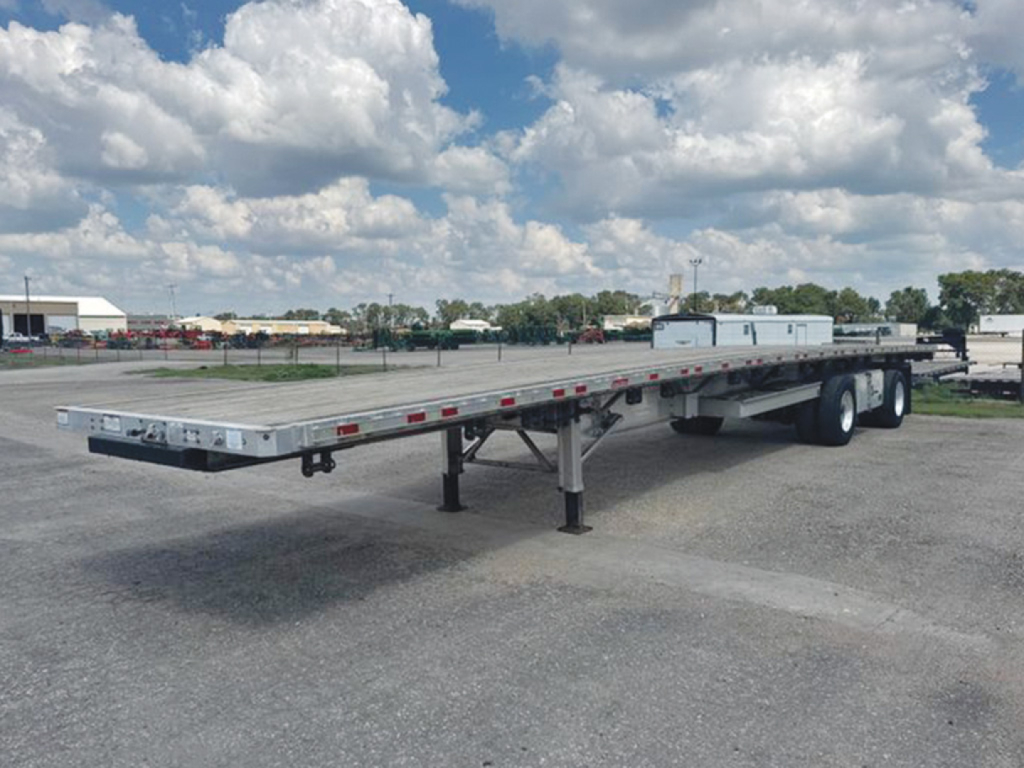
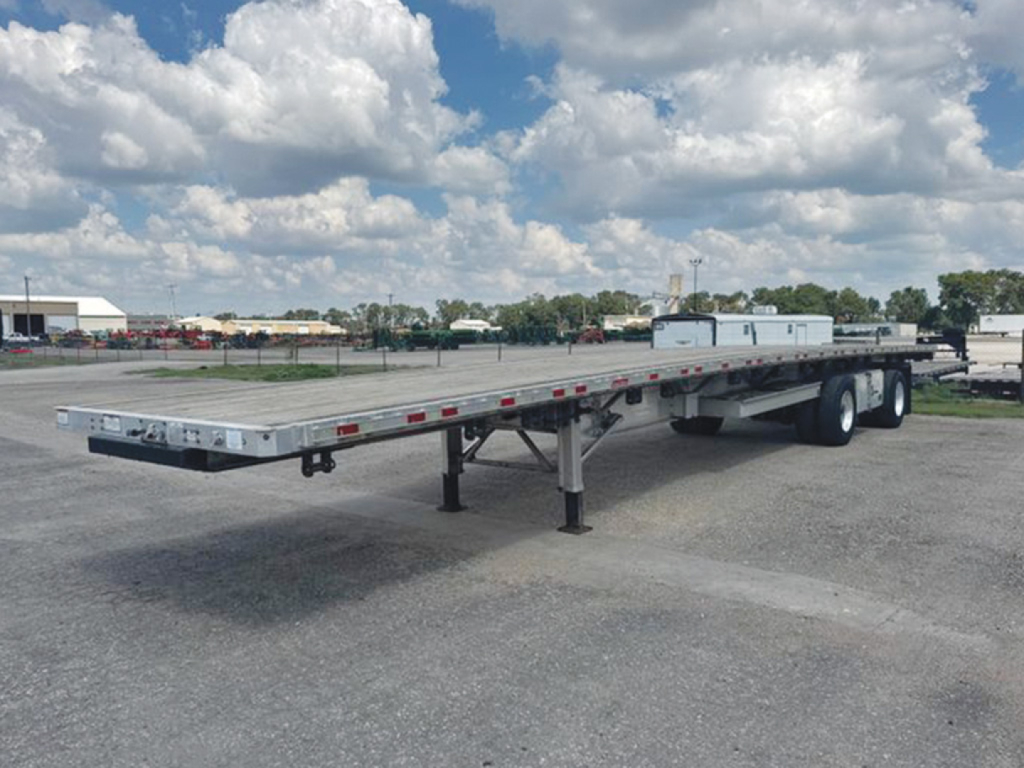
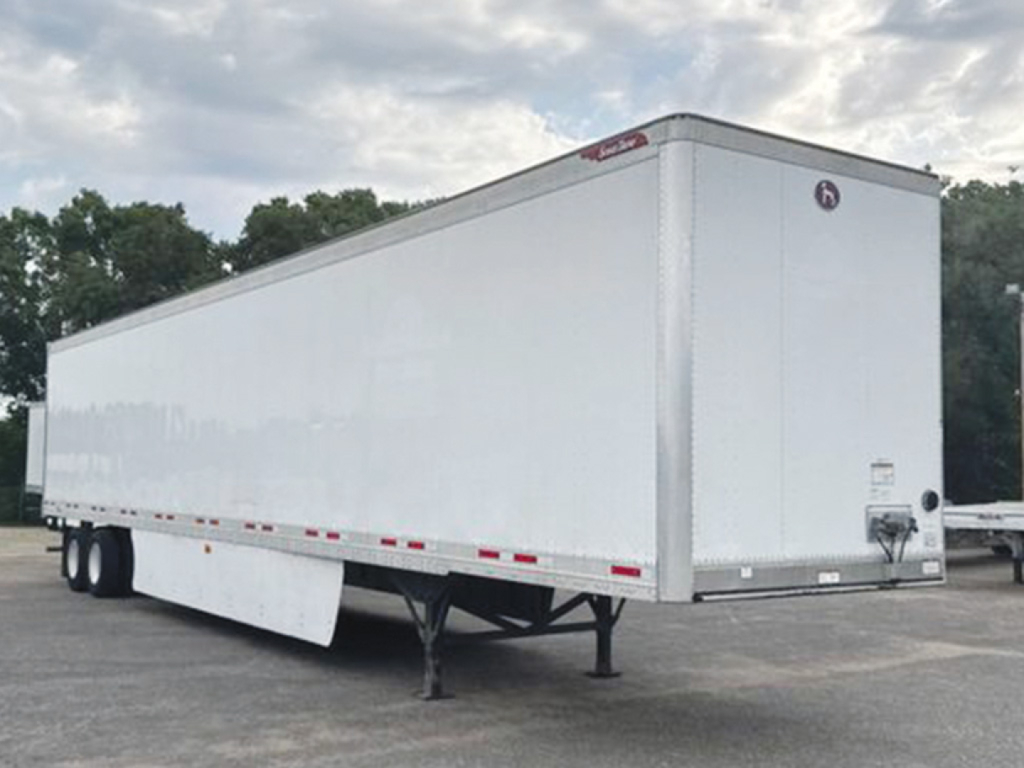

Showing 49 to 67 of 67 results
Have trailer to sell? List it here to reach thousands of buyers.
Trailers in Kansas
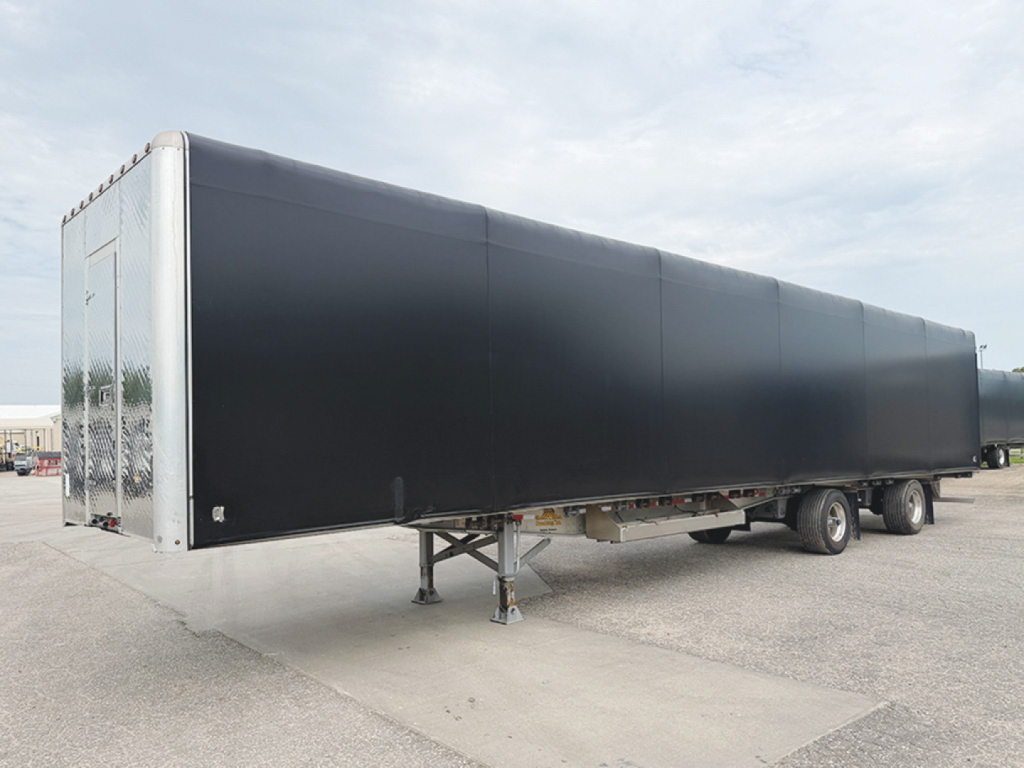
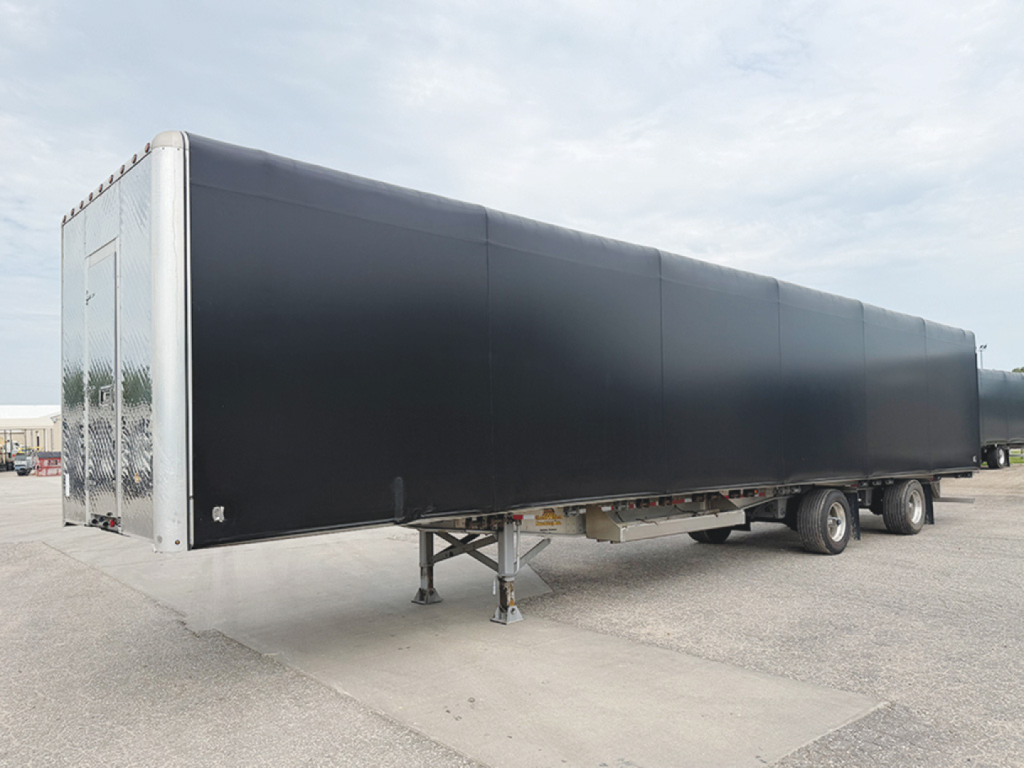
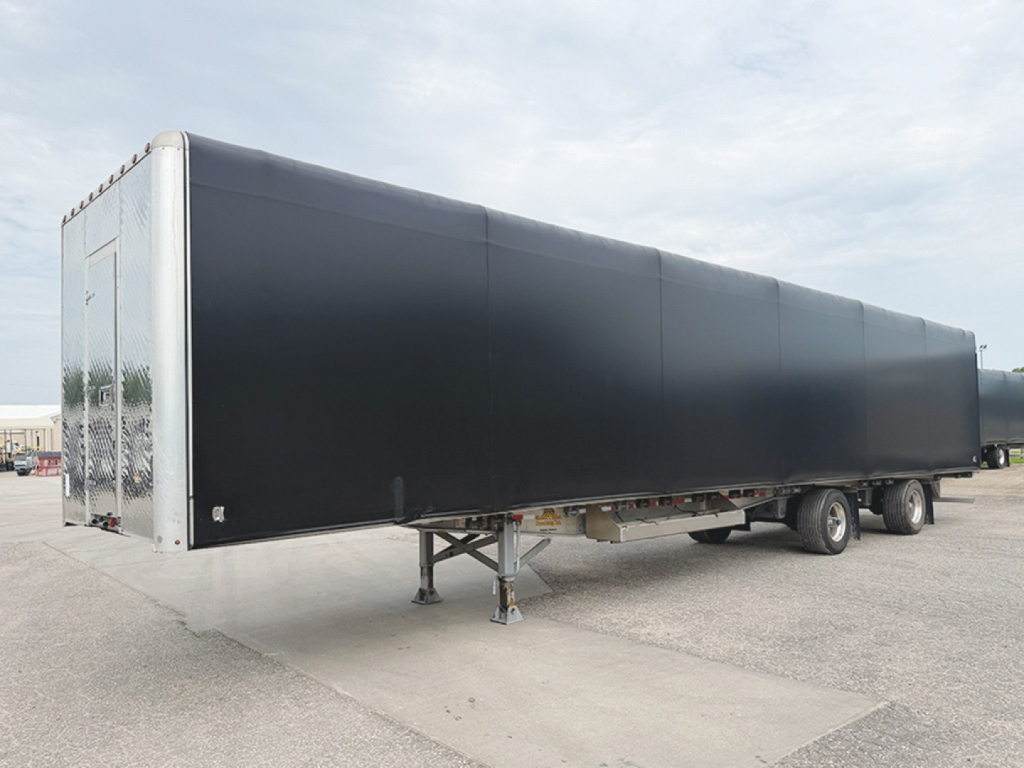
For van trailers, the details that affect daily operating cost are usually inside the body and under the suspension. Buyers compare aluminum versus composite construction, inside height, floor condition, roof bows, logistics posts or E-track, tire inflation systems, and whether the trailer has undertray systems or aerodynamic side skirts. Sliding tandems help with bridge law compliance and dock flexibility, while air ride can be a better fit for higher-value freight or lanes with rough pavement. In Kansas, where long interstate runs, crosswinds, and mixed warehouse access are common, trailer weight, swing clearance, and tire spec can make a noticeable difference in payload and maintenance.
For lowboy trailers, also called lowbed trailers, the key buying decision is matching the deck and axle package to the equipment being hauled. Capacity ratings such as 35 ton, 50 ton, or 55 ton only tell part of the story. Buyers also need to verify loaded deck length, well width, loaded deck height, ground clearance, neck type, ramp style, D-ring placement, and whether the trailer is set up for a jeep or flip axle. Steel construction is standard in this class, and sealed electrical harnesses, drop leg landing gear, and robust tie-down points are basic features worth checking closely. If the work involves dozers, excavators, or crushers, it is important to think beyond the published rating and consider axle group spacing, state permit requirements, and how the machine’s weight sits in the well.
Kansas is a practical trailer market, so condition matters as much as spec sheet numbers. On van trailers, inspect the floor from threshold plate to nose, look at liner damage, rear frame wear, door hardware, tandem slide rails, and signs of corrosion around crossmembers and rivet lines. On lowboys, pay close attention to deck deflection, neck fit, suspension components, brake condition, tire wear patterns, and any repairs around the main beams. A trailer that matches the freight, lane, and maintenance program will usually outperform a cheaper unit with the wrong suspension, body spec, or capacity class.
Frequently Asked Questions about Trailers in Kansas
What trailer types are most common for sale in Kansas?
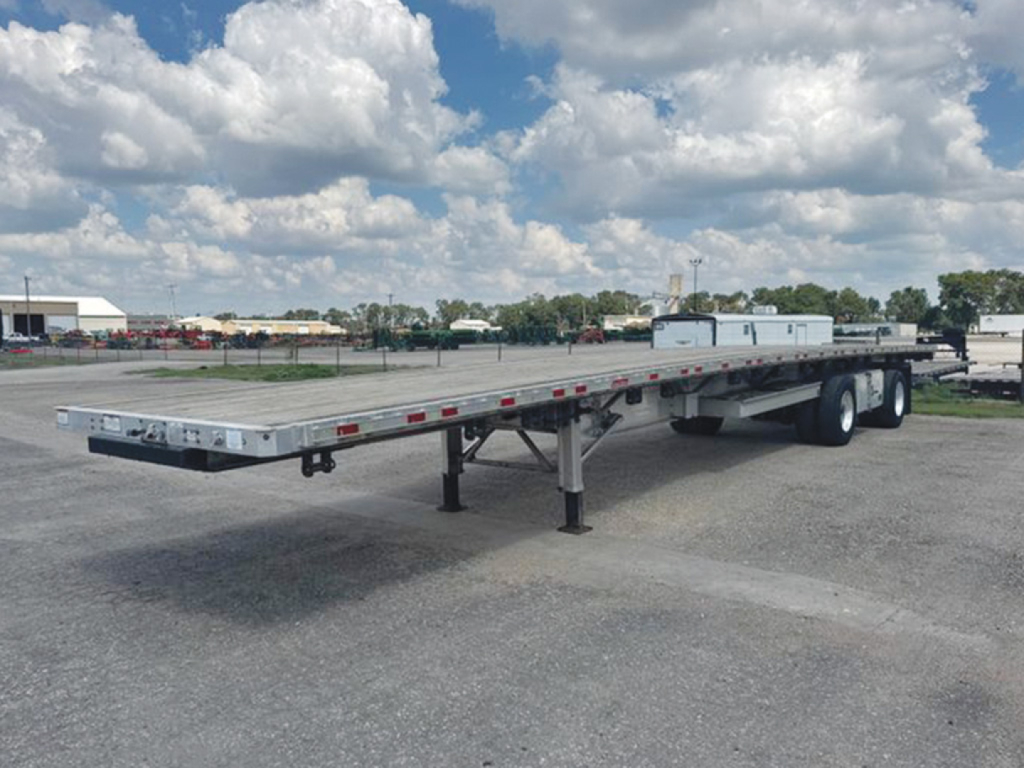
The most common trailer categories in Kansas include dry van trailers, flatbeds, refrigerated trailers, hopper bottoms, grain trailers, dump trailers, and lowboy trailers. Dry vans are especially common because they fit general freight, retail, and warehouse distribution across major Midwest lanes. Lowboys and other heavy haul trailers are also relevant in Kansas due to agriculture, construction, and equipment transport demand.
What should I check first when buying a used dry van trailer?
Start with the floor, rear frame, roof, sidewalls, and tandem slider assembly. A dry van’s floor condition tells you a lot about its real service life, especially around forklift traffic zones and the threshold plate. Then inspect the lining, scuff plates, crossmembers, door seals, suspension, brakes, and tire condition. Features such as E-track, tire inflation systems, roll-up doors, and air ride suspension can add value, but structural condition comes first.
How do I choose the right lowboy trailer capacity?
Choose a lowboy based on the actual operating weight and dimensions of the equipment, not just the advertised ton rating. You need to account for machine attachment weight, axle spacing, deck length, legal loaded height, and whether the load requires a flip axle or permit package. A trailer rated for 55 tons may still be the wrong fit if the axle group, deck well, or neck configuration does not place the load correctly for legal hauling.
Is air ride or spring suspension better on a trailer?
Air ride is often preferred for sensitive or higher-value freight because it can improve ride quality and reduce cargo shock. It is common on newer van trailers and can help with freight protection on long interstate runs. Spring suspension is simpler and can be durable in fleet service, but ride quality is generally not as refined. The better choice depends on the freight, the lanes, and how much emphasis you place on maintenance simplicity versus cargo protection.
Why do sliding tandems matter on a van trailer?
Sliding tandems help balance axle weights, meet bridge law requirements, and improve maneuverability at docks and in tight yards. They give the trailer more flexibility across different loads and customer locations. For many over-the-road van operations, a sliding tandem is a practical necessity because it helps the trailer adapt to varying freight distribution without sacrificing legal compliance.