
Belt Trailers For Sale in Kansas
Shop belt trailers for bulk commodity hauling. Compare capacities, belt widths, discharge setups, and liner options for Kansas operations.
Learn moreBrowse Belt Trailers by Make
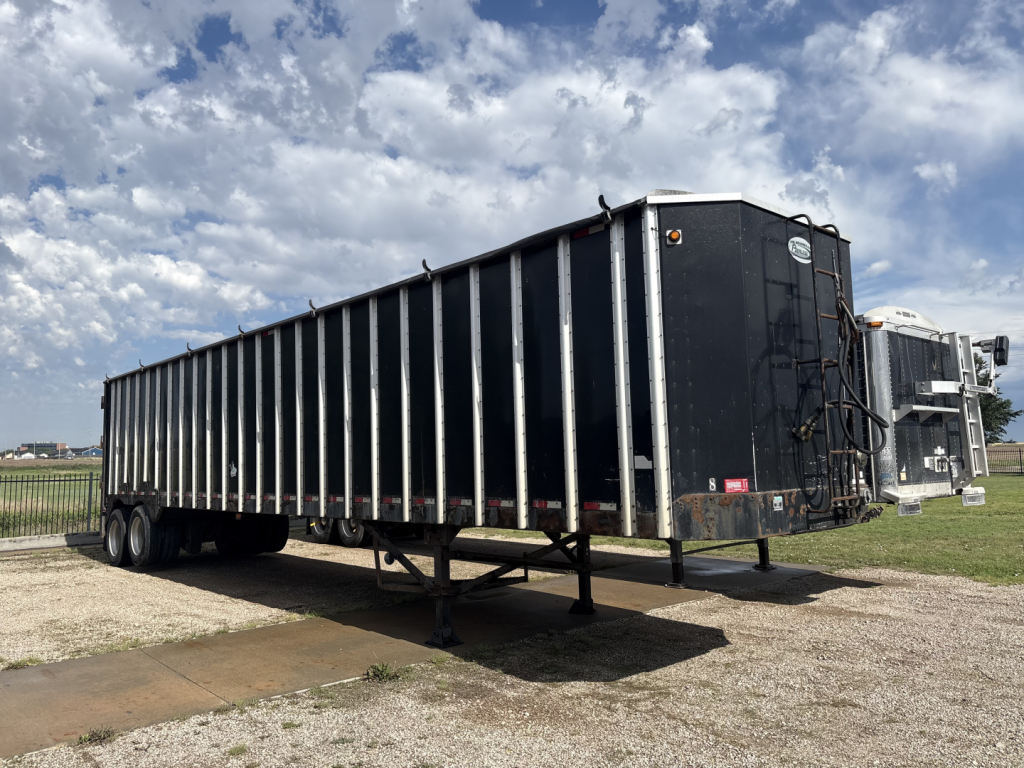
Have belt trailer to sell? List it here to reach thousands of buyers.
About Belt Trailers in Kansas
The key buying decision is usually the trailer’s intended material and discharge environment. Buyers should look closely at cubic yard capacity, belt width, sidewall height, overall trailer length, and whether the unit uses a front or rear discharge configuration. Belt speed, hydraulic system design, and gate control all affect unload time and material flow. For agricultural work, liner condition, belt tracking, and sealing at the gates are important because product loss and contamination add up quickly. For heavier commodities, floor structure, suspension spec, and axle rating matter just as much as payload.
Frame design and maintenance history deserve careful attention on a used belt trailer. Inspect the conveyor belt for cuts, fraying, splice condition, and signs of uneven wear. Check the drive roller, bearings, hydraulic motor, hoses, and tensioning system, since those components directly affect reliability in the field. Trailer spec can vary widely, including aluminum versus steel construction, air ride or spring suspension, manual or electric tarp systems, and single-speed or variable-speed belt controls. Tire condition, brake life, hopper shape, and discharge gate function also tell you a lot about how the trailer has been used.
A good belt trailer is usually chosen for application efficiency, not just payload. It can unload precisely into a trench, onto a stockpile, into a paver, or inside a commodity shed with less site restriction than a traditional end dump. Buyers comparing belt trailers for sale should match the trailer to commodity type, seasonal volume, road weight requirements, and the hydraulic capability of the truck that will pull it. When the spec is right, a belt trailer can reduce unload time, improve site safety, and handle bulk hauling jobs that are not practical for a dump trailer or hopper trailer.
Frequently Asked Questions
What is a belt trailer used for?
A belt trailer is used to haul and unload bulk materials with a conveyor-style floor instead of lifting the trailer body. Common applications include grain, feed, fertilizer, seed, mulch, sand, and some aggregates. The controlled discharge makes belt trailers useful where material must be placed accurately or where a dump trailer cannot safely raise its body due to overhead obstructions, soft ground, or uneven surfaces.
How is a belt trailer different from an end dump trailer?
A belt trailer unloads by moving material out on a conveyor belt, while an end dump unloads by raising the body and letting material slide out by gravity. Belt trailers generally offer better stability during unloading and can work in low-clearance areas. End dumps often carry dense materials well, but they require more vertical clearance and can present a higher rollover risk on uneven ground.
What should I inspect on a used belt trailer?
The most important areas are the belt itself, the hydraulic drive system, the rollers, bearings, discharge gates, frame rails, suspension, brakes, and tarp system. Pay close attention to belt tracking, splice condition, belt edge wear, and any leaks in the hydraulic lines or motor area. Structural cracking, liner wear, and gate sealing are also important because they affect both durability and product retention.
Are belt trailers a good fit for Kansas hauling?
Belt trailers are a strong fit for many Kansas operations because they handle agricultural and bulk commodity work well and can unload safely in farm, feedlot, and mill environments. They are especially useful where operators deal with grain, feed ingredients, fertilizer, or light aggregate and need controlled unloading on rural sites that may not be ideal for a raised dump body. Local weight laws, route conditions, and seasonal commodity demand should still guide final trailer spec.
What specs matter most when comparing belt trailers for sale?
Capacity, construction material, axle rating, suspension type, belt width, discharge design, and hydraulic requirements are the main specs to compare. Buyers should also consider gate control, liner material, tarp setup, overall weight, and how the trailer pairs with the intended tractor. The best spec depends on the commodity being hauled, expected payload, unloading environment, and how often the trailer will run during peak season.