
Double Drop Deck Trailers For Sale in Kansas
Shop double drop deck trailers for heavy equipment hauling. Compare deck lengths, detachable goosenecks, capacity, axle setups, and securement.
Learn moreBrowse Double Drop Deck Trailers by Make
Have double drop deck trailer to sell? List it here to reach thousands of buyers.
About Double Drop Deck Trailers in Kansas
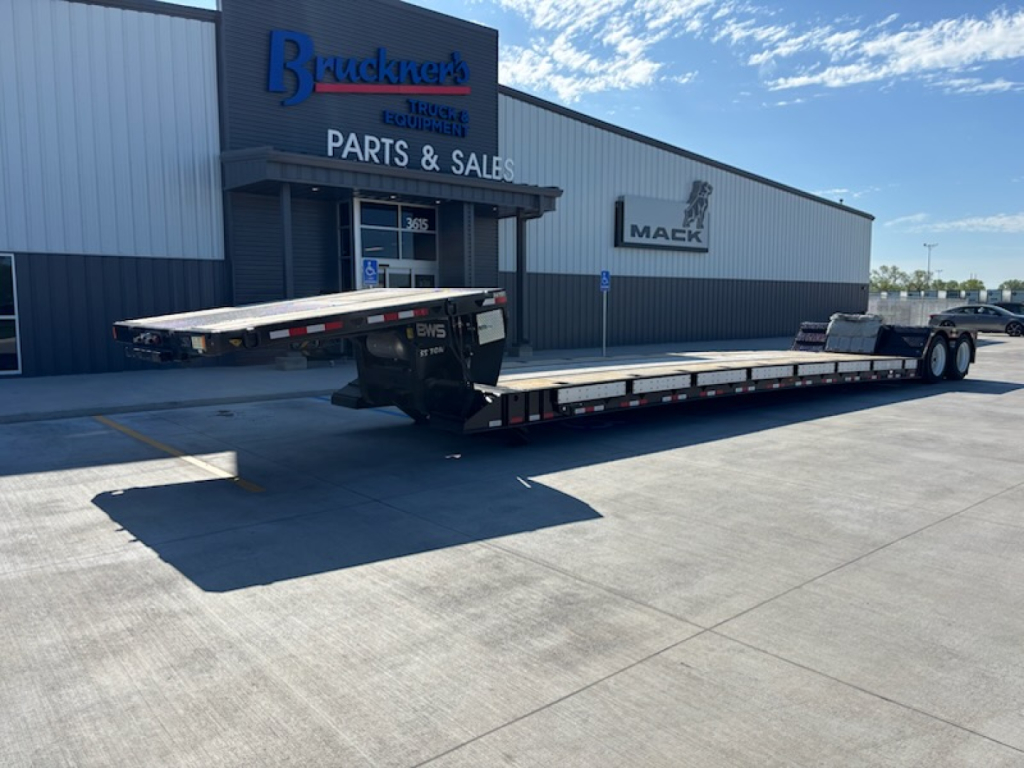
A detachable gooseneck is one of the most important configuration choices in this category. Mechanical and air ride detachable gooseneck designs make it easier to load crawlers, loaders, pavers, skidders, and other self-propelled equipment from the front. Main deck lengths vary, and some trailers add outriggers or slide-out extensions for wider freight. Pay attention to kingpin setting, swing clearance, loaded deck height, and rear deck design, especially if you are matching the trailer to a specific tractor wheelbase or routing through height-restricted corridors. D-ring placement, chain pull-outs, traction surfaces, and rear transition ramps also matter because securement access and loading angle can make a major difference in day-to-day usability.
Axle configuration and suspension should be matched to the freight mix and permitting requirements. Common setups include tandem, tri-axle, and specialized spread configurations, with capacities ranging from lighter equipment haulers up to severe-duty heavy haul applications. Buyers should compare tire size, brake condition, frame construction, crossmember spacing, and whether the trailer has features such as central lube systems, aluminum pull-outs, or decking over the wheels. If the work includes frequent loading on uneven jobsites, ground clearance at the neck and rear bridge is worth close attention. In Kansas, where loads may run long distances between jobs and into neighboring states, durable running gear and straightforward serviceability can be just as important as raw tonnage.
The best double drop deck trailer is the one that matches the equipment you move most often, not the one with the highest published capacity. Check the usable well length, loaded deck height, concentrated load rating, and neck style against your actual machines and attachment combinations. A trailer set up for compact excavators and skid steers is very different from one intended for dozers, milling machines, or articulated construction equipment. When buyers compare listings carefully on dimensions, securement layout, and legal load profile, double drop trailers remain one of the most versatile solutions in specialized equipment transport.
Frequently Asked Questions
What is the difference between a double drop deck trailer and a step deck trailer?
A double drop deck trailer has three deck sections: a front upper deck, a lowered main deck or well, and a rear deck over the axles. That lowered center section allows taller cargo to ride lower than it would on a step deck trailer. A step deck has only two deck heights and generally cannot handle the same overall cargo height without exceeding legal limits.
What types of loads are commonly hauled on a double drop deck trailer?
Double drop trailers are commonly used for excavators, bulldozers, pavers, loaders, agricultural equipment, tanks, generators, and other tall or heavy machinery. They are especially useful when the load has significant height but does not justify a more specialized heavy haul platform. The lowered main deck helps keep the overall loaded height within legal or permit-friendly ranges.
Why does a detachable gooseneck matter on a double drop trailer?
A detachable gooseneck lets equipment be driven or pulled onto the trailer from the front, which is often safer and more practical for tracked or wheeled machines. It also improves loading efficiency compared with fixed-neck designs that rely more heavily on rear ramps and steeper loading angles. Buyers should compare air detach and mechanical detach systems based on fleet preference, maintenance style, and the type of equipment being loaded.
What specs should I check first when comparing double drop deck trailers?
Start with main deck length, loaded deck height, width, rated capacity, and axle configuration. Then look at kingpin setting, swing clearance, neck style, securement points, and any outriggers or slide-out extensions. These details determine whether the trailer will safely fit your freight, match your tractor, and stay efficient on the routes and permits you run.
Are double drop deck trailers a good fit for Kansas hauling conditions?
They can be a strong fit for Kansas fleets moving construction and farm-related equipment between jobsites, dealers, and regional customers. Long highway runs, variable jobsite surfaces, and multi-state permitting all make practical specs important, including deck height, axle layout, brake condition, and ease of loading. A well-matched double drop can handle a wide range of legal and over-dimensional equipment moves across the central plains.