
Trailers For Sale Near Jonesboro, Georgia
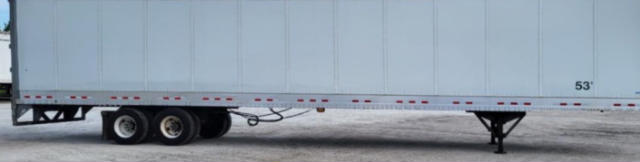
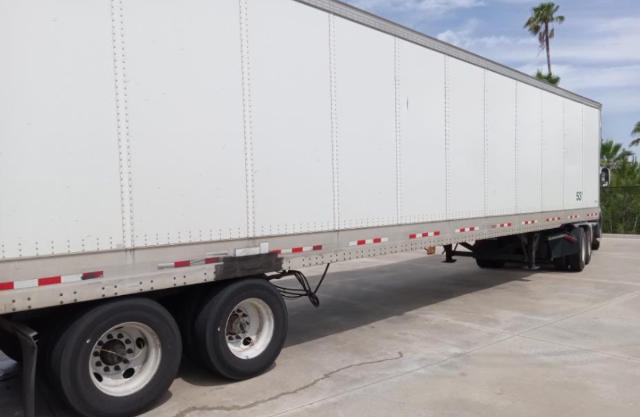
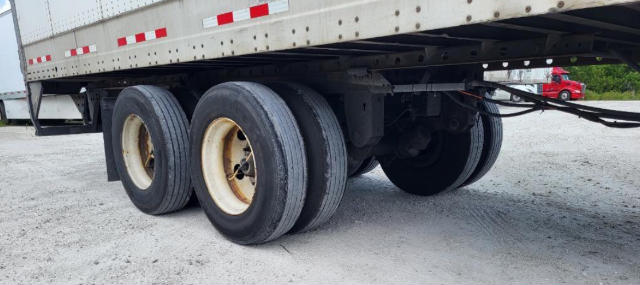
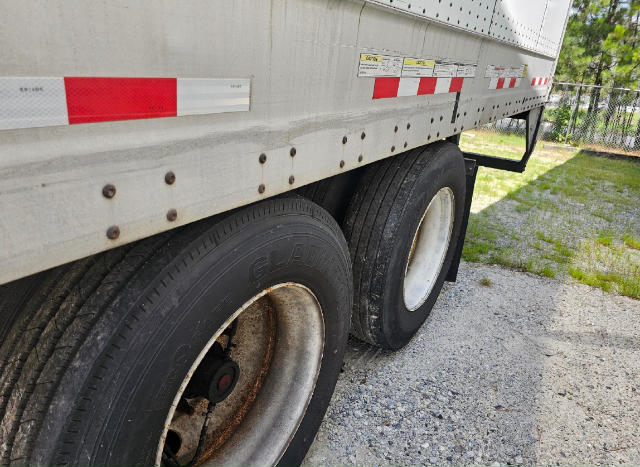
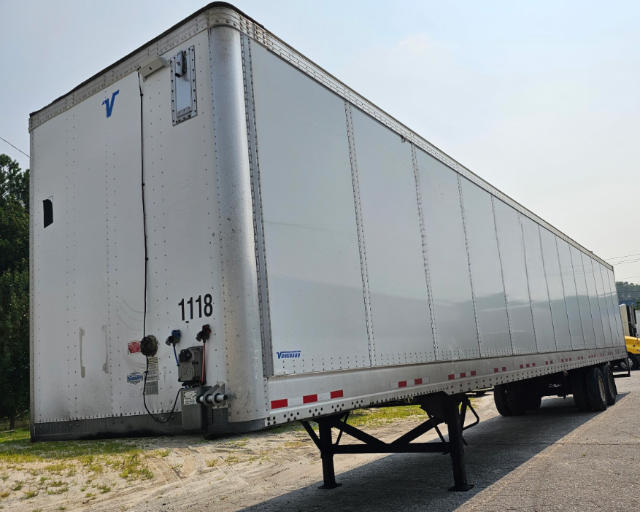
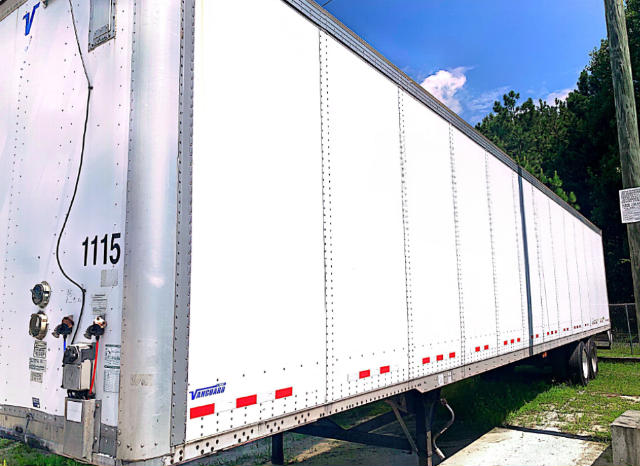

Have trailer to sell? List it here to reach thousands of buyers.
Trailers Near Jonesboro, Georgia
Frequently Asked Questions about Trailers Near Jonesboro, Georgia
What trailer types are most common in this market?
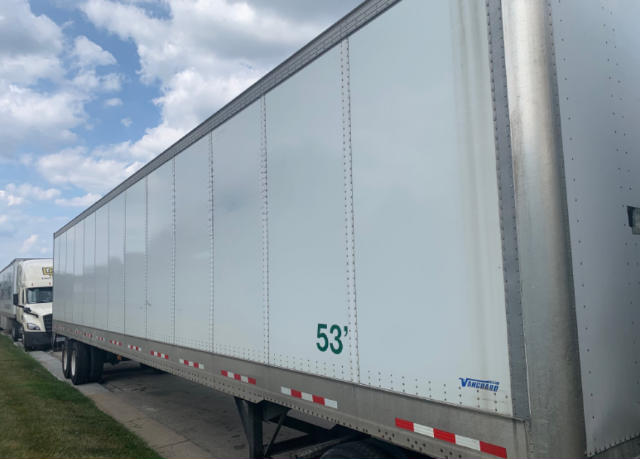
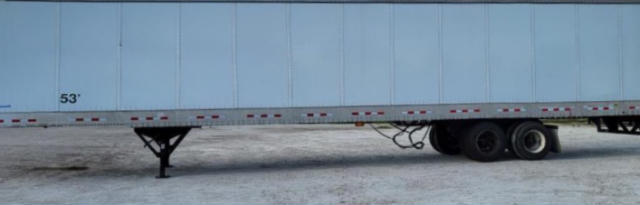
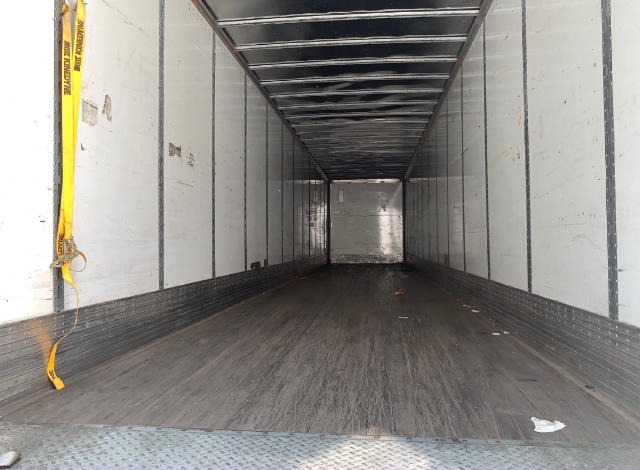
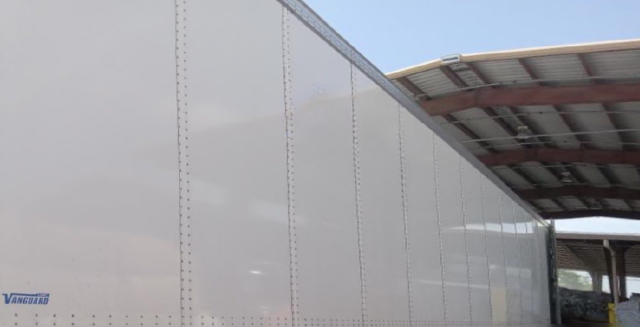
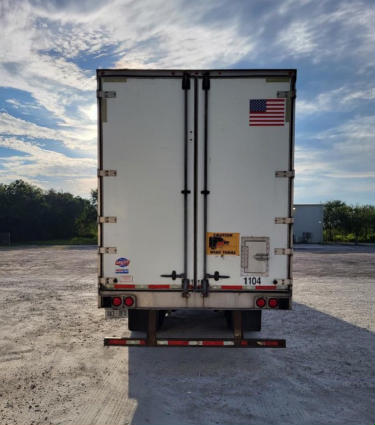
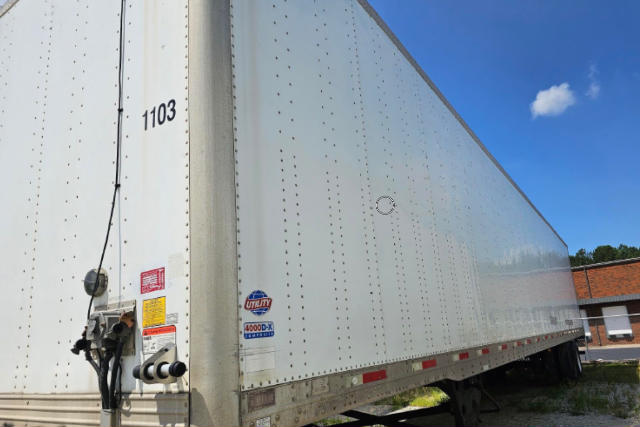
Dry van trailers and refrigerated trailers are the most common options, with many buyers also looking at utility and plate van configurations. Dry vans are used for general freight and dock loading, while reefers are built for temperature-controlled freight and typically include an engine-driven refrigeration unit, insulated walls, and a duct floor. Utility-style van listings often overlap with standard dry van applications, so the key is to compare body construction, floor condition, suspension, tandem setup, and logistics features rather than relying only on the category label.
What specs matter most when buying a used 53-foot trailer?
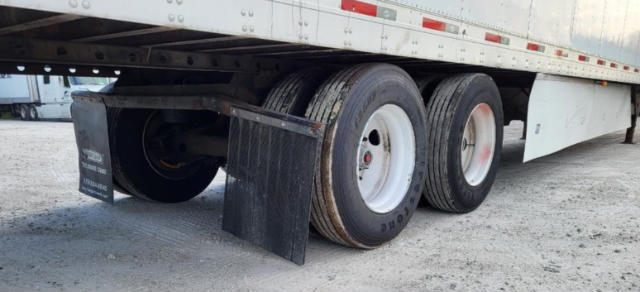
The most important specs are trailer length, width, overall height, inside height, suspension type, tandem configuration, floor design, and door style. Many buyers also pay close attention to scuff liners, E-track or logistics posts, tire inflation systems, wheel type, and the condition of the rear frame, crossmembers, threshold, and door frame. On refrigerated trailers, the reefer unit model, engine hours, operating history, and floor wear are just as important as the trailer body itself.
How do I choose between a dry van and a reefer trailer?
A dry van is the simpler and lower-maintenance choice for non-perishable freight, packaged goods, and general dock freight. A reefer trailer is necessary for produce, frozen freight, dairy, pharmaceuticals, and other temperature-sensitive loads, but it brings higher purchase cost and more maintenance because the refrigeration unit, insulation package, and door seals all need regular attention. If your lanes or contracts may shift, make sure the added revenue from temperature-controlled freight offsets the higher operating cost.
Are sliding tandems and air ride suspension important on used trailers?
Yes. Sliding tandems help with bridge law compliance, axle weight distribution, and adapting to different state requirements or loading patterns. Air ride suspension is preferred for many freight applications because it helps protect sensitive cargo and can reduce shock transfer compared with spring ride. Spring suspension still has a place in fleets focused on lower complexity and straightforward maintenance, but many buyers in van and reefer applications prioritize air ride for freight protection and resale value.
What should I inspect on a used reefer trailer before buying?
Start with the refrigeration unit, including start-up behavior, engine hours, service records, temperature pull-down performance, and any active alarms. Then inspect the insulated body, interior liner, floor channels or duct floor, door seals, front wall, and evidence of moisture intrusion or impact damage. Also check the trailer structure, suspension, brakes, tires, wheel ends, and the condition of the wiring and fuel tank. A reefer can look clean and still need expensive unit work, so mechanical inspection and service history are critical.