
Used 2004 Hyundai Trailers For Sale
Browse used 2004 Hyundai trailers for sale, including dry van and reefer models with specs, common features, and buyer-focused inspection points.
Learn more
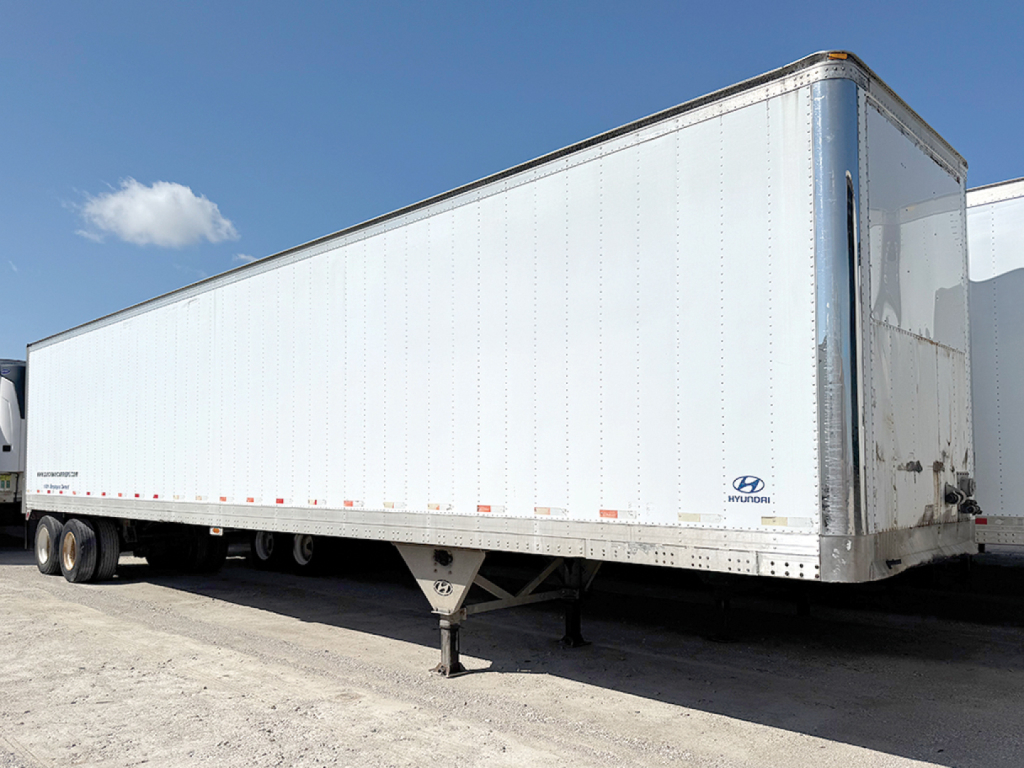
Have used 2004 hyundai trailer to sell? List it here to reach thousands of buyers.
About Used 2004 Hyundai Trailers
Construction details matter more than brand decals on an older trailer. Hyundai trailers from this era are often aluminum van or sheet-and-post designs, and buyers should look closely at crossmembers, side posts, roof bows, rear frame structure, door frame condition, and floor wear. On dry vans, common features include wood floors, plywood or metal lining, scuff plates, threshold plates, E-track, and logistics-ready interiors. Suspension can be spring ride or air ride depending on the original spec, and that choice affects ride quality, cargo protection, and long-term maintenance cost. Tire inflation systems, disc or steel wheels, liftgates, and vent packages can add value depending on the freight profile.
A used 2004 Hyundai reefer trailer needs a different inspection approach than a van. The insulation package, floor condition, door seals, front wall, and evaporator area all have a direct impact on temperature hold. Buyers should verify the reefer unit hours, service history, operational performance under load, and parts support for the specific unit brand and model. On both van and reefer trailers, check tandem slide operation, slider rail wear, landing gear condition, brake components, lighting, ABS function, and any signs of corrosion around the nose, rear sill, and suspension mounting points. If the trailer has been used in regional or high-cycle dock work, anti-dockwalk reinforcement, threshold wear, and interior wall damage are especially important.
For many operations, a used 2004 Hyundai trailer is a value purchase driven by lane type, freight class, and shop capability. A well-maintained older Hyundai van can still serve effectively in warehouse shuttles, dedicated regional runs, export freight, and local delivery support. Reefer models can still be productive, but buyers usually need to underwrite refrigeration repairs more carefully than they would on a dry van. The best choice comes down to structural condition, legal weight compliance, door and floor usability, and how closely the trailer's spec matches the freight you intend to move.
Frequently Asked Questions
What should I inspect first on a used 2004 Hyundai trailer?
Start with the structure. Inspect the frame, crossmembers, roof, sidewalls, rear frame, floor, and tandem slider assembly before focusing on cosmetic issues. On a trailer of this age, structural fatigue, floor wear, rear impact damage, corrosion, and slider rail condition usually matter more than paint or panel appearance. Also verify brakes, tires, lights, ABS, landing gear, and door operation because deferred maintenance in these areas can quickly change the total cost of ownership.
Are 2004 Hyundai trailers usually dry vans or reefers?
Most buyers will encounter 2004 Hyundai trailers in dry van form, but reefer versions are also common on the used market. Dry vans are generally simpler and less expensive to maintain because they do not carry a refrigeration unit. Reefer trailers can still be a solid purchase if the box is tight and the unit has documented service history, but they require closer inspection of insulation, floor channels, door seals, and refrigeration performance.
Is spring ride or air ride better on a used Hyundai trailer?
It depends on the freight and maintenance priorities. Spring ride is simpler and can be less expensive to maintain, which appeals to buyers using older trailers in rugged or short-haul applications. Air ride generally provides better cargo protection and a smoother ride, making it attractive for higher-value or damage-sensitive freight. On a used 2004 trailer, the better choice is often the suspension that is in stronger mechanical condition and better matched to your operation.
What interior features add value on a used 2004 Hyundai dry van?
Useful dry van features include a solid wood floor, intact plywood or metal liner, scuff plates, threshold plate protection, E-track, good roof condition, and a rear door that seals and operates cleanly. A liftgate can add value for route work and retail delivery. Tire inflation systems and air-ride suspension can also improve operating efficiency and cargo handling, but only if they are functioning properly and supported by your maintenance program.
How long can a 2004 Hyundai trailer stay productive in a fleet?
A 2004 Hyundai trailer can remain productive if the structure is sound and the maintenance history is strong. Older dry vans often continue working in regional lanes, local shuttle service, storage support, and lower-mileage dedicated applications. Reefer trailers can also stay in service, but the refrigeration system and insulated body usually determine economic life more than the chassis alone. The key question is not just age, but whether the trailer can pass inspection, handle your freight, and avoid becoming a repair-heavy asset.