
Hyundai Trailers For Sale in Texas
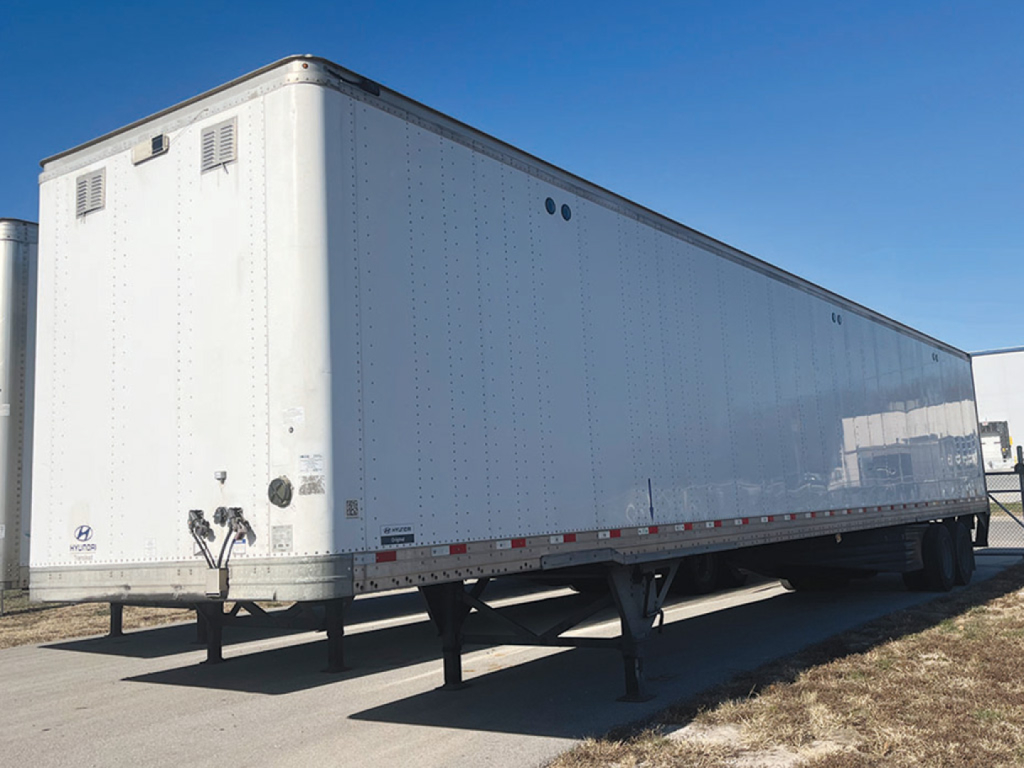
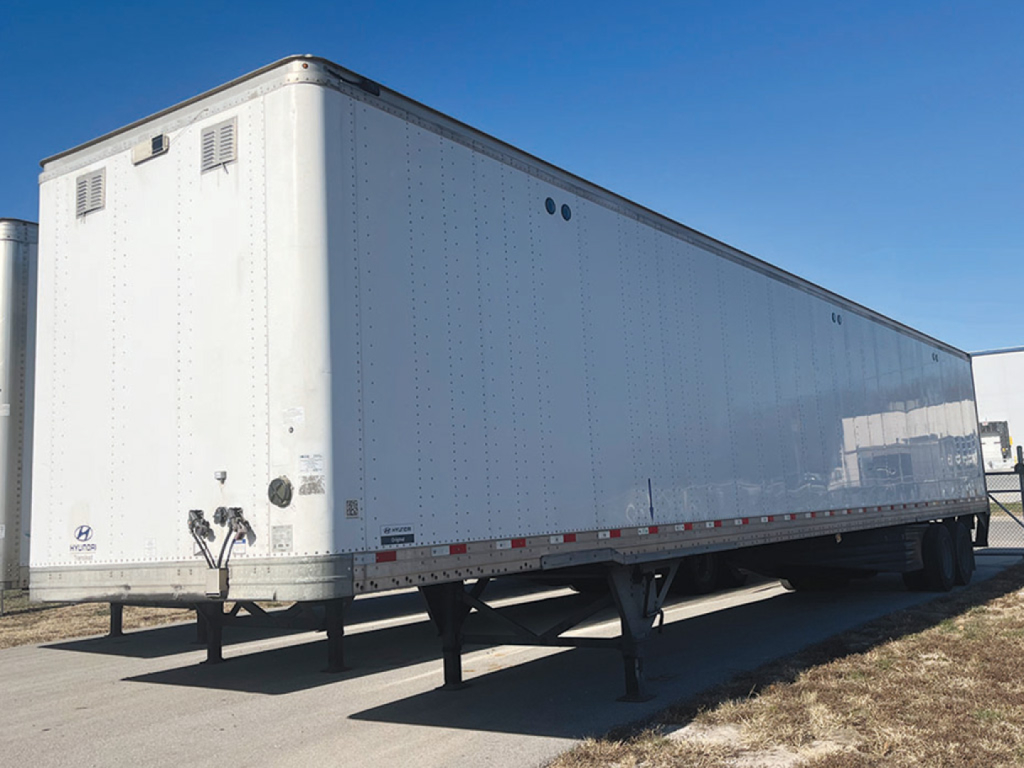
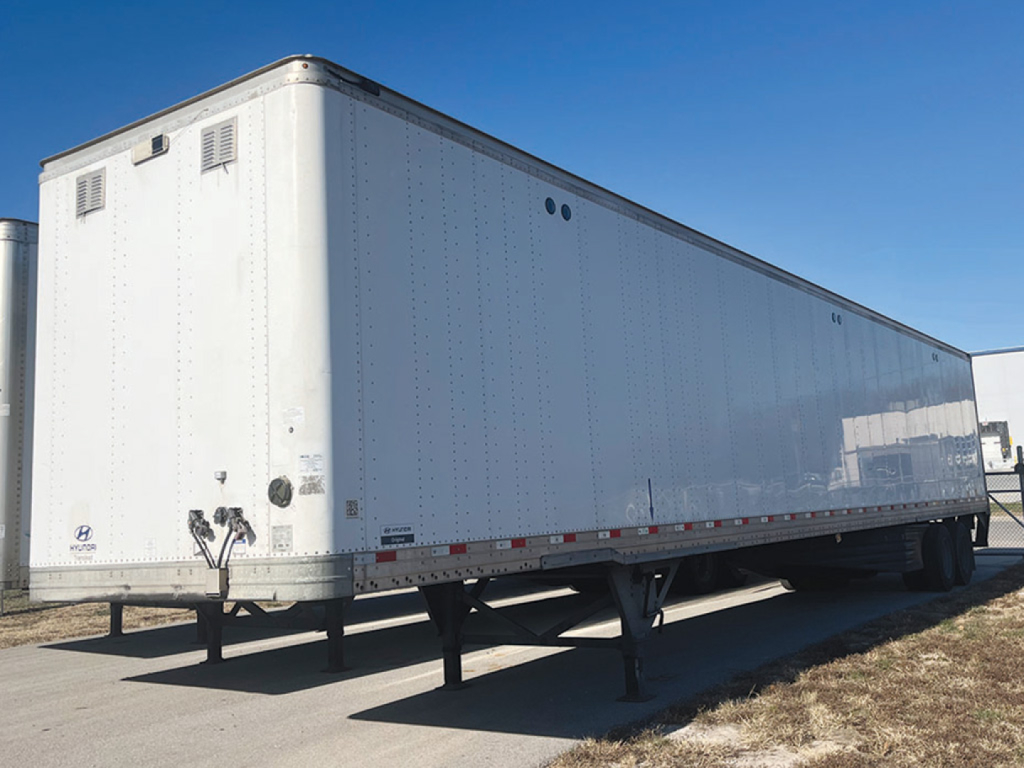
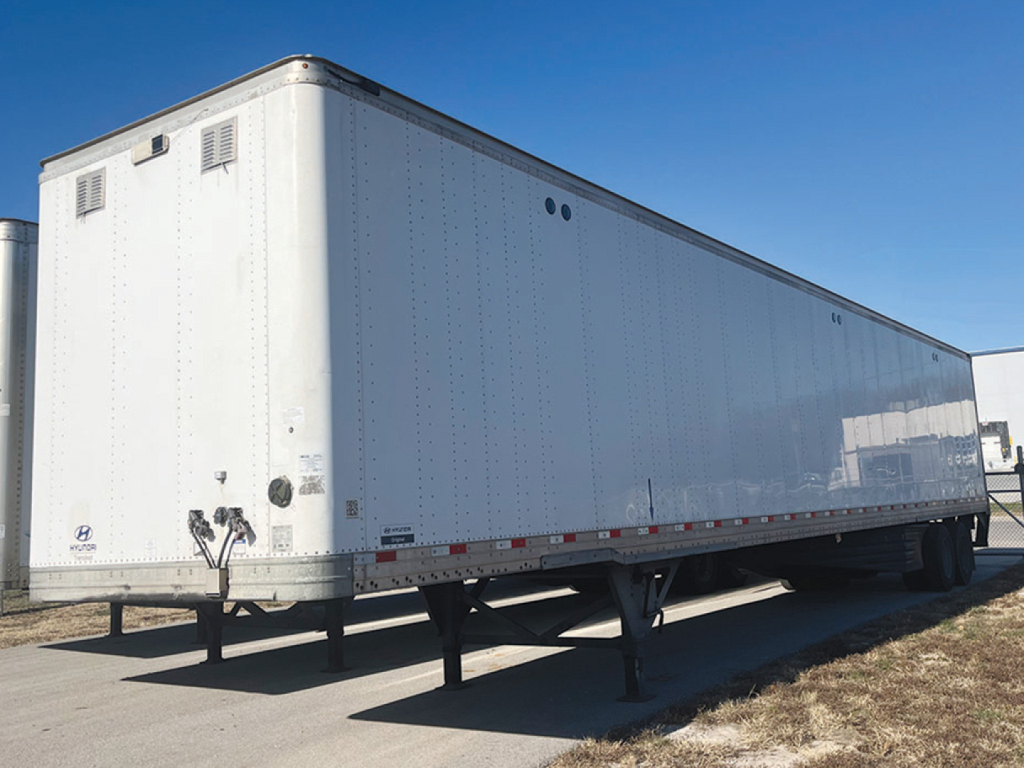
Shop Hyundai trailers for sale in Texas, including durable 53-foot dry van models with common fleet specs for regional and over-the-road freight.
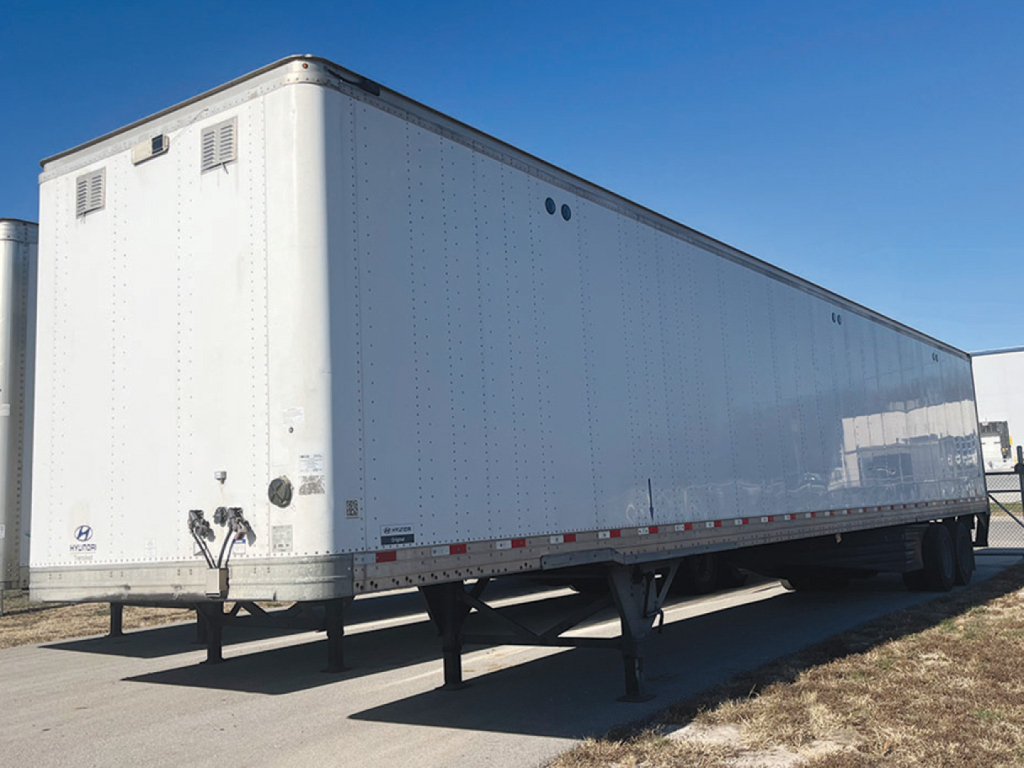
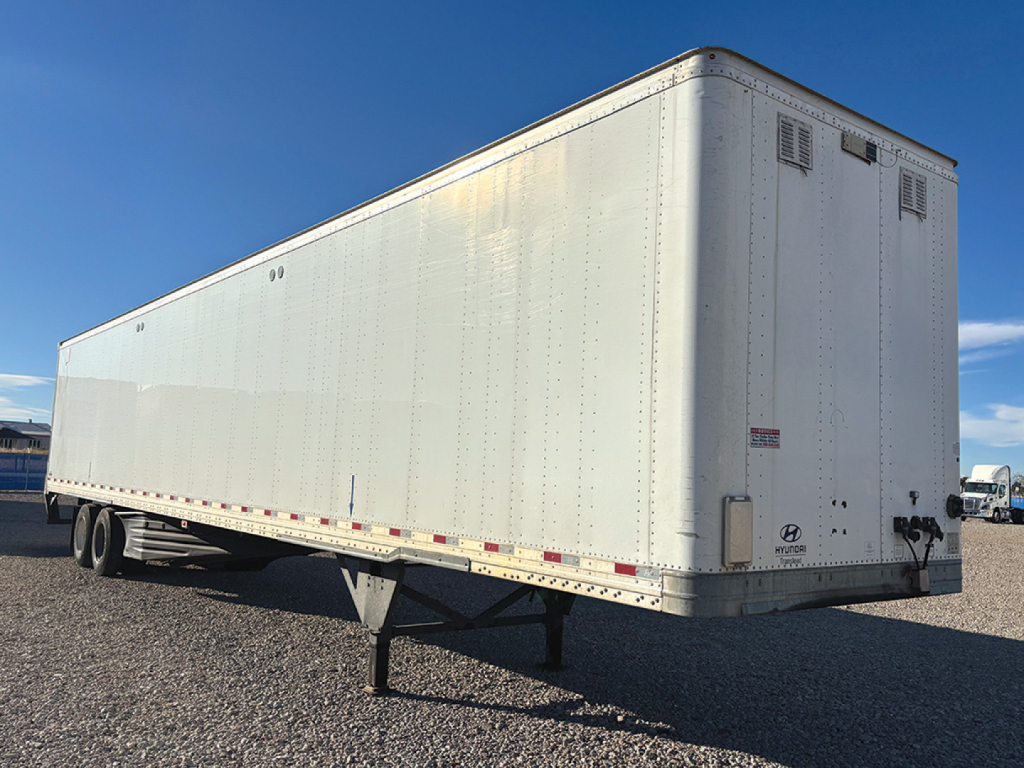
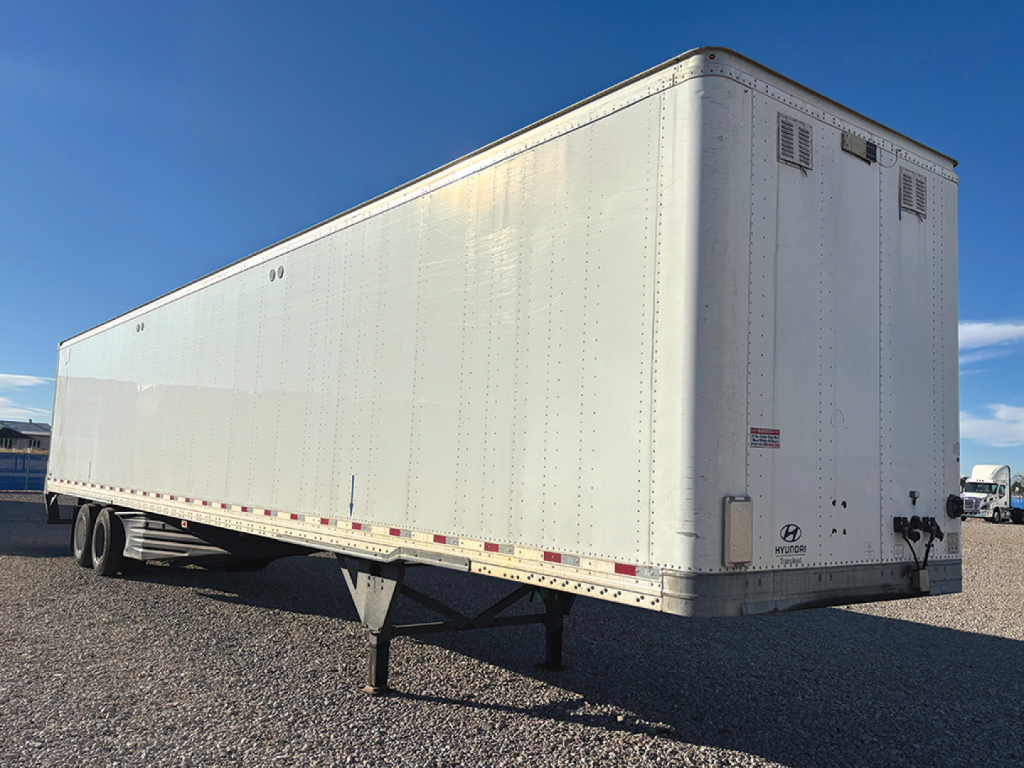
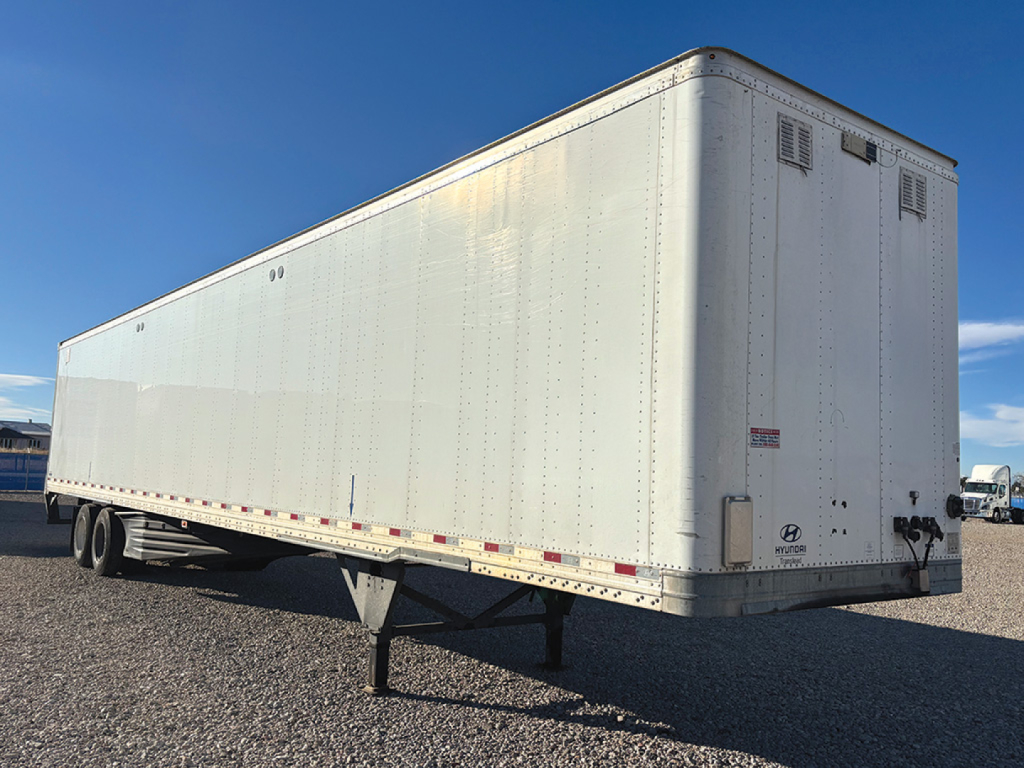
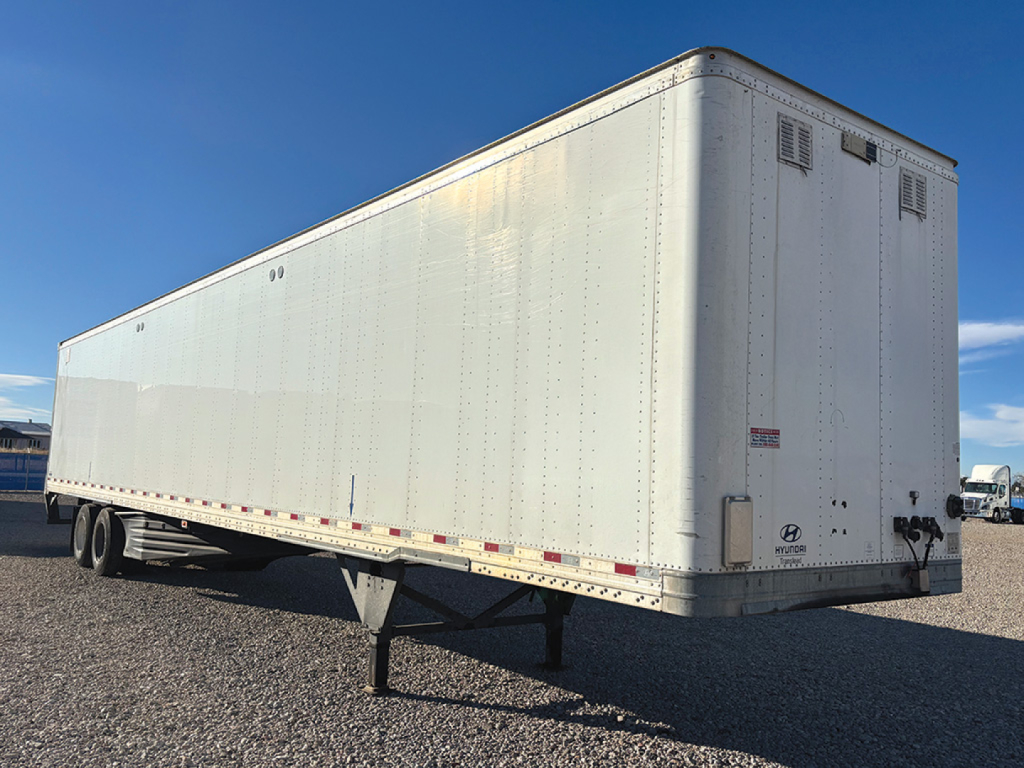
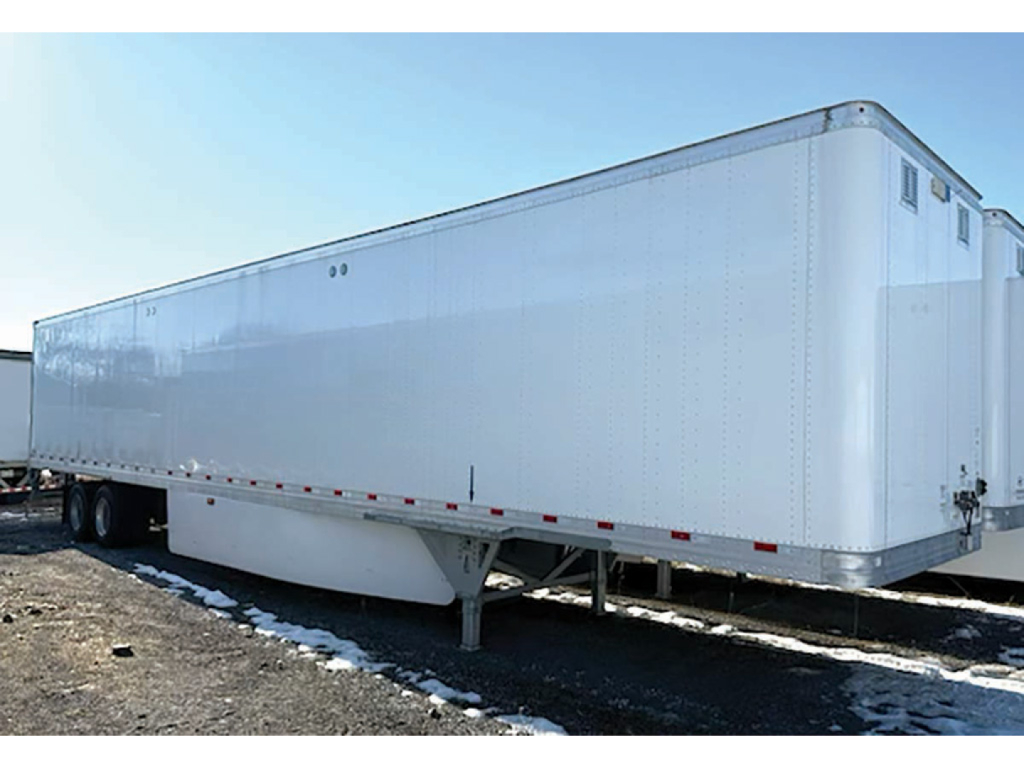

Showing 1 to 24 of 30 results
Have hyundai trailer to sell? List it here to reach thousands of buyers.
Hyundai Trailers in Texas
A buyer comparing Hyundai van trailers should pay close attention to interior setup and running gear. Common specs include plywood lining, scuff liners or scuff plate protection, wood floors, E-track, roll-up doors, sliding tandems, and 22.5 low-profile tires on disc wheels. Suspension type matters depending on your lanes and freight. Spring ride can be simple and durable, while air ride is often preferred for more sensitive cargo and dock-friendly handling. Tire inflation systems, undertray storage, threshold plates, and front and rear vents are also worth noting because they affect uptime, cargo securement flexibility, and day-to-day usability.
Height and inside clearance are key on Hyundai dry vans. Buyers will often see overall heights around 13 feet 2 inches to 13 feet 6 inches, with inside heights that support standard freight but still need to match customer requirements and route restrictions. Roll-up door condition, floor wear, sidewall condition, roof integrity, and tandem slide operation should be inspected closely on any used van trailer. On Texas routes, heat, long distances, and frequent loading cycles can expose weaknesses in flooring, door hardware, suspension components, and tire systems faster than lighter-duty applications.
For most fleets, Hyundai trailers fit best where low operating cost and broad freight compatibility matter more than specialized body design. They are widely used as dry van trailers, also known as enclosed van trailers, because they can handle a broad mix of dock freight with straightforward parts support and familiar fleet spec patterns. Buyers evaluating one against other van trailer brands should compare empty weight, crossmember spacing, floor condition, door opening dimensions, kingpin and tandem configuration, and maintenance history. Those details usually matter more than model year alone when the goal is dependable revenue miles.
Frequently Asked Questions about Hyundai Trailers in Texas
What are the most common Hyundai trailer types found in Texas?
The most common Hyundai trailers in Texas are 53-foot dry van trailers, often Hyundai Translead models. These enclosed van trailers are widely used for general freight, retail distribution, warehouse freight, and over-the-road loads because they offer broad compatibility with standard docks, palletized cargo, and common fleet tractor setups.
What should I inspect first on a used Hyundai dry van trailer?
Start with the floor, roof, sidewalls, rear frame, and door assembly. Then inspect the tandem slide, suspension, brake components, tires, wheels, and any tire inflation system. Interior wear matters too, especially plywood lining, scuff protection, E-track, and threshold plate condition. A used dry van can look clean outside and still have expensive issues in the floor structure or rear door area.
Is air ride or spring suspension better on a Hyundai van trailer?
It depends on the freight and the lane. Air ride is often preferred for more delicate cargo and can provide better ride quality, while spring suspension is simpler and commonly chosen for durability and lower complexity. In either case, condition matters more than the label alone, so buyers should inspect wear points, alignment, bushing condition, and maintenance records carefully.
Are Hyundai trailers a good fit for general freight operations?
Yes. Hyundai dry van trailers are well suited for general freight because they typically use fleet-standard dimensions, common cargo control options, and practical construction that works well in regional and long-haul service. Features like 102-inch width, 53-foot length, wood floors, plywood lining, and sliding tandems make them easy to integrate into many existing operations.
Which specs matter most when comparing Hyundai trailers for sale?
The most important specs are trailer length, width, inside height, suspension type, tandem configuration, door style, floor type, tire and wheel setup, and cargo securement features like E-track. Buyers should also compare empty weight, structural condition, underbody storage, venting, and kingpin area condition because those factors affect payload, maintenance cost, and daily usability.